Pemberton is a haven for horse lovers, golfers, mountain bikers, gardeners, farmers, adventure-seeking backcountry enthusiasts, ski and snowboard lovers (who would prefer to not reside in Whistler, or who cannot afford Whistler housing prices), and people who can tolerate extreme heat and bugs.
I am none of those people, and thus look upon May to late September with dread when the temperatures hit north of 28C – which is frequent. However, Pemberton is also a place for people who enjoy peace and quiet and beautiful vistas – this is something I like very much about Pemberton.
In light of the extremely high temperatures we are experiencing as of late, my entry this month will focus on two quick, satisfying and fairly healthy sweet treats. One of them, my peanut butter balls, are a staple in my fridge and I make them often. They are a good source of protein and healthy fats; a healthy peanut butter cup! Secondly, my healthier version of marzipan can be eaten on its own, dyed and made into fun fruit shapes, or rolled out to cover a cake – the famous Princess cake which I think is a Swedish tradition. In any case, sugar is reduced – but it does contain raw egg so do not serve to young kids, and anyone takes a risk consuming raw egg. I will take that chance.
Therefore, my recipes this month do not highlight Pemberton ingredients – but highlight the importance of cooking and baking to suit Pemberton weather. Which seems to get hotter every year.
Peanut Butter Balls (makes 10-12)
(I use a kitchen scale for my recipes and I highly recommend owning a scale for bakers)
6 oz Adams Original Salted smooth peanut butter
2 oz coconut oil, (unmelted)
4 oz coconut sugar
½ tsp salt
1 tsp vanilla
Coating:
3 squares Lindt 90% dark chocolate
1 tsp coconut oil
Method:
In a stand mixer, mix peanut butter and coconut oil together well. The coconut oil will take a while to fully incorporate.
Add rest of ingredients and blend well.
Refrigerate one hour.
Take out of fridge and form dough into balls using 1 tbs of dough and place on a wax-paper lined plate.
Refrigerate 1 hour
Meanwhile make coating by melting coating ingredients slowly on stove or use a double boiler so chocolate doesn’t burn. If you have a very low setting on your stove, use that.
When cold, dip balls into coating. Refrigerate ½ hour. Enjoy!
Marzipan: (makes about 2/3 cup of marzipan)
4 oz almond meal
1 oz icing sugar
1 egg beaten or 1 egg white (you won’t need all the egg)
1 tsp almond extract
Method: Using a Cuisinart, blend almond meal and icing sugar. With blade running add almond extract. Then slowly, add egg one tsp at a time until mixture comes together around the bowl. The marzipan should have a firm texture, not a mushy texture. Now you can do whatever you want with your marzipan, including eating it as-is!

It is a busy time in the life of a vegetable farmer, especially with the hot sunny weather we have been having! While the motto of April may have been “hurry up and wait”, May is definitely the month of “don’t stop moving” here at Four Beat Farm.
Most hours of the day (OK and the evening too sometimes) are devoted to preparing the fields for planting, transplanting and seeding the earlier vegetables, planning for markets and harvest season, keeping an eye on the early salad plantings to ensure that the weeds do not take hold, and putting the final tweaks onto those “spring projects” that somehow never did quite get finished. It is still spring in the calendar, though the temperatures might indicate otherwise. There is little time for reflection or lounging around, yet there is a sense of fun and excitement in the air as the days grow longer and momentum starts to build.
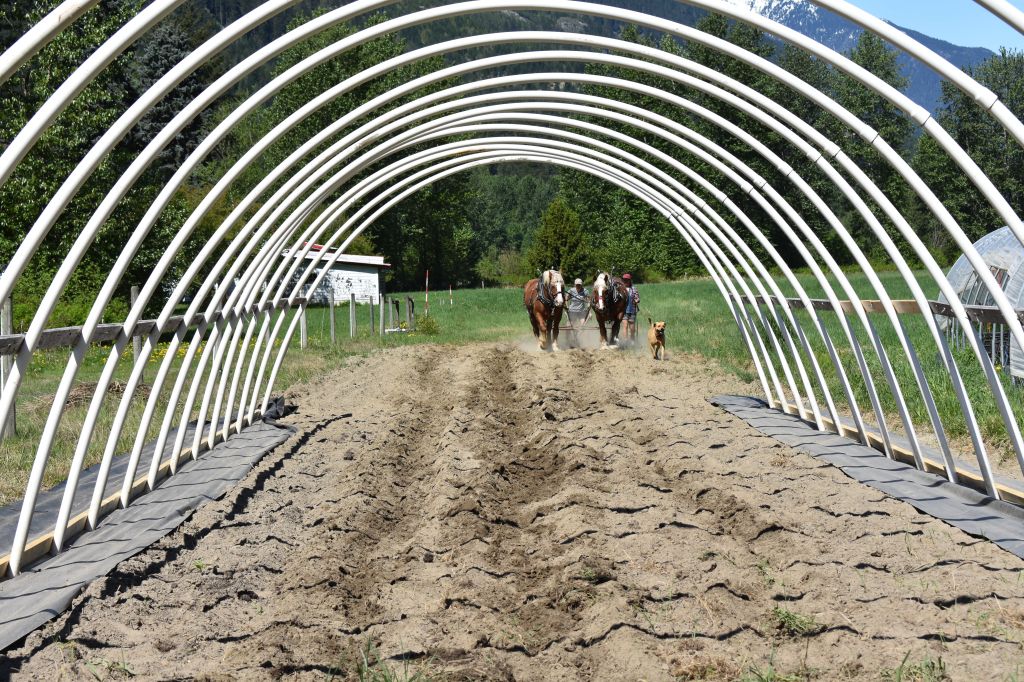
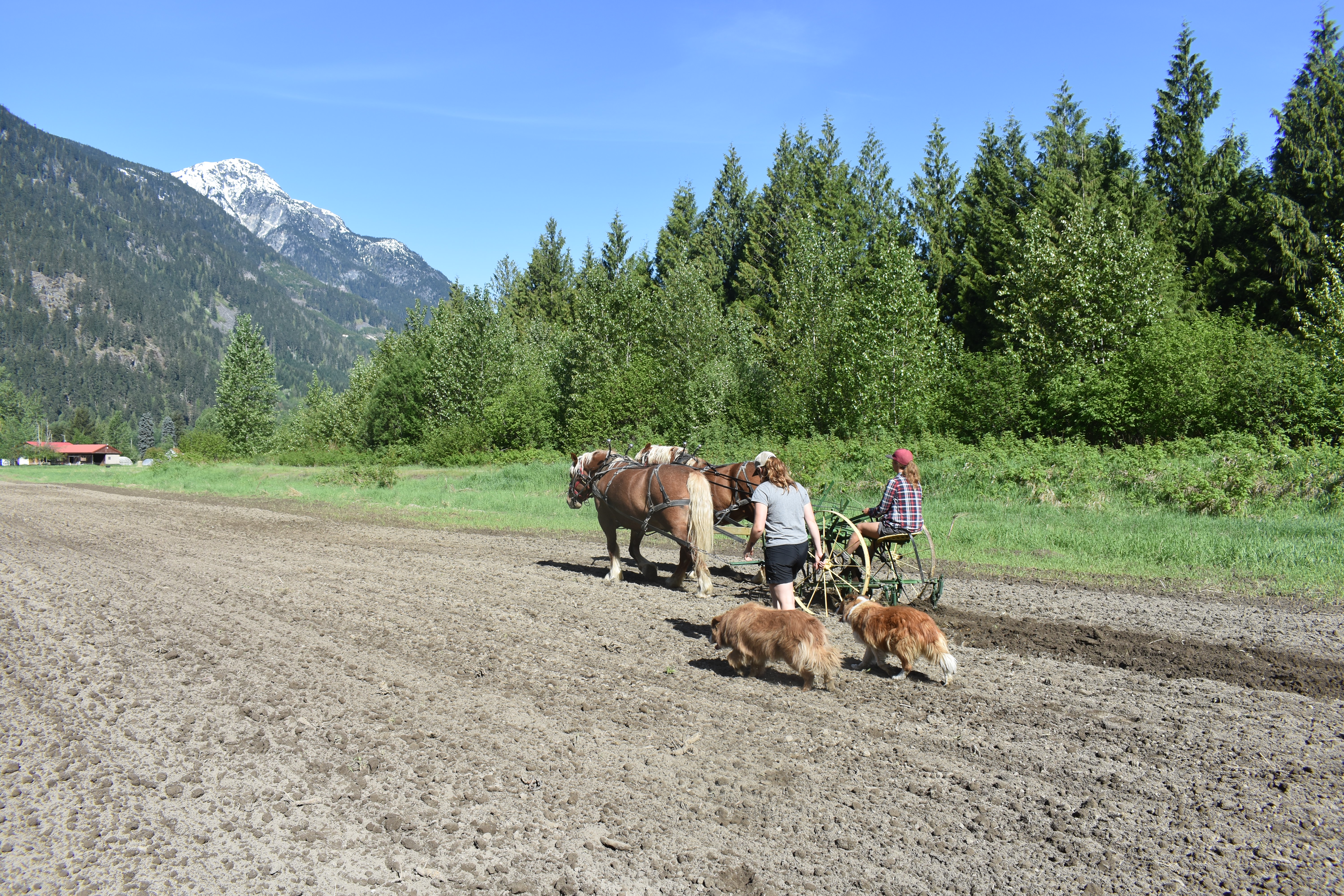
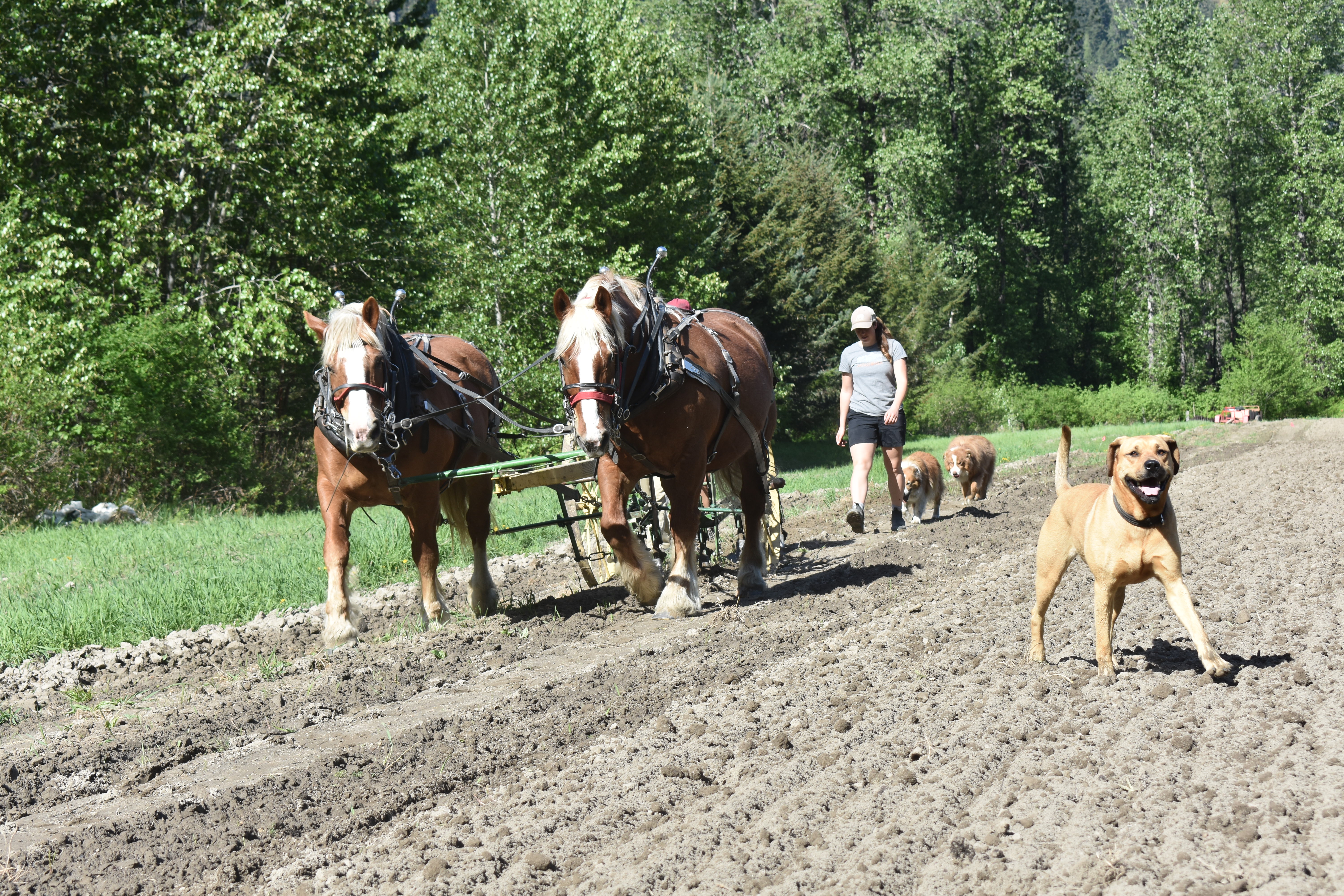
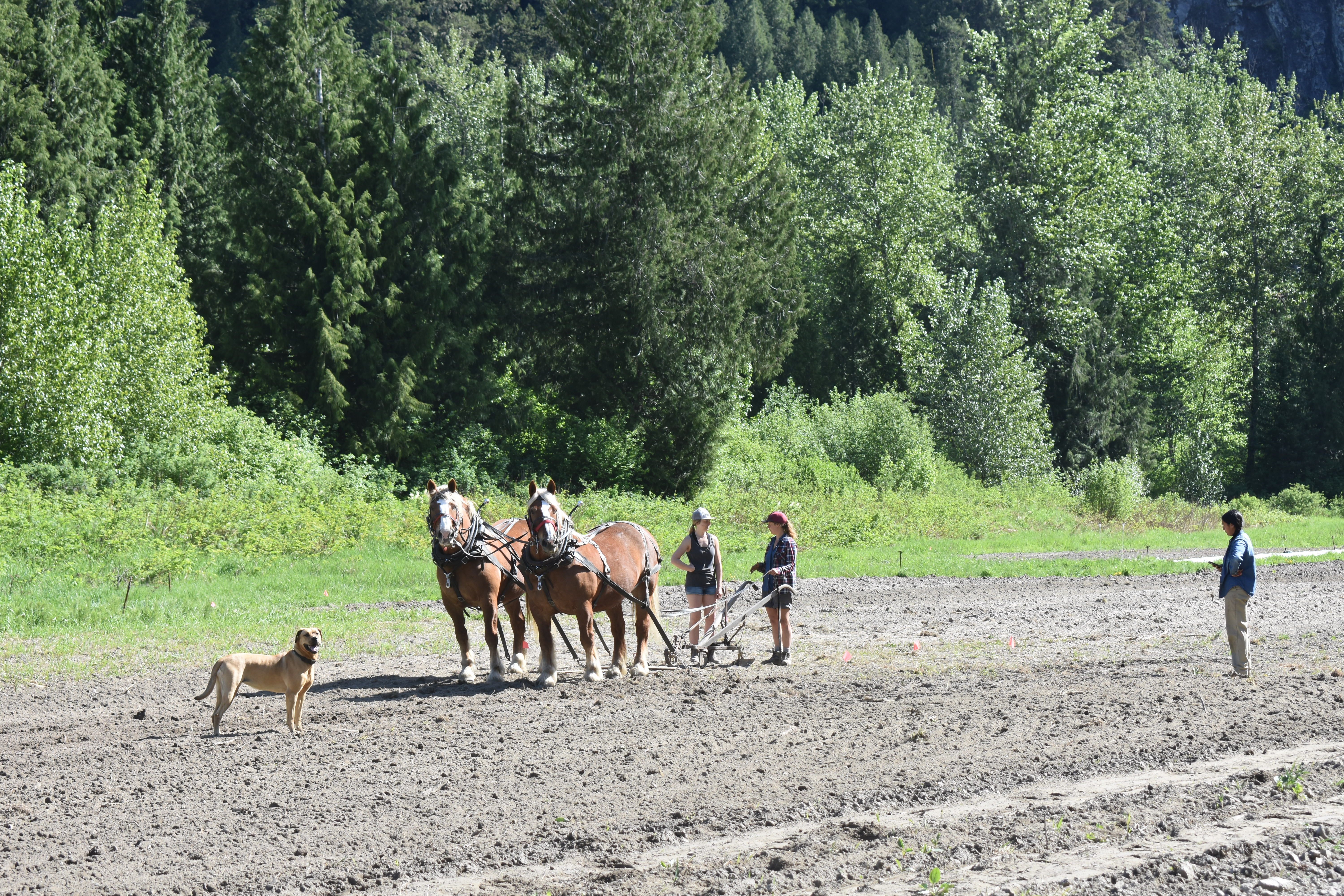
Even though there does not seem to be much time to go for a hike at the moment, there is fun to be had in the field, such as on this Saturday morning with some canine, equine, and human friends testing out a few new (to us) ways of cultivating in the vegetable field.


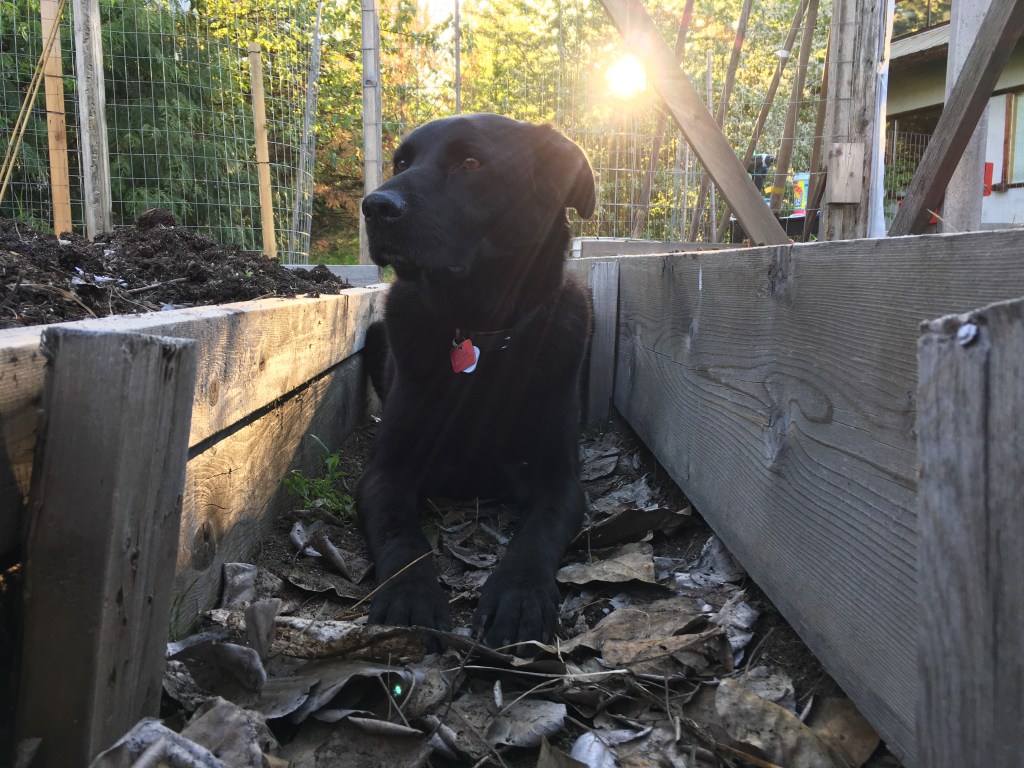
I am not a scientist (although my current course on soils may turn me into one). Nor am I a psychologist; at best I’d classify myself as a horticulturalist. There is one thing I have come to acknowledge more then ever over the last few weeks… my dog’s intuition is more on point then most people I know. She came with the name Shadow and it suits her to a T – LITERALLY.
So, allow me to introduce you to #shadowruffruff.

(Need a laugh? Follow this Hosta lover’s hashtag on Instagram for guaranteed good times.)
Here’s the skinny. Shadow was surrendered to the SPCA in Prince George where her puppy life was basically non-existent; she was quickly moved to the West Vancouver division for rehabilitation. We fell in love with her photo on their website and promptly pinned it down Hwy 99 from Squamish to meet the then 2½ year old Black Lab x Boarder Collie. Instantly we knew she’d be a perfect fit for us and she’s been melting hearts ever since.
She is not stick or ball obsessed (thankfully). She didn’t swim until she was 4 and it’s only because there was a duck to chase. Her ability to find food and crumb around is so good she should be paid for cleaning the floor. She is extremely smart and loves to tell stories. She took up minnowing at age 10 and has been a pro field mouser for years. She is nearing 13 now and still loves to come on biking, ski touring and hiking adventures. She is showing minimal signs of slowing down. Maybe she’s stubborn like me. Grey hairs you ask? Nope. Only a few visible on her chin but most are hidden on the bottom of her paws. A lady never tells or really shows her age.
(Minnowing obsession, recovery biking, Chief Pascal ski tour & Rohr Mt. summit)
You might be wondering how this plays into gardening but be worried not for this hound loves veggies as much as the rest of us. When I crack my container snack vegetables she’s usually at my feet before the lid is off. I have to pack extra knowing she’ll eat half of what I brought. But don’t try to feed her kale unless it’s been massaged because she’ll look at you like you’re crazy! Smart dog. You have to watch her around the blueberry bushes, raspberries, strawberries and cherry tomatoes; anything at her level is fair game. She is a phenomenal forager. And, of course, all the thinned out carrots rightfully belong to her dirt and all.

Since my bike crash I have been tripping over her even more times then I can count. A friend gave her the nickname “Underfoot” for good reason. I have been spending most of my time in my garden healing my concussed brain because that’s what feels good and Shadow has been there every step of the way. Therapy dog. Keeping the cats out, barking at the deer and warning me when the bears are close long before I actually see them. Again, her intuition is impeccable on all levels. She is the keeper of my garden, paid in full with vegetables.
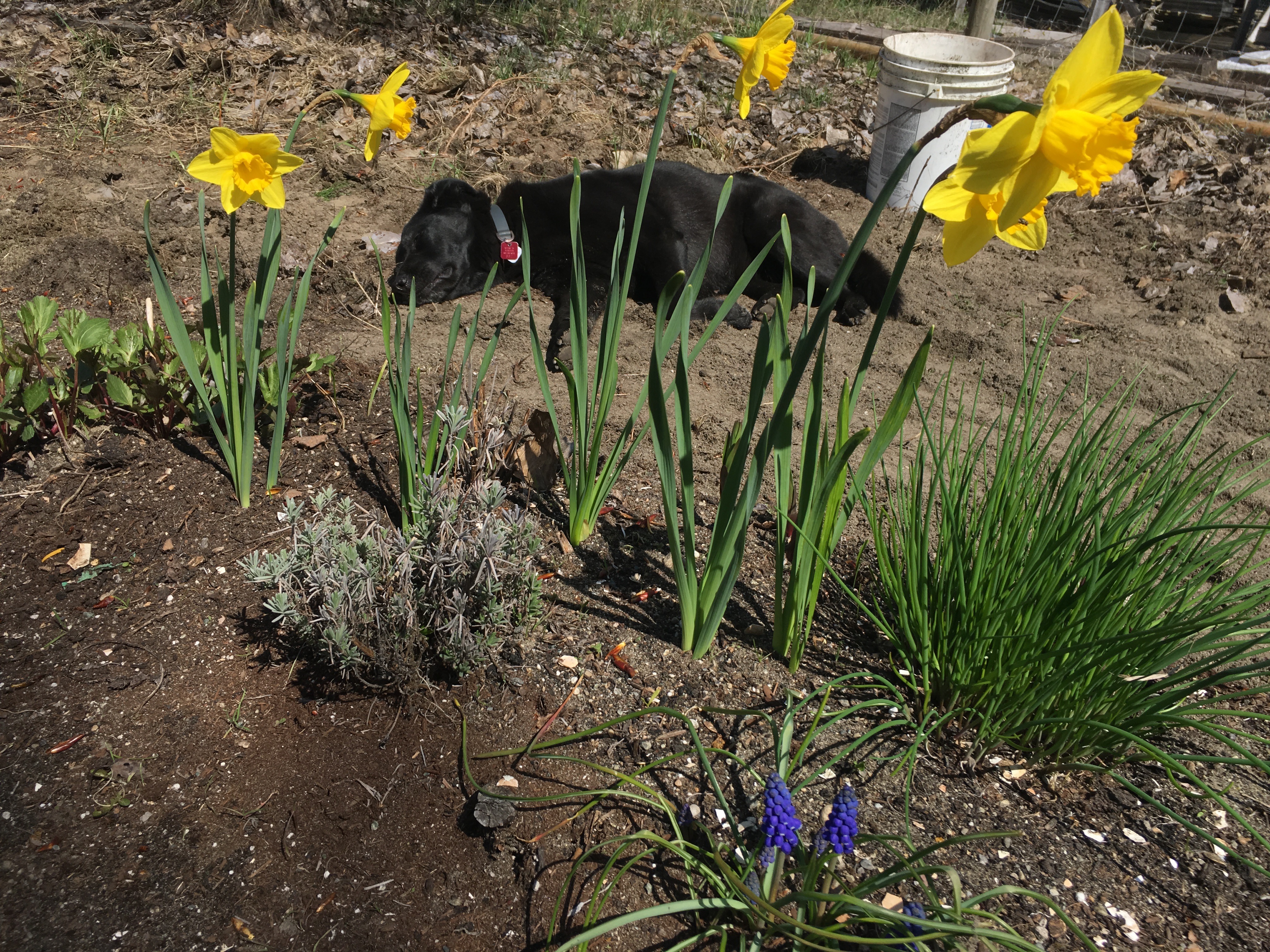
Besides, someone has to test out the fresh raked dirt to ensure its level.


Hello everyone, my name is Anni Kolbe and I work for the Sea to Sky Community Services (SSCS) in Pemberton. My job title for SSCS is a Settlement and Outreach worker for the Pemberton Multicultural Network. So what that means is I help immigrants settle into life in Canada and meet other people.
In order for people to meet I plan and implement life skill workshops. Throughout the years I have learned that people in Pemberton will attend your workshops if it relates to food and gardening.
I wanted to share a workshop I did a few weeks ago at the Pemberton Public Library on garden journals and companion planting.
A garden journal is a great way to keep track of important information about your garden such as the weather, pests, what you planted and when you planted. Those are just a few things you can keep track of.
Take a peek through the slide show to get more ideas of how to keep a garden journal.


The first time I saw a hummingbird was in Sooke, on Vancouver Island, while visiting my boyfriend’s parents. They had several feeders around their property, and the first time one of these minuscule, zippy birds approached, I was completely rapt. I’ve found them fascinating ever since, but we lived in Vancouver, where no hummingbirds dared venture.
When Nathan and I moved to Pemberton four years ago, his mother Lisa gave us a hummingbird feeder as a housewarming gift. It was December at the time, and I couldn’t wait for spring to arrive to set up our feeder.
And now every year, as much as I look forward to spring for the fresh green scent of new growth and the return of warmer weather, what I really look forward to is the return of the hummingbirds. I get immense joy from putting out fresh, homemade nectar for these precious visitors, and take special care to ensure my feeder is always stocked. (I haven’t planted my garden yet, but I’ve already refilled my feeder twice.)
Part of my joy comes from being able to watch these fascinating birds closely, as the feeder is located right by our living room window. But a good portion of this joy is from the feeling that I’m helping these tiny creatures by providing them with food. Especially at this time of year, when the flowers are still just returning and nectar is low, and they are vying for the attentions of potential mates. (It must take a lot of energy to execute those dive-bombing shows the males use to impress the ladies.) Since moving here, I’ve learned there’s plenty of wildlife you shouldn’t feed, but thankfully the hummingbirds aren’t one. It gives me joy to feed these birds, while they in turn feed my joy.
Hummingbirds can be seen as a symbol of lightness, for the incredibly light way they move about their world. They can help remind us to try to use similar lightness in the way we move through our world. To leave gentle footprints on the Earth, to care for one another, and to treat everyone with gratitude and respect. So here’s to spring, here’s to joy, and here’s to the hummingbirds.

The day after April’s Cook Book Club, my 5 year old asked me, “Did you win?”
I ate an amazing meal, with 10 other people, that hadn’t been pre-planned or organized, but covered the gamut from elk curry to grated squash to beet and mandarine salad, potato pancakes, and grilled shrimp and pineapple skewers, AND everyone gave me a thumbs-up for my cake.
“I sure did.”
Winning is guaranteed.

Our May collective culinary adventure is set for Thursday May 24, 2018, 7pm – 9pm, at Stay Wild Natural Health.
Make a dish from one of the Thug Kitchen books. And let’s see how many f-bombs are dropped next meeting as we explore the New York Times best-selling vegan potty-mouthed phenomenon.


In yogi language (Sanskrit) the word sadhana often refers to a conscious spiritual practice, discipline or service.
In the last year I participated in an absolutely divine online course with a local yoga teacher. Each month we got amazing content including a particular kitchen sadhana – ideas like herbal bitters or kitcharis and other ayurvedic potions.
I’ve carried this ritual of kitchen sadhana into my life as I find it very grounding.
This month I have two particular recipes that I’m really excited about.
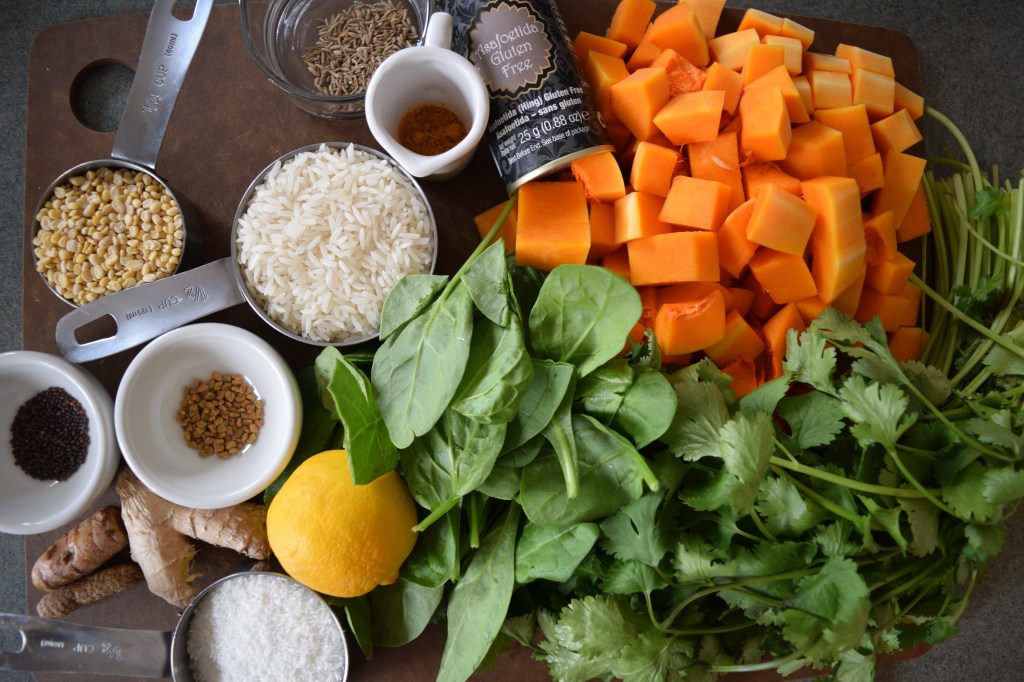
The first is one of my absolute favourite foods to make when I need something easy to digest that is also a complete meal and very comforting and nourishing. Kitchari (sometimes spelled kichadi) refers to a stew-like one-pot meal which is a mixture of two grains. Spring is often a time when we are shedding the stagnant, dense energy of winter and the heavier foods we’ve been eating to up-shift to the lighter, more buoyant foods of spring, like dandelion greens and fresh nettle. The great thing about kitchari is that you can use any vegetables you have on hand.

This particular recipe is with a mix of mung beans and basmati rice and I had butternut squash, spinach and frozen peas on hand so in they went.
Here is the link for the recipe: http://www.mapi.com/ayurvedic-recipes/soup-and-salad/khichadi-mung-bean-and-basmat-rice-stew.html

The next spring kitchen sadhana is a work in progress. It comes from a cookbook I have taken out from the library seven times in the past three years called The Nourished Kitchen by Jennifer McGruther.

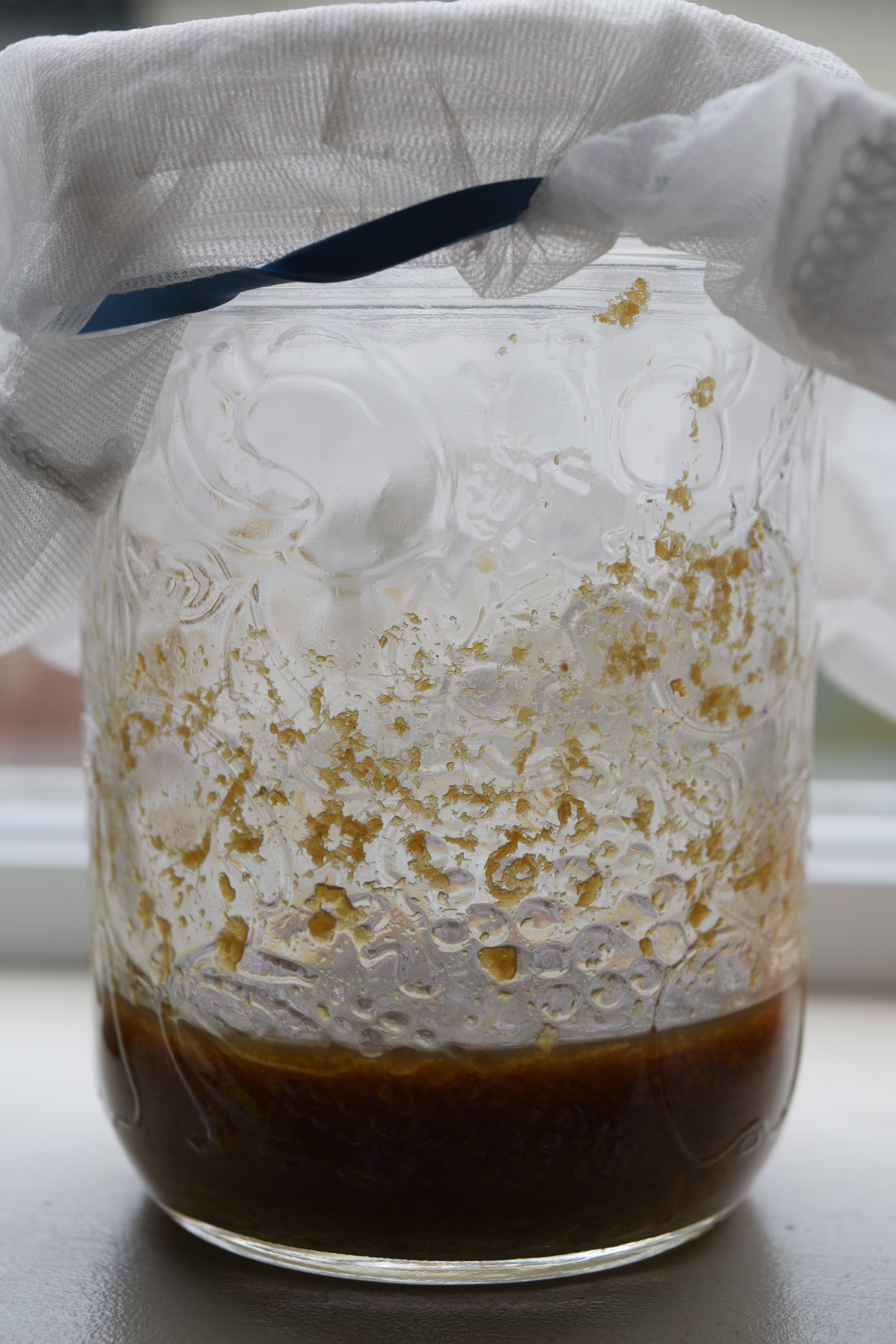
For me, it is not an everyday kind of cookbook but a fun experimental one. Of particular interest to me is her chapter on fermentation. I love water kefir and kombucha and homeade sodas but usually buy them. I am now 3 days in to creating my own live wild yeast and ginger starter. From this, I can then create my own water kefir and beet kvass or flavoured sodas and the starter keeps living as long as you replenish what you use and keep it fed and/or refrigerated.

It doesn’t look super delicious now but I love the simplicity of just ginger, water, unrefined sugar and time in the environment and from here the off shoots will be a complex flavour sensation and also great for gut health like ginger lemon water kefir or beet kvass mixed with spring water on a hot afternoon. A great reward for my kitchen sadhana. You can find this cookbook at the Pemberton Library and she also has a website you can check out at https://nourishedkitchen.com/

When I used to think about permaculture, I thought of it more like the “old way of gardening”. Less intensive, lots of diversity, a closed loop system that tries to reduce our impact on the earth. A systems thinking that uses everything in multiple ways. Gut Gardening. Intuitive.
But, as I was reminded earlier this month during the (FREE) one day course on permaculture by Permaculture Design at Quest University, permaculture principles are rooted in science, and way more complex.
Doing the right thing for the planet, for the patch of soil you are stewarding, is backed by scientific research. For my rational Western mind that sometimes needs things to be “scientifically proven,” that goes a long way. Science, fused with community. Science, fused with growing food, shelter, plants and systems that are good for the earth. Science, and changing our thinking patterns. Taught by the dynamic duo Delvin Solkinson and Kym Chi, the opportunity to attend with a carful of amazing girlfriends and kick ass gardeners was the recipe for a perfect day. Yes please.

The term permaculture was coined back in the 70’s by founder Bill Mollison. The Permaculture Research Institute tells us that permaculture
“is the conscious design and maintenance of agriculturally productive ecosystems which have the diversity, stability, and resilience of natural ecosystems. It is the harmonious integration of landscape and people — providing their food, energy, shelter, and other material and non-material needs in a sustainable way.”

At the start of the day, fifty-five people sat in a circle – from all walks of life, many young, fresh students, but also many people in their later years. We shared what brought us there. It was everything from wanting to learn how to better compost, to learning more about plants that can help heal the earth. Gardeners who operate more in their heads and want to operate more from their hands/hearts. Pioneers who want to explore the feelings of plants. I admit I was guarded in that space. It had been a while since I had sat in a room with chimes to focus our attention and teachers who ask us to take a deep breath and sit with our thoughts. It took a bit for me to settle into the vibe and be open to the experience. Clearly, I need to re-establish my yoga practice!
Kym and Delvin said over and over during the course of the day: think about the “problems” as opportunities. Have weeds? How can we use them? (Living mulch, compost, re-evaluate if they are actually a problem. Feed your chickens…) A challenging slope on your land? Why not plant an orchard and incorporate bioswales to manage your irrigation challenges and needs?

But what resonated so strongly had less to do with gardening and more to do with community. That, and this statement made by one of our teachers that gave us permission to be OK with where we were, as individuals, and society. “Don’t shit on yourself for not knowing, not doing. Don’t shit on others for not knowing, not doing.” Another yes please.
But by the end of the day the shift was apparent, empowering, and so positive I was actually moved to tears. Yes – lots of great permaculture tips that apply to any space. But what I loved the most was the warrior cries from people fed up with bullshit happening on a day to day basis that we all know is wrong. People inspiring each other, revolutionizing on a micro or macro scale. People swapping problems for solutions.
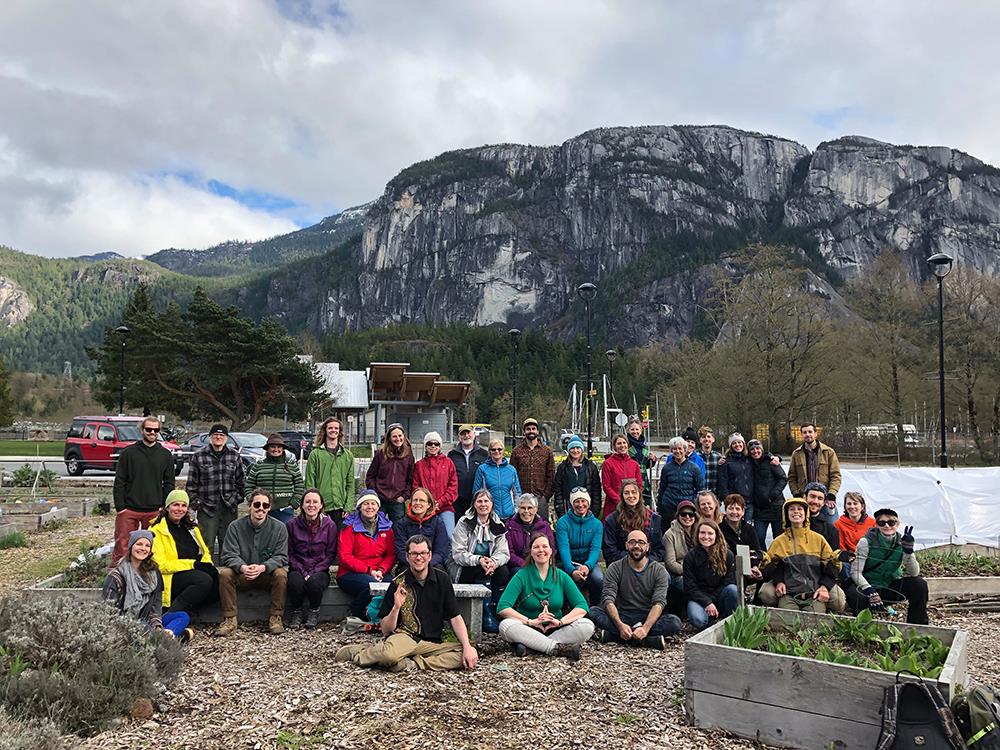
At the end of the day we shared what we got from the course, what we wanted to do. A grey-haired lady cried: “I am telling my council that I AM putting a garden on that strata lot!”
From others I heard,
“Put the earth first!”
“I am going to plant a garden in that round-a-bout!”
“If you listen, music is everywhere!”
“I am going to make a spiral garden!”
As I reflect on this experience now, almost a month later, I wonder about the seeds that may have been planted that day, ideas sitting below the soil surface needing the heat, the light, the energy to transform into action. How many ideas passed that tipping point? Who is going to start the permaculture food forest in Pemberton? Turn a strip of downtown Squamish dirt into a haven for bees, food for families? Change the thinking patterns of the stuffy strata intent on ridiculous lines, rules, pavement? Who wants to raise a permaculture “army” with me?
So thank you from the bottom of my heart to Delvin and Kym. The work that you are doing is crucially important. Absolutely inspiring. For anybody who missed that magical day at Quest, I would like to bring this team to Pemberton in June. (Please get in touch with me if you are interested, or want to help fund this). They also have more free days coming up.

And until then, Pemberton – don’t forget about the Women’s Institute Plant Sale coming up soon on a Saturday 5 May, 9am to 12 noon at the Legion Parking Lot – the sign with the date is up at the concrete barren round-a-bout. Oh, did someone say round-a-bout? Warrior-guerilla-gardener-lady, if you are listening, we, and the world, need you!

It had to be done. Well, something had to change, and so on 1st April I re-joined Weight Watchers Online. No joke!
My goal is to lose 10% of my starting weight and then see what happens from there. One thing that is for sure, I have to make better food choices and become a fitter, healthier version of myself. The hard part will be keeping it off and not allowing myself to go back to where I was, and where I was heading. But I have done it before so can do it again, and learn better habits this time round.
I know that Weight Watchers is not for everyone, and in this village, many people lead such an active lifestyle that they don’t suffer with weight problems. At least they don’t appear to. But for some of us we need to track what we eat so that we can see where we are going wrong and then make a conscious decision to do better.
The Freestyle programme is different to the plan that I was on before and I am having to learn it all again but, so far, it has encouraged me to eat more fruit for snacks, instead of the junk I was tucking into before. Also I don’t eat meat, with the exception of turkey, chicken and fish which are all zero points on this plan, so I am learning to eat more balanced meals throughout the day. And having the new puppy has helped me become more active as he needs to go for walks every day. I no longer have an excuse!
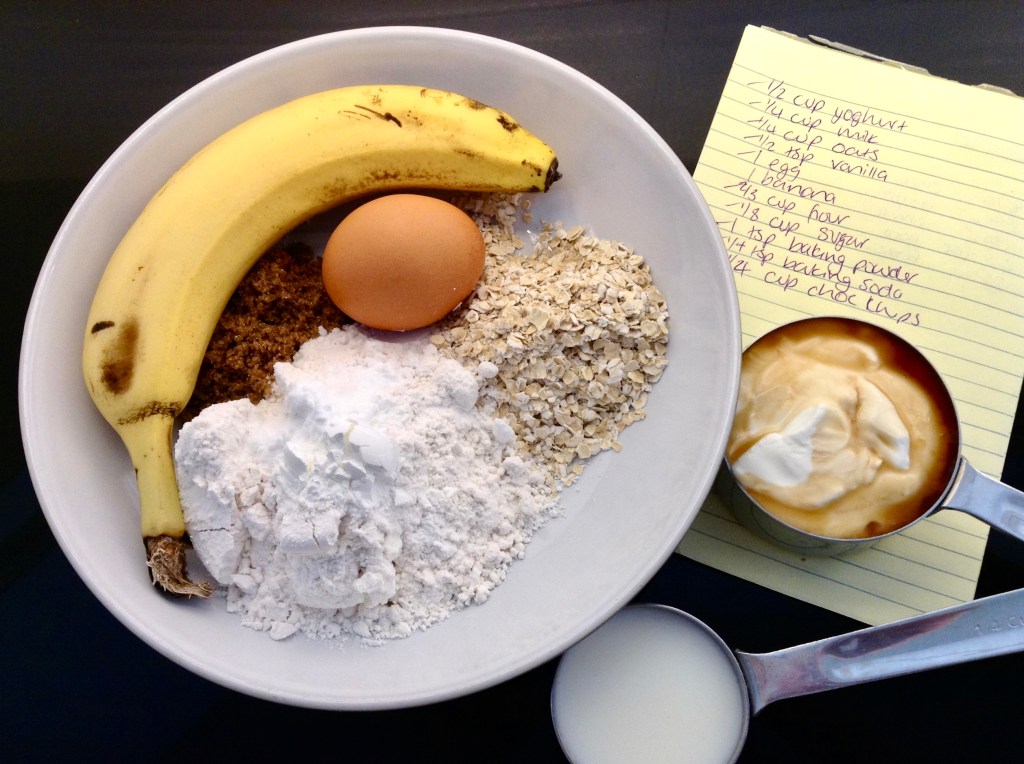
However, sometimes a treat is in order, so I looked for a recipe on the Weight Watchers site and found this one for Banana and Chocolate Chip Mini Muffins. They did the trick and were a healthy option. (I even made them better for me as I didn’t have any chocolate chips to hand – bonus! Plus I made a half batch and then shared them with friends so they wouldn’t be hanging around in my kitchen providing an unnecessary temptation). So, I am pleased to share this recipe in an effort to show that diet food doesn’t have to be just salads and that everything in [reduced fat and sugar] moderation can help move the number on the scales in the right direction! Look out for more healthier recipes over the next coming months.