Tag: gardening

  • An Apple a Day

    An Apple a Day

    You already know that fall is my favourite time of the year. It also happens to be one of the busiest times of year for me at work. So busy that sometimes it feels hard to find a full breath. A breath that I can get behind: my normal rhythm. Yet one thing that constantly replenishes my soul is when my house if full of friends and family. It’s then that my breath returns to normal – no matter what. This is why every year I muster up some energy to host Thanksgiving dinner, even if all I want to do is sit in silence.

    Initially I thought I’d post some great, amazing Thanksgiving recipe the day after dinner but I could not find any words and you can’t force something that’s not there. Instead I chose to harness the good vibes from a room full of laughter, sing-a-longs, amazing food and love, to put my garden to sleep. It was the perfect remedy and the bonus? – I got to do it with my dad. However, I thought I’d share a recipe for a pie that usually graces my Thanksgiving feast but just didn’t have time to make. I mean I barely got the turkey in the oven on time and that only happened because my mom did it!

    This is apple season. When your parents show up with a massive bag of said fruit from a friend’s tree on the Island and you’re eating at minimum and apple a day, or two, but barely making a dent in the stock, you make pies.

    So, without further ado… here is Apple Cheddar Pie: an instant crowd pleaser and a delicious breakfast supplement.

    Step Uno: make your crust.

    2½ cups all purpose flour – TBSP sugar – TSP salt – 1½ cups grated white cheddar (kept cold in fridge until ready to use) – ¾ cup grated butter (frozen) – ½ cup ice-cold water (maybe a bit more)

    • Add the flour, salt and sugar to your mixing bowl and combine them. Then grate your butter into the bowl and add in your cheddar. Next start gently rubbing the ingredients through your hands; you’re aiming to get a “pea like” texture (you may recall me using this method in my previous pie recipe). Pour the water in and use your hands to bring the dough to together. I always end up turning it out onto my counter to finish kneading it. Separate the dough into two balls with one slightly larger then the other. Flatten them out to resemble small saucers and a place in the fridge for at least an hour.

    Step Two: prepare your apples.

    8-9 apples peeled, cored & cut into eighths – juice of half a lemon – cinnamon, nutmeg, ground clove – a sprinkle of cornstarch

    • Place your apples in a bowl, add in your preferred amount of spice, squeeze the lemon on top and sprinkle that cornstarch… then toss.

    Step 3: build your pie.

    • Preheat your oven to 375°F. Roll out the smaller disc on a floured surface, place it in your pie dish then add your apple mixture. Before rolling out your second dough disc and topping the apples with it, dot them with a bit of butter. Seal the edges together and then cut some shapes in the top crust or keep it simple with a few little knife slits that will allow the air to escape. Brush the pie with an egg wash (I forgot but you should really do it).

    Step Quatro: bake & wait.

    • Place the pie on a baking sheet and pop it in the oven. Let bake for a least an hour or until the crust is golden brown. Allow it to cool on a wire rake for an hour or more… I am not capable of this step. Not even a little bit.

    Step Five: consumption.

    • Serve this bad boy with some ice cream or nothing at all.


    So if you’re wondering what to do on this rainy weekend and have a bunch of apples, you should make this pie and fill your house with people to share it with.

    And don’t forget to breathe.

  • #falltimealltime

    #falltimealltime

    It’s the most wonderful time of the year – or at least it’s MY favourite time of the year.

    Colours start to pop as the foliage begins its natural, beautiful progression to death and my appreciation for the warmth of the sun on my back is revived. Praise arises for the rainy days as reason to stay in, make soup and stock the freezer with food. Then there is also the rush of the game to see who gets to the fruit trees first – me or the bears. I go to bed with an extra blanket but leave the windows wide open while the coyote’s howl echoes through the night. Of course the dusting of snow on Mount Currie gets me pretty excited too! And, most importantly, my garden is still delivering the goods.

    This time of the year, I also sit back and think about my garden; what worked, what I want to do more of and what I can do away with next year. Journaling for the win: do it, do it now. So, what I thought I would do is share some of my favourite photos of the summer complete with commentary.

    First up is purple daikon radish. I pickled the shit out of these guys while in season. When a vegetable randomly forms heart shape upon cutting into it you really can’t help loving it. More will be planted in my garden next year, their spicy flavour is beyond delicious.


    Melons. Who doesn’t love a good melon. Previously I had tried watermelon but with little success there, this year I tried cantaloupe. Gave it a sunnier spot and was rewarded big time. Go figure: #shadowruffruff loved it too… juicy and flavourful beyond both our expectations!


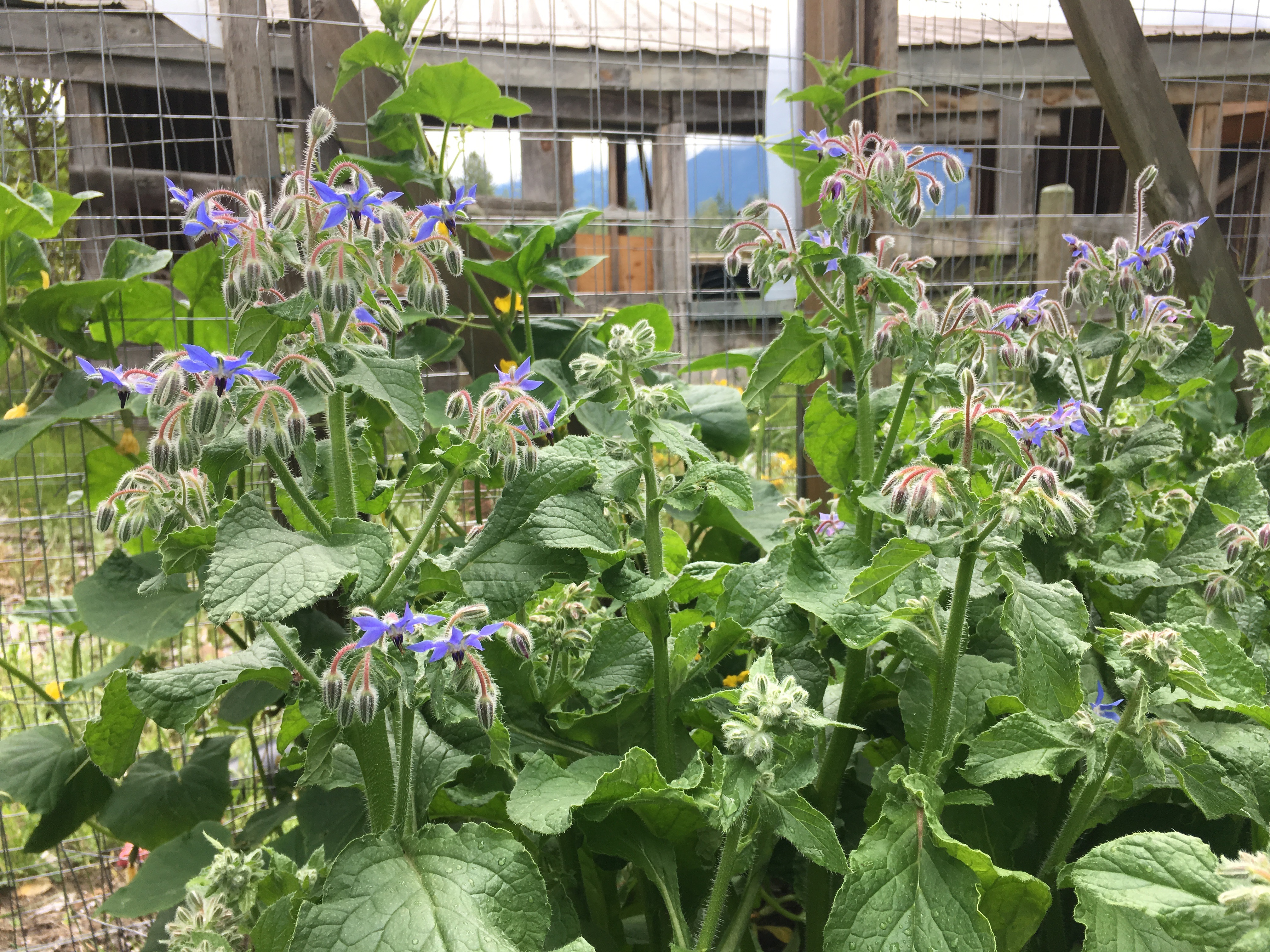
    I have mentioned that kohlrabi was the undisputed heavy-weight champion in my garden but my Borage babes blew my mind; turns out they’re MASSIVE! They helped pollinate my butternut squash and many other things in my garden, plus the flowers were delicious in salads. This year I trained my squash to grow along the fence in hopes it would take up less space overall. As it turns out this move was a game changer. I will incorporate this method next year as well, perhaps to even shade something that requires less sun. And for the bee’s sake, borage will forever be in my garden regardless of the space it takes up.


    You know you’ve made it to the big time when your whole pasta sauce has been sourced from your backyard… I mean it’s SO good you want to share but really not really. Last season was the first year where I grew my own Roma tomatoes, celery, carrots, garlic, onions, basil, rosemary, thyme, oregano and cayenne peppers. I basically vowed from then on this was the way forward every year; always plant enough to make sauce for Dbot. I will also openly admit I have a love affair with fried green tomatoes served with soft poached eggs – you would too, if you’ve had it. Never underestimate the power of a green tomato.


    Does your cilantro bolt like crazy in the heat of the summer even if you’re giving it shade from the hot afternoon sun? No problem. Let them bolt and go to flower. The coriander seeds born from the delicate white flowers will produce the best ground version of this spice you’ve ever had. I guarantee you’ll start to plant cilantro just to let it go to seed!


    Fall is also the time when members of the brassica family shine. I remember being amazed when I learned how Brussel sprouts grew, so they became a yearly addition to my garden (just be sure to give them plenty of space). New this year was Savoy cabbage grown from seed and it’s sure to make my cabbage rolls go from A+ to A++. Another tip for cabbage is to space out their planting times then you don’t end up with a whole bunch at the same time even though they keep quite well.


    Flowers… I will plant way more flowers in my garden next year both perennials and annuals. Some of my perennials are ready to split which benefits both the plant and my wallet. Plus, having fresh cut blooms in my house just makes me smile.


    I feel like I could carry on for a long time but as I write the weeds are still growing and they sure aren’t picking themselves! So I’ll just leave you with this last photo that I call, “The Mushroom that had all the Thyme in the World”. #dadjoke #sorrynotsorry

    IMG_5862

  • Sky Camp Kohlrabi

    Sky Camp Kohlrabi

    There’s something to be said for being in the right place at the right time.

    Over the consumption of tasty beverages at the Beer Farmers, my girlfriend was casually asked if she’d like to host a bunch of mountain bikers at Sky Camp (one of Tyax Adventures’ most balling backcountry locations). She was quick to mention that I could cook and would be a great addition to the hostess-with-the-mostest team and it took me about 0.01 seconds to agree to this union. As of yet I had only heard the tales of this remote location and recognized that it was an opportunity one should not shy away from.

    Allow me to create a visual for you: Board a floatplane that takes you deep into the South Chilcotin range to a fully set-up cabin. This location comes complete with wood-burning sauna, canoes/kayaks/paddle boards, hot showers, the sound of loons atop a lake full of trout, adventure Crocs, old school board games, guest tents stocked with flannel sheets & duvets and nothing else but the silent sounds of the forest. Everyone in favour of glamping, raise his or her hand! Easily 90% of you just did.

    A simple, delicious menu was drawn up for us and I couldn’t help but raid my garden for a few extras to tie in to the plan. My spare time has taken a hard hit lately (aka neglected garden) and there are a few species that have gotten massive due to this lack of maintenance – or someone has secretly been feeding them steroids. So, may I introduce to you the current, uncontested, and very underrated, heavy weight champion of my garden… kohlrabi.

    Out came the biggest bulb, a leek, the dried coriander seeds from my bolted cilantro plants and a cured garlic bulb; all grown in my backyard and all destined to become a side-dish served with salmon. What follows is a rough outline of how I cooked it via an old school propane oven.


    • Pre heat oven to 375°F. While that is happening, lightly toast your coriander seeds then grind them with a mortar & pestle to desired texture.
    • Cut the kohlrabi into ½” cubes and place them into a medium-sized mixing bowl.
    • Add in some sliced leeks, minced garlic, the ground coriander, salt & pepper to taste and then drizzle with olive oil; tossing to combine.
    • Pour the mixture into a cast iron pan and place in the oven for 30-45 minutes. Make sure to take the kohlrabi out of the oven and stir it around every so often to avoid burning.


    The key ingredient for making this dish tremendous, aside from the fact it was grown with love, is the company it was shared with. For some it was their introduction to kohlrabi and that alone makes it a success.

    Sky camp is a magical place: you arrive unplugged and leave fully charged.

    IMG_5580

  • Gratitude

    Gratitude

    Mother Nature is neat. She gives and she takes: it comes down to how we choose react to each facet in our open relationship with her that matters. Seems odd to me that we’re becoming more accepting the smoke shows each summer and that the map of BC resembles the Lite-Brite I used to play with as a kid. Yet, there are still folks out there that say climate change isn’t real.


    This is only one of the reasons why I feel so strongly about the importance of growing our own food, saving seeds, choosing local and preserving. By teaching people easier ways to manage what they grow we can prepare for any surprises thrown at us, have a taste of summer all winter long and make difference.


    We are so lucky to live in a valley rich in good dirt for growing and farmers that know how to use it. Every time I pedal out the meadows for a meander I am in awe of the beautiful fields full of vegetables. The Slow Food Cycle that is hosted here every August come rain, shine or smoke is great for educating us on who grows what and other local goods available. Every year there are new and exciting vendors showing us what’s possible if you experiment a little in your backyard. But it’s in these simple connections where the subconscious is fueled with ideas and relationships are forged.

    So buy a big bag of carrots from Helmer’s, buy a bag of pickling cucumbers from Laughing Crow, go to the garlic festival this weekend, fill your growlers up at the breweries, stop at the food stands on the side of the road, heck, why not just join the Pemberton Food and Farm Facebook page to see who has surplus of fruit and veggies and take full advantage. Stock your freezer, stock your pantry and feel good about where your food has come from. You can definitely believe if it’s come from anywhere in this valley it’s grown with love and that my friends will leave the best taste in your mouth.


    I am grateful that I love to garden (and seem to be good at it) and have the want to share my knowledge and I am so in love with this community… and, I am very grateful for Hazy IPAs on hazy days.

    IMG_5381

  • Making a difference one seed at a time…

    Making a difference one seed at a time…

    IMG_0349
    wemadethishome.com

    As Master Gardeners in Training, we are committed to volunteering our time in our local community to educate and answer gardening questions. We use science-based facts and we only share organic garden solutions. Our backgrounds and experience vary, but we all have something in common: the love for plants and gardening. Our title indicates that we are all-knowing… well, some of us are, and the rest of us continue to unearth the facts about all things botanical.

    In early June, I was asked by Sarah Jones from Stewardship Pemberton Society if I would speak about collecting vegetable seeds and pollination at one of their free garden seminars at the Pemberton Public Library, the library is home to the Seed Library for Pemberton. Immediately said “Yes!!!” The only caveat was my experience in seed collecting was pretty much, well, non-existent. However, that did not stop my enthusiasm to dig deeper into a topic that I am sure would come up one day at one of our Master Gardener Clinics.

    After much research and discovery, my confidence in the subject was better, but what impressed me more, was the significance of collecting seeds.  I had no idea the socio-economic impact that seed collection had on creating healthy food systems and people.

    Did you know collecting seeds helps to maintain seed health & resilience, better genetic diversity in our gardens, farms & kitchens, and can save you money?  It’s no wonder as a child, my grandmother was mortified when she found us playing with her seeds; destroying hours of painstaking work, not to mention affecting her ability to grow the lovely veggies we enjoyed throughout the year.

    IMG_0517
    Photo by Burcu Asvar

    Many of us buy seeds from seed catalogues or at our local garden centres.  Most seed companies nowadays sell F1 or Hybrid seeds that may produce seeds that are sterile or no seed at all.  If they do produce seed they may not produce true to type.

    If you can, choose to buy seeds that are open sourced; these are seeds that are not restricted by patents or other intellectual property rights.  This keeps our food supply secure for future generations (this is where the socio-economic impact comes into play).  Or better yet, take advantage of seed libraries in your community (i.e. Pemberton Seed Library).

    Open pollinated seeds are non-hybrid plants which are more genetically diverse, have a greater amount of variation within the plant population, and they allow plants to slowly adapt to local growing conditions & climate year to year.

    Collecting seeds requires some good planning as well as understanding the fertilization process.  Pollination is key for fertilization, and it’s different depending on the type of plant.  Some plants can self-pollinate (i.e. beans), while others depend on insects (honeybees being the most efficient) or by wind (i.e. corn).

    Before you start to collect seeds, you need to ask yourself the following questions:

    When it comes to Pollination…

    • Will these plants cross with any others? Is this good or bad? (usually bad)
    • How does this happen? (wind or insect)
    • What can I do to control this? Do I need anything?
    • Do I need a minimum of healthy seed? (do they breed as a group?)
    • Do they pollinate on their own and self-pollinate (need one only?)
    • Have I chosen the right plant for the seed?

    When it comes to seed extraction and drying….

    • Do I need to do anything special to the seed?
    • Is my seed well dried and labelled?

    The answers to these questions are different for each vegetable, and my recommendation is to get a good reference book on seed collection that will answer all these questions in greater detail. I have listed a few websites, and a couple of books at the end, that the Pemberton Library has ordered for its book collection.

    The process of collecting seeds is easily summed up in the diagram below:

    image005

    image007
    Diagram via real seeds.co.uk


    To maintain purity of seeds, they may require isolation through distance to prevent insect or wind contamination, time (being planted in stages so that the first crop sets its seeds and stops shedding pollen), mechanical isolation (i.e. using physical barriers to prevent unwanted pollen, like cloth bagging or caging), and/or hand pollination, which is the most commonly used method to produce pure seed.

    Choosing seed comes down to observing the whole plant and not just the fruit, checking for disease & insect resistance, drought resistance, trueness to type, colour & shape of fruit, flavour, etc.  Other factors include vigor and population size (saved from the greatest possible number of plants).

    The process of removing and cleaning seeds can include washing, drying; and some plants require fermentation first.

    Washing seeds (tomatoes) requires placing the collected seeds in a bucket of water, stirred with vigor to help separate viable seeds, strained, and dried on a non-stick surface (glass or ceramic dish, cookie sheet, or screen – not paper towel).

    Plants that produce seeds in pods (peas) or husks (corn) are usually harvested dry, threshed to break the seed from the covering, and any chaff or debris is removed by a process called winnowing (wind).

    Storing seeds is the final stage of the process. Glass or metal jars, zip lock bags, paper envelopes provide air tight homes, and make sure to keep the seeds away from heat or moisture. Ensure they are clearly labelled and stored in a cool, dark place where there is minimal temperature fluctuation.

    IMG_0518

    I want to thank Sarah Jones (Stewardship Pemberton Society) and Lisa Richardson (Traced Elements) for asking me to share my new-found appreciation and knowledge about seed collection. I have an utmost respect for those gardeners and farmers who have been collecting seeds and who are able to pass down their seed from generation to generation. According to the United Nations Food and Agricultural Organization, we have lost 75% of our diversity in our agricultural crops since the beginning of the last century. Having a seed library and sharing our seeds within our community plays such a significant role in the health of our food systems, and is good for our mind, body and soul.

    Happy Seed Collecting everyone!

    Resources:

  • The Power of Rotation

    The Power of Rotation

    Sounds like a potential math write up but you’re wrong. (I would never do that to you or myself.) I will quickly remind you that I did well in said subject thanks to my dad but generally I don’t care for it… for the most part I’m a pocket calculator gal. So, let’s explore the awesomeness of rotation in a few other ways through a couple quick examples: the wheels on my bike rotate and take me to all sorts of cool places, my car takes me to work so I can afford a bike to take me to all these cool places and well, we all take a trip around the sun every year (whether we want to accept that it results in aging is a whole other conversation).

    Regardless on how you define rotation, the point is – it’s good: a chance to roll past the old and explore the new. Now, let’s apply this mentality to our garden.

    IMG_4740

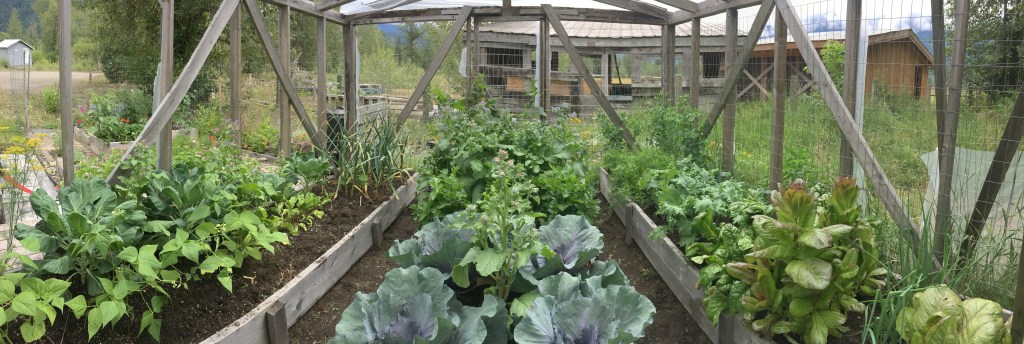
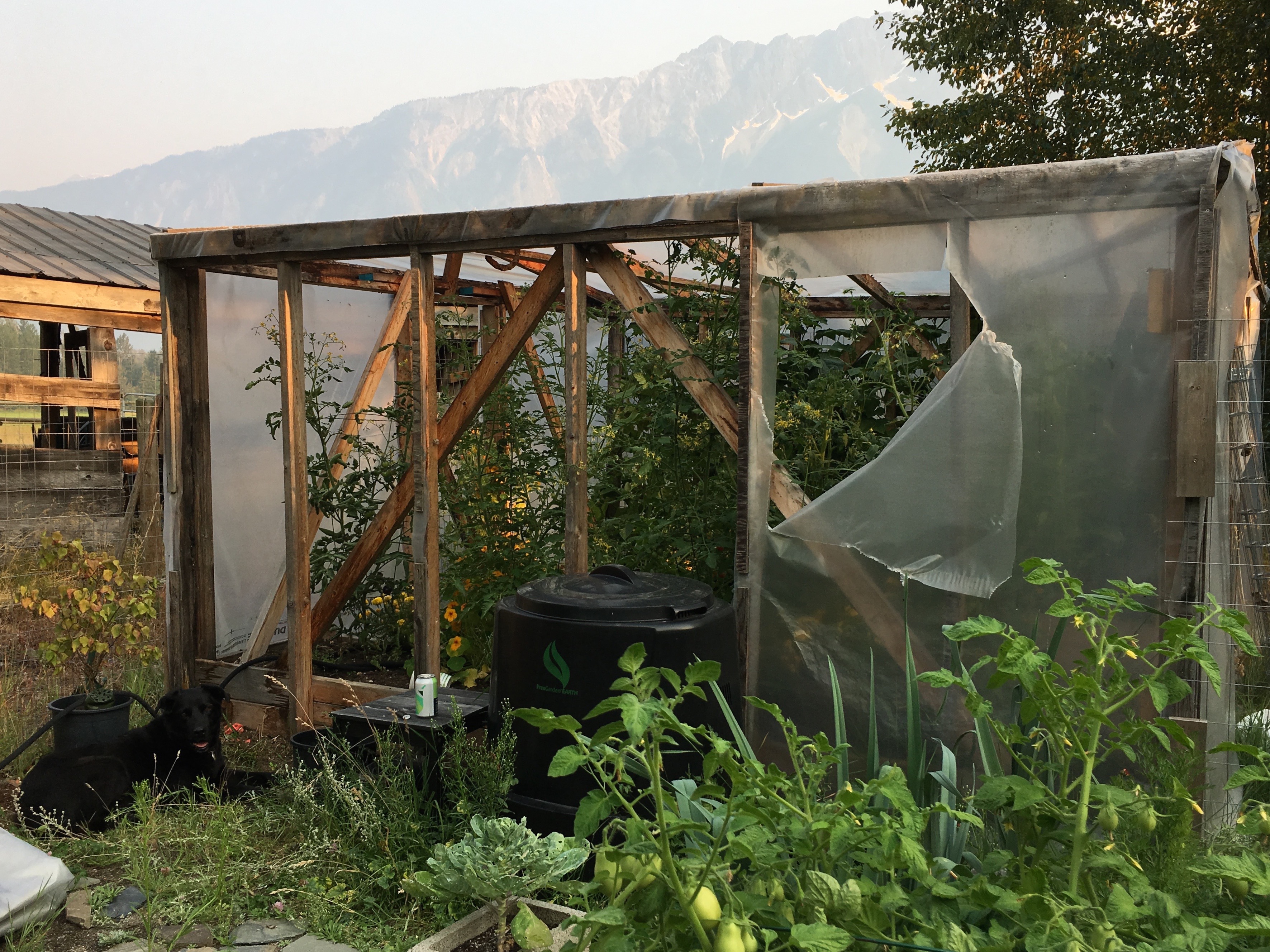
    When I moved into our current location all that existed was a greenhouse for garden space. From what I could tell the only items that had been planted in there were tomatoes, peppers, basil and cucumbers (basically, all the standard greenhouse lovers). However. Over the last couple years I began to realize that the greenhouse location was kind of shady due to the rise of the surrounding cottonwoods and things weren’t thriving as well as they should be.

    Then spider mites appeared last year… they even attacked my marigolds. I mean come on: marigolds! They are supposed to be the shit – indestructible. This led me to realize that change was mandatory. So, down came the plastic walls of the greenhouse late-ish last summer and a ton of Sea to Sky Soils compost added in the fall.

    IMG_0491

    Long story short what I’m trying to get across is that planting the same thing time and time again in the same zone is no bueno. Enter the rotation factor here.

    There is a simple crop rotation scheme that follows; legumes-greens-roots-fruit. Of course there are tons of don’ts and cans and “rules” that apply to make it not so simple. For instance: potatoes are considered a root and tomatoes are fruit but because they are from the same family they shouldn’t follow each other, they could harbor similar disease and pest problems for the next crop. AND THEN, if you add in the companion planting aspect it can get real strange. Here is a simple plan I came up with for an assignment that demonstrates what a 6 crop rotation could look like.

    IMG_4863

    My “greenhouse” is now the greenest it’s ever been thanks to my decision to open it up and plant a bunch of greens, roots and legumes. But I think the thing to remember is that well, any rotation is better then none and adding organic matter into your beds is a surefire way to add nutrients back in and no future plant is going to disagree to that.


    Stay thirsty for garden experimentation my friends!

  • RJ

    RJ

    IMG_4330

    AKA Mr. Moran, Randal John, Miracs or simply – dad.

    My green thumb has been inherited through a long line of amazing gardeners. I am just barely starting to scratch the surface of my mom’s flower power, but I’ve been in deep with my dad’s veggie garden sense for longer then my subconscious knows. Most likely my conception is the root of my problem, this gardening obsession of mine.

    RJ, as he’s known to most, is a “retired” teacher: one of the best. His forte is math; a subject I grew up hating, which inevitably led to a few tears at the kitchen table over algebraic equations. Overall I did well at. It’s also not a coincidence that my initials are 3 M’s. He is full of dad jokes, he is an athlete, he is highly involved in the community, he landscapes on Lake of the Woods with his other “retired” friends during the summer and he’s always up for a good time.

    When it comes to gardening dad is a full experimenter.

    Like father, like daughter.

    Since being gifted a pocket calculator or I mean cell phone, RJ’s “we’ll see” experimental attitude has become even more evident and I love it every bit of it. (Small back-story; dad used to drill my brother, our friends and I with math problems because a calculator in our pocket was something we’d never have… so, this is a big HA! told you so moment that I’m taking full advantage of.) Really there is too much awesomeness to share and well… perhaps it’s best we keep some family secrets but allow me to enlighten you with a couple excerpts from text messages complete with photos.


    “Trying something new grinding egg shells and coffee grounds putting them in the tomato holes.”

    “Also tried some with an egg in the hole. Keeping track of which ones got what.”

    “Planted some corn and am experimenting with Epson salts on every second row – again, we’ll see…”

    “And finally my parsnips from last year that I leave in all winter – so yummy!!!”


    Of course, there are the show-off photos. Dad and I have been firing pictures back and forth of what we’re growing and what’s ready to eat regularly. Rj’s last photo was of what he collected for a TRUE garden salad for dinner, claiming that icicle radishes might be his favourite at the moment but he’d like to try growing the spicy purple daikon variety I‘ve got in my plot. I’ve even been able to share video walkthroughs of my garden. Basically, we each get to live what’s in our respective gardens in a matter of seconds even though we are 2,427km away from each other: technology is very cool.


    IMG_4281
    RJ’s TRUE garden salad


    Perhaps the best part of RJ’s massive garden is that it’s always open for foraging to neighbors and friends. Growing more then he and mom can eat really goes to show that when you’re passionate about something and you can share it with others you get the best of both worlds.

    I already know that I’ll have a lot of vegetables to share this summer as I have planted more than two of us can eat, but I’m happy to carry on this family tradition out west.

    After all, I’ve been taught by the best.

    IMG_4333


  • How do you explain a seed to a three year old?

    How do you explain a seed to a three year old?

    “Tell me more about seeds,” asked my three year old, way back when. It was spring. We’d been mucking about in the dirt all morning, depositing tiny treasures in the warming earth.

    IMG_5422
    Now 5, even more helpful on the seed front.

    IMG_5434IMG_5438IMG_5439

    A seed is an inkling, I wanted to say. It is its own ambition and instruction book, all bundled into one. It is a packet of information. It is your heritage and your birthright, little man, even though you are inheriting a world in which the control of more than half of the world’s seed stock has fallen into the hands of a few mega-chemical companies. Some people call that bio-piracy. But I don’t want you to know about this yet. Because thinking too hard about these things makes me want to crawl into bed, pull the duvet over my head, and refuse to get up again.

    But you, Small, you make me want to sit on my haunches in the warming earth, with some trowels and forks and little packets full of seed. You make me want to cajole a beautiful harvest out of the little square of world I find myself inhabiting, and so, every spring, we start at it, with just a handful of seeds and a fistful of hope.

    IMG_3745

    And by this time of year, I look at the Life Force asserting itself in my garden, and feel it coursing through me, as I pick strawberries, admire the calendula, tug up a radish, measure the height of the sunflowers just by standing next to it and gazing up… Hope. Hope. Hope.

    (And weeds. Of course. Let’s not get too precious.)


    “Every young person should recognize that working with their hands is not a degradation. It’s the highest evolution of our species. Start a garden. Create a playground in the way you grow food. Save seeds. Cook. Create community. We are not atomized producers and consumers. We are part of the Earth family. We are part of the human family. We are part of a food community. Food connects us. Everything is food.” ~ Vandana Shiva

    Thank you to Evelyn Coggins for sharing this video with me.

  • Is oregano worthy of your love?

    Is oregano worthy of your love?

    I never buy herbs.

    With the exception of cilantro – of course. And basil. But only during basil season.

    I used to spend big bucks for that recipe that needed two, yep two, sprigs of thyme. And I’d think to myself, what the hell am I going to make now.

    I couldn’t eat roasted cherry tomatoes with goat’s cheese, thyme and lemon on fresh pasta all week (a recipe ripped from a friend, which may have been ripped from the internet, which could probably be re-ripped from the internet through the Googling of the list of ingredients, if by chance one’s taste buds are tingling at the thought).

    Herbs - thyme (1 of 1)
    Lemon Thyme

    Invariably, thyme, rosemary and oregano went to waste in my fridge.

    It wasn’t long before I got wise to how easy it is to grow a pot of herbs. And not long after that did I realize herbs make for an amazing rock garden display – even in my frigid and often sun-challenged sideyard.

    The shapes, colours and smells in my rock garden have changed immensely over the years.

    Herbs (4 of 8)
    Lemon Balm

    I have fewer traditional flower garden flowers and an abundance of lemon balm, lavender, rosemary, oregano, chives, mint, tarragon and thyme. Most return each year. Each dependant on the winter weather.

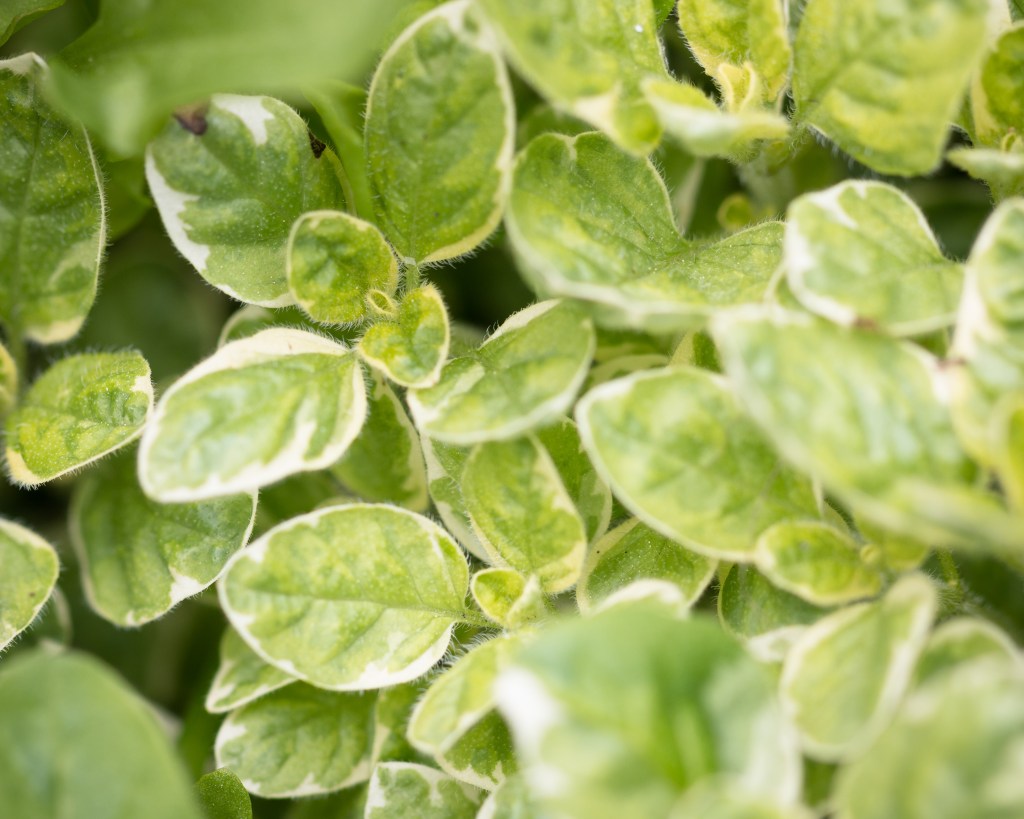
    Although my favourite trailbuilder often suggests oregano isn’t worthy of the dirt it rests in, the bees love it — especially when it flowers.

    Oregano shadow digi (1 of 1)
    Oregano Flowers

    And I think the oregano flowers look stunning once dried. And so does @therocketnarcissist, but he never makes the oregano connection. Nor do I remind him.

    Today, was a bit damp, but it didn’t stop me from getting eye level with a few of the lovely herbs that make up my rock garden “passion” project.

    I like mornings best. The light is gorgeous. The bugs are sleeping in.

    Herbs (3 of 8)
    Chive Flower Buds

    The only downfall is the need to watch out for the banana slugs on your way through the garden. That slime is certainly the most unpleasant thing about gardening. It’s disgusting.

    ~

    Lisa Severn lives in Pemberton South South (aka. Emerald Estates) with her trail-obsessed “husband”. Pembertonians can be seen around town asking Dan and Lisa, “So, what are you doing in Pemberton, again. Did you move here?”

    ~

    Follow Lisa @rhubarbstreet for more of her food photography. Click for more on Lisa and her co-conspirators… err… co-contributors.

  • May Two-Four

    May Two-Four

    There are essentially a couple groups you would’ve fallen into this past weekend: camping, working or planting your garden (ideally a combo). No doubt in my younger years I was way more into packing the truck with a tent, sleeping material, coolers full of beer, sausages, buns, ketchup, cans of beans and chips – lots of chips – and getting the hell outta of Dodge. Now as I age “gracefully” my focus has changed or maybe temporarily wandered and there is also that work thing. The exception is chips; there will always be lots of chips.

    But let’s focus on gardening… What is it about the May long weekend, no matter where you are in Canada, it’s viewed as “the time to plant your garden”? Surely it’s some sort of phenomenon or maybe a myth.

    Firstly, I’d like to draw your attention to a key fact. Our growing zone here in Pemberton is radically different from that of my family in Kenora, Ontario and those in Nova Scotia and Newfoundland. Yet, we all assume it’s totally kosher to plant tomatoes and basically everything else outside the same weekend. We can all also agree that one of our garden’s biggest nemeses is frost. So really, by accepting this planting time frame we are all pretty much assuming that frost is off the plate as of May long weekend. Hereby committing our plants to a life outside producing us a bountiful harvest.

    It’s as if the universe is giving us a chance to all exist on the same plane for a mere moment in time; I’ll take it.

    Here in Pemberton the mercury levels on our thermometers have been reading higher then normal for May. Which has made it easy to get crazy and just start sowing things. And, of course, I am all for this and 100% participated. It speaks to that whole experimental element in gardening that I love. You just have to be ready to face the fact that some things may not survive. Like a game of Monopoly; sometime you pass go and collect $200 and sometime you go to jail. I’m willing to bet the vegetables that prefer the cooler growing season of spring are probably wondering this year like the rest of us why it’s July’ing in May.

    IMG_3880

    Early direct sow experiment with Borage… Status: alive & thriving. Stoked to have this gem in my garden this season.

    Don’t get me wrong, I’m not complaining about the sunshine and the extra early lake dips but I am hot and bothered that my garden already needs to be watered twice a day… I genuinely miss Spring – She was super cool.