Category: farming

  • Honor Thy Weeding

    Honor Thy Weeding

    It’s funny how life can throw us curveballs when we least expect. Call it coincidence that I have struck out during a season that literally celebrates rebirth and renewal. But as the saying goes; everything happens for a reason. What has kept me sane is my garden.

    When you’re forced to slow down in a life that is typically robust it’s truly hard to cope – every day brings new challenges. Many of which I am not comfortable with and have had a hard time accepting.

    So, what does an active gal do when forced to step outside of her skin and just be?

    She sits with her garlic. She weeds. She envisions where all the little seedling starters will eventually go and thrive. She checks on these seedlings at least 20 times a day. She walks and appreciates the revival of the forest after a long winter. She watches the ants. She buys plants (retail therapy for the win).

    IMG_2968

    A calming sensation genuinely lifts me up when I’m gardening. It’s my therapy. No stress involved – just the dirt and me. It has always been this way: before I was concussed, now while I’m concussed, and indefinitely when I’m past it.

    There is something to be said about stopping to smell the roses. Going back to the simpler things gives us a greater appreciation of the bigger picture. Through my minor setback I have learned the importance of this phrase and will celebrate it beyond my recovery. Gardening has an effortless way of healing.

    Spring. I surrender my ego to you… and the weeds in my garden.

  • Smells of spring, sweat, and soil

    Smells of spring, sweat, and soil

    It would not be an exaggeration to say that I love all the seasons. Apologies if anyone finds this level of optimism off-putting, I have been told it can be a bit much. I think farming demands it: to anticipate each season’s arrival, to enjoy the process, and to be thrilled to see one go in order to welcome what comes next.

    Spring is all about smells. After a winter of snow and soup and spreadsheets about farm planning and field layouts and budgets, it is so nice to smell dirt. Or “soil”, depending who you ask. I did not grow up on a farm and only started to dabble in it as a profession within the past decade, so the novelty of spring has not yet worn off. I hope that it never does.

    This will be the third growing season of Four Beat Farm here in the meadows, and I would be lying if I said that I felt ready for it. But that’s the great part about farming and growing food—often the best option (the only option?) is to jump in before you are ready, because nature does not wait, and if you procrastinate too long to till or plant or weed or water or harvest then it may be another 365+ days before you can realistically try your hand at growing that particular crop again.

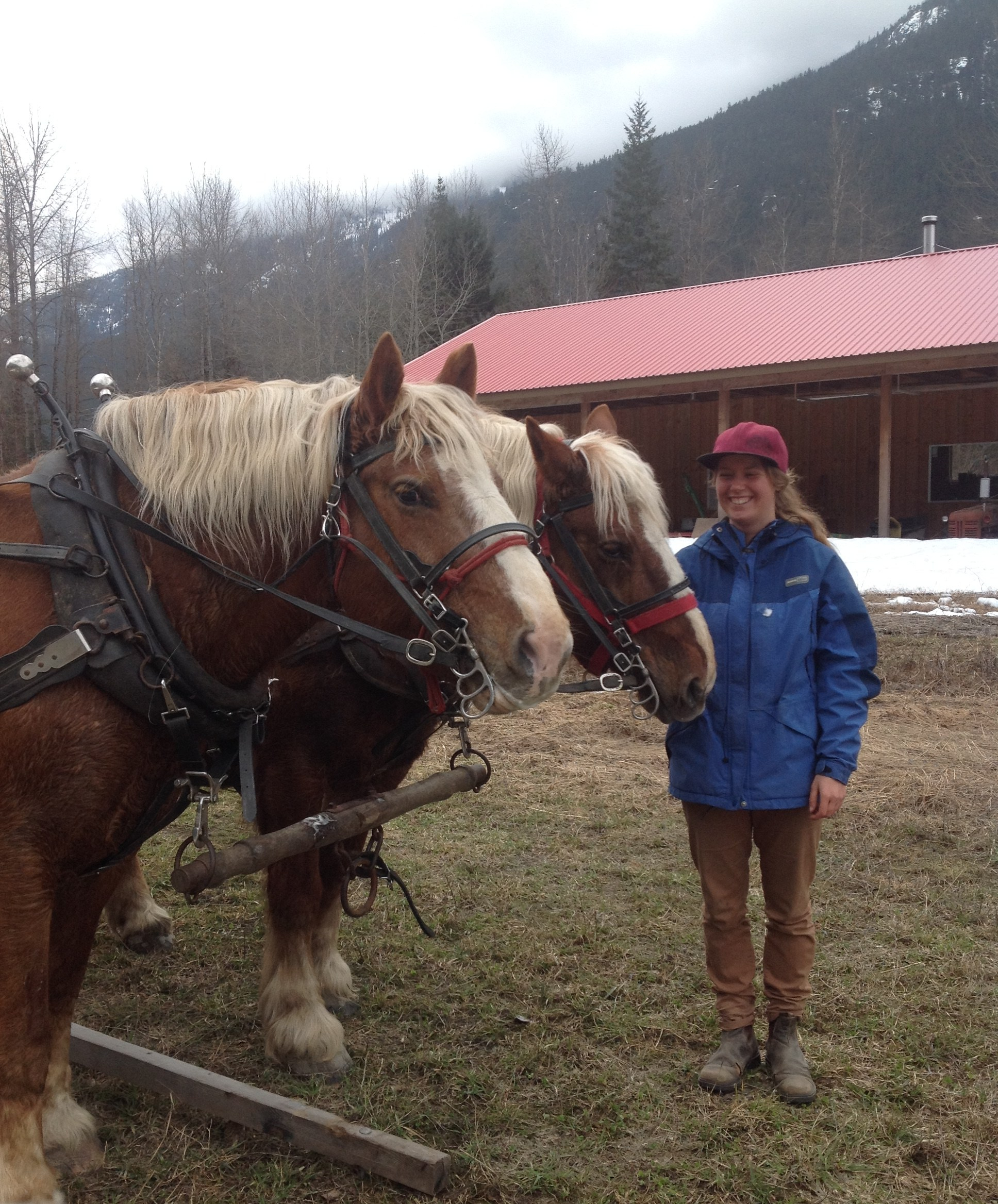
    Right now, spring smells like freshly turned earth, compost, and sweaty horses who, along with their farmer, had a pretty quiet winter. Call it lazy, call it restful, either way the sudden workload of April can be a shock to the system. Thank goodness for variety. For every hour that is spent moving fresh manure into the greenhouse to keep it heated on cold nights, there are taxes to finish, cultivators that still haven’t been repaired, onion seedlings that need haircuts, and horses that appreciate an afternoon head scratch as their muscles rest after morning fieldwork.

    IMG_2890

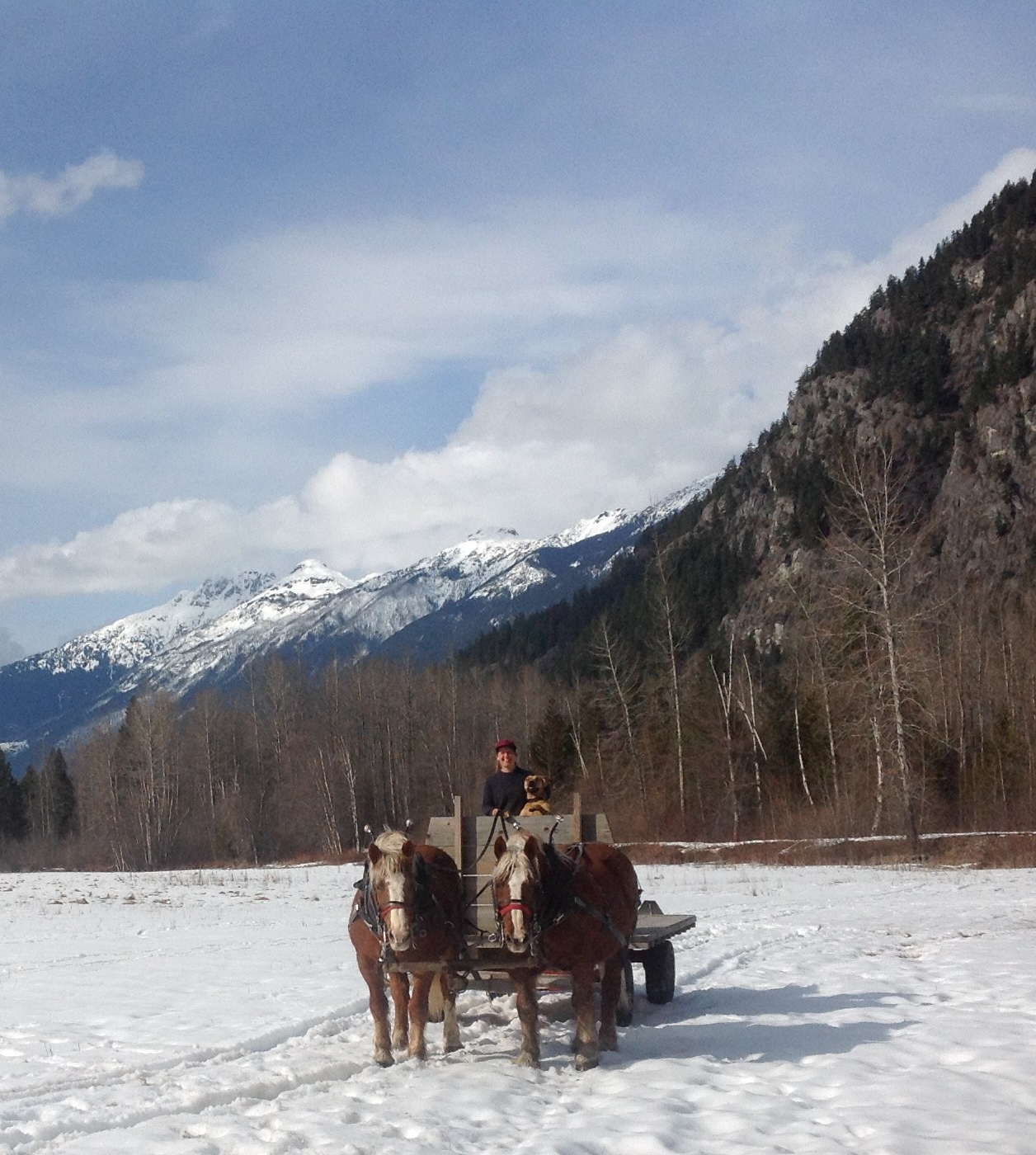
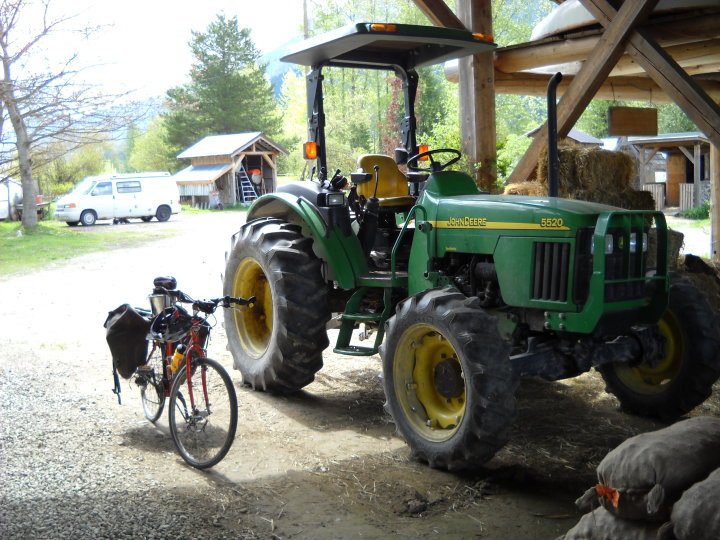
    When it comes to fieldwork, plowing with horses is slower than with a tractor, no arguments there. Our ever-improving farming systems for 3ish acres of certified organic vegetable seem to be functioning adequately throughout the summer season with the two horses at hand, often called a “team”. When people want to talk about it (or even when they don’t), I can and do enthusiastically chatter on that there are many jobs on the farm that horses do on par or better than I have seen done with a tractor. This is without even getting into the added benefits of having two 1600lb colleagues who eat local fuel, constantly produce compost, and bring a level of determination and sass to the field that I have yet to see in a combustion engine.

    IMG_2857

    For this year’s planned spring tillage, however, which will allow for better crop rotation and attention to soil health, our current two horses are fully employed and could easily share the workload with two more given our short and intense growing season here in the valley. So, as in past years, we as a farm leave the option open to phone one of our many generous neighbours to bring in some extra horsepower for big jobs.

    On a practical level, getting a few hours of custom tractor work here and there feels more efficient than feeding and caring two extra animals who are only going to work for a few weeks out of the year. I drawn parallels with fellow small farmers who might choose to rent heavy machinery for excavation projects, or how it can make sense to have a small car for your family and borrow a neighbour’s pickup truck when you need to bring home a few loads of compost to kick off the gardening season.

    When weighing the options, I have to remind myself that we are a young farm that is in the business of growing food for our community, and that there are many ways to best do this. That said, if someone in the valley has a well-trained team of draft horses I can borrow to spell mine for a few days when their shoulders get sore, feel free to drive up the valley and drop by.

    Our place is the one with plow lines that are not entirely straight, horses that still have their winter coats, and a hoophouse bursting with onion plants that are already dreaming of farmer’s markets at the community barn downtown.

    -Naomi

    IMG_2788
    Getting in shape, late March


  • A day off work is never really a day off

    A day off work is never really a day off

    Today is a Pro-D Day, which means no school for the kids, no work for me. I fell asleep last night excited about sleeping-in (I don’t want to brag but I am an excellent sleeper),  the kids were equally excited to sleep-in (I may have passed my excellent sleeping skills on to my daughter).  Of course, you all know what happens on sleep-in days.  I was awake bright and early.  The horses were galloping around and their thundering hooves was as good of an alarm as any.  They’re not small horses and the pasture is beside my bedroom, I could probably feel the pounding of their hooves before I heard it.  The sound of running horses is always a reason to leap out of bed and check that the gates were still closed.  Luckily they were only playing with each other!  Galloping, biting, rearing, kicking, striking, being magnificent and 100% contained in their pasture.  But I was now fully awake and ready to tackle a  few of my morning farm chores.

    the boys
    The boys: Banjo, Guinness and Taurus.

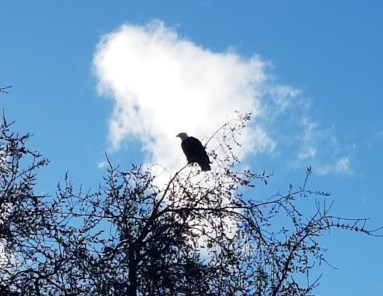
    I fed the boys their breakfast and headed over to my chicken “duplex”.  I had my flock separated, 15 on one side and 22 on the other side, until last night when my son and I moved the “chicks” (they’re now 7 weeks old and need more space) into the smaller side of the duplex.  I wanted to let the hens out into the run early now that there are so many hens on one side.  I opened the door to the coop as I looked up into the nearby Elm tree and there perched at the top is our new friend from yesterday, a massive Bald Eagle.

    bald eagle
    Winner, Winner, Chicken Dinner.

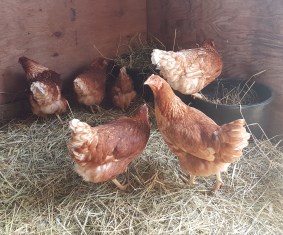
    Yes, he is magnificent.  Yes, he is majestic.  Yes, it is really, really cool that he is so close. Yes, I could watch him all day.  And yes, he wants to eat my chickens.  After a quick count of my flock, I am missing one of my beautiful new Bovans Brown pullets.  Usually I count them every night but I forgot to last night, fingers crossed that she missed curfew and found somewhere else to sleep but Mr. Eagle is suspect #1.

    Bovans.jpg
    My sweet Bovans Brown pullets.

    I spent about 15 minutes in the run with my chooks, talking to them and counting them, watching Mr. Eagle.  I managed to spook him out of the tree and watched him soar through the back field.

    I hope, for my flock (and my cat’s) sake, that he finds a river full of delicious fish and never comes back.

    I headed back into the house, emptied and reloaded the dishwasher and tuned off my 7:15 a.m. alarm.

    Time to put on a pot of coffee, it’s going to be a long day.

    Meg

    Once a farm girl, always a farm girl.

    Follow my farm adventures on Instagram @once_a_farm_girl


  • How spring taught the farmer that she was meant to be a farmer, before she realized it herself.

    How spring taught the farmer that she was meant to be a farmer, before she realized it herself.

    Like most non-farmers, I used to assume that nothing really happens on a farm during the winter.

    It took me around 5 years of working on one to realize that might not be true.

    In my case, during the early years of adult farming, I was able to slide back into my city life with no farm obligations once markets ended and the crop was sold out in October. Mom and dad were doing whatever needed to be done. Feeding chickens? Reading about farming? No idea. I was off the payroll. November, December and January were excellent months to live in the city and have an inside job.

    Spring in the city however, was depressing. It arrived early, starting with the first smell of dirt in February. While the farm itself was still safely covered in an un-farmable mixture of snow, mud and ice, each year my body felt the arrival of spring more strongly and it became more excruciating to have city obligations.

    In March, the cherry blossoms, crocuses and daffodils lined my bike commute and I would arrive very distracted indeed. April came with the awareness that potato planting time was just around the corner and my work quality slipped even further. I quit, probably mere moments before I was fired, earlier and earlier every year.

    I was unaware of the strength of spring. I wasn’t quite familiar enough with the process of farming to recognize how it was pulling my attention back to the farm.

    Today, I get it. In fact, this very day I get it. And I got it powerfully one month ago, on March 1st standing in the farm yard, surrounded by snow and mud, with the sun gaining the upper hand on the clouds, and its warmth on my cheeks that was strong enough to reach my bones.

    For that day, I felt spring, and with it, the inexorable pull to get to work.

    It’s still quite easily ignored, as the list of jobs that can reasonably be done given the muddy, snowy, rainy freezing and puddling conditions of March will be very short for weeks yet. Nonetheless, the process has begun, and I now get to enter the flow gradually. The key at this time of year is to do all the tasks available, as the snow recedes and the mud dries up. They are not many, but if they are not done, they will be added to an ever-growing list and before long, they will drop off the bottom of it. That’s exactly how we develop stress on a farm.
    17098688_10154786903366311_6466008105305997335_n

    I understand this now; I didn’t then. That doesn’t mean the compulsion to get to work wasn’t upon me. It was there alright, and it made me really cranky. While most people I knew in the city greeted spring with buoyant cheer, I became depressed, and couldn’t wait to get out.

    By year four, with the February sun streaming in through the office windows, I knew I was not going to make it much longer. At that time, I was pretending to be an Administrative Assistant in the head office of the big natural food store in town. I sat at the front desk fielding phone calls and health care plan administrative details. It wasn’t absolutely terrible: I got to organize all kinds of things and had worked on a few interesting projects for my boss- the friend who always had to almost fire me.

    Although still not able to articulate the effect of spring on my psyche, I was certainly no stranger to it by then, and I noted the arrival of spring with weary resignation. Instead of doing the work I was paid to be doing, I found myself planning another bike trip. By March I was well into it, in Australia, having a wonderful time. Bike touring noted as a very effective distraction.

    1011316_10152269056467565_209398247_n

    The city charade was abandoned in year 5. I still needed something to do in January, however, so I babysat my uncle’s cattle ranch while he took a holiday. There was certainly no issue with spring depression symptom triggering because it was minus 40 most of the time. I learned a thing or two about isolation up there.

    That February at the farm was glorious. Sunny every day, tiny little jobs to do here and there, and the freedom to move gently into the farming season. I still didn’t know very much about what I was doing, but at least I was doing something. And that’s half the battle.

  • Why Everyone Should Have Backyard Chickens

    Why Everyone Should Have Backyard Chickens

    With Easter here, I thought it fitting to talk about the true supplier of eggs. Bunnies get all the credit this time of year, but we all know we have chickens to thank for the ever so versatile egg. Although they may not be filled with chocolate there is not much that beats a fresh scramble with eggs that were laid that morning.
    image1
    6 years ago we made the decision to invest in chickens. Specifically, laying hens as opposed to meat birds or roosters. We were renting a house up the Meadows where we were cultivating 1/4 acre plot of land as a veggie garden. On the property was an empty chicken coop that hadn’t been used since our landlord kept a few birds many years before. It was a little rundown and being used as storage but we emptied it out and fixed it up. We have since then moved to Reid Road and were fortunate enough to be able take our chickens with us.
    To be honest I didn’t have the greatest memories of chickens. I remember getting chased around the yard by an angry hen and being pecked at by mean-looking rooster. Maybe we lucked out, maybe it’s the breed or maybe there is something to be said for raising your day old chicks but we have some of the friendliest birds. They LOVE to be petted, picked up and they are not afraid of people, dogs or cats. We let them roam free for most of the day and then when the sun starts to set, they retreat back into their coop and we lock them up for evening. I thought there would be a lot more chasing and wrangling involved but they seem to know where their home is and enjoy staying there (that or they know where their food is!)
    image5
    Roaming freely around the yard.
    It was a bit of a life adjustment and took a bit of getting use to caring for birds – cleaning the coop, collecting eggs every day, filling feed and ensuring clean water – but the benefits quickly outweighed the work. In six years of owning chickens, I think I’ve only purchased eggs from elsewhere once. We usually have eggs to spare and either sell them or share with friends and family.
    image3
    Olive deciding wether or not to share. Petey the dog and Dr Gre the cat coming to check out what’s happening

    Here is my list of benefits to keeping laying hens:

    • They compost for you! I keep a scraps bowl in my fridge and every morning bring it to the birds. Carrot peels, the tomatoes I forgot about and are now stinking up the fruit bowl, the stale bread that’s about to mould, aside from a few items the chickens will gladly eat it all. (We do not feed our chickens any dairy or meat products. There is also a list of fruits and veggies to avoid feeding your chickens such as citrus, grapes and mangoes)
    • They are incredibly entertaining. Have you ever watched a chicken run? It’s like peaking into the Jurassic age. And if you have children, chickens are a fantastic source of entertainment. Have you ever tried to catch a chicken that does not want to be caught? Well, kids will try for hours!
    • Not only will you waste less food (feeding your birds scraps) but the grocery stores will also waste less food. Did you know that at the Pemberton Valley Supermarket you can pick a banana box of the grocery store’s unsellable fruits and veggies? For $2 you can pick up a chicken box filled with an assortment of items that are perhaps a little too ripe or bruised but the chickens aren’t picky, in fact they are thrilled to see that box coming their way.
    • You know exactly where your food comes from. You know the living conditions of these birds and you know exactly how long the eggs have been sitting on your fridge shelf. This was a huge one for me. There are companies that advertise “free range” or “free run” by giving their birds an additional amount of space and a minimum amount of time spent outside but at the end of the day we just can’t really know how these birds spend their existence. (Of course, in Pemberton we are so fortunate to get access to eggs from trusted farmers, so I am speaking more to what is available at the grocery store.)
    • There is something so rewarding in caring for a creature. There are many reasons we keep pets, it has been shown that cuddling a pet can reduce stress, loneliness and anxiety. Chickens are no exception! Plus if you’re not interested in having indoor pets, chickens are a great alternative!
    • Chickens help keep the bug and slug population under control. If you do keep a home garden chickens can play an amazing role as a natural insecticide.
    • EGGS! Oh yeah! When was the last time your dog left you a tasty treat? Chickens are fabulous, you feed them, they feed you!
    image2
    An example of the contents of a chicken box from the Pemberton Valley Grocery Store
    When is comes to the coop there are so many amazing and innovative plans available online but here are a few essential features that every chicken coop should include:
    • Waterproof roof
    • A secure structure with a raised floor. Ensuring there are no holes that a mouse could fit through
    • Ventilation grills
    • Window(s) for ventilation and natural light
    • Nesting boxes
    • A roost of sorts
    • Lockable door
    • Fenced run using either chicken wire or galvanized wire
    • Heat lamp
    • Waterer
    • Food dispenser
    • Electric fence (optional but recommended)
    There are a few different options when choosing which laying hens to get and where to get them from. We are very lucky in Pemberton. Through the Animal Barn you can place an order for “ready to lay hens” meaning these chickens have been sexed and then the hens raised until a week or two before they are ready to lay.
    Another option is to get “day old chicks”. There are a couple hatcheries in the Vancouver area that offer both sexed or unsexed day old chicks and you can expect your hens to start laying around 6 months.
    The last option and my least favoured is to purchase day old chicks and have them sent through the mail. I won’t go into any detail on this one.
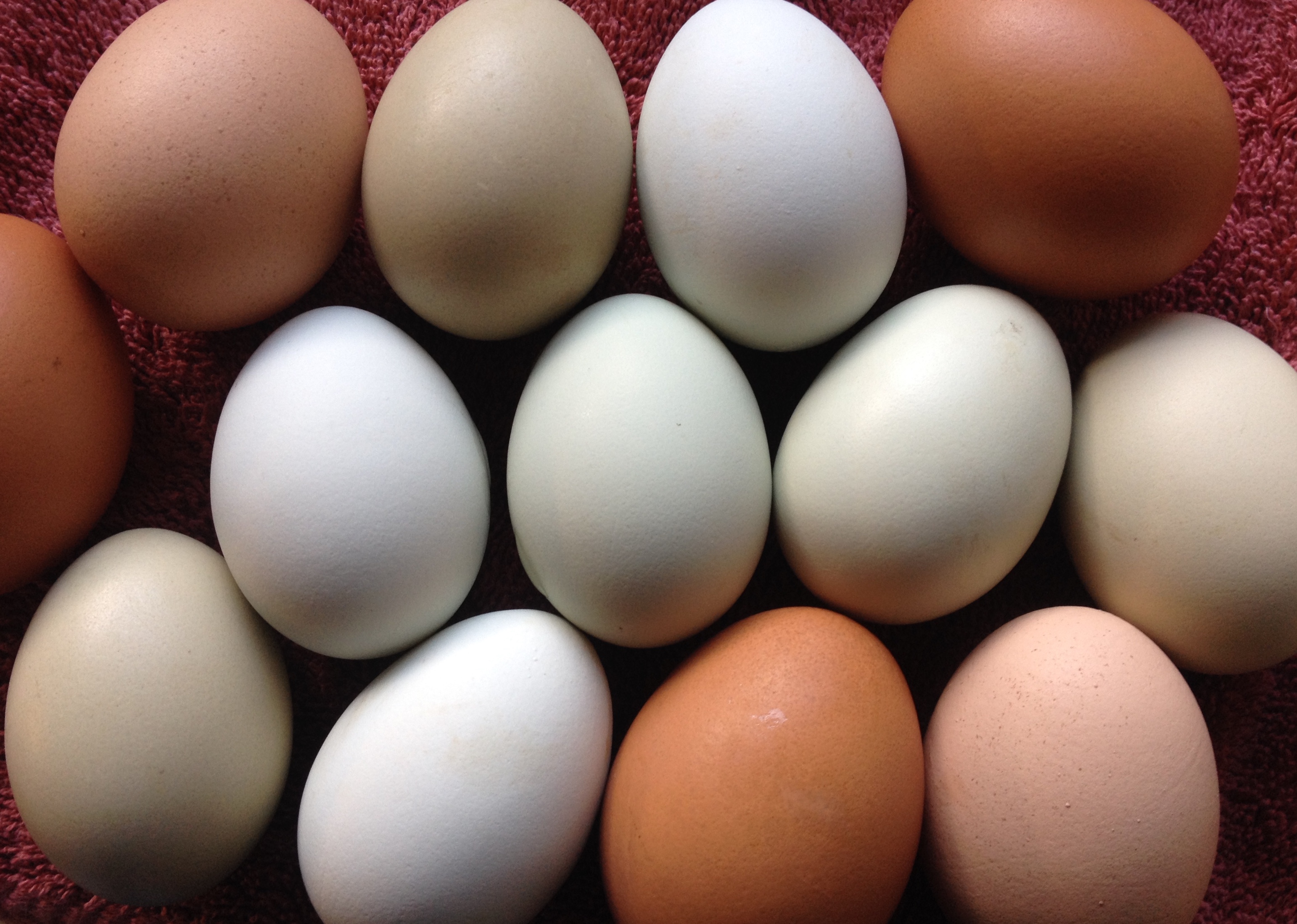
    We opted for day old chicks and we drove down to the Little Red Hen Hatchery in Abbotsford and picked up ten of the cutest little “Easter Egger” chicks. Easter Eggers are a breed of hen also sometimes called Americanas and they lay pastel coloured eggs sometimes blue, green, white and pink.
    image4
    Since then, we have purchased ready to lay hens through the Animal Barn and adopted a few stragglers around town that needed a home. We’ve grown our brood to 20 hens, each one adding its own personality to the dynamic. It was 6 years ago that we invested in laying hens and I can’t imagine my life without these feathery friends!
  • Alpine Cattle Drives

    Alpine Cattle Drives

    I ended the cattle drive around 1995. I couldn’t keep it up. It was too much work. We had a growing farm and a growing family and we just couldn’t justify it any more and it made me sad.

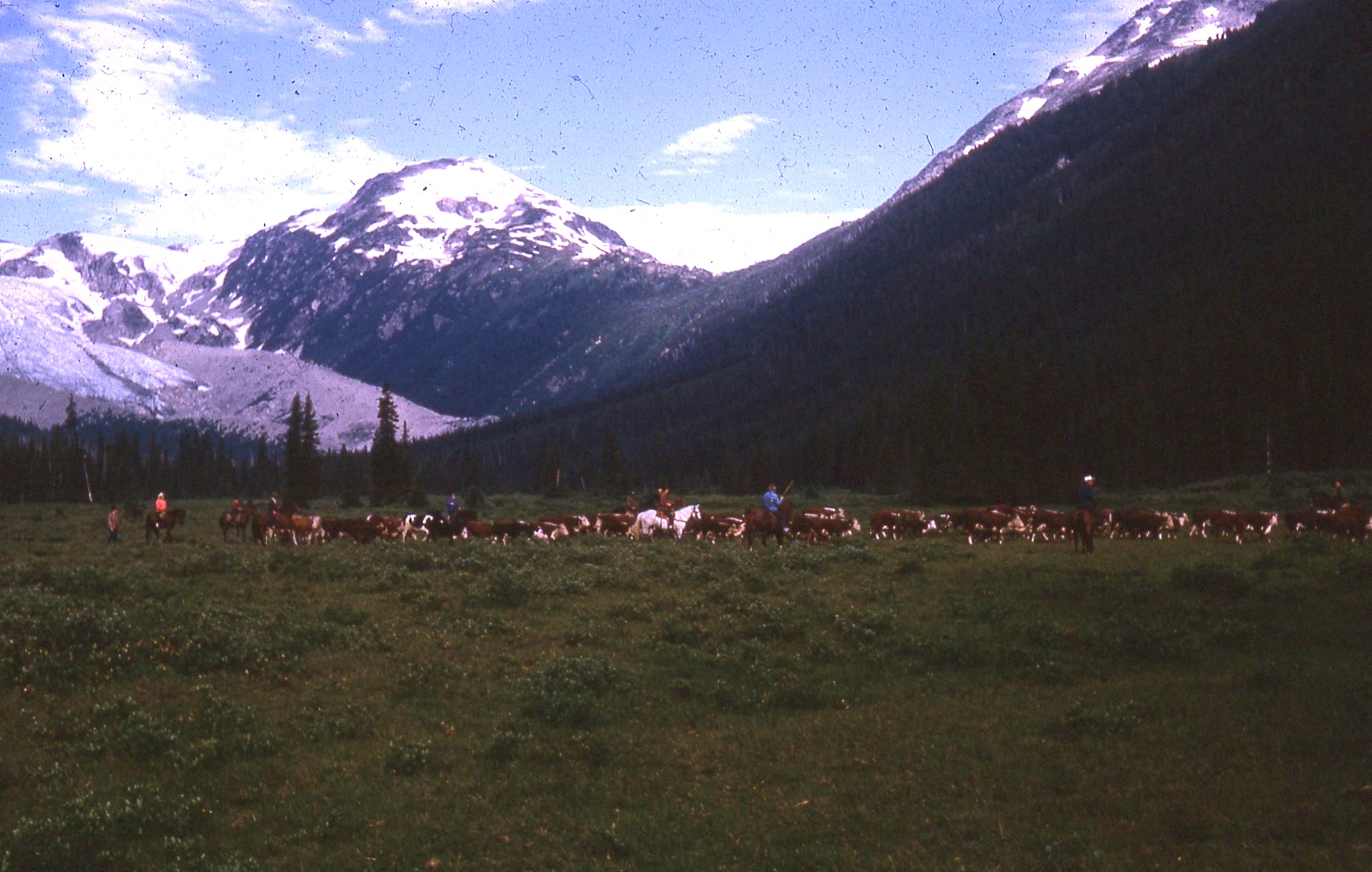
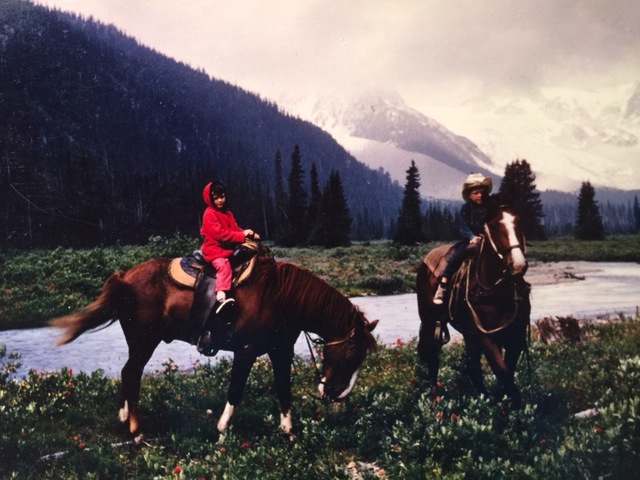
    When I was young, our every summer was spent driving our herd of cattle to alpine grazing at Goat Meadows (aka Miller Creek ). We thought it was normal for children to push big old bellowing cows up a mountain. We were little ruffians with rocks and sticks and running shoes. We darted and loped across the brushy hillside, cutting off escape, alway trying to make the cows think we were impassable.

    img029 Selma, Elsie & Bruce Tenquille.jpg

    Dad was alway there, in charge, and always at the back, patiently trying to instruct us on the instincts of cattle and how to use them to make this job easier for all.

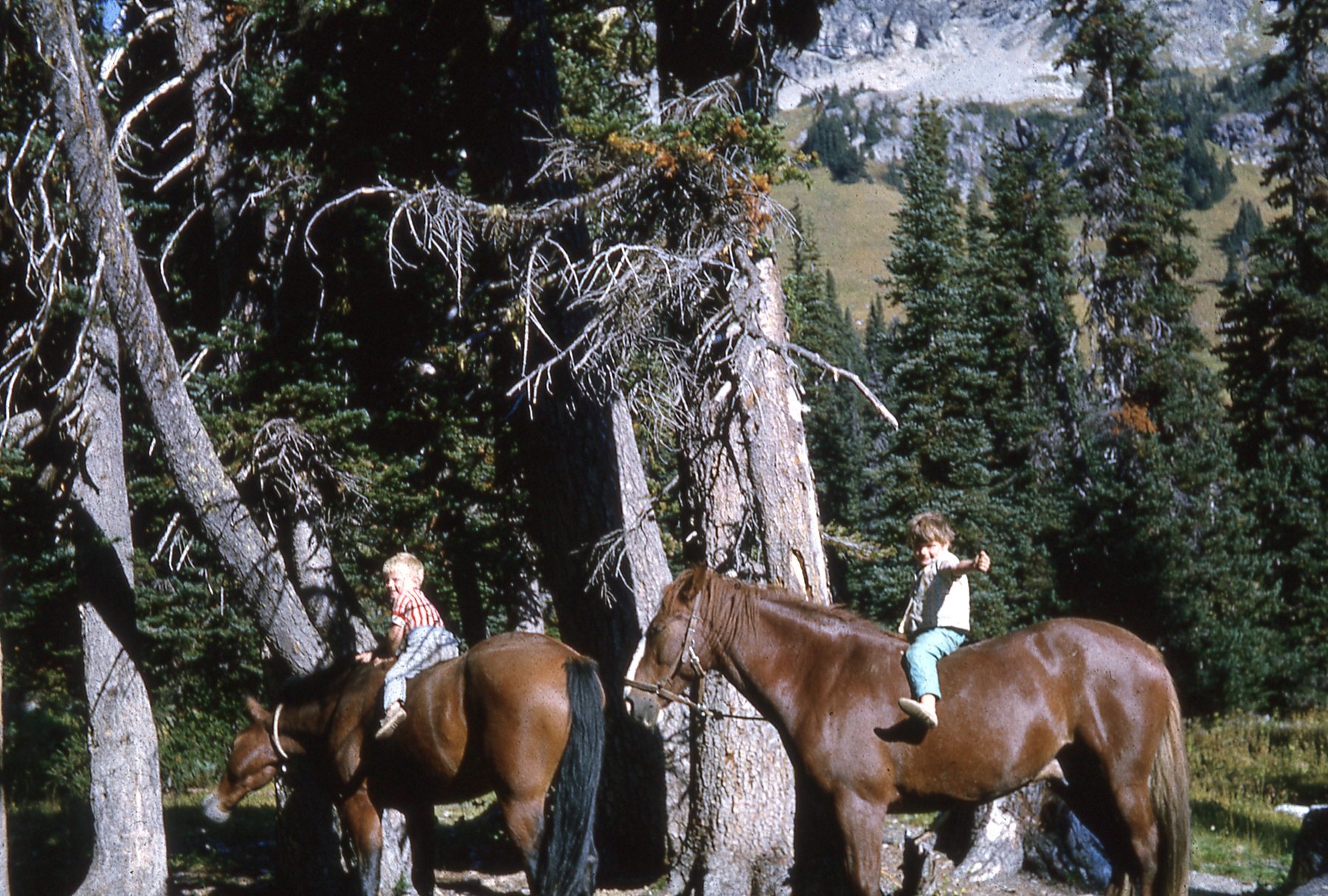
    When my sisters and I were small, we mastered sleeping on horseback double (although that may have been mostly me.) I remember how a horse’s shoe can turn the pitch black into daylight as they struggled in the dark on the steep rocky trail. We took a lot of these trips in the dark, after Dad’s work day on the farm was done. Our old workhorse type horses had no problem travelling in complete darkness.

    Image 14.jpg

    The cattlemen had a cabin in the Second Meadows where we would  camp and cook and play while the adults did the hard work of cutting out trails or building bridges.

    img037 lunch at camp on GM.jpg

    Our destination was the Third Meadow  which overlooks the Pemberton Valley. Our cows knew the way and once their memories of last year in the meadows kicked in, it became a slow walk to paradise.

    img017 driving cows at meadows.jpg

    Coming into the Third Meadows was uplifting – the smell was  amazing of alpine flowers and grasses. The view opened up to grassy Meadows, and far below at the end of the Second Meadows was the massive Miller Glacier which roared constantly on the breeze  lifting from the Second Meadows.

    Image 15.jpgimg010 Morgan in Snow.jpg


  • Patty B, Pemberton Wedding Duck

    Patty B, Pemberton Wedding Duck

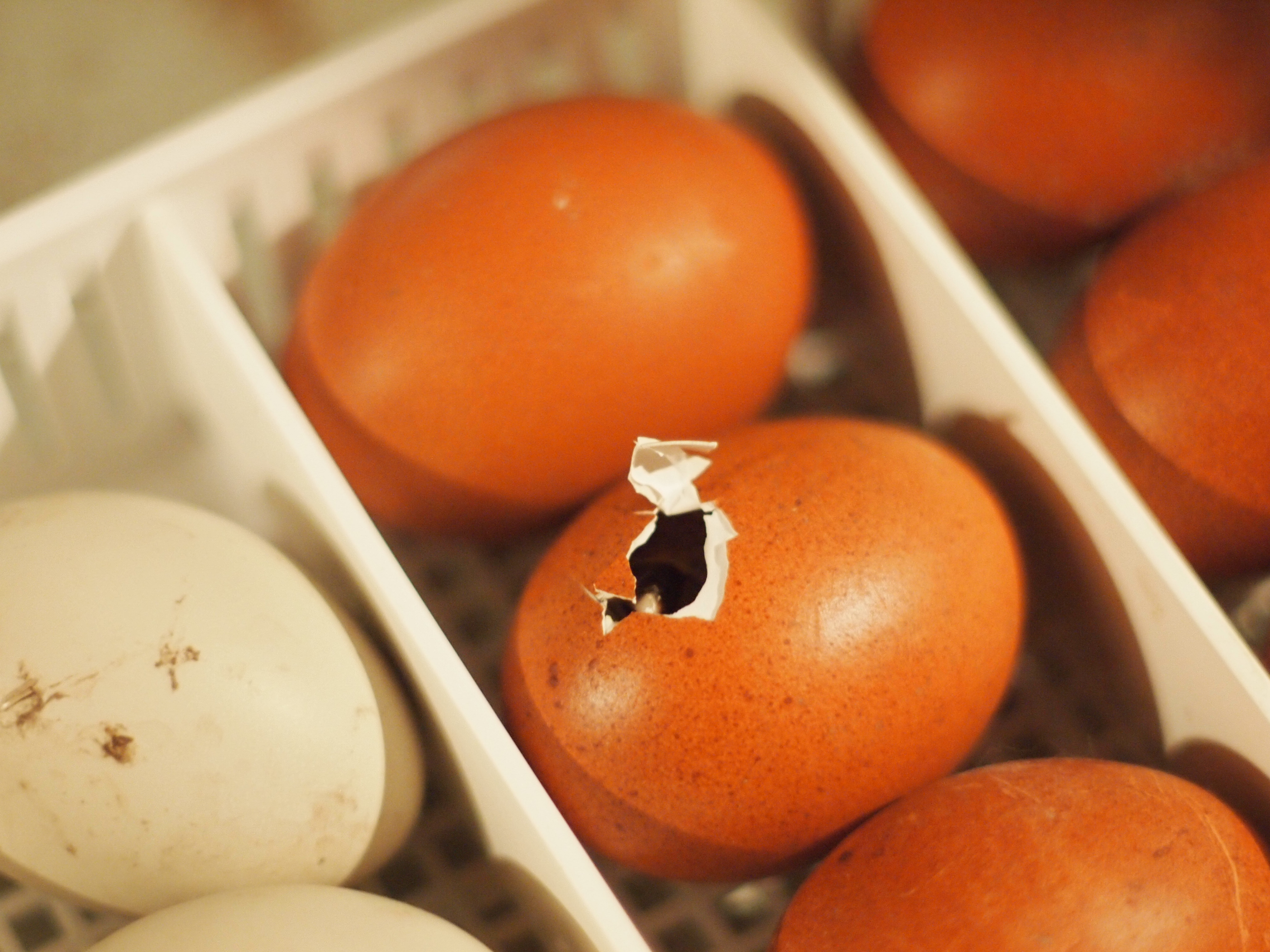
    The sounds of spring are in the air. Birdsong fills the yard, and the egg incubator hums in my living room. Every spring we carefully place colourful, fertilized chicken and duck eggs in the racks and wait patiently, until we can hear, with ears pressed to warm shell, the muffled rustles and faint peeps of tiny birds inside.

    OLYMPUS DIGITAL CAMERA

    The ducklings and chicks we hatch are egg layers – we generally won’t eat these birds, but sometimes a male duck will find its way into the oven. Our layers are almost like pets, and those with standout personalities or traits often get names.

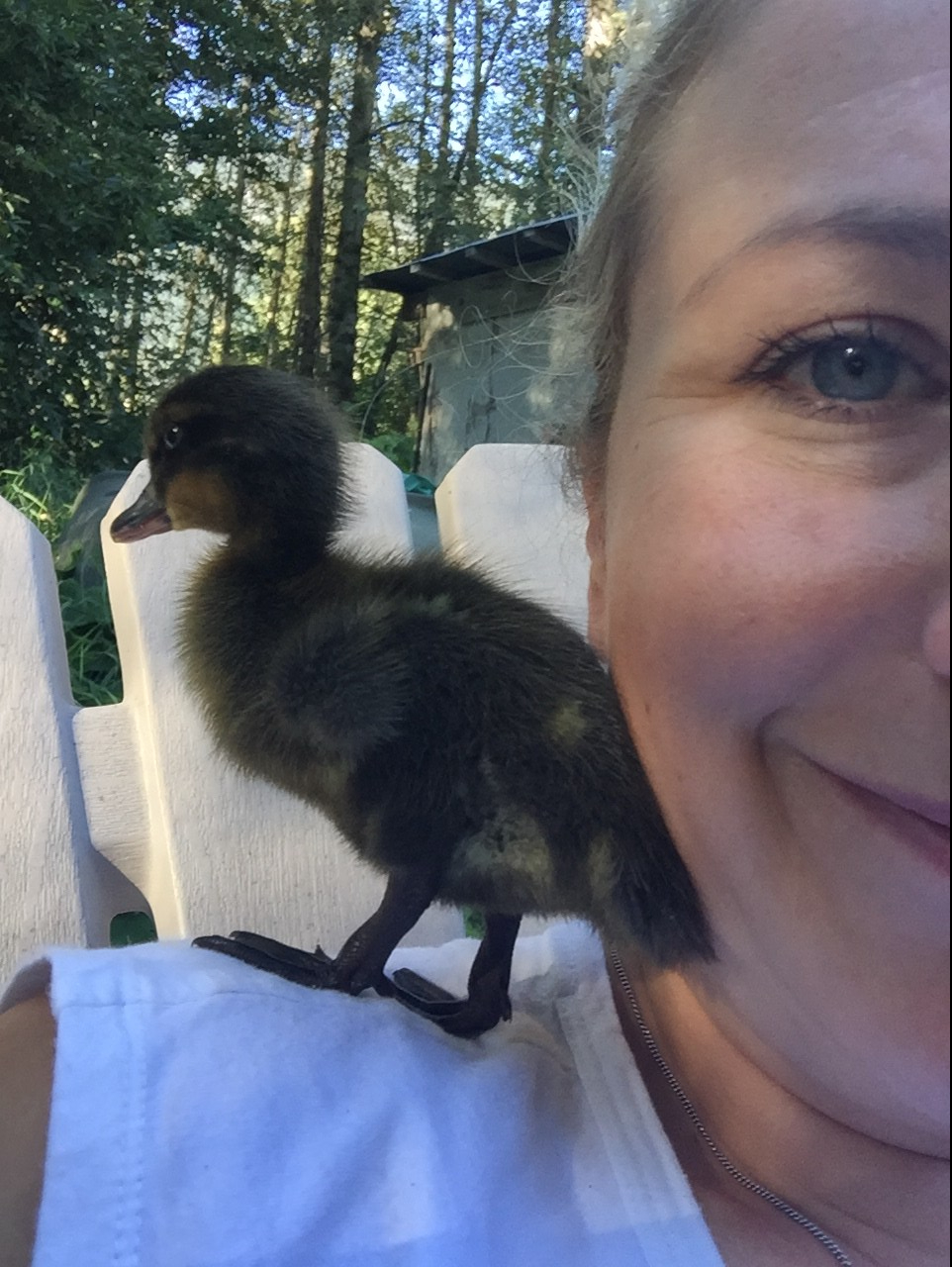
    Last year, about a month before our wedding in September, we decided to incubate some duck eggs out of the spring season to bolster our flock after a lot of losses to raccoon and bobcat. Only one duck ended up hatching out, and since the little guy was going to be alone in the brooder, I decided to take the tiny duckling under my wing. We started calling the duck Pat since we didn’t know if it was a boy or girl. Then we changed tactic and tweaked the name to Patty B to help sway the universe into giving us a lady egg layer instead of another randy male.

    IMG_3695 (002)

    We aren’t going to have kids, and you may laugh, but being a duck mom was super intense. I have no idea how mothers of actual, tiny humans do it!

    When she wasn’t with me, perched on my shoulder, Patty B was in a large pen outside the French doors of my home office. Every time I put Patty B back into the pen after a walk around the yard, her frantic cries would break my heart and inevitably I would be back out there for another visit. In retrospect those regular walks around the yard, with the slapslapslap of her tiny feet windmilling behind me and our chilly wades into the backyard slough so she could dip and dive through the muddy water probably saved me from a total “crash and burn” in the lead up to the wedding.

    As the big day drew closer and our walks got longer I hatched an idea – what if Patty B was part of the wedding procession? Training began in earnest with longer walks around the yard and then, eventually, forays across the small bridge into the backfield where our ceremony would take place.


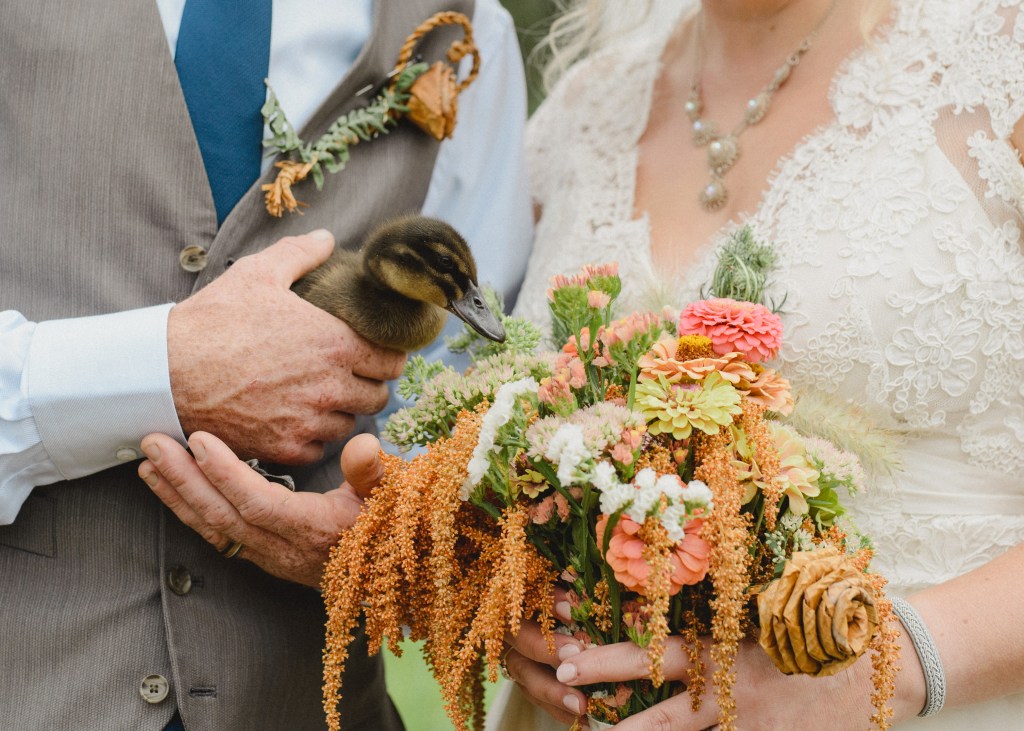
    R+M_001237
    Anastasia Chomlack photo


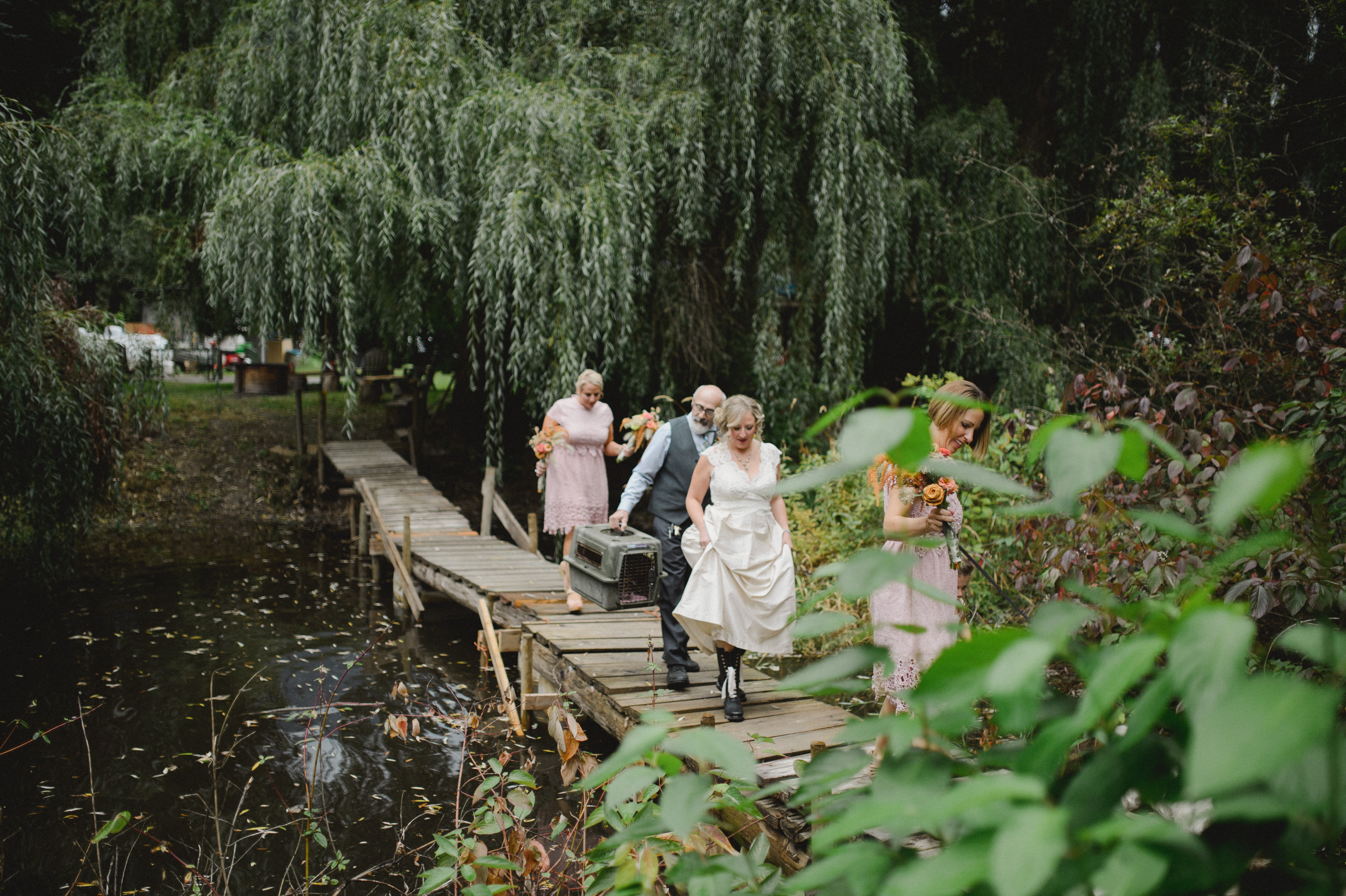
    The wedding day finally dawned…and it was windy and rainy. September 9, 2017, happened to be the first time it rained since Patty B was born…actually, I think it was the first day it rained all summer! Luckily, we had a break in the weather before the outdoor ceremony began and as my wedding party and I gathered just across the bridge, my dad opened the door to the pet carrier to release Patty B. She dashed out onto the muddy path with excited chirps and peeps and began slurping muddy water up her bill. Mud! Worms! AWESOME.

    It was time to start down the aisle, and my flower girl and bridesmaids began their slow march down the field. It was time for me, my dad and Patty B to make our way down to the rest of my life. But Patty B was having none of it.

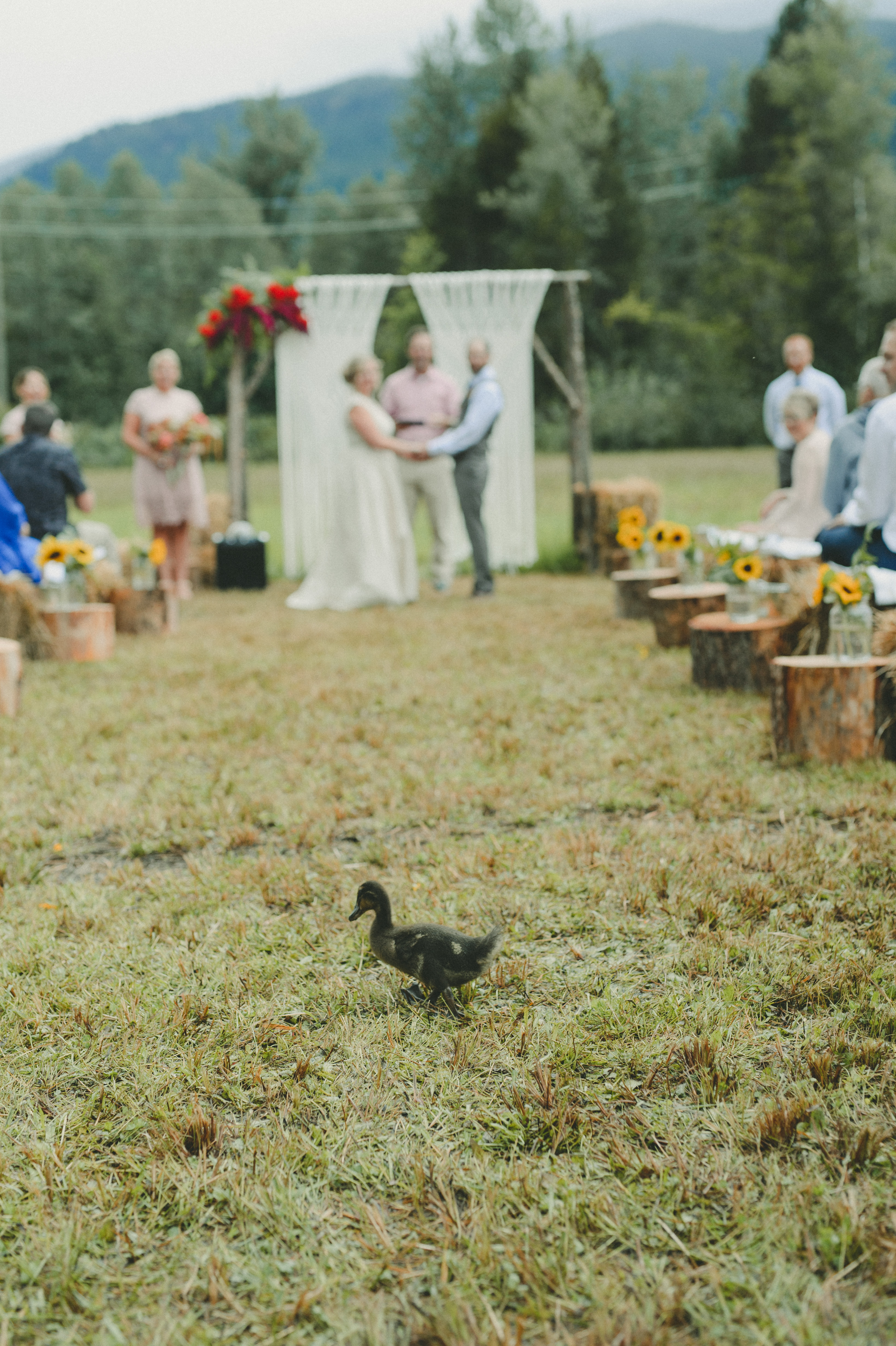
    I gave one last “C’mon, Patty B!” before sighing and giving up. The show had to go on. We walked down the field and suddenly as we were coming up between the rows of guests I heard a small boy cry out, “Is that a DUCK!?”


    R+M_001267
    Anastasia Chomlack photo


    YES. Patty B made it down the aisle with me after all.

    Most of the animals we raise have a pretty low-key life compared to the wedding adventures of Patty B. But, we tend to every animal at Bandit Farms with care, love, and respect whether we are raising them for their eggs or to eventually harvest for meat. I’m not a duck mom to everyone but being close to our food sources is a privilege I will never take for granted.

    Also, in case you were wondering, Patty B turned out to be Pat…but don’t worry, we won’t eat him.

    ML_PattyB

  • Eggs and the place we call home

    Eggs and the place we call home

    1. The best eggs I’ve ever eaten were done over easy, and served on crusty toasted hazelnut and currant bread that was smothered with melted butter and peanut butter. A strict vegetarian, I hadn’t eaten eggs for years, but started craving them while pregnant with my first son. This decadent breakfast, repeated many times through the pregnancy felt so nourishingly good. My son, Isaac, was born a huge, healthy baby (it must have been the eggs) at home in Victoria on a rainy day in May. The next day my potato plants were a foot taller. My son’s father might have been hard to live with, but he was an amazing gardener and grew a jungle of food and flowers in our backyard.
    2. My friend “Chicken Jen” (who lived down the road from me in Sooke) turned a residential lot into a productive and wild vegetable and herb garden in less than three months, with the help of  home-made portable PVC dome chicken coops. The chickens removed sod, and aerated and fertilized the soil in each successive round bed that she planted, and her “ladies” gave her surplus eggs to sell. Her vision for her abundant garden, created while her kids were only two and four, still astounds me. 13 years later, the nickname Chicken Jen has stuck.
    3. I moved from the island to Whistler with Isaac and my new partner. I was pregnant again. Our access to food and gardens dried up in the mountain resort. Sure, we could get good local food at the farmers’ market, but we didn’t know the farmers. We no longer hacked down chard from our front yard, or picked brambly blackberries, or gardened for 10 months out of the year. We missed eating farm fresh local eggs.
    4. After seven years in Whistler, our growing brood (I’d had one more child) moved to Pemberton. We bought our first home, got a dog and planted a garden. On one of my first rides around town, I discovered the egg box on Urdal Road and I knew we were home. We traded zucchini, cucumber and greens from our first lush, wild backyard garden for composted manure from our neighbour’s farm and for heirloom eggs in every colour.. Having access to real food right where we live, and knowing where it comes from is a big deal. It’s something we love about living here and it’s not something we take for granted.
    5. Let’s play local food Jeopardy. The answer is: Bog’s, the Wag’n’Wash, the Animal Barn, AC Gas, Stay Wild, the Owl’s Nest, Mile One, Collins Cross, the egg box on Urdal, the farmer’s market, Brooke and Kevin’s place, and Pemberton Valley Wellness. The business names themselves reveal  the flavour of this funky little town. The question: Where can you buy local eggs in Pemberton?
    6. The secret: Everyone has their own source. If you don’t time it right on delivery days, you could be cruising around town, visiting all of these locations without realizing they’re part of a hyperlocal egg market. Alternatively, you might well disappoint your family by coming home empty-handed. Sorry, kids, no pancakes this morning.
    7. You’ll be late, too, because you’ll have talked to friends and neighbours all over town. During our first couple of months in Pemberton, I would frustrate my partner every time I biked to the store to get milk for his coffee. My 15-minute round trip would invariably take an hour or more, slowed by the pull of  my grocery store conversations.
    8. Eggs are a window into the local food system in Pemberton. Local food is grown in abundance by experts and amateurs throughout the valley—but you need to know where to go to get it. And to find out where to get it, you need to talk to people. That’s the fun part. If they made it easier, something would be lost.
    9. We have a great farmer’s market and some awesome local businesses and CSA programs to get the straight goods right from the source. But you can also find your eggs or fresh basil or seed garlic on the Pemberton Food and Farm Facebook page, a matchmaking service for people looking to buy or sell food, seeds, plants or other random farm and garden stuff. Looking for a Thanksgiving turkey, alpaca wool, goats or egg cartons? Selling tomato starts, plums, bushels of basil? The source or recipient are only a couple of messages away.
    10. Farming and backyard growing in Pemberton is surprisingly untrendy. People just raise food and grow stuff here because they can, or because they love to, and it just makes sense. Keeping backyard chickens isn’t new, and while I’m tempted sometimes to imagine myself as more of a homesteader than I actually am, I don’t think I have the heart to deal with bear proofing and the collateral damage when raccoons or cougars or coyotes get into the coops. I barely have the heart to steal eggs from aggressive chickens.
    11. Every egg carton has a story. One of our local egg suppliers sells her daughter’s eggs and tracks the cartons to see if they get returned to her shop. One of the farmers at the market in the summer said new cartons cost more than twenty cents apiece—that puts a serious dent in his egg profits. Farmers don’t become farmers to get rich. But what is shared and supplied and circulated in this community is rich. It’s the soil, the place, the creatures, the stories.
    12. Eggs have been one of the nutritional threads in raising my kids—one of the first meals they could cook for themselves—one of the nutrient dense meals I’ve eaten through pregnancies, breastfeeding and birth. One of the food sources that connects us to the place where we live.
    13. My baker’s dozen. I’m lucky if there are eggs in my house or it’s back to part 5 of this story.  My favourite homegrown breakfast:

    11 o’clock braised greens & eggs

    INGREDIENTS

    • A few giant handfuls of greens from the garden (kale, chard, spinach, collard or beet greens)
    • A few cloves of garlic (homegrown if you can), peeled
    • Coconut oil
    • A couple of eggs
    • Flax oil
    • Condiments (homemade kimchi, sauerkraut or hot sauce & Bragg’s)
    • Ground flax seed
    • Leftover brown rice (optional)

    INSTRUCTIONS

    • Wash greens and tear into large pieces.
    • Wilt greens and simmer garlic with a splash of water in a pan with a lid.
    • Add a small amount of coconut oil to the pan.
    • Add a couple of eggs and fry them up in the same pan.
    • Serve eggs and your pile’o’greens with hot sauce, Bragg’s, flax oil, flax seed, and homemade kimchi or sauerkraut (*recipes for vegan kimchi and sauerkraut to follow in future posts).
    • Add a scoop of warm leftover brown rice, if you have some.
    • Eat with thanks. Be nourished.
  • Farmers Staycation: why the best place to find the Millers is on the Miller’s farm

    Farmers Staycation: why the best place to find the Millers is on the Miller’s farm

    For some reason most of our family breaks from farming are taken on the farm.

    Actually there are several reasons for it – like checking the cows, checking the fences, checking the back field, scouting for saw logs and firewood trees for next winter.

    But mostly its about experiencing the beautiful place that we live and farm.

    We have a fishing hole, a beaver pond, a forest, a river.

    Our short little trips on a sunny Sunday are the things we remember more than the 30 seasons of Potato Fields we have planted.

    We work here so we can live here. We work too hard. We are working on that.

    Image.jpg
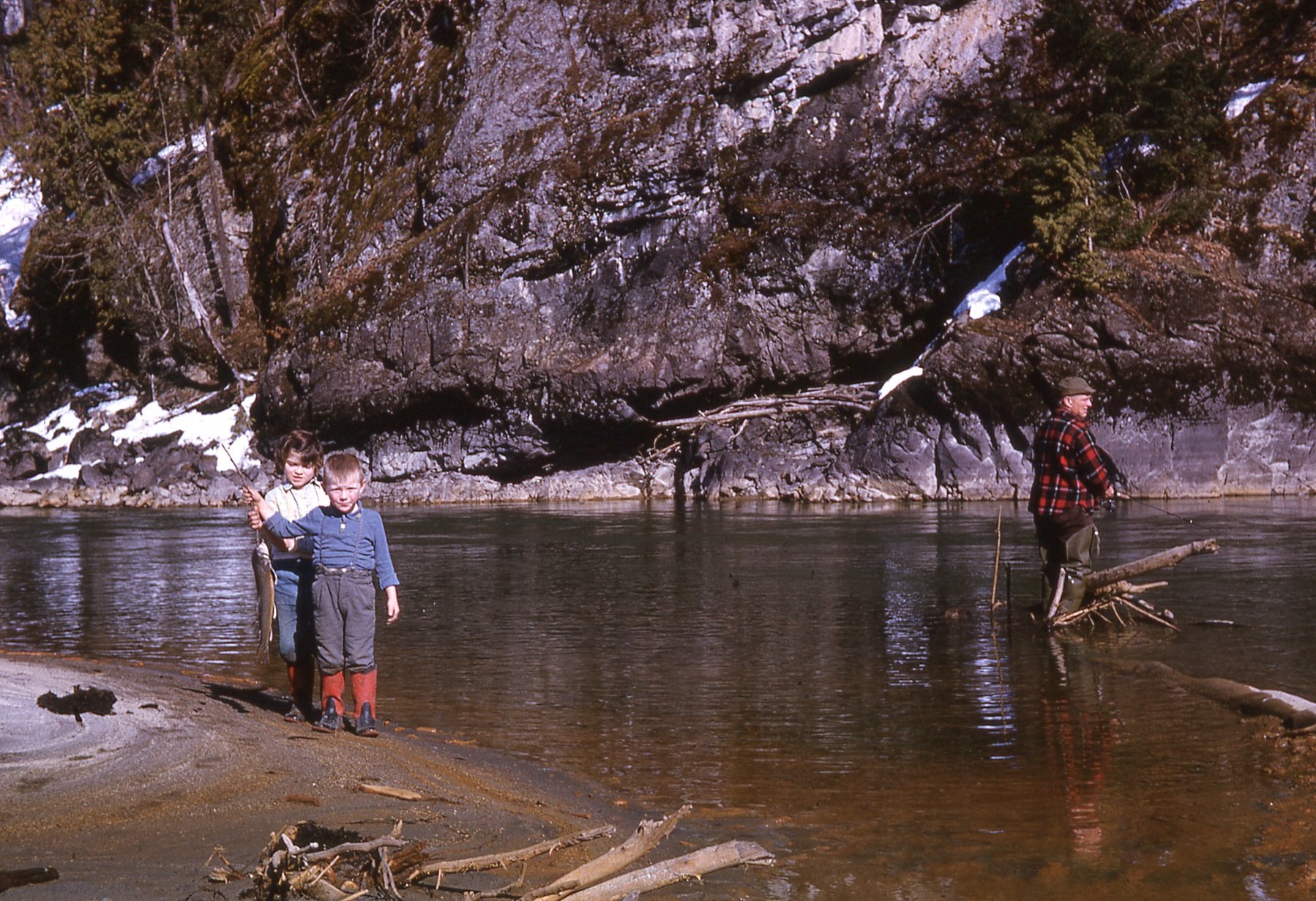
    This is the the fishing hole at the river. It has always been a great spot for a kid to catch their first fish.
    Image 2.jpg
    The Waterfall  hike usually coincides with some irrigation intake repairs.
    Image.jpg
    Every fall we try to get a mushroom picking hike in across the creek and up the hillside. Last fall Jesse and I came upon this spot.
    27749838_10156060076868904_6344091625903080429_n.jpg
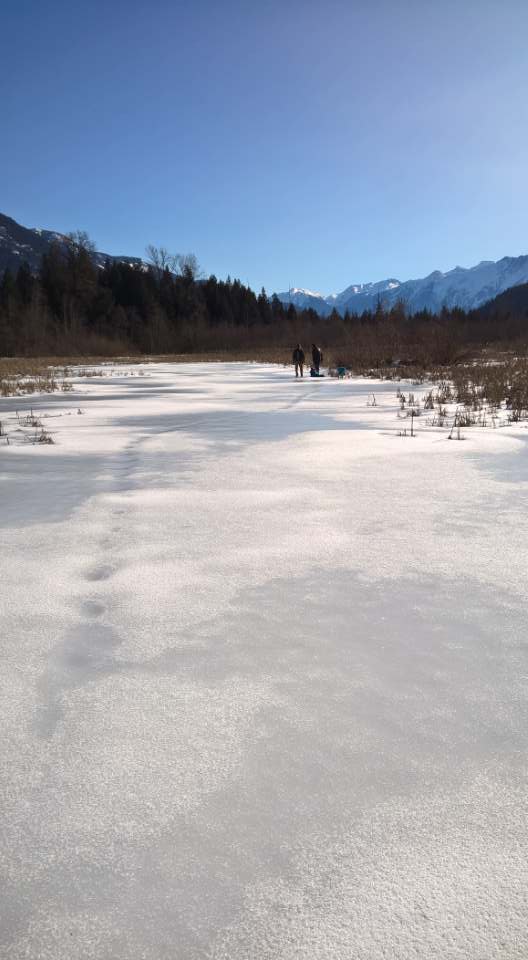
    Feb 2018 – a walk across the creek to the upper swamp. This is where most of the  coho fry from Ryan Creek spend their first summer  growing.   We were checking out the tracks and trying to figure out what all the animals were up to.


  • Anna Helmer’s Farm Story continues

    Anna Helmer’s Farm Story continues

    Deep winter confessions of lavish plan-hatching and mild delusions, meet work in someone else’s root house. (Just don’t call it mindless.)

    A farming luxury: to lavishly plan the work of the coming season when there is no chance of starting any of it for at least two months. Cue careless disregard for work. Sloppy accounting of work requirements. Expansive imaginings absent anything but the faintest work alarm bells, easily ignored.

    The carrot crop proposal, for example. With a foot of snow on the ground and the clouds heavy with more, it seems totally reasonable to be planning to plant 2 acres of them this summer. The chefs are asking for more and the customers say they are the best at market. Ergo the ego demands, therefore the farmer plans, hence we can ignore the actual work involved. 2 acres. At least.

    I am not totally unaware of how things will unfold in real life. There will certainly be a privately raised eyebrow when enthusiastic planning first encounters carrot reality and the 5-gallon pails of seed start showing up sometime next month.  Second thoughts will come flooding in, assuming they haven’t already, when I find myself still seeding well into the evening come that day in June. Assuming (again) that I follow through with seeding the entire 2 acres, the subsequent weeding and irrigation requirements will cause heart palpitations in July and August, and the harvest will be frankly sobering, or perhaps borderline terrifying, because it will take for freakin’ ever to get them all out of the ground. And exactly one year from now, on a snowy day in mid-February, there will be tears because by now the unsold remaining crop will be sprouting hairs and getting soft in storage.

    For now, however, it’s a really clever and enterprising idea, worth pursuing and budgeting for. It’s even spawning tangential plans: a cooler expansion. My optimism knows no limits. These days are golden.

    To stay in farming shape, to maintain my farming bona fides now that markets are done for the season, and basically to keep it real, I am moonlighting as a forklift operator at a local seed potato farm, which is not as glamorous as it sounds.


    More precisely, I am stationed at the end of a seed potato sorting conveyor line and every 15 minutes I get to hop on an electric forklift and pick up a 2200lb sack of Red La Soda seed potatoes. I take it to the scale. If it’s too heavy, I remove potatoes; too light and I add them. Weight confirmed, I check that I remembered to slip the tag into the attached tag-holder and I move the sack to the collection area. That done, I return the forklift to the ready position and help my work partner manage the next bag. Twenty-two sacks make a full load on an 18-wheeler. It takes about a day to get it done, if nothing breaks down. It is unusual for nothing to break down.

    I like working on other people’s farms because I love considering a mechanical time-out to be an opportunity to get a walk in the sunshine. When they occur on my own farm, they can be expensive, disappointing and dreaded.

    It really goes on and on, doing the same thing over and over, with one hour for lunch. In these circumstances, a good co-worker makes a very positive difference. I have just the guy. His good humour rarely falters – the one time it did, he had an orange and was completely restored. The other thing I liked was that he never stopped trying to do a good job. There are a lot of challenges to managing 2200lb of potatoes every 15 minutes, none the least of which is staying focused, and we worked as hard on the first bag as we did on the 22nd.

    I am going to stop you right there before you call this mindless work. It is not. I think that phrase was floated by someone who could not handle the pressure of coming up with his/her own stuff to think about. (S)He panicked, quit, and branded it mindless.

    It is not mindless. Once you have sorted out the physical aspects of what you are doing, your mind is free to be engaged. How do you think this article got written? Still and all, it can be nice when there are breakdowns to liven up the day.

    So. Work. Thank goodness I have some to do or my theoretical planning for the summer might be absent a whiff of reality and I wouldn’t want that.

    Anna Helmer wrote a slim volume and put it on Amazon where it is a best seller in that category.

    Portrait by Maureen Douglas.