Tag: pemberton

  • Satisfying Moose Meatballs with Pemberton Mashed Potatoes

    Satisfying Moose Meatballs with Pemberton Mashed Potatoes

    We are fortunate to have a freezer full of moose meat from the Yukon. A beautiful moose that my spouse and his sister bagged in September (after 3 unsuccessful hunting trips in the past few years).

    So we have moose sausages and stew meat and, of course, ground. I was craving meatballs so I searched my cookbooks for some recipes. One recipe from Sheila Lukins’ All Around the World Cookbook – called for allspice and nutmeg. No thanks! I do not enjoy nutmeg at the best of times, and certainly not in my meat.

    So I charted my own course.

    My thoughts on wild game are that one should not try anything too wild. The meat is wild, so when experimenting, go tame. That said, pecorino is a sharp and dramatic flavour but it worked. (I want to take a moment to thank the AMAZING Pemberton Valley Supermarket that always has pecorino in stock. PVS – you are the BEST.) As for spices, I went for dry mustard, paprika, S&P, oregano and basil – and not too much of any. And of course parsley. I rarely make anything that does not call for parsley or cilantro, my faithful culinary companions. When I do not have any of these two in my fridge, sure enough, I embark on a recipe that calls for one of them. So those two are always, always on my grocery list. Serve these meatballs with Pemberton mashed spuds and some broccoli or another green veggie. A good and satisfying fall dinner! Fall cheers to the hunters and the farmers! And thank you to Lisa always for being the amazing host of this food blog site!

    Flavourful Gluten-free Moose Meatballs: (yield: 4 servings)

    1 lb ground moose meat (or beef)

    ½ cup finely grated pecorino romano

    1/3 cup pure olive oil

    ¼ cup fine chop parsley

    2 small Pemberton eggs or one very large egg

    ¼ cup almond meal

    1 tsp salt

    1 tsp pepper

    1 tsp dry mustard

    1 tsp paprika

    1 tsp basil 

    ½ tsp oregano

    ½ cup finely chopped yellow or red onion

    Method: put all ingredients, except for olive oil, in a large bowl. Mix well and form into 1 tbs balls.

    Heat 1/3 cup pure olive oil in large skillet with sides at least 4 inches high (oil splatters). Heat oil on medium heat. Gently place meatballs in pan. Do not rush but gently rotate the balls so they brown and cook thoroughly.

    Serve with Pemberton russet mashed potatoes and a green steamed veggie. Enjoy!

  • Chicken Casserole for these Dark Times

    Chicken Casserole for these Dark Times

    Yes, it has been a weird year. And these are the shortest and darkest days of the year to boot. Right now I am craving calorie-laden stodgy food and damn the consequences. Lighter fare will appeal when the days brighten up.

    I have made this casserole with some good Pemberton veggies but the mayo, sour cream and cheese do not put this casserole in the healthy category. But dark days plus face mask-wearing at all times? Sign me up for a retro casserole.

    Here is to hugging family and friends in 2021 and to our Pemberton library being open for real – SOON! Happy Christmas to all!

    Chicken Casserole with Pemberton Veggies

    4 cups cooked Pemberton-raised chicken, diced

    2 tbs pure olive oil

    1 large yellow onion, diced

    2 cups blanched Pemberton-grown Swiss chard, chopped (Do NOT add raw – it MUST be blanched first)

    1 cup Pemberton-grown corn kernels

    1 cup chopped cauliflower

    2 cups chopped celery

    1 cup chopped cilantro

    1 cup diced tomatoes

    2 tsp dry mustard

    1 tsp cumin

    1 tsp paprika

    1 tsp sambal oelek

    1 tsp salt

    1 tsp pepper

    ½ cup mayonnaise

    2/3 cup full-fat sour cream

    1 8-oz package Pad Thai noodles

    1 cup mozzarella, shredded

    Method:

    Sauté onion, corn, chard, celery, cauliflower and cilantro in olive oil in a large cast-iron Dutch oven. Sauté until well caramelised. When caramelised, add cumin, paprika, dry mustard, sambal oelek, salt and pepper, tomatoes, and diced chicken. Mix well. 

    Cook Pad Thai noodles by pouring boiling water over the noodles and leave immersed for 5 minutes. Drain well.

    Add cooked Pad Thai noodles and mayo and sour cream to veggie mixture. Mix well. Sprinkle top with cheese.

    Bake casserole for ½ hour at 350C. Enjoy!

  • Amazing Pemberton Apple Muffins (and healthy too)

    Amazing Pemberton Apple Muffins (and healthy too)

    This is the time of year when the freezer can be very full (a good problem to have). If there is deer meat to go in, something must come out. In my case, the many bags of apples I peeled and sliced two months ago! This is a recipe that uses up those apples well and is seriously the best apple cake I’ve ever had – in convenient muffin form. It is also fairly healthy with good fats and whole grains.

    These apple muffins are an adaptation of Shelley Adams’ “Joey’s Apple Cake”, found in her first cookbook Whitewater Cooks – Pure, Simple and Real (2005). Shelley Adams is my food mentor (she doesn’t know that) and I have adapted so many of her recipes over the last 12 years. Her recipes have good bones. I have usually adapted them to be whole grain, reduced sugar and sometimes grain-free. This recipe was also altered by making muffins instead of cake (which is quite finicky as it calls for a Bundt pan and the cake always stuck to it). Enjoy!

    Whole Grain Apple Muffins (yield: 36 muffins)

    Ingredients:

    3 cups spelt flour (*you can also use 2 cups spelt and 1 cup almond meal OR you can use 2.5 cups spelt flour and 1/2 cup oat bran)

    1/2 cup white sugar

    1/4 cup brown sugar

    3 tsp cinnamon

    1/4 tsp cardamom

    1 tsp baking soda

    ½ tsp salt

    1.5 cups grapeseed oil

    3 Pemberton eggs

    3 tsp almond extract

    4 cups finely-diced Pemberton-grown peeled and cored apples (I use a Cuisinart and pulse the apples until they are just shy of applesauce texture. They should still have lumps).

    Method: 

    Preheat oven to 350C

    Blend pureed apples, oil, eggs and sugars in stand mixer. Blend well. Add cinnamon, cardamom, flour, baking soda and salt. Blend well.  

    Scoop batter into silicone muffin pans (I like silicone pans because the muffins don’t stick).

    Bake at 350C for 26 minutes. Cool 15 minutes in pans, then invert onto cooling rack. 

  • Thank you to the Vegans

    Thank you to the Vegans

    As discussed in my last post I think we owe vegans in particular an enormous debt of gratitude. These deadly viruses originate with wild animals in captivity caged inhumanely alongside domesticated animals for human consumption in markets mainly in China, but also it has been reported Indonesia and Thailand. What will happen in future and how and if this will be monitored is another matter.

    Vegans are against the use of any animal product for consumption and their choices are truly admirable. We have so many ethical food producers here and ethical and sustainable hunting practices yet unfortunately there will always be people who abuse a shared trust. Also, whenever we purchase packaged meat in the grocery store and are not connected with the hunting of the meat ourselves or the raising of the meat ourselves or by people we know in our own community (shout out to those very important and hard-working people in Pemberton now and how grateful I am to you) then we honestly cannot say for sure that the meat was raised ethically.

    So if you find this all too much to process (pun not intended) then you can just go vegan. And if that is too much to process then you can at least go partially vegan. I find vegan eating particularly easy at breakfast and lunch. Oatmeal and oat milk (yay – oat milk has 4g of protein per cup!), toast with peanut butter, etc.

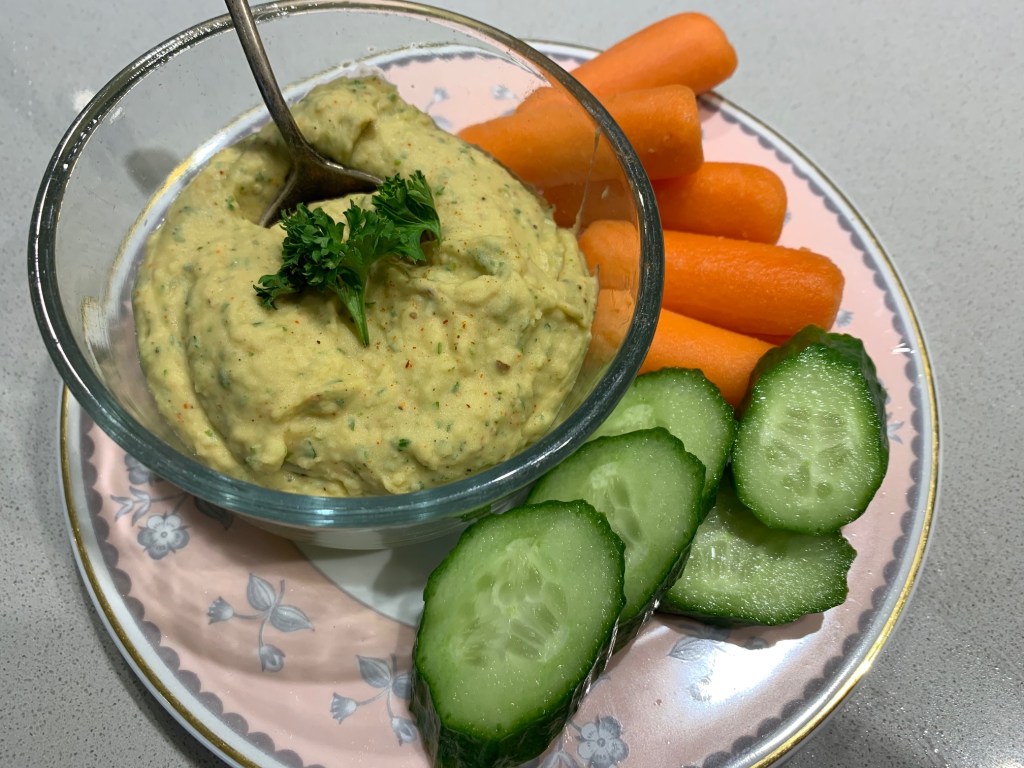
    For lunch I like to serve bean dips and veggies and even a light lentil soup. I just tweaked a bean dip I found online that in its original posted form was bland and blah. This one is zippy and fluffy and very delish. Please enjoy and thank you again to the vegan community.

    White Bean Dip with Pemberton Garlic and Parsley:

    Ingredients:

    15 grams of small white cannellini beans

    **Method for dried beans: Soak a bag or two of dried cannellini beans overnight. In the AM, drain water and put beans in slow cooker and add water until beans are covered by two inches. Cook on low 8 hours. When tender, put 15 gram portions of beans in containers and freeze for future use.

    2 cloves Pemberton garlic

    4 dashes hot sauce (I like the Cholula brand from Mexico)

    1/3-1/2 cup pure olive oil

    3 tbs fresh-squeezed lemon juice

    1/3 cup Pemberton-grown parsley

    1 tsp salt

    1 tsp pepper

    1 tsp paprika

    Method: Blend all ingredients together in Cuisinart. Adjust salt and pepper to taste. Serve with sliced cucumbers, celery, carrots or sweet peppers.

  • Acclimatization, zones, and how plants adapt to weather

    Acclimatization, zones, and how plants adapt to weather

    You know when you go on a tropical vacation in the winter and at your destination, the locals are wearing hats, long sleeves and pants. You strip down, head to the beach only to get sunburn and heatstroke? Eventually, after a week, you get used to it. Upon return, that first blast of cold at the airport feels like the Arctic, yet people are wearing shorts!

    Plants experience the same affect, perhaps even more because it happens gradually at a cellular level. The more robust the cell walls become, the hardier the plant.

    Every living thing has preferred conditions. Plants are grouped into zones to help guide gardeners to choose plants that will survive in their climate. It is based on the worst weather extremes for the area: Coldest temperature, number of frost free days and exposure. It’s good to know your zone before you waste your time and money on something that won’t thrive. Zones can be pushed higher by starting plants indoors, protecting them with cloth, overhangs, windbreaks, a south facing wall and   greenhouses. Global warming is also changing things and most areas will be up-zoned in the near future.

    Microclimates exist in all zones. Sunny south facing protected areas can be a full zone or more higher than a cold, windy, shady frost pocket. Understanding your microclimates on your property can determine whether you will succeed or not. It’s something you need to constantly pay attention to, and even make notes, if you have to. The smallest changes can make a big difference.

    Slowly, plants need to adapt from one environment to the other. Our intervention is called “hardening off”. Plants started indoors are used to the warm cosy, calm and diffused light. If you put those out right away they will most likely get shocked by cold nights, wind, pounding rain and scorching sun. The trick is to, over the course of several days, slowly leave them out in their new environment a little more each day, paying attention to extremes in which case you will have to leave them indoors or add extra protection.

    When buying plants in the spring it’s good to ask the grower to what extent they’ve been hardened off, if at all. You may have to do it yourself. Something few consider. Many tropical plants in Florida, grown for export as houseplants are raised under shade cloth, not because they don’t tolerate sun, but because they will eventually live in someone’s living room. It works both ways.

    When to plant your starts or seeds outside is also tricky. Seed packages are only a rough guideline as they can’t possibly know everyone’s circumstances. Even experienced gardeners can’t rely on calendar dates, as every year is different. It’s part intuition, part trial and error and partly luck. Those in tune with nature will know when to plant something by biological clues related to the weather, like when the crocuses sprout, the ice on the lake melts, you see the first Robin or the forsythia blooms.  This study is called Phenology  and is the most accurate method. The even more in tune will take biodynamic guidance into account such as moon cycles, the almanac  and spiritual doctrines to plan schedules, making things  even more complicated to organize.

    Regardless, all good farmers are aware of the weather and check the forecast constantly.

    Starting some things early can be as detrimental as starting them late. A root-bound start can suffer and be stunted. A plant left too long indoors on a windowsill can get leggy and fall over searching for the sun. It’s good to know how many days it takes a particular variety to mature. Transplanting earlier may serve no benefit.

    Most plants will survive marginal temps above freezing. Few do anything and stay in a state of statice between 1-6 degrees celsius. Some tender annuals such as basil will perish at a damp 1-2 degrees. Transplanting on a windy day is terrible as it knocks them over, and sucks the moisture from the plants and soil, through transpiration. Some things that have a short lifespan may need successive planting to stagger the harvest. Cool loving crops may only work in spring and fall. and will quickly bolt in the summer. Late maturing species may need to be brought indoors to finish off or  to spend their dormancy. Hardening off is also required to adapt in this case , now humidity and introducing pests indoors becomes a concern. Plants are fickle,  you need to get to know them personally.

    There are obviously so many factors to consider: The bottom line is that you have to treat all your plants like dependents and provide the best care for them from the elements as possible. You have to guide them through life, like children, until they are strong enough to go at it with little intervention. You can never assume anything, be complacent or lazy. What if it was your infant out there? How would you care for it?


  • Pemberton Blueberry Banana Muffins

    Pemberton Blueberry Banana Muffins

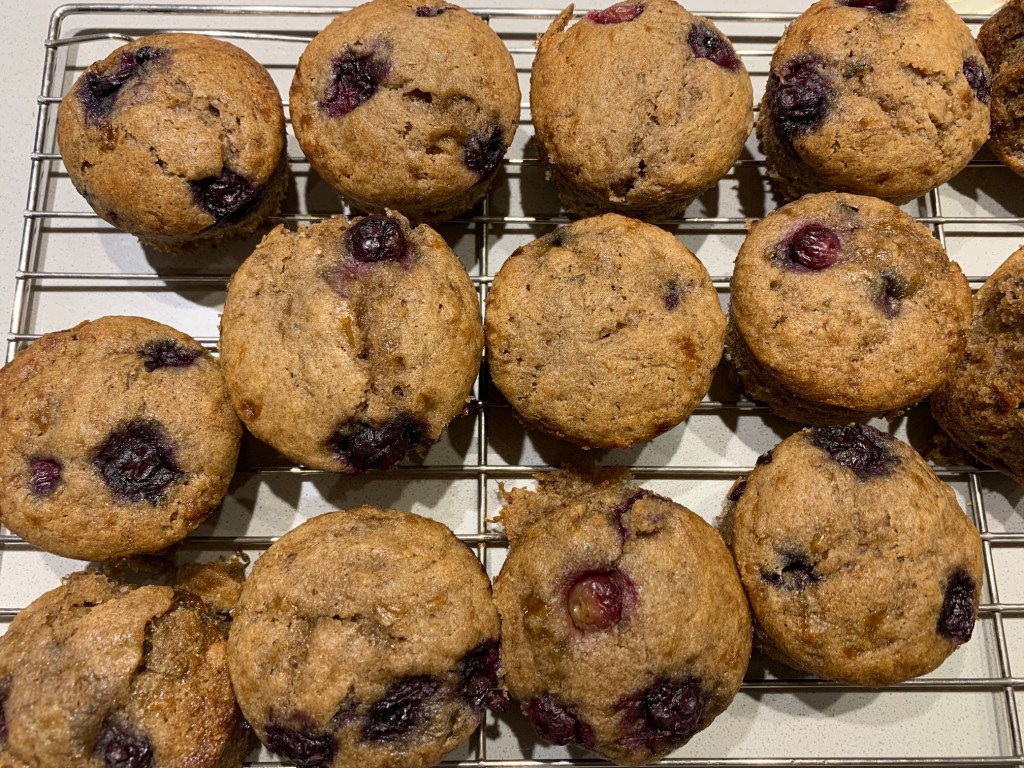
    These muffins are a great staple to have on hand at any time of year. And they make good use of “all the Pemberton blueberries you froze last summer”. You did that of course.

    Lisa has asked me to explain why I substitute spelt for wheat flour on every occasion. Well, a number of years ago my mother warned me that wheat is inflammatory and can cause arthritis-like symptoms in people after the age of 40. And like clockwork, after I hit 40, sure enough, my hands got stiff after I ate wheat. Didn’t matter if it was crackers or bread: after I ate wheat my hands were stiff the next day.

    So it was a no-brainer to switch to spelt. If you can get to Costco, some locations sell Anita’s Sprouted spelt flour which I really like. Some brands don’t work well. I tried the Everland brand from Amazon and my muffins did not hold together at all.

    Thank you Mum for this invaluable advice. I hope others will give it a go. Stiff hands and fingers are no fun at all, and it really is an easy switch to transition to spelt. I have no time for white flour anyway. No nutrition content and I prefer the nutty, complex taste of whole grains in most of my baking – with the exception of brownies and birthday cakes!

    Pemberton Blueberry Banana Muffins (yield: 15-18 muffins depending on size)

    Ingredients:

    1 cup plus 2 tbs whole grain spelt flour

    2 tbs corn meal

    1 tsp baking soda

    2 eggs

    ½ cup grapeseed oil

    ½ cup white sugar

    2 large very ripe bananas, mashed

    3/4 cup blueberries

    1 tsp cinnamon

    1/4 tsp sea salt

    Method:

    Place mashed bananas, oil, eggs, sugar, cinnamon and baking soda in stand mixer and beat well until combined. Add flour and cornmeal and mix until just combined.

    Preheat oven to 350F.

    Use a 3 tbs spring-loaded cookie/muffin scoop (I like the OXO brand) to place scoops of batter into buttered muffin pans. (I like silicone muffin pans as they clean easily in the dishwasher.)

    Press 3-4 blueberries into top each muffin. (I prefer adding my blueberries this way as then they look nicer but you can always add during mixing process.)

    Bake 20 minutes and check for doneness. May need another 5 minutes. Oven temperatures vary so baking times are not set in stone. Enjoy!

    ** Coming Soon: another cookbook review – thanks to Lisa. I tried one recipe from a very recently-published Japanese cuisine cookbook, but the result was ho-hum so it needs some more time and patience!


  • A fresh take on the classic oatmeal cookie from the new Tartine Cookbook

    A fresh take on the classic oatmeal cookie from the new Tartine Cookbook

    When Lisa gave me the opportunity to review a cookbook or two I jumped at the chance. I have always wanted to do this!

    I have had a lot of fun looking at just-released cookbooks (one more review coming next month). The new Tartine cookbook (a classic baking book from an established San Francisco area bakery that has been given a refresh for a new generation with plenty of gluten-free options) by Elisabeth Prueitt and Chad Robertson, is beautifully photographed and full of innovative recipes.

    But, heads up, the recipes are not for beginner bakers or anyone time-strapped. The book is beautifully photographed and has been a welcome addition to my coffee table and looking through it has given me ideas for how to incorporate new flavours into old stand-by recipes. I also appreciated the fact that the authors list the ingredients in grams and ounces which I find a time saver (for those of us with kitchen scales).

    In the spring when I have a bit more time I will tackle the brioche recipe and some of the elaborate cakes, such as the Russian Napoleon cake. For now I wanted a recipe that would pack a punch, be time-efficient, and would also be useful in the lunch box and for snacks on the go. This recipe fit the bill.

    I Pemberton-ised it by using dehydrated Saskatoon berries instead of currants, and also healthified it by reducing the sugar and using whole-grain sprouted spelt flour instead of all-purpose wheat flour. I also swapped out nutmeg for cinnamon as I am not a nutmeg fan. I also changed the method a bit and baked them straight after mixing, whereas the authors recommend refrigerating the dough first. I think the cookies were delicious and the extra step was not necessary. Less time = enjoying cookies sooner! I also appreciate the fact that these cookies are nut-free and therefore suitable for nut-free schools.

    I hope these will be a hit in your home for these snowy winter days.

    Orange-Oatmeal Currant Cookies:

    (yield: 3 dozen cookies)

    Ingredients:

    1 cup currants or dehydrated saskatoon berries

    285 grams spelt flour

    ½ tsp baking soda

    ½ tsp cinnamon

    225 grams unsalted butter

    1 cup granulated sugar

    1 large Pemberton egg

    1 Pemberton egg yolk

    2 tbs light corn syrup

    1 tbs molasses

    3 tsp orange zest

    ½ tsp salt

    1 2/3 cup rolled oats

    Method:

    Whisk flour, baking soda and cinnamon together in bowl.

    In stand mixer fitted with paddle attachment, mix butter until it is fluffy and light. Add sugar and mix until well blended. Add all other ingredients except oats and currants and blend well. Add flour mixture, oats and saskatoon berries/currants. Mix until well blended.

    Preheat oven to 350F.

    Place tablespoons of dough (use a spring-loaded ice-cream scoop for a professional look) onto a parchment-lined cookies sheet. Bake 12 minutes. Check for doneness after 10 minutes. Every oven varies in temperature. Cool and enjoy!


    IMG_5980


  • Christmas Morning Breakfast – With a Healthy Dose of Pemberton!

    Christmas Morning Breakfast – With a Healthy Dose of Pemberton!

    Christmas morning is not an oatmeal morning. You want to have something special and festive on the table. This is a very useful recipe as the dish looks impressive but is actually very easy to execute.

    This dish will make use of “all the Pemberton blueberries you froze” this past summer! If you have one, use an enameled cast iron fry pan as some of the lower-quality cast iron pans leave a metallic aftertaste. Happy Christmas!

    Dutch Baby Pancake with Pemberton Blueberry Compote

    Ingredients:

    Pancake:

    6 Pemberton large eggs

    1 cup almond or oat milk

    ¼ cup sugar

    ¼ tsp salt

    ½ tsp almond extract

    ½ cup spelt flour

    ½ cup almond meal

    2 tbs butter

    Compote:

    2 cups Pemberton blueberries

    1 tbs corn starch

    ½ tsp lemon zest

    Whip Cream:

    2 cups whipping cream

    Garnish: 1 tbs icing sugar

    Method:

    Pancake:

    Preheat oven to 425F

    Blend all ingredients except butter in a blender on high speed

    Place the butter in a 10-inch enameled cast iron fry pan and place in oven for 5 minutes.

    Remove pan when butter is melted (use oven mitts!)

    Pour ingredients into fry pan and place fry pan in oven

    Bake for 20 minutes.

    Compote: Place blueberries, zest and corn starch in saucepan on medium heat, and stir until mixture becomes a thick sauce.

    Whip cream: Whip the cream in stand mixer until soft peaks form.

    Serving: Slice baked pancake into 8 servings. Top each serving with spoonful of compote and dollop of whip cream. Garnish the plate with a dusting of icing sugar using a small sieve.

  • The Do Over

    The Do Over

    My favorite strip in the ol’ daily commute is in full bloom: Dogwood Row aka the false flat of Nairn Falls. When this magical time finally happens I know spring has officially arrived. These native beauties symbolizes this time of the year perfectly: rebirth and resurrection, durability and reliability, strength and resilience.

    So, life has felt a little backwards lately and I’ve been dormant like the bulbs I planted in the fall: slowly growing in hibernation, slowly surfacing to flower. While the green glow of spring delivers a healthy dose of new beginnings there will always be things that don’t survive the winter.

    The beauty is, you can always replant.

    Spring offers up a chance to do over everything from last year… literally, start fresh, change the pattern and do it better. Prune away the dead to promote new growth, leaving some things the same (they’re called perennials for a reason) and don’t forget to tend to your evergreens as they are there for you every season.

    IMG_8308

    It’s not always as simple as it seems: a large puzzle with small pieces. Sometimes you’re rewarded beyond expectation in an instant and sometimes patience is a virtue.

    But by saying yes to growing new things and experimenting with new varieties we can create a new palette to work with.

    There is little risk in gardening if you’re willing to fail and get your hands dirty. Notable and new to my garden this year are Jerusalem artichokes, shiso and fennel (which will actually be nowhere near my garden because it’s friends with no one). Oh, and way more flowers! Because why not? And pollination is key to life. Other plants are bound to sneak their way in too.


    When supported by a cast of usual suspects: beets, carrots, cabbage, cauliflower, cucumber, tomatoes, brussel sprouts, squash, cantaloupe, onions, garlic, strawberries, raspberries, blueberries, peppers, peas, beans, all the herbs, chard, radish, daikon, celery, kale, romaine, greens, kohlrabi, leeks etc, one can be nourished and flourish quite well.

    There is a good chance I’ve already said this but I’m just going to keep saying it:

    Grow what you love, try new things, revisit old favourites and savour the process.


  • Food and Feelings: Fromage

    Food and Feelings: Fromage

    Bonjour*. When you think of France what do you think of? What comes to mind is probably different for everyone. For me, one of the thoughts that surface is about cheap and delicious cheese. After returning from my rock-and-roll honeymoon, I’m left missing the delicious croissants, cheese, wine and various other delightful foods.

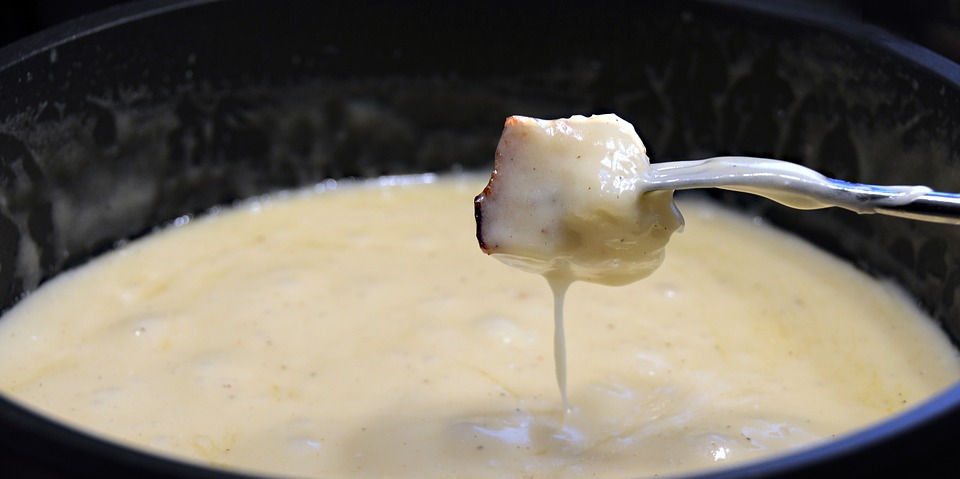
    Anyone who knows me knows that I LOVE cheese so this trip was full of dreamy surprises. My favourite cheese experience was when Shayne and I went to Le Fer a Cheval in Chamonix, France. We were looking for the best fondue in town and this was recommended to us by a local. This restaurant is so popular that if you don’t have a reservation you most likely won’t get a table. So, we made a reservation and I then counted down the hours, minutes and seconds until fondue-ville.

    Le Fer a Cheval
    Le Fer a Cheval

    Stoked on life, we ordered the fondue with tomato sauce and potatoes. The cheese had tomato sauce in it and it came with bread and a huge basket of potatoes. I guess you can take the girl out of Pemberton but you can’t take Pemberton out of the girl. It was filling. It was delicious. It was everything that I had hoped for. After this experience, I felt inspired to create a life where fondue was present on a more regular basis.

    Fondue in Chamonix
    Fondue in Chamonix

    A few years ago, I celebrated Christmas with my in-laws in Kamloops. They decided to have a fondue dinner instead of a traditional Christmas dinner. This, my friends, was amazing. It’s was a very social experience and made dinner super-interactive. There was cheese fondue, oil, chocolate and many food options. However, there were no potatoes.

    It’s impossible to scarf down dinner because you have to wait for your food to cook, bite by bite. We did this for a few years but took a break last year. This year we are bringing it back, Pemberton style (in Pemberton) and I’ve decided to call it a Very Merry Fonduemas. And yes, there will be potatoes.

    Fondue round two, HERE I COME!

    BONUS: Did you know that fondue originated in Switzerland? Praise the Swiss.  Also, fondue recipes vary depending on the region that you are in. You can learn more about that HERE.

    *I speak very little French but do know a few words. Just ask Shayne (pictured below) because he was witness to me trying to communicate in French while in France (which, I’m sure, was a painful experience for him).

    IMG_7892