Tag: gardening

  • Allies in Unlikely Places

    Allies in Unlikely Places

    For the past nine weeks I’d felt a low-level thrum of stress about the winter-mess of my garden. It would spike when I saw other people, in March, as the Prime Minster was giving his briefings in a snowstorm, who were pandemic-proofing their future by getting in loads of soil, going to physically-distanced plant sales, posting pics of their seedlings, their brand new beds. I was happy for them, of course. And happy for the idea that people would turn en masse to gardening.

    But I hated them too.

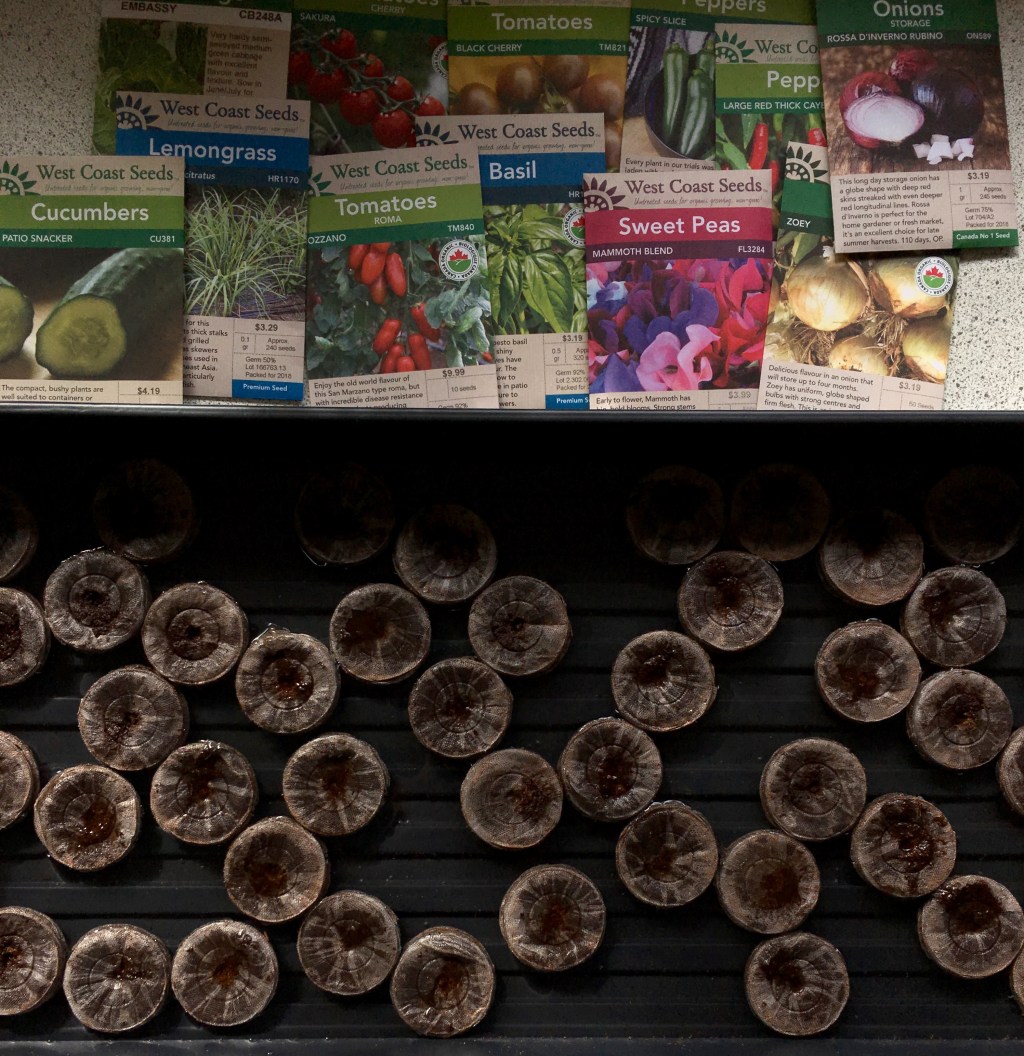
    That little frisson of envy and anxiety would perk up at the panic-buying of chickens and the video pleas from West Coast Seeds to please be patient, we’re experiencing unusual demand. I was working and parenting and re-orienting to life in isolation and trying to fit in the occasional mind-clearing walk in the woods. All my garden time in March and April was single-mindedly devoted to weeding the strawberry patch, an epic battle that left me hallucinating invasive wiry grass root systems whenever I closed my eyes. It was a race against time to excavate the plants before they began to flower, signaling May. It was a race against the 7 year old’s tolerance for solo-play. It was a battle compounded by the sense that now everyone else in the world was jumping ahead of me, scooping up all the seeds, all the soil, on top of all the yeast, flour and toilet paper they’d already stockpiled. Oh, hello scarcity mindset, my pandemic dance partner. The things that matter most (stretches of uninterrupted time, kids for my son to play with, seeds, clarity about the future) all seemed in desperately short supply.

    One afternoon trail-running, the sudden scent of cottonwood stopped me in my tracks. It was as if someone had spilled a jar of infused oil. I stopped and inhaled deeply, looking around to for the source. “What?” I wondered. “What is it?”

    It took a while for me to settle into listening mode, but when I did, the thought arose/the tree I could smell but couldn’t see, said: “When you work with us, you create the relationship that allows us to work with you.

    I had recognized the scent because I had worked with cottonwood – gleaning buds back in the spring of 2019, packing them into a jar and pouring olive oil over them, tucking it in the pantry and shaking it when I remembered. A year later, I strained out the plant matter and poured the sticky oil into an old tin can, warming it over a saucepan of water, into which I chucked the leftover ends of a beeswax candle, to make a salve for aching muscles.

    Had that quiet afternoon, working with my hands, my attention, and the invisible company of half a dozen women who had introduced me to this tree over the past few years, also been a gateway into a deeper relationship with the tree species itself? Could it be that a tree was now suggesting to me, that by doing that, I was opening up a portal of reciprocity, a way in which the plant could now work with me, too?

    As I finally declared the Victoria Day long weekend my time to plant, and cleared away mounds of last year’s garden debris from one bed, feeling that little surge of overwhelm, inadequacy, I thought back to my cottonwood-perfume-on-the-trail moment and wondered if maybe, I could just ask the garden nicely to be prolific this season to support my family, and even possibly, to allow me to support other families. After all, as I turned up self-seeded carrots and cilantro and a bounty of worms, it seemed bent on sprouting forth with life. Perhaps we could work together.

    What if the Law of Nature is as simple and generous and sensible as this: Work with what you have. It will work with you.

    Dr Robin Wall Kimmerer, botanist, professor and the author of Braiding Sweetgrass: Indigenous Wisdom, Scientific Knowledge and the Teaching of Plants, asks her nature-loving students if they believe nature loves them back. They’re always a bit insulted or shocked by the naivete of the question. They’re scientists, after all.

    Kimmerer writes, “How do I show my girls I love them on a morning in June? I pick them wild strawberries. We pick violets in May. How do we show our children our love? Each in our own way by a shower of gifts and a heavy rain of lessons. Maybe it was the smell of ripe tomatoes. It just came to me in a wash of happiness. I knew it with a certainty as warm and clear as September sunshine. The land loves us back. She loves us with beans and tomatoes. By a shower of gifts and a heavy rain of lessons. She provides for us and teaches us to provide for ourselves. That’s what good mothers do.

    I will always compare my garden to other people’s neater ones, the square angles, black soil, cute little labels, fancy trellises. Mine is chaotic and messy and imperfect. But it’s working with me. I felt the sudden lift of that, eased my trust into it. Some things will get eaten before I can harvest them, by deer or slugs or the kid. That’s part of it. We are impacted by other beings. It all flows. In this wild space, I dropped seeds and found a promise, and a reminder: it’s not all on my shoulders. All these beings and energies and life forms – the seeds, the wind, the rain, the worms – are working with me. Bringing me back, beckoning me back into relationship. Together, we might be okay. In fact, we might even flourish.



  • Supply Chains…And a Challenge for Pemberton’s Non-Gardeners

    Supply Chains…And a Challenge for Pemberton’s Non-Gardeners

    How is everyone doing? I have been thinking about so many of our assumptions lately. That the tourists will come. That Whistler Blackcomb will open. That our kids will be in school. That I can get on a plane and fly to Italy. That I can ride the ferry. That I can go to the store and purchase what I need.

    Our supply chains:

    I read a locally published book about a decade ago called The Cucumber Tree – a memoir by a man growing up in Vancouver in the 1940s and 1950s. He recalled evenings with his family; dinner was always at home. Never would they go out for dinner or even out to other people’s homes for dinner parties. Dinner was prepared and eaten at home, every night.

    We just have assumptions that we can go out for dinner and that we will be able to travel. And this is a new assumption. It has only been since I was growing up that going out with the family was a thing. And to recall, it only occurred on a special occasion. I do not remember too much of it going on but if we did eat out, it was to a family-run pizza restaurant in my neighbourhood in Vancouver. We have so many lifestyle assumptions under fire right now.

    Back when my parents were growing up food supply chains were different and going back further your family and your home was a big part of the supply chain. You ate what you grew. You preserved what you could for the winter.

    Here in Pemberton yes, we are very lucky to have farmers and so we would assume that we will always have access to good healthy food. Yet…

    Many articles are being written lately about growing a “Victory Garden” and that if you can you should be more food secure within your own backyard. It is time to get cracking. If we are not gardeners then this would be the time to start. If you don’t grow anything then maybe this year grow one thing – one thing that you aren’t going to be reliant on anyone else for. If you live in a townhouse or condo in town, can you grow your own herbs? Sprouts? Micro greens? If you have a yard but simply don’t garden, start with one, two, or three items that will sustain you. I would lean towards items that are hardy like chard, kale and spinach. Fresh herbs – parsley, cilantro, dill, basil, chives – make a meal.

    A Note on Veganism:

    I am thinking vegans and vegetarians are pretty pissed off at the world, with Covid-19 originating from the filthy Wuhan, China wet markets and the disgusting treatment of wild animals caged for human consumption there. I think we owe vegans and vegetarians enormous respect, and I think they have every right to be angry. Maybe this is that time to pursue veganism or vegetarianism, or to pursue this way of eating as best we can.

    I read all the Little House on the Prairie books by Laura Ingalls Wilder when I was a kid. My favourite was Farmer Boy and how the Wilder family grew all their own food, spun their own yarn from the merino sheep they raised, and were successful in their efforts. Do you think there were any vegans back then? When the supply chain began and ended with you and your family throughout the year, where did alternative eating come in? Something to chew on. Respect the planet, have knowledge of where your food comes from, and if you can, raise it, grow it, hunt it yourself.

    What would you eat if you had to grow, raise or hunt it yourself?

    A meal from my own yard, by a minimal gardener (who may become a proper gardener this year):

    Sautéed garlic scapes (sautéed in hazelnut oil, which I would have to learn how to make)

    Spinach salad garnished with cilantro, dried saskatoons, and toasted hazelnuts, with a dressing of hazelnut oil and minced garlic

    Fruit salad of chopped apples, cherries, plums, and apple-pears

    Barbequed deer steaks (hunted locally by my spouse)

    If I were to get serious about my victory garden I would plant spuds, beans, hardy greens and romaine lettuce. I am considering a small backyard chicken coop. It would be a lot of work, but individual food security is a worthy goal. I consider weeding back-breaking labour after about 15 minutes of crawling around in the dirt, mosquitoes buzzing in my ears, and the relentless Pemberton sun beating down on me. Again, I salute the farmers. We are lucky to live among them, now more than ever.

  • A question of growth

    A question of growth

    I read somewhere that your garden is a reflection of your personality.

    My garden has gone off-script.

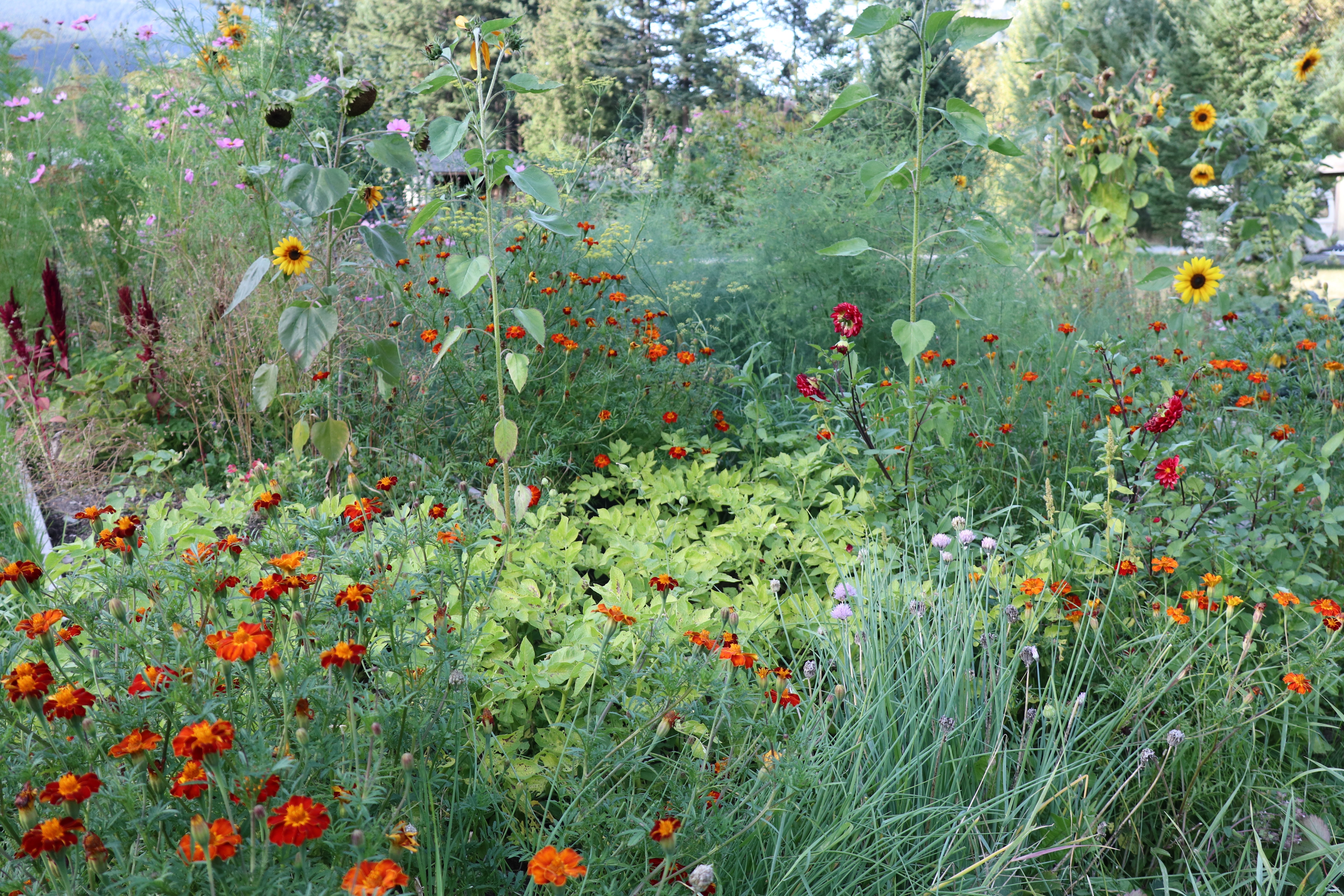
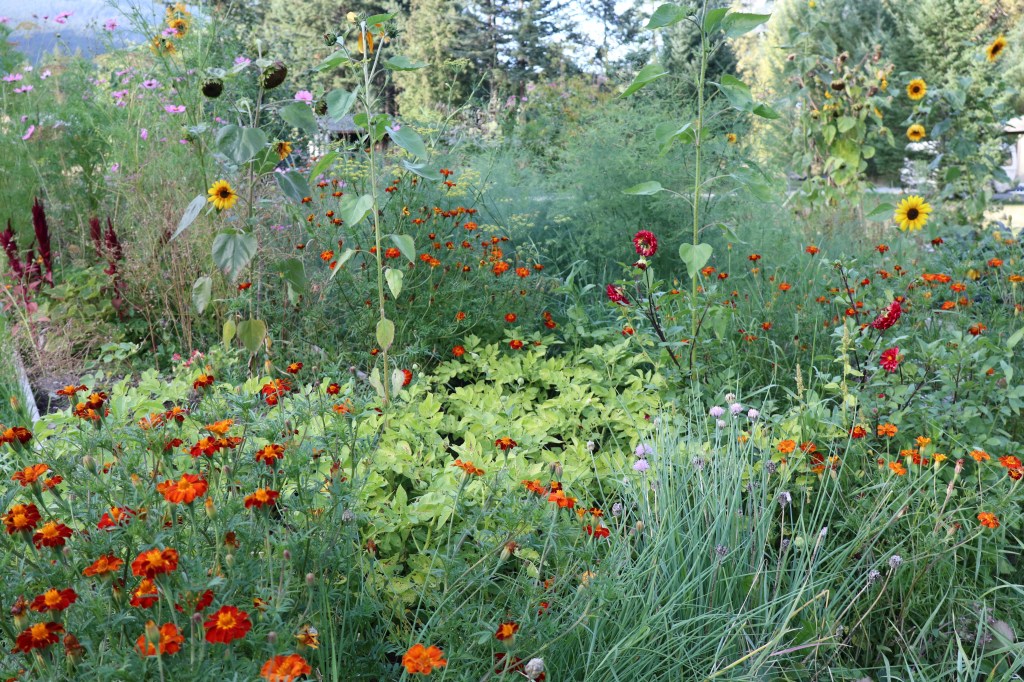
    It is wild, unkempt, rangy, not willing to commit to any one single thing beyond the belief that there are mysterious forces at play in the natural world to which I surrender control. It’s utterly prolific and not in any way linear or orderly. It’s an offering to pollinators.  On any given day there are so many different bees and wasps and butterflies and dragonflies that the air shimmers and vibrates. It’s been full of weeds since I discovered some of those weeds (hello purslane! hello plaintain!) are edible or medicinal, so opted to welcome them, taste them, invite their medicine in, instead of battling them. Battles are so rarely won.

    IMG_1536

    Last season, and all the seasons before in which I’ve engaged in this yearly experiment, all I could see were the flaws, the lack of order, the ample evidence that if a pioneer-era family were depending on my skills, we’d all be dead, that my late grandmother would shake her head at how few life skills I have.

    food_velocity1-1-8f860220b7694f98

    Today, with the cosmos, dill-weed, sunflowers towering over me, I am okay with this. I have realized that self-sufficiency isn’t as worth cultivating as community is. And each year in the garden, I have learned that I am part of a community of pollinators, of birds, of earthworms, of black bears that I shoo away, but who still win their fair share, of beet-green-nibbling deer (*shakes fist at air*), of rats (*insert unpublishable curses and shudders*), of friends who gift seedlings and starts and neighbours with abundant fruit trees and a willingness to share. This eco-system membership card comes with no assurances or written guarantees, and yet, I suspect I am more resilient in this club, than if I had invested my loosely focussed energy in a stockpile of canned goods, some guns, and a padlocked larder full of canned peaches.

    IMG_1608

    My garden is wildly prolific right now. And in a few months, everything will be dead.

    This is the way of the wheel of life. This is what is true, as much as I might like to push it away: every possibility grows out of an ending. And the endings keep coming around.

    The other night when racing-brain-syndrome pushed sleep away, I reached for a book of Mary Oliver poems. Turned on the light and read until my mind settled into the hammock of Oliver’s words, and I slipped back to sleep with these lines resting on my chest:

    “Every year we have been witness to it: how the world descends into a rich mash, in order that it may resume. And therefore who would cry out to the petals on the ground to stay, knowing as we must, how the vivacity of what was is married to the vitality of what will be? I don’t say it’s easy, but what else will do if the love one claims to have for the world be true?”

    Mary Oliver Lines Written in the Days of Growing Darkness

    Growth has been the mantra of this diseased era, the Anthropocene. Globalised growth detached from place or relationship. Growth, unrestrained by upper limit or sense of limitation or restraint. Growth without end.

    The folly.

    When Kate Raworth, the British economist and author of Doughnut Economics,  remodeled the way we look at the economy, she drew, instead of a pyramid, or a supply chain or a spreadsheet or the colonization of other planets, a doughnut.

    doughnut

    The first thing she did was draw a big circle around the outside of the economy and say: this is the limit, defined by the Earth’s life-supporting capacity. And here in the centre is a hole, and it represents everyone we’re failing. The challenge is to live within the doughnut – the space between the limits of social justice and planetary systems.

    When you trade growth-without-end for doughnuts and gardens and the wheel of the seasons, you have the courage to accept limits, to be still, to acknowledge endings and loss and the discomfort of never really nailing it. You also give yourself permission to start over, again and again, to risk it on relationships, to know the wealth of a table loaded with good food and air vibrating with bees, the difference between a larder and a hoard.

    IMG_1524
    my gardening guru, whose garden is most definitely not a shit-show, sharing her cuttings, dahlias and wisdom with the next gen

    I pile clippings and weeds and garden detritus onto a bed, and prep another for next year’s garlic, and steadfastly ignore those that are gone past the point of no return. I offer the birds free-rein at the sunflowers. I collect coriander seeds that dried on the stalk when I let the cilantro go to flower, and the surfaces and corners of the house fill up with brown paper bags full of drying seed pods and flower heads – reminders that this will all come around again, and this full lush vivacious moment is a good time to think about what to offer to ensure the vitality of what will be.


  • Three Things Cindy Coughlin Learned This Summer about Getting Dirty

    Three Things Cindy Coughlin Learned This Summer about Getting Dirty

    This is a guest post by Cindy Coughlin, a Pemberton-based HR professional, coach and facilitator, who operates Thirst for Change Coaching, where she blogs knowledgeably but equally engagingly about things other than gardening. When she told me recently she had unexpectedly become a happy garden-sitter, I begged her to write about it for Traced Elements. I had literally just seen Dawn Johnson that morning, and learned that Dawn’s squash plants grew over the wheelbarrow, obscuring it entirely, as it awaited  Dawn to return from a camping weekend and get to the garlic harvest. So I share Cindy’s awe for this Eden in which she has apprenticed herself. So happy to welcome Cindy to the Traced Elements community. ~ Lisa

    +++

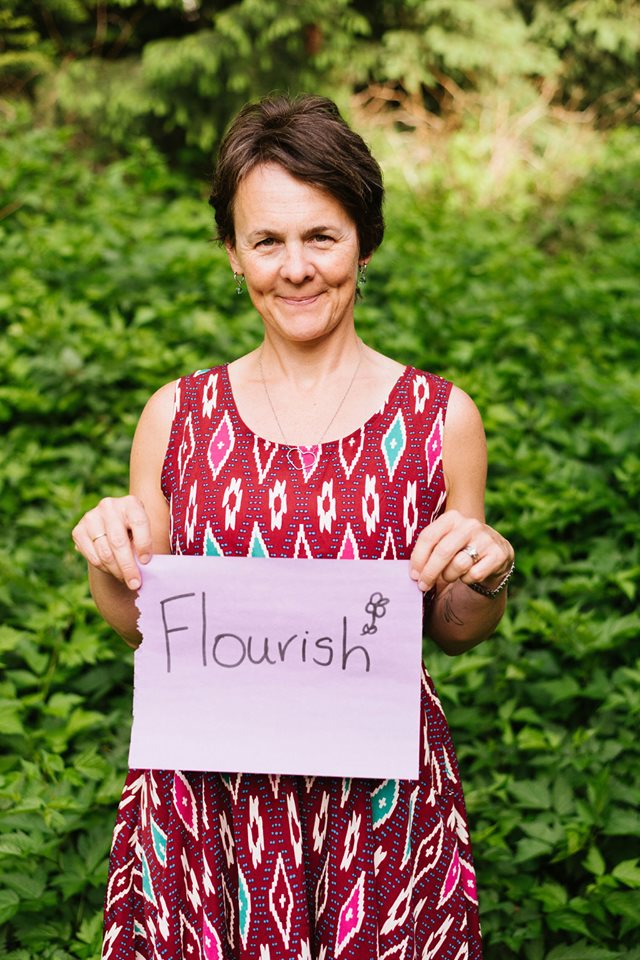
    Flourish. This is my word this year. It originally started as part of a peer mentoring group where my main focus was on getting my consulting business up and running. We had to come up with a theme or a word. I picked Flourish. Well, actually I picked “Nourish to Flourish” –  the idea being that I put in the care and attention to help build up my first year of going it solo.

    66390578_2797551553607639_2291418099557072896_n
    Cindy Coughlin chooses to Flourish. Photo by Cathy Goddard

    Nourish, according to the dictionary, means to cherish, foster, keep alive, to strengthen, build up, or promote.

    Flourish is to thrive.

    And this mantra, this intentional approach has quite naturally carried over to other aspects of my life.

    I’ve been working with my awe-inspiring, plant-whisperer neighbour and friend, Dawn, in her spectacular garden. I approached her in the spring and asked her to put me to work. Now to give you some context as to how outside my comfort zone this is – when I was younger and had the list of chores split with my sibs, I’d be adamant about staying inside and doing the laundry, vacuuming, etc. When I moved to Whistler and started off as a lifty, it was the worst job I could imagine. I hated working outside (I know weird, right, cuz I love riding and skiing and playing outside). I also really hate big bugs – especially of the 8-legged nature.

    IMG_3790
    Plant-whisperer Dawn Johnson. Photo by Cindy Couglin

    But this spring and summer, working in the garden, have nourished me in the best ways.

    Here are three things I’ve learned about getting dirty:

    Paying Attention

    I need to be paying attention. I’ve been reading books about trees, books about bears, books about over-tourism. I’ve been watching tons of the stunning newsfeeds on the climate emergency. All of these are asking me, begging me, to step up my game, consider my impact, take some type of action – start somewhere. And now I feel the pull to pay attention. To pay attention to my food. To pay attention to how nature provides. To pay attention to the interconnectedness.

    Recently I was trying to cut some lettuce, quite close to a flower which had a busy bee in it. I could see the bee was getting agitated with me being so close. So, instead of wildly flapping my arms to scare away the bee, I just stopped and watched. The bee did its bee thing in the flower and then moved on. I felt so filled up. Co-existing and working with nature.

    IMG_3791

    Feeding my Soul

    Dawn and her family went away for a week and I was trusted with taking care of everything while they were gone. Isn’t that incredible – I was TRUSTED to take care of a garden – my mom would literally think I’d been taken over by aliens.

    And it was incredible. Everyday I’d check on the budding plants. I’d chat with the chickens and bees. I’d cut some lettuce and some yellow little squashy thing for dinner salad. I’d find that zucchini hiding under a massive, prickly leaf – happily earning my stripes by scratching my arms while I cut the stem. I’d just stand and stare and admire. I’d thank the garden for everything. I’d tell the garden how beautiful it was.

    I tend to just take. Take from this earth. I feel like I’m starting, albeit in a small way, to give back. I’m starting to see, really see. And by seeing, by paying attention, I am feeding my own soul. I am seeing the interconnectivity. I am part of the impact and I can make new, different choices.

    And I’m learning. Dawn to me is like Yoda was to Luke. Like Mr. Miyagi was to the Karate Kid. Her wisdom and unwavering passion is a gift to this world. And I feel so filled up as I watch, listen, try things out and learn. I’m learning how to garden. I’m learning to care for my food. I’m learning to take only what I need. I’m learning about eating food that is in season and waiting, anticipating, for things to come back next season. Meaning, going without in the off-season – oh the anticipation will make it so much sweeter.

    IMG_3789

    All the Good Eats

    The little yellow squashy thing that I thought was just an ornament has this beautiful mild flavour with just the right amount of crunch. The edible purple flowers that my Albertan-meat-and-potato husband is welcoming in his salad – taken in very small quantities because the bees love them so much – are so good. The cukes and zukes that seem to grow 5 inches overnight – no one believes me – but I think if I sat and watched them for 24 hours, I’d actually witness them growing. And the flaves from these are incredible!

    IMG_3786

    I’m completely impatient for the carrots and so am happily pulling them as babies in service of giving space for the others to grow nice and big and sweet. Have you ever pulled a carrot from the earth, dusted it off and ate it right there? Nothing tastes better.

    And the pièce de résistance, the biggest surprise of all has been the asparagus. Dawn simply broke off a piece and handed it to me right in the garden while she took a mighty crunch from her own piece. No salt and pepper, no butter. I took a tentative bite and was shocked to find out this is what asparagus actually tastes like. Almost 50 years old and I have just experienced what asparagus is supposed to taste like for the first time in my life.

    IMG_3787

    If I can do this, anyone can do this. I am getting dirty. I am working it out with the 8-legged-who-shall-not-be-named. I am learning. I am growing. I am nourishing. I am flourishing.

  • Mulch: the key to successful gardening

    Mulch: the key to successful gardening

    I get asked a lot for gardening tips: what to do and not to do.

    These, of course, are never replied with straightforward answers. There are so many factors in such a dynamic environment that it’s never an exact science.

    However, if I could choose one word that always defines success it would be MULCH!

    A weedy bed is not only unsightly, it competes for sun and nutrients. Weeds are a breeding ground for pests and diseases. They usually outperform your desired crop and can physically and emotionally exhaust you. Just when you think you’ve tackled them they reappear with vigour. It’s a never-ending losing battle.

    Some say to use a sterilized potting mix and well-heated compost, but these lack the nutrients, micro organisms and minerals of real soil. Weeds will eventually be introduced by wind and birds anyways.Weed seeds can live in the soil for over 7 years, so why fight it? Mulch.

    DSC_0145

    A good mulch is a thick layer of almost anything bio-degradable.

    A light sprinkling serves no benefit. It has to smother the weeds completely. I use a good 3-5 inches of hay or bark mulch. Straw is superior over hay because it lacks grass and weed seeds but is difficult to obtain and expensive. I prefer rotting hay from square bales left outside for a few months . The weed seeds have usually decomposed and the hay is already on its way to becoming soil, full of moisture and bacteria.

    If weed seeds still persist, who cares? As long you continually keep mulching, it’s not an issue.

    Fir bark mulch is superior to cedar, as the latter contains a natural growth-inhibiting preservative, creosote.

    The best, I find, are the wood chips from the tree services that usually contain a good mix of hard and soft woods and promote mycelium fungus that is beneficial to the soil.

    You can use so many recycled items to mulch. Lumber tarps are temporarily good for smothering the grass on a new field. Newspapers, feedbags and cardboard work great between rows and even better with a layer of hay on top to keep it down. Landscape fabric works great and breathes. We use a corn-based bio-mulch – essentially a compostable black plastic film, on all our beds. We just poke a hole in it and plant. We install a drip system of watering under the bio-mulch, otherwise only the plant bases get moisture. Besides pulling a few weeds that grow in the same hole we really don’t have to weed it. We can focus on fertilizing , staking and harvesting.

    Mulching is best when its done after a good soak and when the soil has warmed.  You don’t want to preserve the cold dry ground. It’s also best when your seedlings or transplants are well established.

    Be gentle at first and don’t be shy. Use it liberally. It’s hard to over-mulch but detrimental if there is still exposed soil. In that case you’re promoting weeds and losing moisture. Go heavy.

    DSC_0146

    A popular gardening trend in permaculture is the no till method. This is when instead of tilling your soil every season and continually between rows, you just keep mulching and plant directly in it. Tilling may make the ground temporarily weed-free and easy to work, but it also disrupts the micro-ecology and exposes the soil to wind and water erosion.

    In nature the soil strata is layered. Healthy soil in the wild has a top layer of duff or humus on the surface from decaying  plants, leaves and branches, therefor creating a layer of composted top soil followed by mineral rich sub soil and then gravels.

    Mother Nature has the perfect recipe for the richest medium providing the best protection, drainage and nutrients in layers for the plants to access, encouraging  them to send their roots deeper to get what they want and need. When in doubt always look to nature for guidance. Mother knows best.

    An hour of mulching will save you several hours of weeding even more of watering. It will prevent erosion,  the leaching of nutrients and will eventually  feed and condition your soil when it’s tilled in, or better yet, left for the following season. Lift up a section of mulch and you will find worms and a layer of their super nutritious castings. Mulching is the very best thing every gardener should do. Once you’re on the program you will never go back to exposed soil gardening again.


  • The Do Over

    The Do Over

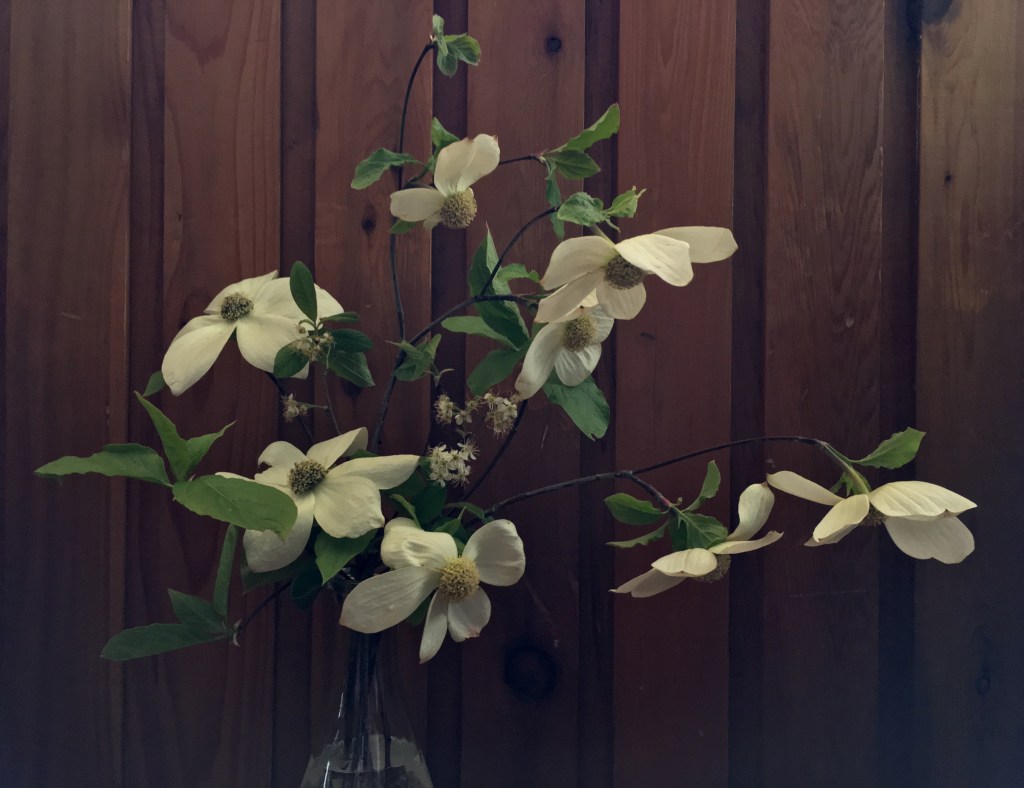
    My favorite strip in the ol’ daily commute is in full bloom: Dogwood Row aka the false flat of Nairn Falls. When this magical time finally happens I know spring has officially arrived. These native beauties symbolizes this time of the year perfectly: rebirth and resurrection, durability and reliability, strength and resilience.

    So, life has felt a little backwards lately and I’ve been dormant like the bulbs I planted in the fall: slowly growing in hibernation, slowly surfacing to flower. While the green glow of spring delivers a healthy dose of new beginnings there will always be things that don’t survive the winter.

    The beauty is, you can always replant.

    Spring offers up a chance to do over everything from last year… literally, start fresh, change the pattern and do it better. Prune away the dead to promote new growth, leaving some things the same (they’re called perennials for a reason) and don’t forget to tend to your evergreens as they are there for you every season.

    IMG_8308

    It’s not always as simple as it seems: a large puzzle with small pieces. Sometimes you’re rewarded beyond expectation in an instant and sometimes patience is a virtue.

    But by saying yes to growing new things and experimenting with new varieties we can create a new palette to work with.

    There is little risk in gardening if you’re willing to fail and get your hands dirty. Notable and new to my garden this year are Jerusalem artichokes, shiso and fennel (which will actually be nowhere near my garden because it’s friends with no one). Oh, and way more flowers! Because why not? And pollination is key to life. Other plants are bound to sneak their way in too.


    When supported by a cast of usual suspects: beets, carrots, cabbage, cauliflower, cucumber, tomatoes, brussel sprouts, squash, cantaloupe, onions, garlic, strawberries, raspberries, blueberries, peppers, peas, beans, all the herbs, chard, radish, daikon, celery, kale, romaine, greens, kohlrabi, leeks etc, one can be nourished and flourish quite well.

    There is a good chance I’ve already said this but I’m just going to keep saying it:

    Grow what you love, try new things, revisit old favourites and savour the process.


  • Happy Anniversary, to me.

    Happy Anniversary, to me.

    It was a year ago to the day while consuming a couple tasty Steam Works IPAs in a Richmond Irish Pub en route to a family vacation in Mexico that I took the plunge and joined the Traced Elements family. Maybe it was liquid courage that egged me on because at the time I was scared to dive into a world I knew nothing about: writing. The only constant I had to offer was my deep love for gardening. As luck would have it I learned I also loved to write – or maybe this whole endeavor came into my life when I needed a new outlet more then I realized at the time.

    Regardless: it’s one of my favourite decisions to date.

    The winter’s sun, as of late, has been flooding my living space with a warming heat reminiscent of sandy beaches and margaritas while the arctic air swirls around outside. My cheeks are constantly blushed in colour having been kissed by the cold. Overall, I welcome this false warmth; it’s a perfect excuse to devour a bowl of spicy miso ramen, everyday.

    As the days get longer I look forward to my garden springing to life, even if they are currently blanketed in more snow then I can recall in the valley in years, my thoughts are hopeful, green and full of blooms. Many days I get lost and overwhelmed by the potential of things to grow as I browse numerous websites. Basically, my urge to propagate as many cool things as possible usually wins. You already know if you’ve read my other blogs that I’m a firm believer in the, “there is no harm in trying” experimental method.

    Seeds; they fuel everything. (A little bit of love doesn’t hurt either.)

    Plant anything and something good is bound to come from it. Sometimes there is growth and sometimes there are failures; either way you’ll learn something.

    I have been carrying the following quote with me for years but it is only now that I finally feel like I am acting on it (after all spring ushers in rebirth). So, in the words of Byron Pulsifer I leave you with this,

    “Passion creates the desire for more and action fuelled by passion creates a future.”

    …get ready to see some really cool things from me.

    #summerofmeesh


  • Growth

    Growth

    “Life is like a box of chocolates. You never know what you’re going to get.” Forrest Gump

    Without a shadow of a doubt I can say this has been one of my most challenging years to date.

    Thus, I’ve been quick to say, “Peace out 2018, thanks for nothing!” But really, deep down I’m actually saying, “Thanks for everything. “

    Having suffered a bad concussion earlier this spring I was forced to slow down and smell the roses. My garden became my sanity through it all and I re-kindled my love affair with the soil under my nails. (If only the confidence I feel within those walls projected throughout all aspects of my life.)

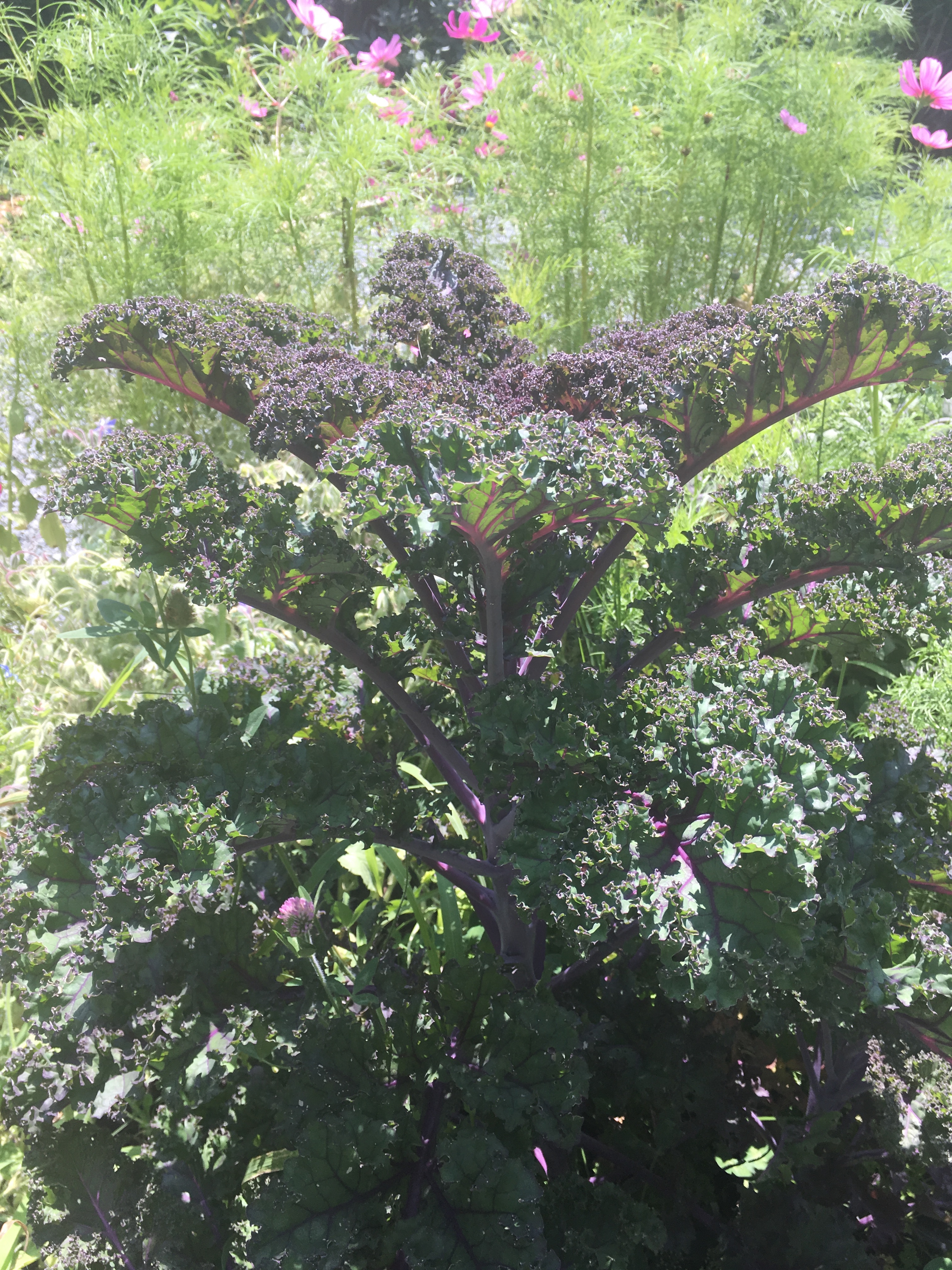
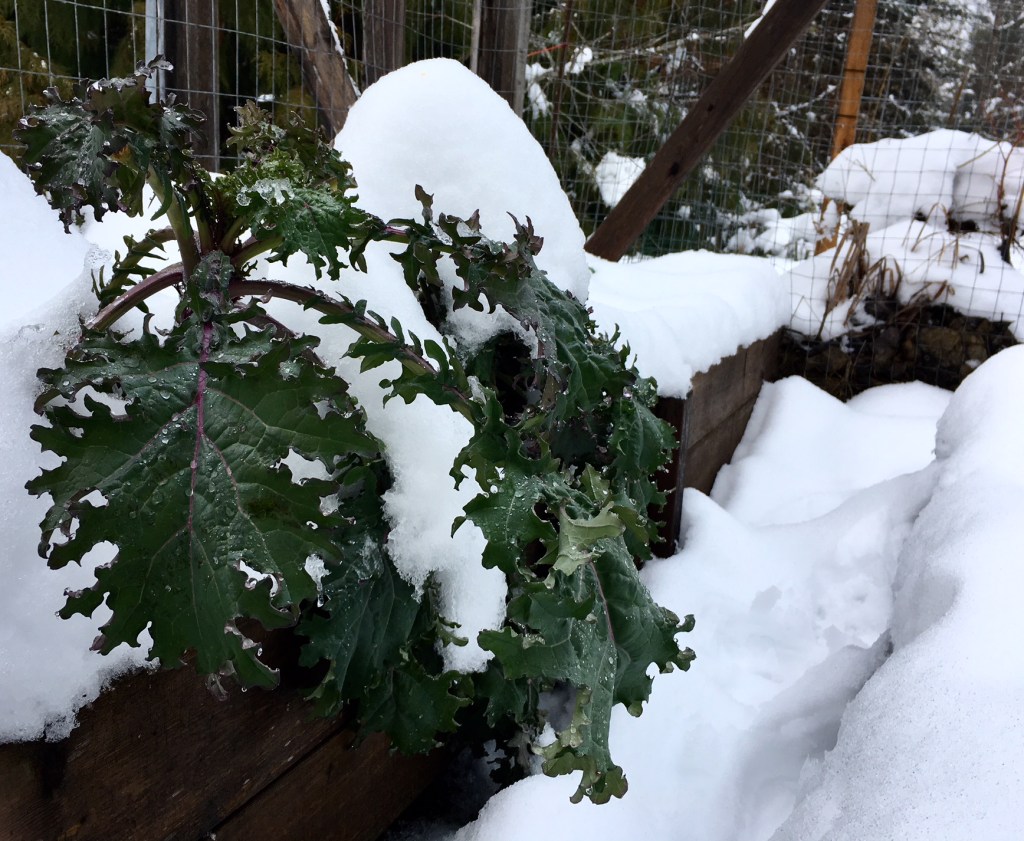
    But if kale can weather harsh conditions and continue to grow then so can I. My roots are strong; I’m just feeling bound. All I need to do is prune back some dead shit, be re-potted and I’ll bloom.

    For years I’ve reached for the cheat sheet in a box of chocolates because I wanted to know what I was getting (otherwise known as the Comfort Zone). Bite into something “gross”: no thank you. But life for the most part doesn’t give us something to follow and you just have to be ready to ingest anything.

    All of this being said; learning will nourish my new year as I deepen my love for all things horticulture. The second step is sharing it with those who need some inspiration or want to learn more or just need a little nudge.

    Here are your first tips:

    Grow your own food: it’s the best way to get what you want.

    Experiment: maybe you’ll discover that something you thought you hated you actually love.

    As we grow in the life we’ve been gifted we begin to learn we love some flavors more then others. Breaking away from the comfort of our favourite flavors is when we will be most rewarded but it’s key to keep some classics in your back pocket.

    In the end if we keep sowing our own seeds, growth is inevitable.

  • Gifts for Soil Lovers

    Gifts for Soil Lovers

    HOE HOE HOE: a gardener’s salute to the holidays!

    The countdown is officially on to the day jolly ol’ Saint Nick gobbles up treats left by excited little people, adds a splash of rum to a glass of eggnog and leaves gifts for all. I thought it a perfect time to share a few thing that graze my wish list/need list throughout the year, in hopes it may inspire some of you stuck on stocking stuffers.

    Promise me this — you will source locally as much as possible. For the love of sustainability and supporting our community, we need to tighten up our game.

    So, here we go (in no particular order): fun ideas for the chef, gardener and wanna-be green thumb in your life.

    1. GLOVESI’m the first to admit I use them sparingly but I’m sure happy to have a set around and nothing beats a new pair; like the feeling of a fresh pair of socks.
    2. NAIL BRUSHMany of us are proud of the dirt under our nails and our calluses but sometimes life calls for clean hands. Small Potatoes Bazaar has you covered.
    3. FELCO PRUNERSMy personal favourite are the #2; an essential component to any gardener’s kit and the holster is a mandatory accessory. Available at Pemberton Valley Nursery and their Whistler location along with a great selection of gloves and number 12 on this list!
    4. GARDNER’S DREAM CREAMTreat your hands – they do so much hard work. Stay Wild keeps their shelves stocked with the goods.
    5. SCANDINAVE SPA PASS w/ MASSAGE The heavy lifting and bending is over; this gift is a no brainer.
    6. BOOKS!There are so many options out there but here are my current top three picks: Floret Flowers (Erin Benzakein, Julia Chai), Seed to Seed (Susan Ashworth) and Putting Food By (Ruth Hertzberg). The folks at Armchair Books are great. They don’t always have what you’re looking for in stock but they are amazing at getting you what you need as fast as the other guys.
    7. WEST COAST SEEDS GCTheir seed selection is top notch and their website is like a bible for home and pro-gardeners alike. Grow and eat your way to happiness.
    8. GROWOYAA self-watering terracotta pot that you sink into your garden… AKA: a pretty nifty idea that a girlfriend introduced to me as a way to deal with the summer watering restrictions. It doesn’t work for all vegetables but their website is full of information on how to get the most out of this efficient irrigation style.
    9. CRINKLE VEGGIE CUTTERWe live in Spud valley and are ruled by potatoes so why not have a cool device on hand to make some funky fries from time to time!
    10. VANDUESEN GARDEN PASSThis place is the Willy Wonka factory for plant lovers: so easy to lose track of time, so easy to get “lost”. (Insert the words to ‘Pure Imagination’ from said mentioned movie and you’ll find they’re quite fitting). Plus, you’ll forget you’re even in the city. Every season boasts new blooms and something to discover making it, easily, one of my favourite places to go and geek out.
    11. A JOURNAL note taking and random reminders are a great aid from year to year. They are also a great place to doodle, write down new recipes along with your hopes and greens.
    12. PRETTY POTSThere is always a use for a beautiful ceramic pot… be it to house an indoor plant or something outside. But since you’re at the plant store you mind as well plop a plant in there too!

     From my sleeping garden to yours… happy semi-hibernation and snow days!

  • Obsession

    Obsession

    Lately I’m having a hard time drawing the line between what should get more attention: my new Le Creuset Dutch oven or planning out my garden for next year. What to cook vs what to plant. Either way both schools of thought provide me with a constant mind game and humor my co-workers. Not to mention, a day wandering through the Van Duesen Gardens, tackling Julia Child’s ‘Beef Bourguignon’, absorbing the concepts I’ve been studying in an ‘Intro to Landscape Design’ course and an evening with Stevie (MF’in) Nicks – basically, my mind has been on overload.

    Stimulation: it’s a blessing and a curse.

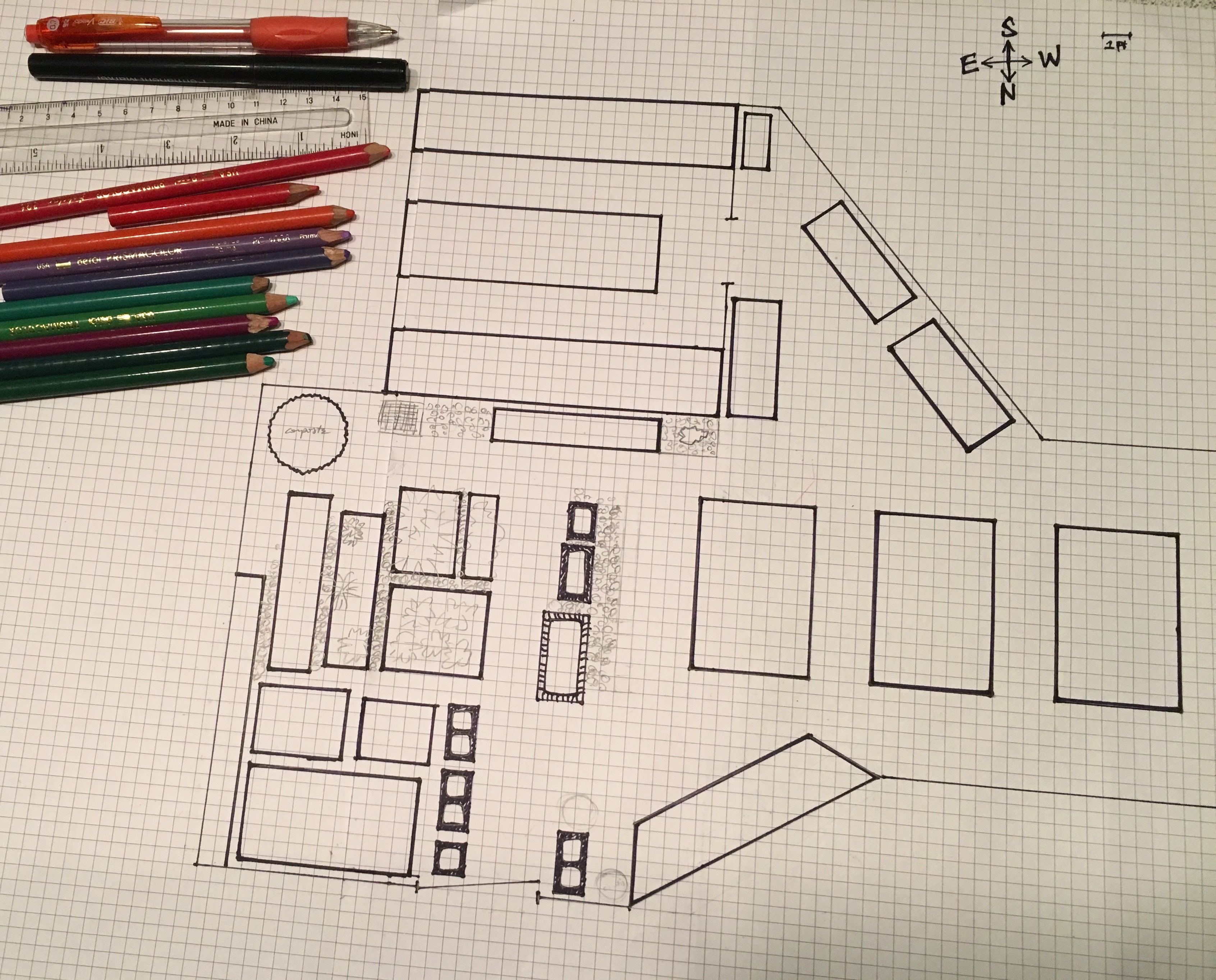
    The Internet was slow as molasses for Cyber Monday sales as people consumed their lives away. It’s also made my normal routine of scouring through sites for new recipes to cook during the week near impossible. So, I decided to kick it old school and take to my graph paper, apply some new design techniques and start planning out my garden. Nothing like thinking in colour on a grey day: Julia Child inspirations can wait… lasagna is on the menu tonight and that recipe is engraved in my mind.

    The process for me starts by making a list of what I loved and what did well, knowing full well that next year might bring completely different growing conditions. But I don’t dwell on that. Just like I’m not dwelling on the fact that last year we were shredding deep snow at this time and this year it’s warm and wet with the lowest base we’ve seen in years. Gross – but c’est la vie.

    The second list I make is what’s sucked or I just don’t want to grow anymore. This is largely based on the fact that I can get it from someone local like Laughing Crow Organics or Helmer’s or without sacrificing my own garden space. Supporting our local farmers is equally as important in the grand equation and should not be left out!

    The third list is the experimental list AKA: my favourite.

    The other lists include; herbs, flowers and things that grow on the deck. This list will change and grow which is part of the glory of working in pencil.

    0

    Second step of the layout plan is to draft your garden space on paper, preferably graph (enter a hint of obsession here), to somewhat of an exact scale in 2D form and trace the outline with permanent marker. Then the fun begins – what grew where and where do they go next: the power of rotation.

    Be sure to sharpen your HB2 pencil and prepare your eraser for this stage. Start plopping your veggies, flowers and herbs in as you see fit. Ideas will come and go as fast as you think them and are on to the next. And to be completely honest, by the time you go to plant they’ve probably changed but hey, remember, it’s just as much fun to colour outside of the lines as within.

    IMG_6599

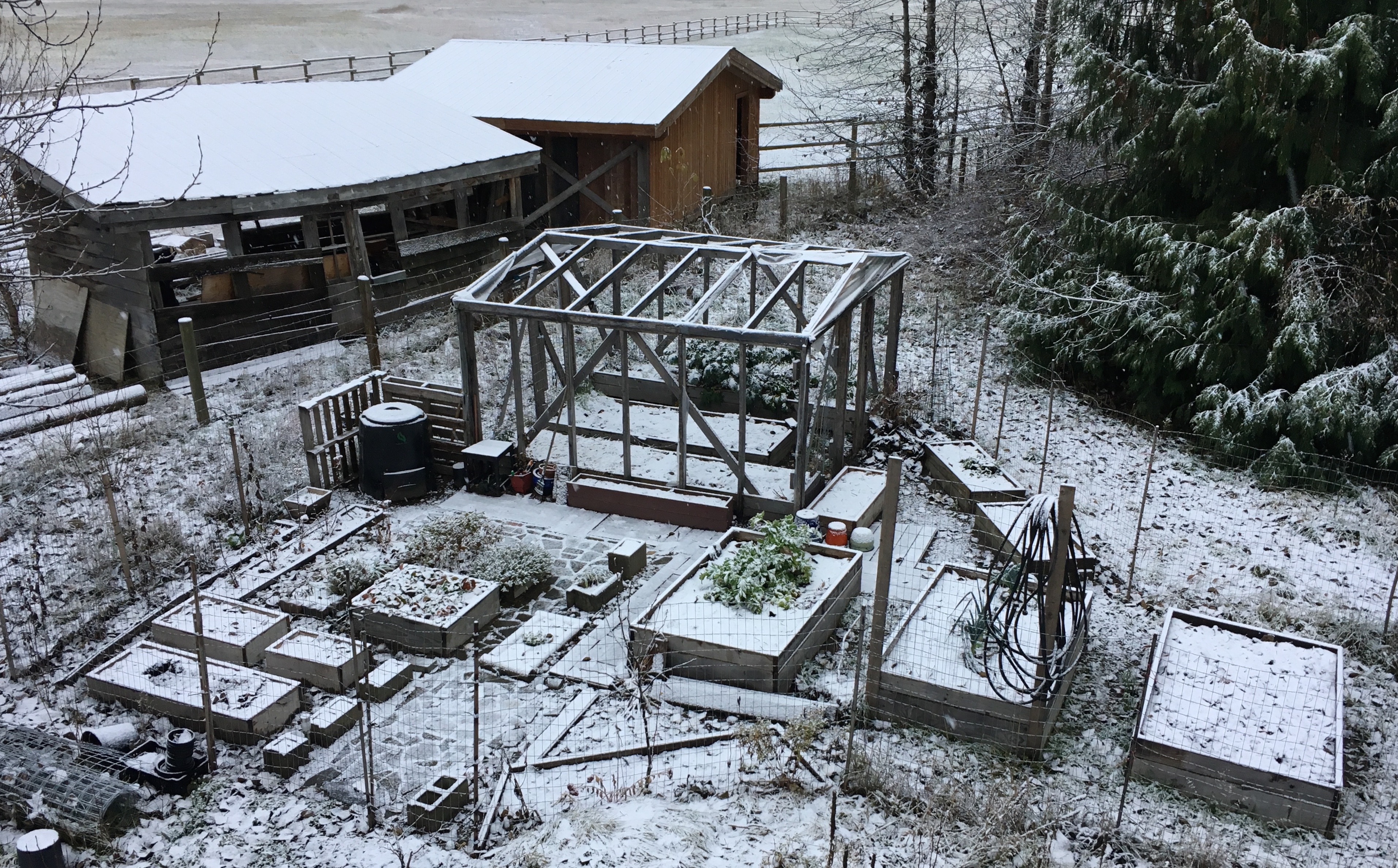
    Third step… sit and wait. It’s winter – the ground is frozen, you can’t plant shit but somehow your kale still seems to grow; roll with it. Pour yourself a tasty beverage, dream up new ideas, play around with your design, your ideas and aspirations. No thought is too small or unachievable. Remember, I started my current garden with nothing but a “green house”.

    IMG_6526

    To obsess over what you want to grow and eat is a healthy, sustainable step in the right direction – you just have to be willing to try.