Tag: flowers

  • The Do Over

    The Do Over

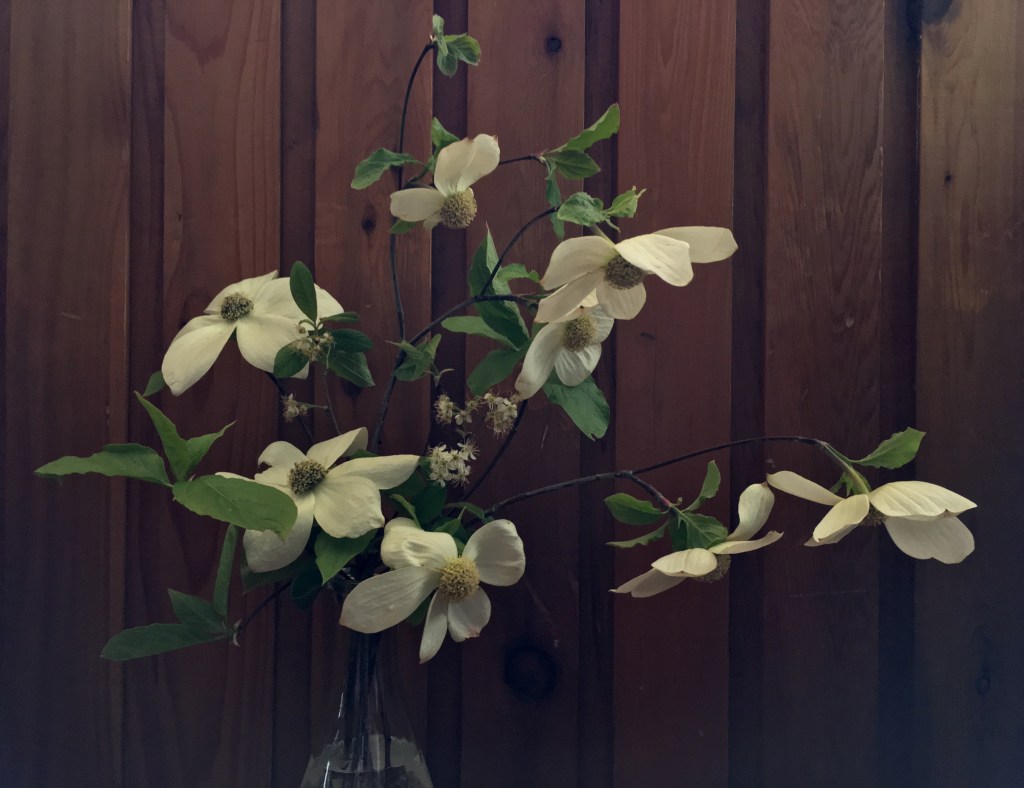
    My favorite strip in the ol’ daily commute is in full bloom: Dogwood Row aka the false flat of Nairn Falls. When this magical time finally happens I know spring has officially arrived. These native beauties symbolizes this time of the year perfectly: rebirth and resurrection, durability and reliability, strength and resilience.

    So, life has felt a little backwards lately and I’ve been dormant like the bulbs I planted in the fall: slowly growing in hibernation, slowly surfacing to flower. While the green glow of spring delivers a healthy dose of new beginnings there will always be things that don’t survive the winter.

    The beauty is, you can always replant.

    Spring offers up a chance to do over everything from last year… literally, start fresh, change the pattern and do it better. Prune away the dead to promote new growth, leaving some things the same (they’re called perennials for a reason) and don’t forget to tend to your evergreens as they are there for you every season.

    IMG_8308

    It’s not always as simple as it seems: a large puzzle with small pieces. Sometimes you’re rewarded beyond expectation in an instant and sometimes patience is a virtue.

    But by saying yes to growing new things and experimenting with new varieties we can create a new palette to work with.

    There is little risk in gardening if you’re willing to fail and get your hands dirty. Notable and new to my garden this year are Jerusalem artichokes, shiso and fennel (which will actually be nowhere near my garden because it’s friends with no one). Oh, and way more flowers! Because why not? And pollination is key to life. Other plants are bound to sneak their way in too.


    When supported by a cast of usual suspects: beets, carrots, cabbage, cauliflower, cucumber, tomatoes, brussel sprouts, squash, cantaloupe, onions, garlic, strawberries, raspberries, blueberries, peppers, peas, beans, all the herbs, chard, radish, daikon, celery, kale, romaine, greens, kohlrabi, leeks etc, one can be nourished and flourish quite well.

    There is a good chance I’ve already said this but I’m just going to keep saying it:

    Grow what you love, try new things, revisit old favourites and savour the process.


  • Plant Porn and Botanical Deviants

    Plant Porn and Botanical Deviants

    Heres a shocker , especially for prudes — PLANTS HAVE SEX!

    That’s right, just like all animals, a plant’s main purpose is to reproduce and they have a complex reproductive system to achieve that goal. If you admire flowers in full bloom (and who doesn’t), you are a voyeur checking out their genitalia, (botanically called gametes.) Nothing conveys love, lust and romance more than a bouquet of flowers with their voluptuous gametes for our viewing pleasure.

    Males have stamens, complete with anthers and filaments. These produce pollen, the basis for fertilization. Females have a carpel with stigmas, styles and ovaries. These organs will eventually produce a fruit and seed to make more babies.

    This is the birds-and-the-bees of plant sex, but there are more juicy details that involve said birds and bees. It often takes a threesome to fully get it on. Unlike animals, plants are immobile and have evolved to allow insects and other creatures (as well as wind) to transport pollen. These pollinators are also turned on and attracted to these beautiful colourful blooms, their scent and nectars. They will go from plant to plant doing the (not so) dirty work, and therefore conceiving more offspring in the process. Many animals are inadvertently involved in dispersing those seeds and their inherent genetic diversity.

    Oddities are just as common as in the human world. Issues with sexual orientation and gender identity exist. Some plants are monoecious, meaning that both male and female systems appear on the plant. Stressed plants can have a sex change and become hermaphoditic – a last ditch effort to reproduce itself. Females that turn into males and fertilize themselves will produce all female seeds (- inspiration for women who want to do away with men and take over the world.) Pseudogamy is a term in which plants require pollination but does not involve male inheritance – kind of like female same-sex couples choosing to have children.

    Stressed plants will often produce an abundance of blooms and fruit as a survival mechanism. This knowledge is used by orchardists to increase yields by heavy pruning, trimming roots and starving them of moisture and nitrogen at certain times. Some seeds need to be ingested and excreted by animals before they will viably sprout. Some plants are sadistic carnivores that eat insects, such as the venus fly trap.

    Just as with pubescent teenagers and menopausal women, hormones are involved. There are 5 different hormones that affect plants growth. A particular hormone gibberellins, necessary for seed germination, can also, in high doses, force plants into changing sex. Also, if plant fertilization is suppressed by removing the male specimens, the horny females will desperately excrete more resins and nectars to get the pollen to stick. This technique is used in cannabis cultivation to produce the potent sinsemilla, translated from spanish to plant without seeds.

    Light intensity and cycles also play a major role. Plants intuitively know when to flower by the photoperiod and spectrum of light. Horticulturists can trick plants into flowering by adjusting these cycles as well as their nutrient regimes. Too much nitrogen and the plant may not flower at all. Adding phosphorous will encourage it it bloom. Potassium will help the seeds to ripen. Once an annual plant is fertilized and goes to seed, its job is done and it will die. The cycle continues through its seeds.

    Some plants are asexual and reproduce via cuttings, grafting or root division. This is often done by horticulturists to make clones of its parent. Since the beginning of agriculture, humans have cross-bred plants to produce better and better hybrids to suit our needs. Mutations have been selected and propagated to give us the millions of specimens we enjoy today. We created the sexual revolution of plants through millennia.

    This is the time of year when gardeners are busy searching catalogs and surfing online for plants and seeds. I call that plant porn — magnificent specimens in seductive and photoshopped poses; erotic descriptions of their habits, wants and needs. They make it easy to pull out the credit card. After all, it’s the golden rule of marketing — sex sells.

  • Obsession

    Obsession

    Lately I’m having a hard time drawing the line between what should get more attention: my new Le Creuset Dutch oven or planning out my garden for next year. What to cook vs what to plant. Either way both schools of thought provide me with a constant mind game and humor my co-workers. Not to mention, a day wandering through the Van Duesen Gardens, tackling Julia Child’s ‘Beef Bourguignon’, absorbing the concepts I’ve been studying in an ‘Intro to Landscape Design’ course and an evening with Stevie (MF’in) Nicks – basically, my mind has been on overload.

    Stimulation: it’s a blessing and a curse.

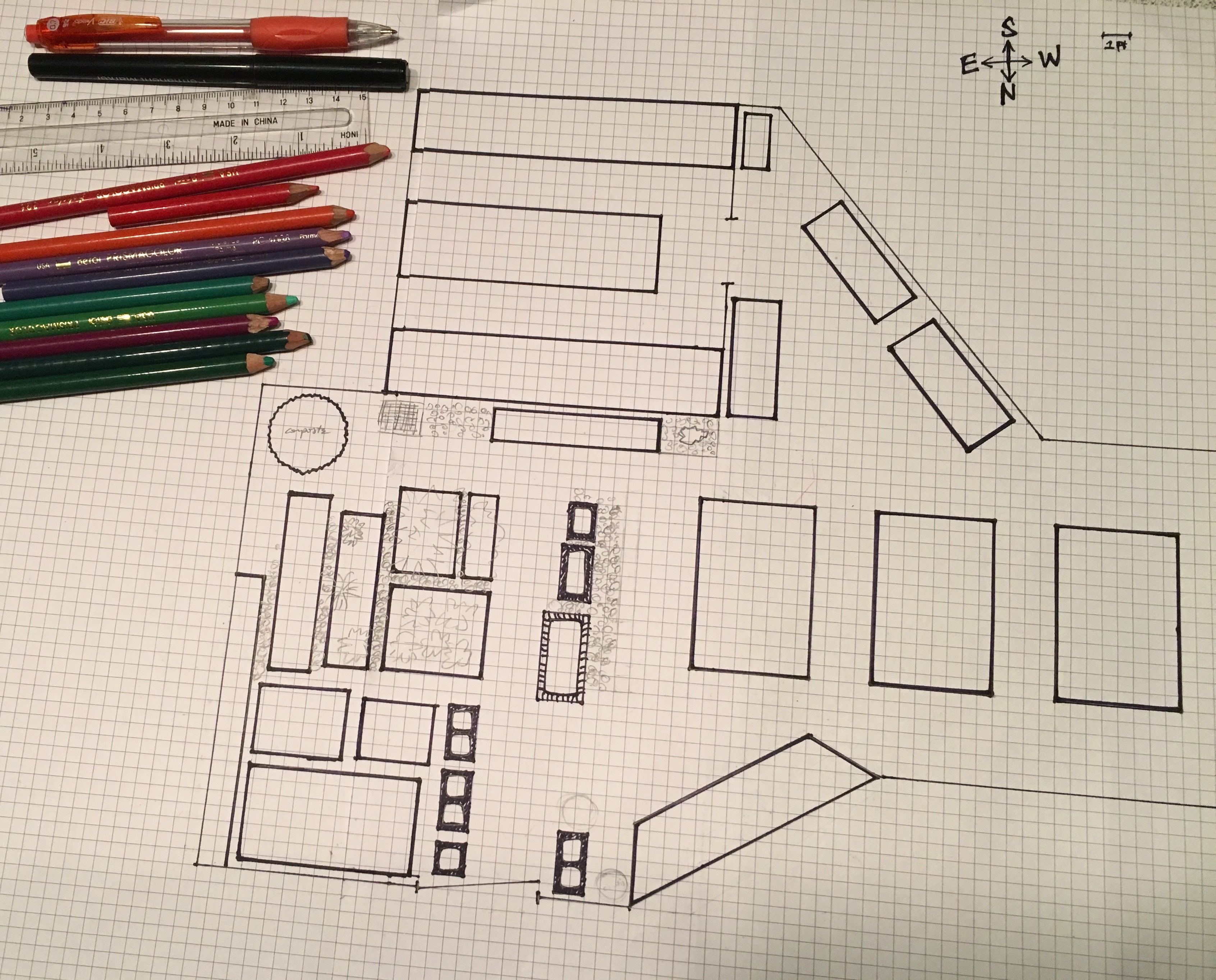
    The Internet was slow as molasses for Cyber Monday sales as people consumed their lives away. It’s also made my normal routine of scouring through sites for new recipes to cook during the week near impossible. So, I decided to kick it old school and take to my graph paper, apply some new design techniques and start planning out my garden. Nothing like thinking in colour on a grey day: Julia Child inspirations can wait… lasagna is on the menu tonight and that recipe is engraved in my mind.

    The process for me starts by making a list of what I loved and what did well, knowing full well that next year might bring completely different growing conditions. But I don’t dwell on that. Just like I’m not dwelling on the fact that last year we were shredding deep snow at this time and this year it’s warm and wet with the lowest base we’ve seen in years. Gross – but c’est la vie.

    The second list I make is what’s sucked or I just don’t want to grow anymore. This is largely based on the fact that I can get it from someone local like Laughing Crow Organics or Helmer’s or without sacrificing my own garden space. Supporting our local farmers is equally as important in the grand equation and should not be left out!

    The third list is the experimental list AKA: my favourite.

    The other lists include; herbs, flowers and things that grow on the deck. This list will change and grow which is part of the glory of working in pencil.

    0

    Second step of the layout plan is to draft your garden space on paper, preferably graph (enter a hint of obsession here), to somewhat of an exact scale in 2D form and trace the outline with permanent marker. Then the fun begins – what grew where and where do they go next: the power of rotation.

    Be sure to sharpen your HB2 pencil and prepare your eraser for this stage. Start plopping your veggies, flowers and herbs in as you see fit. Ideas will come and go as fast as you think them and are on to the next. And to be completely honest, by the time you go to plant they’ve probably changed but hey, remember, it’s just as much fun to colour outside of the lines as within.

    IMG_6599

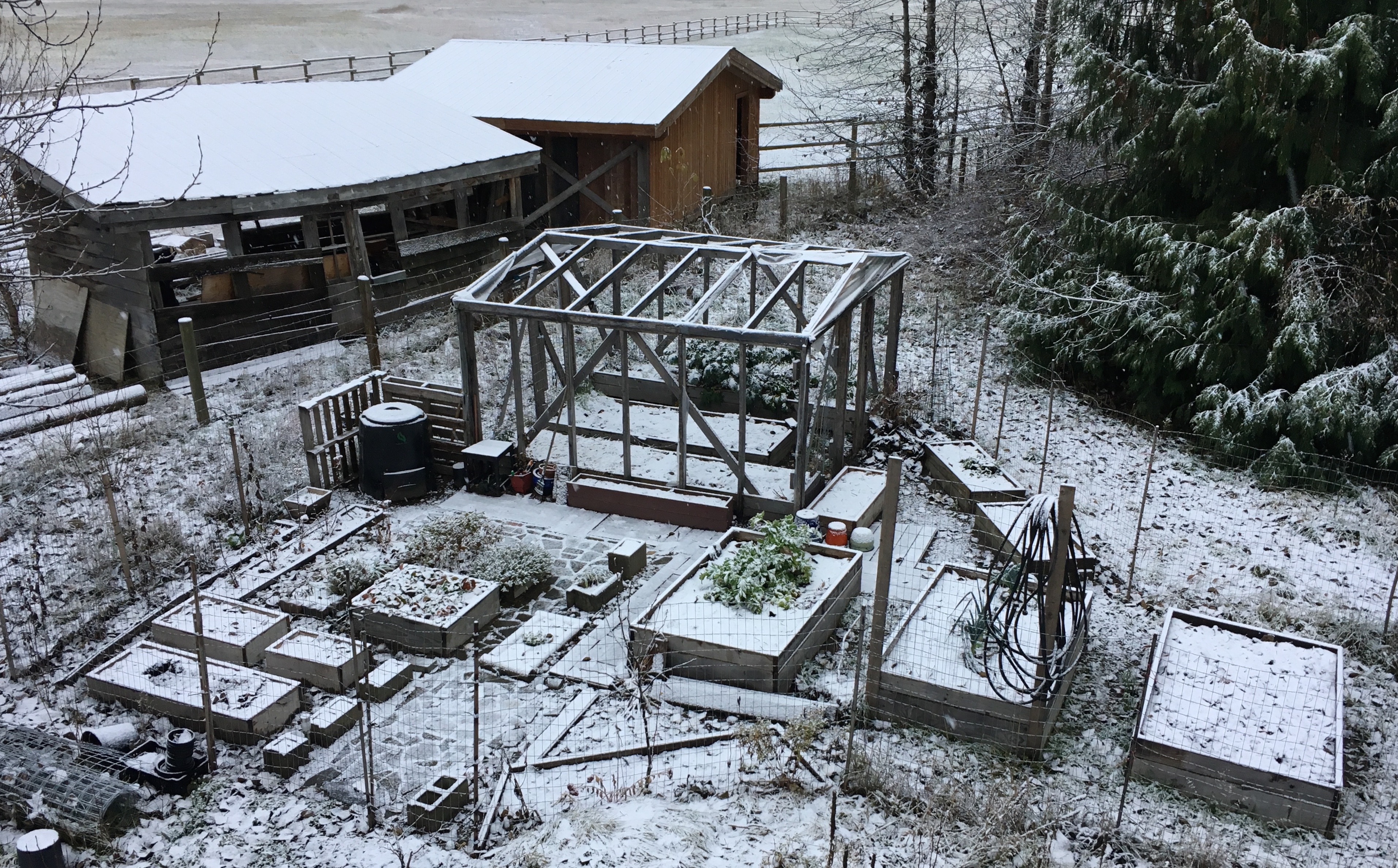
    Third step… sit and wait. It’s winter – the ground is frozen, you can’t plant shit but somehow your kale still seems to grow; roll with it. Pour yourself a tasty beverage, dream up new ideas, play around with your design, your ideas and aspirations. No thought is too small or unachievable. Remember, I started my current garden with nothing but a “green house”.

    IMG_6526

    To obsess over what you want to grow and eat is a healthy, sustainable step in the right direction – you just have to be willing to try.

  • #falltimealltime

    #falltimealltime

    It’s the most wonderful time of the year – or at least it’s MY favourite time of the year.

    Colours start to pop as the foliage begins its natural, beautiful progression to death and my appreciation for the warmth of the sun on my back is revived. Praise arises for the rainy days as reason to stay in, make soup and stock the freezer with food. Then there is also the rush of the game to see who gets to the fruit trees first – me or the bears. I go to bed with an extra blanket but leave the windows wide open while the coyote’s howl echoes through the night. Of course the dusting of snow on Mount Currie gets me pretty excited too! And, most importantly, my garden is still delivering the goods.

    This time of the year, I also sit back and think about my garden; what worked, what I want to do more of and what I can do away with next year. Journaling for the win: do it, do it now. So, what I thought I would do is share some of my favourite photos of the summer complete with commentary.

    First up is purple daikon radish. I pickled the shit out of these guys while in season. When a vegetable randomly forms heart shape upon cutting into it you really can’t help loving it. More will be planted in my garden next year, their spicy flavour is beyond delicious.


    Melons. Who doesn’t love a good melon. Previously I had tried watermelon but with little success there, this year I tried cantaloupe. Gave it a sunnier spot and was rewarded big time. Go figure: #shadowruffruff loved it too… juicy and flavourful beyond both our expectations!


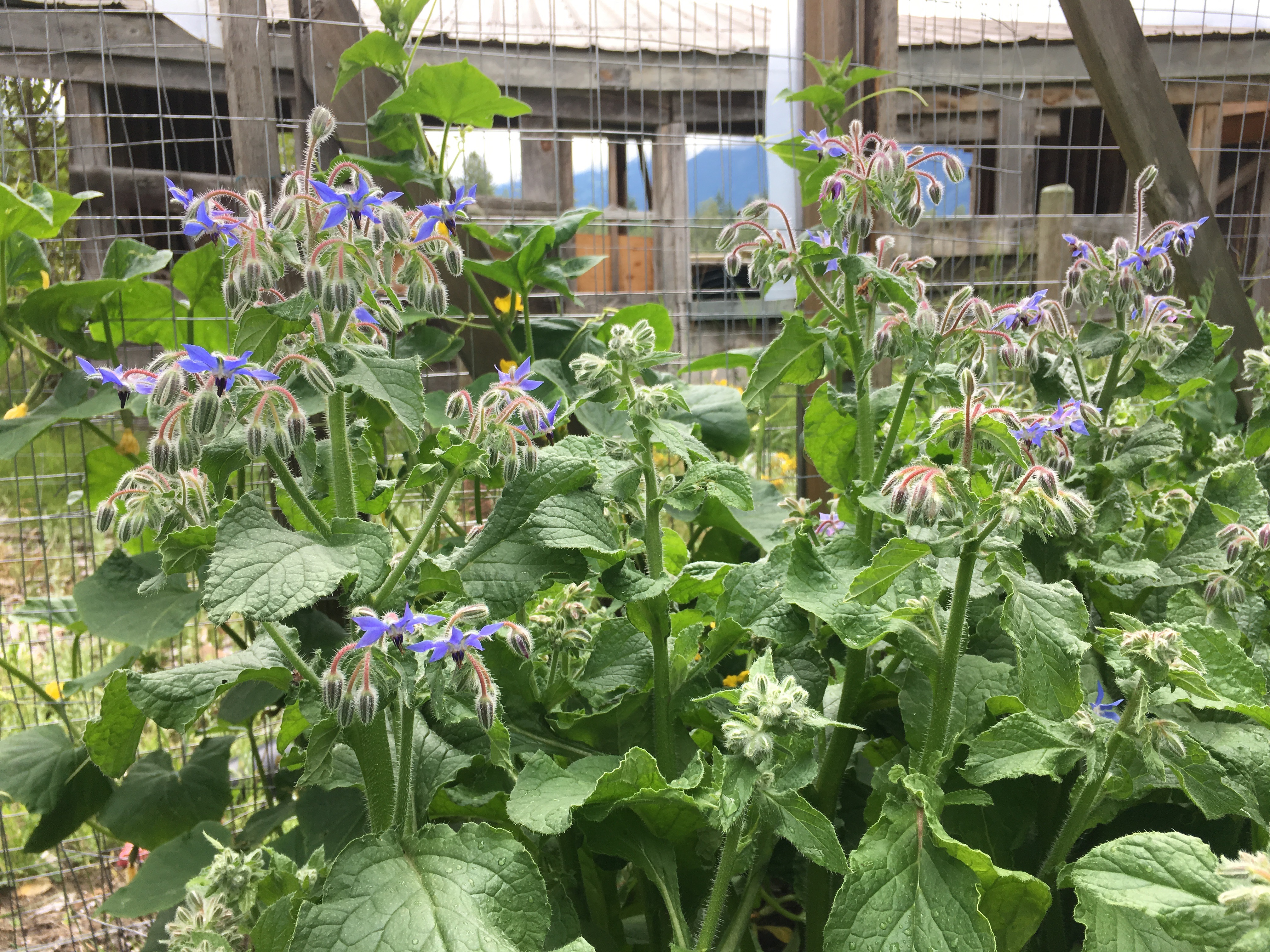
    I have mentioned that kohlrabi was the undisputed heavy-weight champion in my garden but my Borage babes blew my mind; turns out they’re MASSIVE! They helped pollinate my butternut squash and many other things in my garden, plus the flowers were delicious in salads. This year I trained my squash to grow along the fence in hopes it would take up less space overall. As it turns out this move was a game changer. I will incorporate this method next year as well, perhaps to even shade something that requires less sun. And for the bee’s sake, borage will forever be in my garden regardless of the space it takes up.


    You know you’ve made it to the big time when your whole pasta sauce has been sourced from your backyard… I mean it’s SO good you want to share but really not really. Last season was the first year where I grew my own Roma tomatoes, celery, carrots, garlic, onions, basil, rosemary, thyme, oregano and cayenne peppers. I basically vowed from then on this was the way forward every year; always plant enough to make sauce for Dbot. I will also openly admit I have a love affair with fried green tomatoes served with soft poached eggs – you would too, if you’ve had it. Never underestimate the power of a green tomato.


    Does your cilantro bolt like crazy in the heat of the summer even if you’re giving it shade from the hot afternoon sun? No problem. Let them bolt and go to flower. The coriander seeds born from the delicate white flowers will produce the best ground version of this spice you’ve ever had. I guarantee you’ll start to plant cilantro just to let it go to seed!


    Fall is also the time when members of the brassica family shine. I remember being amazed when I learned how Brussel sprouts grew, so they became a yearly addition to my garden (just be sure to give them plenty of space). New this year was Savoy cabbage grown from seed and it’s sure to make my cabbage rolls go from A+ to A++. Another tip for cabbage is to space out their planting times then you don’t end up with a whole bunch at the same time even though they keep quite well.


    Flowers… I will plant way more flowers in my garden next year both perennials and annuals. Some of my perennials are ready to split which benefits both the plant and my wallet. Plus, having fresh cut blooms in my house just makes me smile.


    I feel like I could carry on for a long time but as I write the weeds are still growing and they sure aren’t picking themselves! So I’ll just leave you with this last photo that I call, “The Mushroom that had all the Thyme in the World”. #dadjoke #sorrynotsorry

    IMG_5862

  • The Power of Rotation

    The Power of Rotation

    Sounds like a potential math write up but you’re wrong. (I would never do that to you or myself.) I will quickly remind you that I did well in said subject thanks to my dad but generally I don’t care for it… for the most part I’m a pocket calculator gal. So, let’s explore the awesomeness of rotation in a few other ways through a couple quick examples: the wheels on my bike rotate and take me to all sorts of cool places, my car takes me to work so I can afford a bike to take me to all these cool places and well, we all take a trip around the sun every year (whether we want to accept that it results in aging is a whole other conversation).

    Regardless on how you define rotation, the point is – it’s good: a chance to roll past the old and explore the new. Now, let’s apply this mentality to our garden.

    IMG_4740

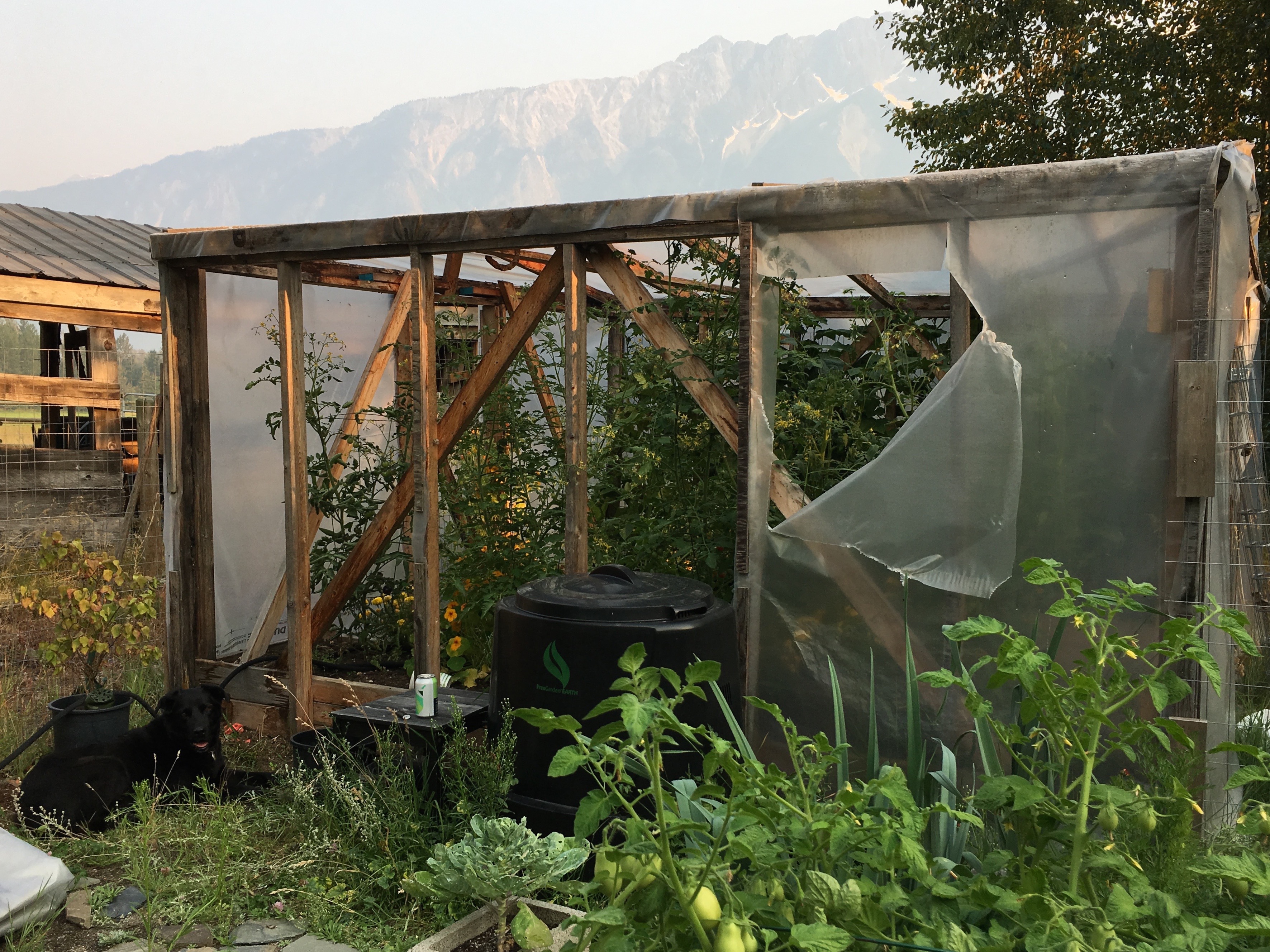
    When I moved into our current location all that existed was a greenhouse for garden space. From what I could tell the only items that had been planted in there were tomatoes, peppers, basil and cucumbers (basically, all the standard greenhouse lovers). However. Over the last couple years I began to realize that the greenhouse location was kind of shady due to the rise of the surrounding cottonwoods and things weren’t thriving as well as they should be.

    Then spider mites appeared last year… they even attacked my marigolds. I mean come on: marigolds! They are supposed to be the shit – indestructible. This led me to realize that change was mandatory. So, down came the plastic walls of the greenhouse late-ish last summer and a ton of Sea to Sky Soils compost added in the fall.

    IMG_0491

    Long story short what I’m trying to get across is that planting the same thing time and time again in the same zone is no bueno. Enter the rotation factor here.

    There is a simple crop rotation scheme that follows; legumes-greens-roots-fruit. Of course there are tons of don’ts and cans and “rules” that apply to make it not so simple. For instance: potatoes are considered a root and tomatoes are fruit but because they are from the same family they shouldn’t follow each other, they could harbor similar disease and pest problems for the next crop. AND THEN, if you add in the companion planting aspect it can get real strange. Here is a simple plan I came up with for an assignment that demonstrates what a 6 crop rotation could look like.

    IMG_4863

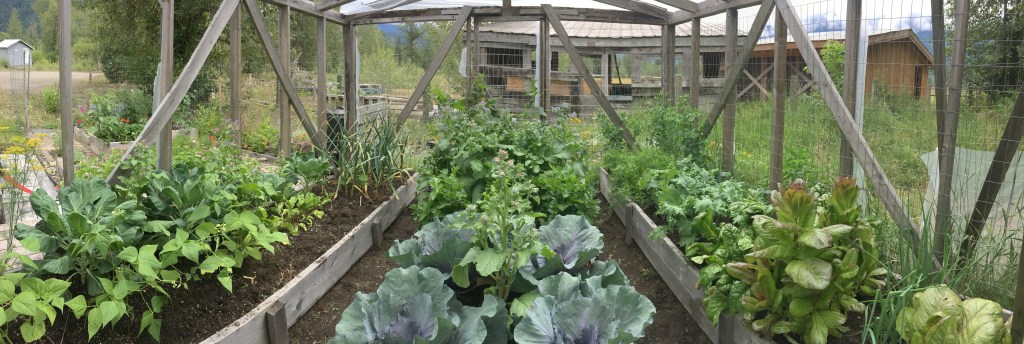
    My “greenhouse” is now the greenest it’s ever been thanks to my decision to open it up and plant a bunch of greens, roots and legumes. But I think the thing to remember is that well, any rotation is better then none and adding organic matter into your beds is a surefire way to add nutrients back in and no future plant is going to disagree to that.


    Stay thirsty for garden experimentation my friends!