Blog

  • Pemberton Dairy-free Squash Pie

    Pemberton Dairy-free Squash Pie

    Even though Thanksgiving has passed, I still enjoy eating squash pie. I have tweaked a dairy-free version that I think is sublime!

    It can also made into tarts. Over the years I have developed a distaste for nutmeg and instead enjoy the taste of cardamom in my squash desserts. You can use pumpkin, acorn, butternut, or other types of squash in your pie filling. The key step is to strain your squash into a sieve to remove as much liquid as possible, for at least ½ hour. This will make a denser and richer pie filling.

    Pemberton Squash Pie:

    Ingredients:

    pastry for one 8-inch pie plate

    2 cups pureed Pemberton-grown winter squash

    1 cup brown sugar

    2 large eggs, plus 2 egg yolks

    1 tsp cardamom

    1/2 can full fat coconut milk

    1 tsp cinnamon

    ½ tsp ground ginger

    ¼ tsp ground cloves

    1/4 tsp salt

    Method:

    Make pastry and line an 8 inch diameter pie plate (I use a spelt pastry).

    Roast a large squash (your choice) in a 350F oven for 2 hours on a roasting pan filled with 2 inches of water.

    When squash is very soft, remove seeds and discard. Take flesh and puree in food processor. Put puree into a sieve and let strain over a bowl for ½ hour. Discard squash liquid, or use in another recipe, such as soup stock.

    In a stand mixer, add strained squash, sugar, eggs, spices and coconut milk. Blend well.

    Pour filling into pastry-lined pie plate.

    Bake 375F for 15 minutes, then 1 hour at 350F.

    Pie is done when the filling jiggles only slightly in the centre of the pie.

    Turn off oven and cool with oven door half open.

    Cool completely and serve with whip cream if desired.

  • A good pick-me-up soup for Fall:

    A good pick-me-up soup for Fall:

    There are germs flying around Pemberton these days. If and when a bug hits, this soup will offer some relief. The key is homemade chicken broth which I try to always have on hand. I have posted my recipe for chicken broth before but I will do it again as it is so important. Carton broth is not an option for me!

    Chicken, vegetable and barley soup:

     Ingredients:

    8 cups homemade chicken broth (recipe to follow)

    3 Pemberton-grown carrots, chopped

    1 cup Pemberton-grown parsley, chopped

    4 stalks celery chopped

    ½ cup cauliflower, very finely diced (optional)

    1 large yellow onion, diced

    2 tbs pure olive oil

    1/3 cup pearl barley

    2-3 cups diced cooked Pemberton-raised chicken

    2 tsp pepper

    2 tsp salt

    Method:

    Sauté all veggies and parsley in olive oil over medium heat until nicely caramelised and soft. Add salt and pepper. Add chicken broth, barley and diced chicken. Bring to boil. Then simmer 20-30 minutes. Enjoy!

    Chicken Broth:

    After roasting a whole Pemberton-raised chicken, remove meat or most of it.

    Place carcass and skin into a large stock pot. To this pot add about 4-6 cups of veggie trimmings.**

    Add ¼ cup of whole black peppercorns.

    Fill the stock pot with water.

    Bring to boil.

    Simmer 2-3 hours.

    Strain.

    Cool.

    Freeze in containers for later use.

    **I collect veggie trimmings each day and put them in a large Ziploc bag and store it in the freezer, adding to the bag each day. I usually add one full Ziploc bag of veggies to the stock pot. Veggie trimmings that commonly get thrown in the bag are: red pepper stems, carrot ends and peels, parsley and cilantro stalks, onion ends (not the brown peel), cauliflower stalks, fennel stalks, celery ends, acorn or butternut squash ends, wilted veggies, etc.) Do NOT add potato peelings or ginger root ends or peel – they will ruin your stock!

  • Earth-tending

    Earth-tending

    Tend: care for or look after; give one’s attention to.

    A few years ago I was in the habit of taking long walks — slow meanders along the Valley Trail in Whistler. 

    20190814_181914

    The pace gave me time to observe the emergence and dying back of the various plants that grew alongside the trail through the fluctuations of the seasons. I also noted growing piles of cigarette butts scattered along the route. I thought about how for some animals, guided to food sources by their highly-acute noses, these small but numerous objects were not only an inconvenience but a stinky hindrance. And since my silent berating of those tossing the litter wasn’t doing much good, I decided that cleaning up the cigarette butts would be a more tangible act of care to extend towards these little creatures. Thus, the practice of earth-tending entered my life.

    OLYMPUS DIGITAL CAMERA

    Sometimes it feels as though there’s not much I can do for the Earth. While glaciers are melting, tornados swirling and fires burning the Amazon rainforest, my rote environmental gestures of recycling and reducing meat intake seem pitiful. But somehow by making my gestures smaller, and more insignificant they became more personal too. It may not make a noticeable difference but I can choose to do these acts regardless, to microscopically tend to the earth as if each gesture is a show of respect for this living planet, our home.

    20190812_080517

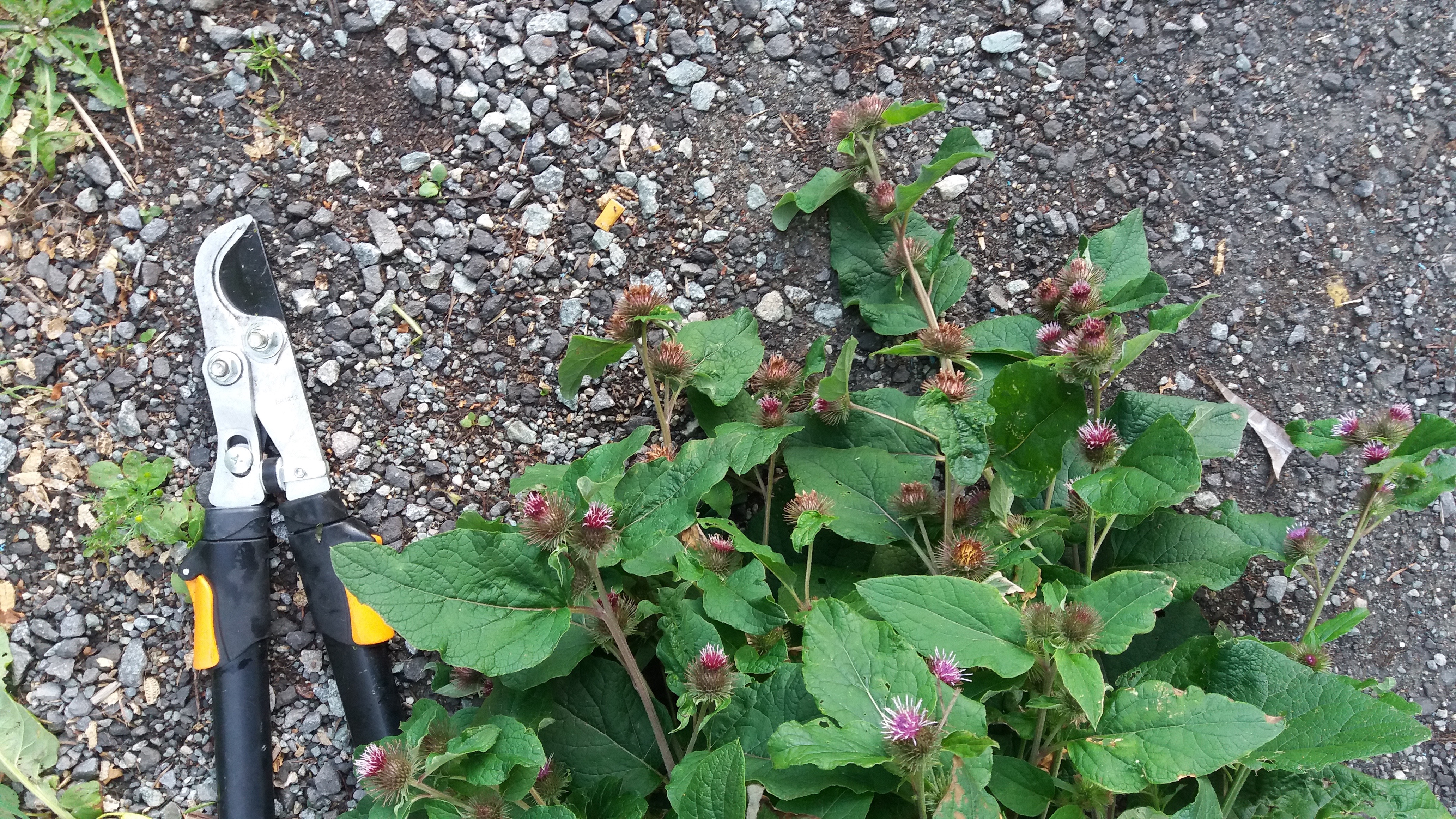
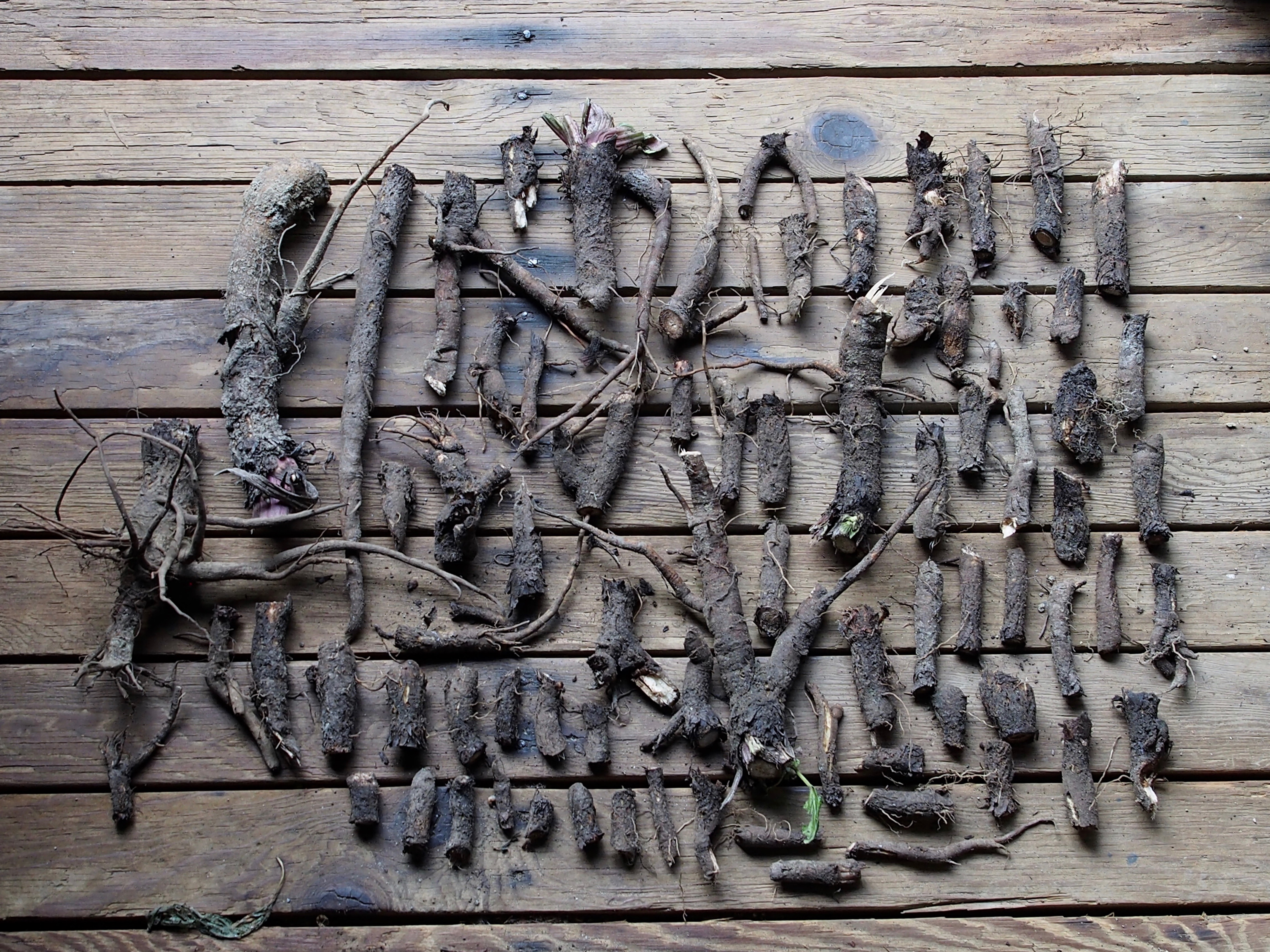
    This summer at my partner’s urging, we adopted a section of the Valley Trail to keep clear of the wildly tenacious burdock plant (as part of a Sea-to-Sky Invasive Species initiative). We would head out with clippers, gloves, a tarp and shovel and spend a few hours clearing a section. Before long my partner extended our range to the whole neighbourhood of Creekside and we removed seemingly tonnes of green matter.

    OLYMPUS DIGITAL CAMERA

    In his mind the project was an eradication of a pesky plant; in my mind it was a type of guerrilla gardening, another act of tending. Instead of planting anything we were creating space for native plants to return (hopefully). In a way we hoped to ameliorate the heavy human footprint in the neighbourhood as seeds (via burrs) are often moved by humans and their canine companions. In some places the burdock was growing dense, thick. Walls of clinging burrs can limit passage for berry-foraging bears and small winged animals such as birds and bats can become trapped and even die in the tangle.

    20190814_182001

    I had moments lamenting a summer spent in the ditches, thinking  “What on earth are we doing out here, getting clubbed in the head and tangled-in-burrs instead of bbq-ing or at the lake” but then I’d see the street or patch that we’d cleared.

    20190820_075158

    On some levels it felt never-ending but on other levels, it mattered. The caring mattered. And in the long run, it deepens my relationship with this place we call home. 

    OLYMPUS DIGITAL CAMERA

    I can’t pick up every piece of garbage I see, nor do I want to, but as I sit here in an airport lobby a bird is stuck indoors—flying around, trying to find an exit. It perched on the seat across from me and swivelled its head, looking for the way. I don’t always know how to work through my grief about the current state of the planet or the plight of creatures we share it with,  but I do know that small acts of tending, of caring, seem to be a window out. 

  • 10 Lessons learned from 10 years of homesteading: Sweetwater Lane Farm reflects on their decade milestone

    10 Lessons learned from 10 years of homesteading: Sweetwater Lane Farm reflects on their decade milestone

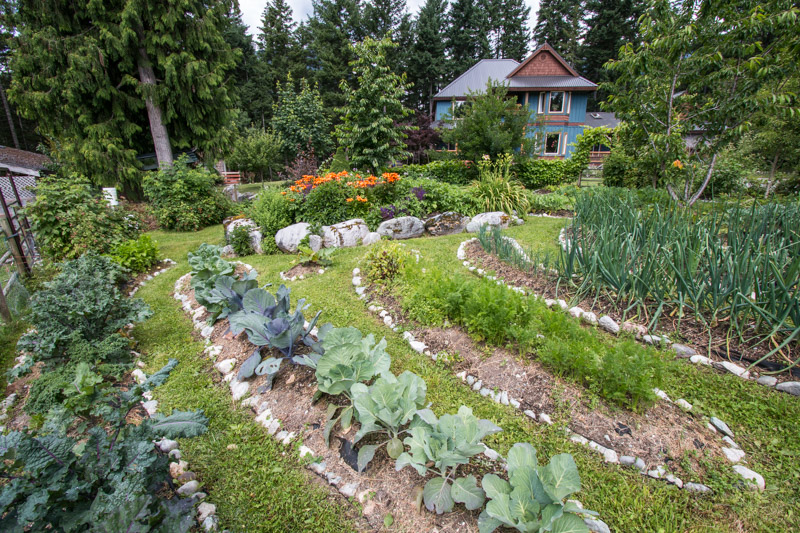
    This guest post was written by Gus Cormack and Jocelyn Sereda, homesteaders and B&B operators, who celebrate their 10th anniversary living with the land this year. Everything they learned they learned the hard way – by doing it, with skin in the game, and their young family depending on them getting it right. They have slowly turned a 7 acre plot of land at the end of Owl Ridge, originally set up for horses, into a permaculture-inspired homestead, where they raise all their own meat, eggs, honey as well as fruit and veggies. I caught them in a reflective mood (having just enjoyed an amazing home-grown meal with them, and been gifted some sourdough starter to kick off my breadmaking journey) and asked them to round up their best 10 learnings to share with us. ~ Lisa

    by Gus and Jocelyn

    This year marks 10 years of homesteading at Sweetwater Lane Farm.

    It started with a dream. We had big ideas to solve the problems of the world so we packed up our lives in the Big Smoke, left careers and the comfort of family and old friends, and set off into the unknown, armed with just a bag full of clothes, our skis and our ambitions.

    The first step was to find an ideal place to live – somewhere we could grow food and play in the mountains. After many lists and much deliberation, we landed in Pemberton, our new homesteading paradise, and started the journey that continues today.
    untitled-31

    Along the way, ideals gave way to pragmatism, pragmatism turned into frustration, then frustration became the realization that “hey, this is actually working”! And the cycle continues.

    When Lisa asked us to write about 10 lessons learned the hard way in 10 years of homesteading, we jumped on it. We quickly found it was difficult to nail down just 10, because when you are homestead farming, every day is a lesson. And most of those days the lessons are learned the hard way. This list, by no means exhaustive, is just our top 10.

    1. Chickens are a gateway animal: If you think you’re just going to get a couple of chickens for fun, and maybe enjoy some eggs for breakfast every now and then, you might be in for a surprise. They are addictive. You’ll lose hours of your life watching the chicken channel. And it will be the best thing ever! You somehow fall in love with the simplicity of their lives and the meditative way they meander around the yard eating bugs and grass. The eggs are fantastic and you’ll never go back to store-bought. The next thing you know you’ll have 30 chickens, 3 cows, 2 donkeys, 3 pigs, 6 ducks, 2 cats and 2 dogs. And I’m not sure if it ends there. Stay tuned!

    IMG_2968

    2. Bait the Bears: Homestead farming necessarily creates a plethora of bear attractants. Some of our favorite things to eat on the farm also happen to be bear’s favorite foods. In the first few years, we had several incidents with bears breaking into portable chicken coops or climbing fruit trees. It wasn’t until we had one particularly problematic bear that killed around 100 chickens over the course of 2 sleepless weeks that we learned about baiting our electric fences. Simply wrapping some bacon around hot electric fences solved all our bear problems overnight. Once they put their sensitive noses on a 10 joule fence they never come back!


    3. Ravens are smarter than you: These majestic black birds have earned their place in folklore the world over. Seeing them systematically dismantle our chicken coops to steal chicks, open doors to steal eggs or send decoy birds in to distract the guard dogs, you quickly realize why they are revered creatures. We have loved observing them over the years and are okay with them winning the occasional battle. They exploit your weaknesses and therefore help make you smarter in the long run.

    IMG_0397

    4. Weeds will always be your best crop: The better you get at growing the things you want to grow, the better the weeds seem to get at growing! For years we fought a losing battle. The weed seeds come from literally everywhere and are very motivated to grow. Fast. Like with almost everything else on the farm, we started to look at how we could use them to our advantage (after trying all the other tricks we could come up with to beat them). It turns out that many of the “weeds” in the garden are actually far more nutritious than the salad greens we were growing so we started just eating them! Chickweed and lamb’s quarter salad quickly became a favorite. If you work in a fancy restaurant perhaps consider adding salade de mauvaises herbes to the menu and start feeding your customers weeds! Animals also love to eat most of the prolific weeds so they are essentially free animal feed. On top of that, when you pick the weeds and use them as mulch around the plants you actually WANT to grow, you add nutrients to the soil, conserve moisture, and save yourself the time and money buying and applying more commercial mulch around the plants. Voila. The enemy becomes an ally!
    IMG_3899

    5. Water is Life: We can’t overstate this. Until your water pump dies and your plants are baking in the hot sun, you won’t know the importance. It’s nothing like city life where you turn on the tap and presto aqua de vita! It’s much more complicated to be self-sufficient. To further complicate things, pumps only seem to break down when the temperature is over 35C and most likely on a long weekend. Parts aren’t easy to come by nor are tradespeople who can fix them properly when you need them. Get educated and find a good supplier who answers the phone when you need to troubleshoot and make sure you always have spare parts on hand! This is also one of the first things you should look into when deciding which property to buy – how much water is available and where does it come from? This was another lesson learned the hard way, but that is a whole other story…

    6. Don’t push shit up hill: This might sound like an old saying but there’s a very practical application for it. We inherited a septic system that uses a pump to push waste up a hill to a septic field. When you live in a rural area and the power goes out – what’s going to push your shit uphill? So given the chance to do it over, definitely let shit roll downhill. As a side note: This applies in a non-literal way to almost everything else in homesteading life as well.

    IMG_1953

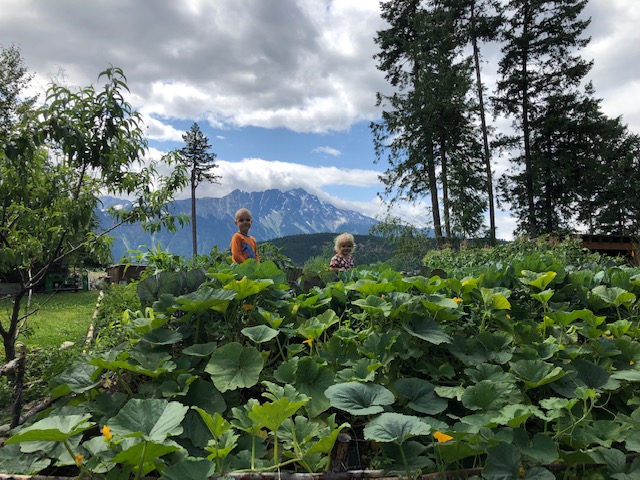
    7. Squash are sexual deviants: Squash are one of the coolest things to grow on the farm. They are very independent, not needing much love or attention; they are prolific and create a huge amount of food that can store all winter from just one seed. The problem with squash is, if left to their own devices they will happily breed with every other squash within close vicinity. This can create some really interesting and tasty combinations, but most likely you will end up with a soft shelled pumpkin. So plant your squash away from each other or be prepared for strange tasting and looking crosses.

    8. Plan for Death: Before you get your first farm animal, take the time to think about how you are going to deal with their end of life. If it’s a meat animal, know how, where and when you are going to butcher them and how you are going to get them there. That little piglet you brought home in a dog crate certainly won’t fit in there at the end of the season! It’s impossible to get someone to come slaughter your animals with no forward planning. Also having the right tools and set up is essential if you are going to do it yourself. If it’s a long-term farm animal, still be ready for the off-chance your animal passes suddenly. We lost an almost full grown steer once. Without a tractor on hand we wouldn’t have been able to deal with it in a timely manner. It’s not something we want to have to think about but doing so can save you a significant amount of stress and give you better systems to work with in the meantime.

    9. There’s no such thing as a free animal: Driving home one day we saw a sign on the highway that said “free chickens”. We excitedly went home to grab a dog crate and headed back to pick up our new free animals smiling about what a great deal it was. We loaded them up and got them settled into their coop. About 2 weeks later these free chickens started to crow. We had a dozen “free roosters”. They competed crowing with each other day and night. All of them. All the time. Moral of the story is, if they are free they will come at a cost. You just may not know what that cost is right away.

    IMG_3268

    10. Everything should have a job: Every animal on the farm should have a job. Otherwise you will just be collecting pets that will take up your time and money. If you need to build up your soil then rotational grazing of cows and chickens is great. If you need protection from predators in your pasture then a guard dog or even a donkey works great. Having animals that instinctively add to the farm will help lighten the load and enhance your homestead. Right now we are using our donkeys to help fire smart the forest beside the house. Otherwise we might have to consider them lawn ornaments.

    As a final thought, remember to be inspired by your big ideas but understand there may be many, many steps to achieve your goals. If something doesn’t work the first time, go back to the drawing board and try again. And then again, and again. And again until you figure it out. Every homestead is different so if you read something in a book, understanding that most of the time things won’t work exactly like they said can save you a great deal of frustration. The customized lessons you will learn are invaluable. Practice humility daily. Things don’t always work out. The environment will often dictate your success. If something doesn’t fit, let it go. No matter what you might think – you are not the boss! Most importantly, make sure you are having fun (at least some of the time) because that’s kind of the point of all this, right!?

    IMG_0764

    If you are interested in following along our adventures at Sweetwater, you can find us on Instagram @sweetwaterlanefarm and FaceBook at www.facebook.com/swtwtrlnfrm… If you are very interested in learning more about what we are doing and how you can do it too, contact us at enquiries@sweetwaterlanefarm.com as we do offer homesteading courses from time to time!

  • A question of growth

    A question of growth

    I read somewhere that your garden is a reflection of your personality.

    My garden has gone off-script.

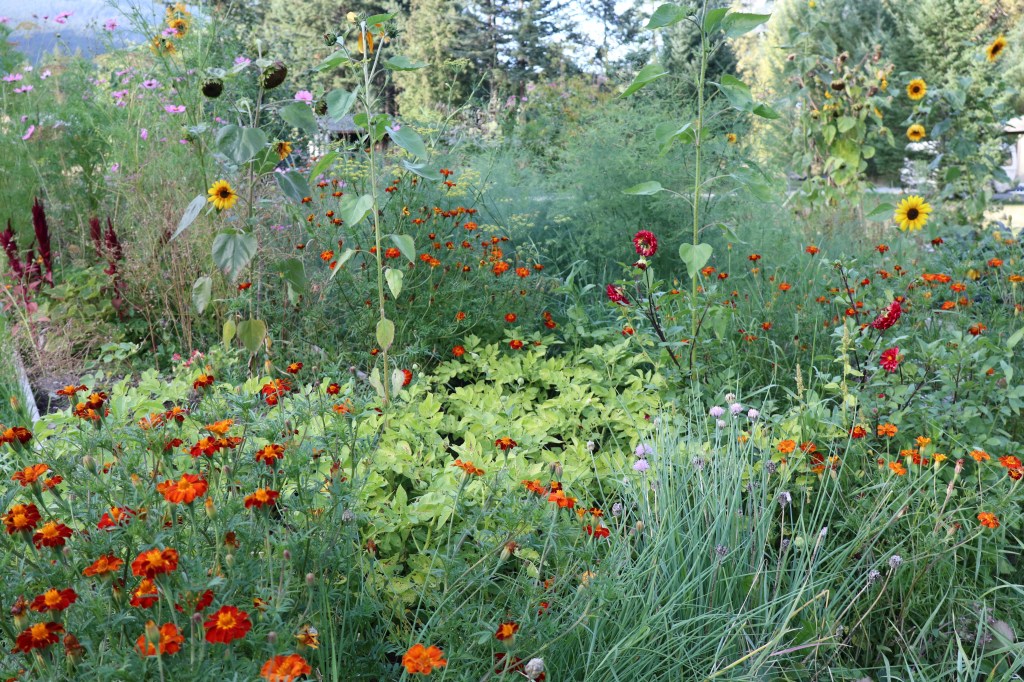
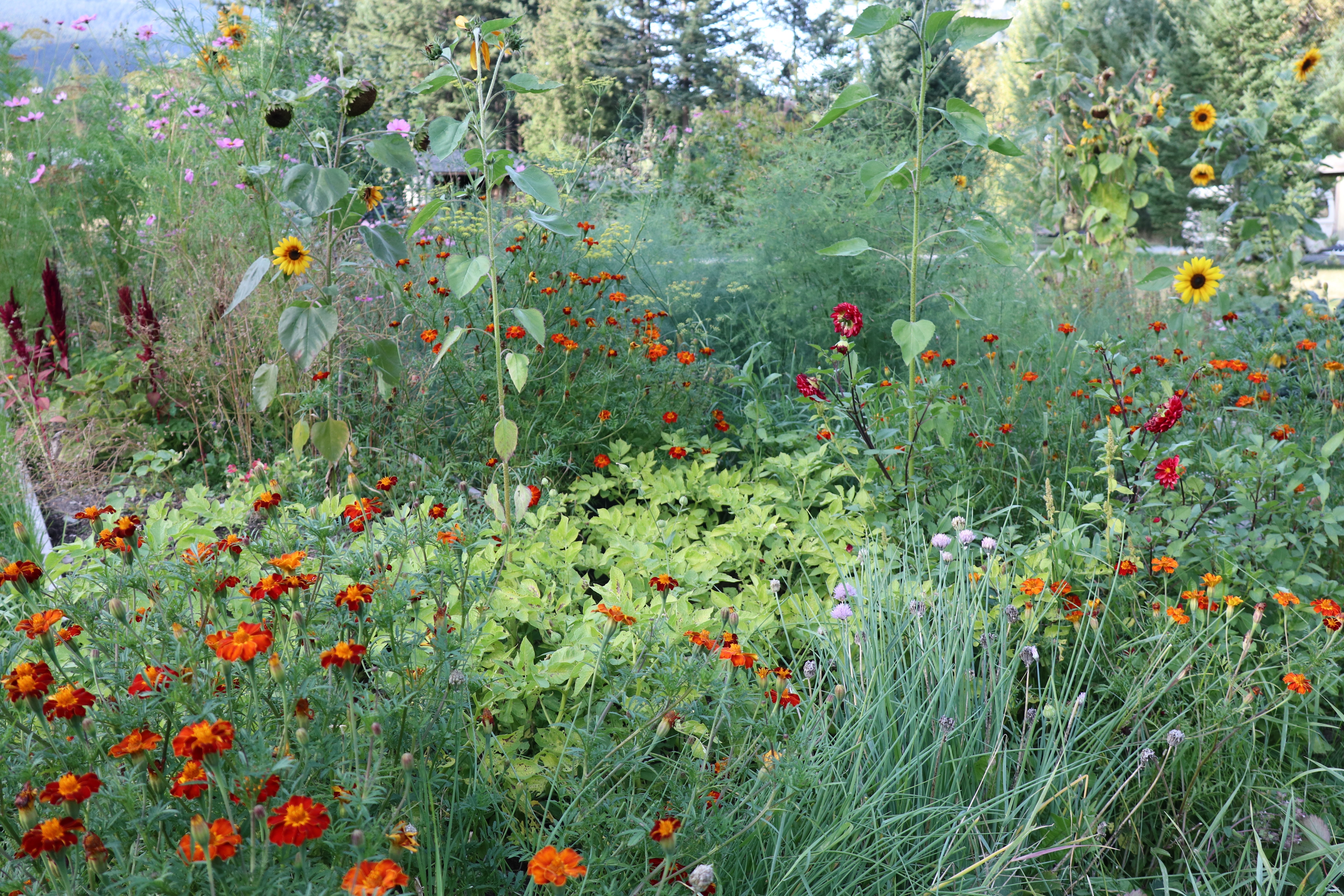
    It is wild, unkempt, rangy, not willing to commit to any one single thing beyond the belief that there are mysterious forces at play in the natural world to which I surrender control. It’s utterly prolific and not in any way linear or orderly. It’s an offering to pollinators.  On any given day there are so many different bees and wasps and butterflies and dragonflies that the air shimmers and vibrates. It’s been full of weeds since I discovered some of those weeds (hello purslane! hello plaintain!) are edible or medicinal, so opted to welcome them, taste them, invite their medicine in, instead of battling them. Battles are so rarely won.

    IMG_1536

    Last season, and all the seasons before in which I’ve engaged in this yearly experiment, all I could see were the flaws, the lack of order, the ample evidence that if a pioneer-era family were depending on my skills, we’d all be dead, that my late grandmother would shake her head at how few life skills I have.

    food_velocity1-1-8f860220b7694f98

    Today, with the cosmos, dill-weed, sunflowers towering over me, I am okay with this. I have realized that self-sufficiency isn’t as worth cultivating as community is. And each year in the garden, I have learned that I am part of a community of pollinators, of birds, of earthworms, of black bears that I shoo away, but who still win their fair share, of beet-green-nibbling deer (*shakes fist at air*), of rats (*insert unpublishable curses and shudders*), of friends who gift seedlings and starts and neighbours with abundant fruit trees and a willingness to share. This eco-system membership card comes with no assurances or written guarantees, and yet, I suspect I am more resilient in this club, than if I had invested my loosely focussed energy in a stockpile of canned goods, some guns, and a padlocked larder full of canned peaches.

    IMG_1608

    My garden is wildly prolific right now. And in a few months, everything will be dead.

    This is the way of the wheel of life. This is what is true, as much as I might like to push it away: every possibility grows out of an ending. And the endings keep coming around.

    The other night when racing-brain-syndrome pushed sleep away, I reached for a book of Mary Oliver poems. Turned on the light and read until my mind settled into the hammock of Oliver’s words, and I slipped back to sleep with these lines resting on my chest:

    “Every year we have been witness to it: how the world descends into a rich mash, in order that it may resume. And therefore who would cry out to the petals on the ground to stay, knowing as we must, how the vivacity of what was is married to the vitality of what will be? I don’t say it’s easy, but what else will do if the love one claims to have for the world be true?”

    Mary Oliver Lines Written in the Days of Growing Darkness

    Growth has been the mantra of this diseased era, the Anthropocene. Globalised growth detached from place or relationship. Growth, unrestrained by upper limit or sense of limitation or restraint. Growth without end.

    The folly.

    When Kate Raworth, the British economist and author of Doughnut Economics,  remodeled the way we look at the economy, she drew, instead of a pyramid, or a supply chain or a spreadsheet or the colonization of other planets, a doughnut.

    doughnut

    The first thing she did was draw a big circle around the outside of the economy and say: this is the limit, defined by the Earth’s life-supporting capacity. And here in the centre is a hole, and it represents everyone we’re failing. The challenge is to live within the doughnut – the space between the limits of social justice and planetary systems.

    When you trade growth-without-end for doughnuts and gardens and the wheel of the seasons, you have the courage to accept limits, to be still, to acknowledge endings and loss and the discomfort of never really nailing it. You also give yourself permission to start over, again and again, to risk it on relationships, to know the wealth of a table loaded with good food and air vibrating with bees, the difference between a larder and a hoard.

    IMG_1524
    my gardening guru, whose garden is most definitely not a shit-show, sharing her cuttings, dahlias and wisdom with the next gen

    I pile clippings and weeds and garden detritus onto a bed, and prep another for next year’s garlic, and steadfastly ignore those that are gone past the point of no return. I offer the birds free-rein at the sunflowers. I collect coriander seeds that dried on the stalk when I let the cilantro go to flower, and the surfaces and corners of the house fill up with brown paper bags full of drying seed pods and flower heads – reminders that this will all come around again, and this full lush vivacious moment is a good time to think about what to offer to ensure the vitality of what will be.


  • Peaches, from Peachland no less!

    Peaches, from Peachland no less!

    Recently we went on a bit of road trip, starting out by heading to the Canmore / Cochrane area and then heading down to Fernie and Nelson. Our last stop, while covering some 3,000 kms, before heading home was to Peachland. We found a lovely little AirBNB right slap bang in the middle of wine country! (Don’t worry we both sampled wine and brought some back with us! 😉 )

    However, it was our host that offered us the peaches, and right from her very own garden.

    (Did you know? Peaches have been cultivated in the Okanagan since the 1890s and are available July through September.)

    Anyway, who was I to say no? Of course, having received said peaches I had to find the right recipe with which to showcase them.

    Okanagan Peaches
    Okanagan Peaches

    I wanted to make some kind of pie and have been searching for the ultimate pastry recipe for ever. Well I think I finally found it with this recipe for a Rustic Peach Galette with Orange [and Ginger – which I didn’t add as it’s not my very favourite!].

    The pastry in this galette is melt in the mouth soft, explodes with the flavour of the oranges (even more so as I used the orange juice to bind it all together) and has a lovely crumbly texture. In fact, it was to die for – no exaggeration!

    The peaches were soft and not too sweet and really showcased the very best of the Okanagan.

    For all the above reasons, this recipe is a keeper and I would encourage you all to try making it before peach season is over. It is can be especially enjoyed warm from the oven with a nice helping of decent vanilla ice cream.

    Peach Galette
    Peach Galette

    Ingredients

    Pastry

    • 1 cup all-purpose flour
    • 1 tsp granulated sugar
    • 1/2 tsp salt
    • 1/2 cup cold butter, cut into small cubes
    • 1/4 cup ice water

    Filling

    • 4 peaches, sliced 1/2 thick
    • 2 tbsp granulated sugar
    • 1 tbsp all-purpose flour
    • 1 tbsp orange juice
    • 2 tsp grated ginger
    • 1/4 tsp salt
    • 2 tbsp butter

    Additional Ingredients

    • 1 egg
    • 2 tbsp milk
    • 2 tbsp coarse sugar
    • 1 small sprig basil
    • 1/2 cup ice cream

    Directions

    1. In a medium sized bowl, mix together 1 cup of flour, 1 teaspoon of sugar, and 1/2 teaspoon of salt. Add the butter, and using a fork crush and mix the butter into the flour until it is coated and becomes the size of small peas. Add the water 1 tablespoon at a time and mix until it forms into a dough. Shape into a 1 inch disc, wrap and place in the fridge for at least 1 hour.

    2. Preheat oven to 425°.

    3. In a medium sized bowl, whisk together 2 tablespoons of sugar, 1 tablespoon of flour, orange juice, grated ginger, and 1/4 teaspoon of salt, until smooth. Add the peach slices and toss gently to coat.

    4. Remove the dough and place on a large, lightly floured, piece of parchment paper. Roll the dough out to a 14-15 inch circle. Starting from about 1 inch from the edge, layer the peach slices on their sides clockwise, one at a time, ensuring they lay on top of each slightly. Continue, working your way to the centre of the galette until the galette is filled. The peaches will be higher in the centre than the edges. Fold the edges of the dough up in 2-3 inch sections, over top the outer layer of peaches covering them by about half. Dot the peaches with 1/2 teaspoon chunks of butter.

    5. In a small bowl, whisk together the egg and milk to make egg wash. Brush a light layer of egg wash on the crust then sprinkle with coarse sugar.

    6. Place the galette on a baking sheet or pizza stone and bake for 20 minutes, until the peaches are bubbling and the crust is gold brown. Allow to cool for at least 20 minutes before serving.

    7. Serve with a scoop of vanilla ice cream and a few small basil leaves.

    Peach Galette
    Warm Peach Galette with vanilla ice cream


  • Pemberton Lunch Box Omelettes

    Pemberton Lunch Box Omelettes

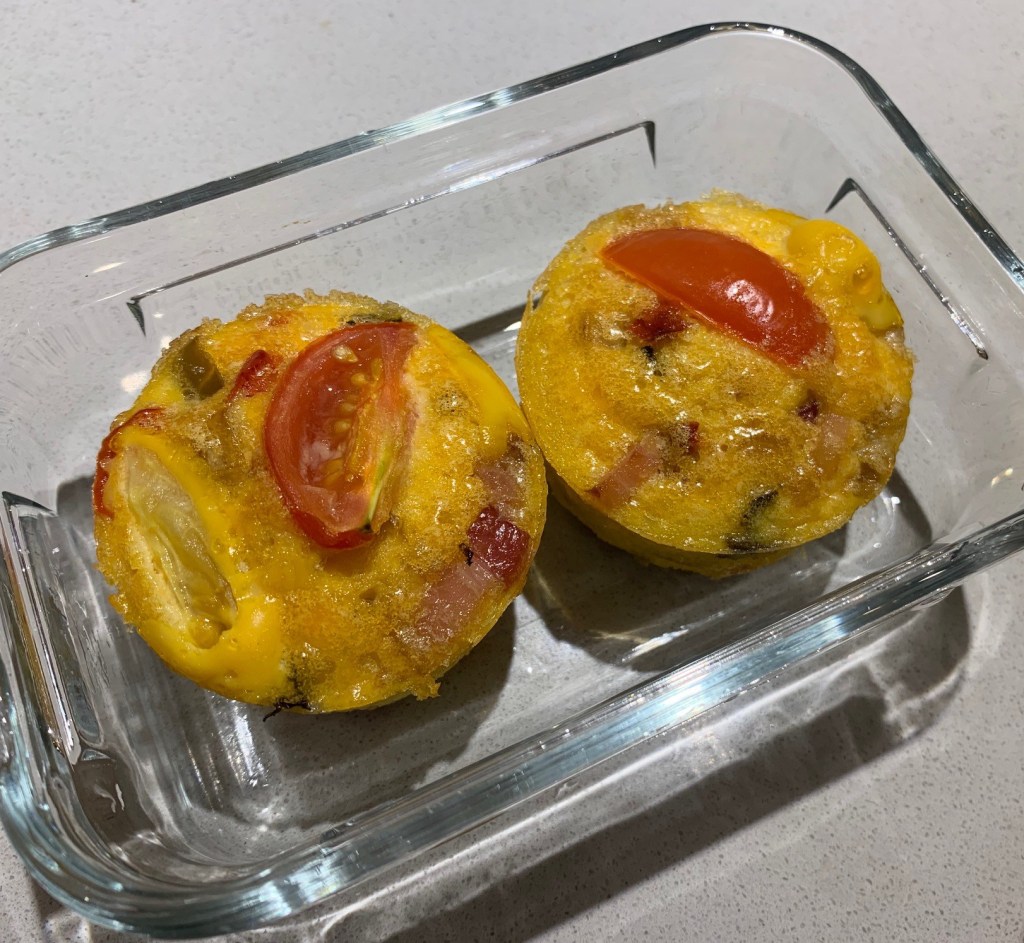
    This recipe is inspired by the portable egg bites that Starbucks sells. With all the produce available at the Farmer’s Market or in your garden these make a very good high protein lunch! And they are easy to make. This recipe makes 4 omelettes but you could easily double or triple the recipe.

    Ingredients:

    1 tbs pure olive oil

    4 Pemberton free-range large eggs

    4 slices high quality thick-cut bacon, diced

    1 Pemberton-grown red pepper, finely diced

    1/4 Pemberton-grown yellow or white onion, finely diced

    4 cherry tomatoes, sliced in half and then sliced lengthwise into thin slices

    2 tbs cilantro, finely chopped

    1/4 tsp salt

    1/4 tsp pepper

    Method:

    Sauté onion and red pepper in 1 tbs olive oil until soft and slightly caramelized. Add cilantro, salt and pepper.

    Fry bacon in separate fry pan until crisp but not crunchy.

    Add bacon to veggie mix.

    Blend eggs in blender on high for 10 seconds. Or beat well with whisk or fork.

    Place a silicone muffin pan into a large pyrex casserole dish.

    Boil a large kettle of water.

    Place 1.5 tbs veggie-bacon mix into each muffin cup. Then pour 1/4 egg mixture into each cup. Place 2 slices of cherry tomato atop each muffin.

    Pour boiling water into pyrex dish so it reaches halfway up the sides of the dish.

    Bake in oven at 350F for 30 minutes.

    Cool.

    Enjoy!


  • Top 10 Worst Attributes if you want to be a Farmer.

    Top 10 Worst Attributes if you want to be a Farmer.

    10. GREED. There are no get rich quick schemes. If you try to compensate by overcharging, being dishonest or biting off more than you can chew, it will eventually bite you right back. Avoid monocultures and what appear to be lucrative trends.  The market will usually bottom out. (Remember the ginseng craze of the 90’s?) You can fool some of the people some of the time, but not everyone all the time. Integrity is key.

    9. LAZINESS. If you prefer leisure over work, like to take naps and  shortcuts, you won’t last very long. Farming is long hours of hard work. It’s 24/7.  You will be getting up early for markets or need to get up in the middle of the night to check on livestock or cover your plants when there’s a frost warning. There is no easy way or everyone would be doing it.

    8. PROCRASTINATION. Putting stuff off will only lead to exponential work in the future.  A quick, easy weeding job one week can turn into an epic nightmare the next. You can never really be on top of everything, you can only keep trying. If you see something that needs doing, just do it.

    7. GERMOPHOBIA. You will literally be covered in dirt and shit most of the time. You will breath and ingest it and will not have clean hands for the whole season.  There will be bugs, slimy and smelly things. Get used to it – it builds up your immune system.

    6. OVERACHIEVING.  It’s so easy and tempting to go big, which could end up being unmanageable and stressful. It’s better to have a small productive garden than a big one you can’t handle. Do what you do best and leave the rest to others. At the same time don’t put all your eggs in one basket. Diversify.

    5. STUBBORNESS. Ask for help when you need it, delegate, and accept your failures and move on.  Be aware of your strengths and  weaknesses and hire someone who can do it for you if you’re not comfortable or able or have the right tool.

    ThinkstockPhotos-114457508

    4. COMPLACENCY. If you let your guard down, pests, weather, and safety issues could arise without warning.  There are many old farmers missing digits, limbs or suffering hearing loss. Be careful. Just because something worked once before doesn’t mean it will again. Be adaptable and keep learning.

    3. ARROGANCE. Don’t assume anything or think your invincible. Be modest and humble.  Don’t compare. Boasting and envy  are not productive. Be a positive  part of the farming community. Resist a competitive attitude. If the grass is greener on the other side of the fence… water your field!

    2. ATTENTION  DEFICIT. Farming is often long tedious hours of repetitive work. If you can’t focus on the same thing for hours, or even days, it will be a struggle. If you have to check your phone every few minutes, you’re doomed.

    1. PERFECTIONISM.  Things can never be perfect in such a dynamic environment, go with the flow and expect failures, and move on.  Learn from your mistakes.  Don’t over plan, let nature guide you. Enjoy.

  • My top 10 best farming and gardening practices

    My top 10 best farming and gardening practices

    10 . BE PASSIONATE. Always remember despite the ups and downs you are doing something that you LOVE to do. If you don’t, the negative results will come through in your product and others will ingest that. Treat it as a lifestyle not a job. If you’re in it for the money, you’ve chosen the wrong profession. Expect joy, disappointments, successes and failures.

    9. SET REASONABLE/ ACHIEVABLE  GOALS.   It’s so easy to take on too much and to try to grow everything. Just because you planted a ton of seedlings and tilled a huge garden bed, doesn’t mean you can maintain it. Focus on what you do best and keep it simple.  Create a niche  and take baby steps.

    8. TREAT PLANTS LIKE DEPENDENTS. Plants are living entities that require food, water, shelter, love and care and then there’s the point where they mature and you have to let go by harvesting, letting  go to seed, and waking up one fall morning to see that a frost has killed off all your annuals. Just like kids, adolescents and adults, it’s all a cycle of life.

    7 . SAVE SEEDS. There’s often a single plant that out-performs the rest. Let it go to seed, collect and store for the following year. That’s exactly how humans created an agrarian society and prospered. Food security and biodiversity are now more important than ever.

    6. KEEP YOUR OVERHEAD LOW. There are all sorts of fancy gadgets, expensive planters, machines and tools you will need once a year. Plants couldn’t care less. Borrow, rent, fix and improvise.  Be efficient and devise ways to save time. Most farms go bankrupt, don’t be a statistic.

    5. KEEP IT NATURAL.  Look to nature for inspiration and explore organic, biodynamic and permaculture methods. Remember that a garden is part of the ecology. Consider birds, insects and animals are all part of the cycle. Mother Nature is the wisest gardener of all.

    4. BUILD YOUR SOIL. Even if your planting in fertile ground, plants take nutrients and once you harvest you’ve created a deficit. Build and maintain a compost pile, rotate your crops, plant cover crops and nitrogen fixing legumes.Test your soil occasionally and amend as needed. Good soil is the foundation of a healthy and bountiful garden.

    3. KEEP LEARNING. Its literally impossible to know it all. Read, experiment, discuss, research and always be interested in finding out more. Teach others as that re-inforces your own knowledge.

    2. SHARE.  Whether it’s your experiences, successes, failures or the final tasty product.  That’s what creates a healthy garden and farm community. Use the barter system. Someone else has too much or too little compared to you so trading balances things out.

    1. MULCH. This simple technique will save you hours of weeding and watering, while preventing erosion , encouraging beneficial micro-organisms, creating humus and  future soil.

  • Ode to the Cherry Tomato

    Ode to the Cherry Tomato

    20190807_183028

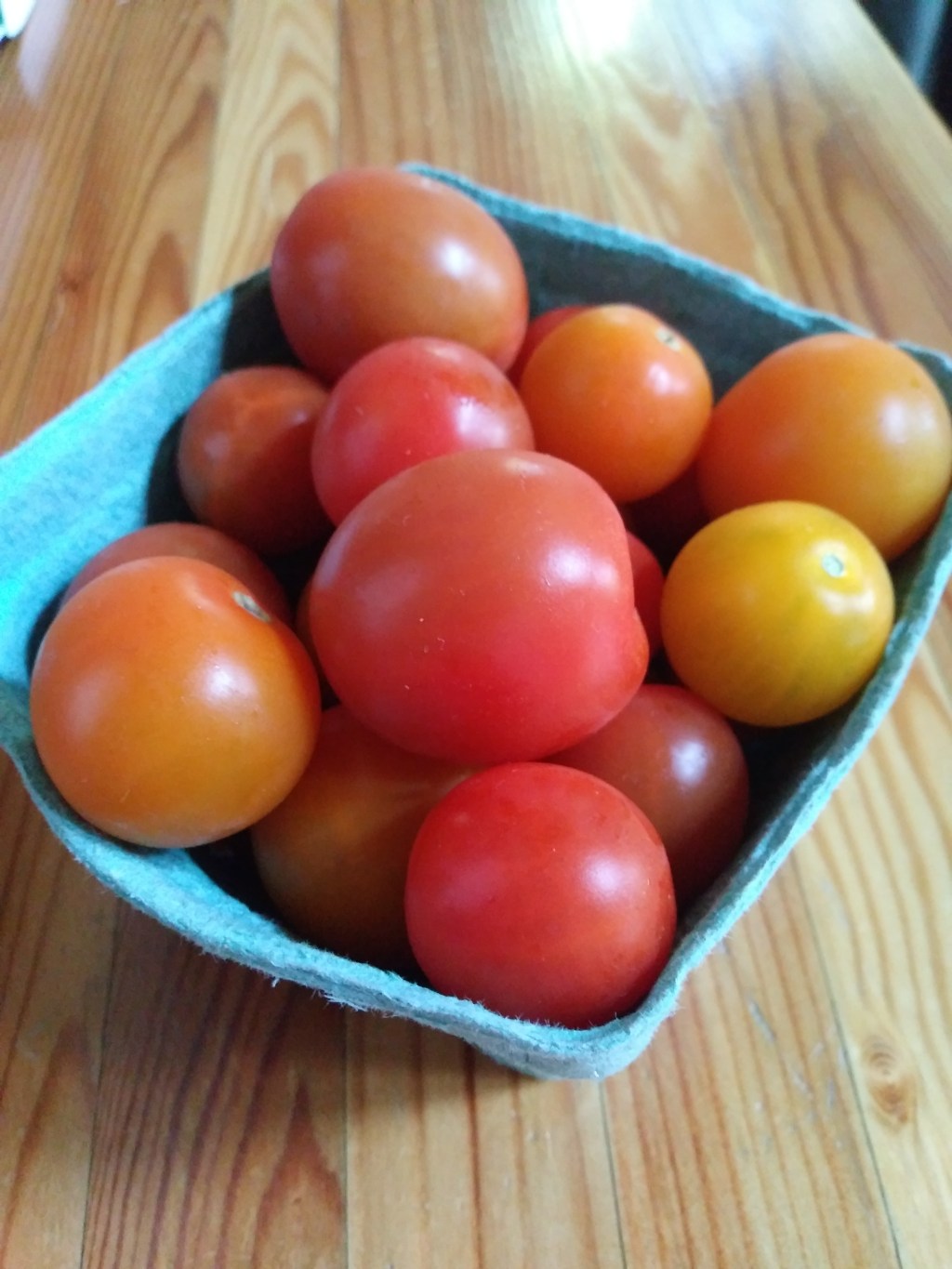
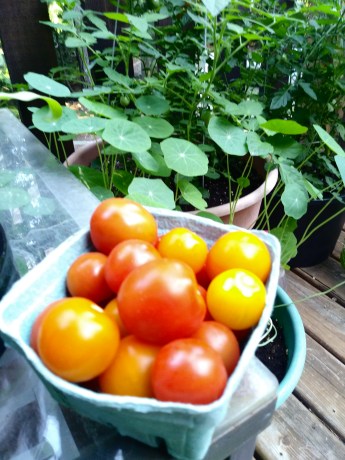
    Cherry tomato, small and sweet,

    Summertime’s grandest treat.

    Orange or yellow, purple or red,

    Sun-warmed is the best, I’ve said.

    20190816_102139

    Dangling fruit, ripe and ready

    On bushy stalks of green so steady.

    That certain odor on my fingers

    That your leaves leave, it lingers


    But that’s okay. How I love that smell!

    On sunny days, it makes my heart swell.

    Cherry tomato, friend, not foe.

    The only veggie I can grow.

    20190807_182943