Category: producers

  • A Farmer’s Ode to the Cabbage

    A Farmer’s Ode to the Cabbage

    IMG_3737
    Prepping dinner in late February.  Note “green onions”, carefully harvested from some storage onions that decided it was time to start sprouting.

    Note:  This post the product of a farmer itching for the snow to melt, of Lisa Richardson’s gentle encouragement to not be ashamed by my lack of posts since last May, and also a plug for a new page on our farm website that talks about VEGETABLES.

    It tries to answer questions like “What’s this?” or “How can I cook that?” or “Can I freeze these?” that I get asked from time to time as a CSA farmer.  I also admit to eating cabbage for breakfast on a regular basis.  Feel free to have a look if you’d like.  http://fourbeatfarm.ca/news/

    IMG_3723.JPG
    A breakfast option for the Pemberton loca-vore.  Includes an average portion of cabbage, pickled garlic scapes from last summer, and some additions from friends at Spray Creek Ranch.

    Now, to ramble…

    Last week, the spare room where I store my personal supply of winter produce had its annual conversion into a spring “grow room” for this year’s seedlings.  Anyone else have ~8000 allium roommates right now?  No?  Oh well, just me then.  We will be co-habitating for a few weeks until the seedling greenhouse gets set-up and temperatures climb a bit.

    Because of this new roommate situation that I have come to believe is normal, I spent a few hours picking through the bins of winter storage vegetables.  Since I haven’t been to the produce section of the grocery store all winter, there wasn’t much left.  I salvaged the best to cram into the fridge and imminent meals, and that about took care of it.  Let me begin by saying that, despite my attention to detail when it comes to processing and storing vegetables in the main farming season (destined for CSA and farmers market shoppers), my winter set-up for personal use is…well…simple.  Or lacking.  Depends how you look at it. Let’s call it “rustic” to be nice.

    It’s a small room in the house.  It’s separated off and slightly insulated by a blanket over the doorway to avoid wasting woodstove heat from the hallway.  The window stays cracked open to let in cold air and keep the bins of veggies comfy.  When we get a cold snap, I make the crack smaller.  When we get a mid-winter thaw, I open the window a bit more.  If I remember.

    This has successfully kept beets, carrots, turnips, watermelon radishes, cabbages, rutabaga, celery root, kohlrabi potatoes and onions in fine shape until at least early March.  There are some sprouty bits.  Occasionally one will turn to mush and cause a small amount of slime to touch those around it.  These now-slimey neighbours get rinsed off and put in soup or fed to the draft horses (onions exempt, they go direct to compost and bypass the horse trough).

    DSC_0529
    Winter storage veggies at their prime for fall CSA members.  Mine do not look like this now.

    By March, things kept in such un-fancy conditions tend to look a little tired.  Rutabagas are starting to sprout wild hairstyles.  Celery roots are looking a bit shrivelled.  But the cabbages?  Oh, the cabbages.  They’re like a breath of fresh air.  Dozens of them have been sitting in a Rubbermaid bin in the house for nearly four months and they are still crunchy, juicy, sweet, and willing to join in to up the freshness factor of just about any meal.

    If you’re looking for ideas about vegetables, recipes, or curious about how this particular farmer likes to eat her veggies year-round, I’d welcome you to check out a resource we are growing to help our friends and CSA members with the age-old question “What is this?”  (holds up a cabbage shaped like a cone, an alien-resembling kohlrabi, or a yellow beet).

    http://fourbeatfarm.ca/news/

    Seriously though, those cabbages.  They’re just what a farmer needs this time of year.

    IMG_3751
    A friend of mine called this a “Winter Glory Bowl”.  Not sure if she was joking or not, but we’ll take it.  Canned salsa from our summer tomatoes, refried beans from some shelling beans we grew and froze, sweet curry zucchini pickles, and roasted rutabaga.  I don’t know if they’ll be serving it at any restaurants anytime soon, but it was a perfect sweet & sour,  hearty & crunchy combination of food from the farm for a post-snowshoe lunch.


  • Cannabis Cultivation (aka Growing Weed) Then and Now

    Cannabis Cultivation (aka Growing Weed) Then and Now

    scan 31CANADA-POT

    With legalization finally here, and the stigma of using cannabis diminishing, I’m not incriminating myself to confess I’ve been growing my own for decades. Even though this ancient herbal medicine has been around in most cultures for millennia, the evolution of what is now viewed as a huge agribusiness is very recent. This is a brief history as I perceive it. I’ve had the privilege to witness this progression from early on.

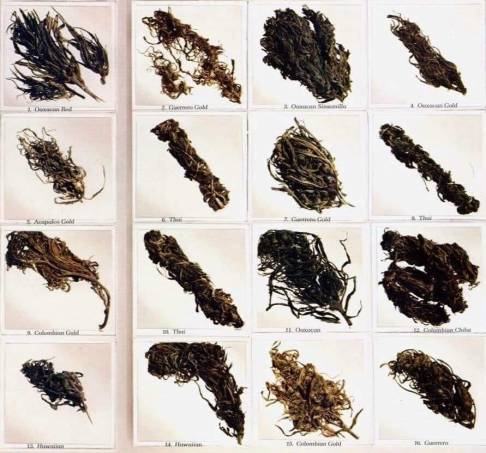
    I grew my first plant as a teenager in our backyard. My parents were liberal-minded and my mother had a green thumb and offered advice. It was my first experiment in growing anything. Keeping the plant alive was straightforward with a little direction from my mom. The end result on the other hand was poor at best. Acquiring seeds was easy, there were literally hundreds of them in every bag. Unfortunately it was impossible to duplicate the conditions of the countries the seed came from. It was a lose-lose and everyone who attempted grew what was known simply then as homegrown – Yuk.

    50690278_2254837127880400_6871468879235776512_n
    It’s hard to believe now, but pre-mid 80’s there was very little documented information for anyone that had any experience in cultivating this non-native plant in Canada. The only thing available was imported brown crap. Any pothead over 45 will confirm it was weak, full of twigs and seeds, and tasted like mouldy hay.

    Was it really that bad? In retrospect yes, but no one knew the difference. Technically the plant wasn’t as bad as the growers and handlers were. You see, those farmers in those undeveloped countries knew about as much as a Canadian teenager in the suburbs when it came to the horticultural techniques of breeding, growing, manicuring and curing pot. The only advantage was they usually had a longer growing season. It was still just a hardy cash crop, growing in a field by a peasant farmer, baled like hay and shipped on a boat. It tasted mouldy because it usually was.

    It was the Dutch who revolutionized cannabis cultivation. Being, in my opinion, the best botanists, horticulturalists, gardeners and innovators in the world, they researched, experimented and took it to the next level. They gave it the respect it deserved. They literally domesticated a wild plant that grew in many temperate and sub-tropical parts of the world. The first thing they did is realize that the female plant flowers have the most active ingredients and flavour. They also found if it was unfertilized and therefore seedless it was even better. Except for breeding purposes, they got rid of, or isolated the useless males. Secondly they figured out that light duration played a significant role. They noticed that with 18 hours of light the plants grew vigorously – under 12 they slowed down and went into flower. 2 short months later the fruiting buds were ripe. They also quickly figured out that if they grow indoors under lights they could force a plant into doing what they wanted it to do, in a controlled environment.

    The Netherlands’ climate, similar to western Canada’s was not really suited for the available strains of this plant outdoors. They also discovered that different strains reacted differently to these cycles depending on their origins. It is believed that Cannabis originated from Central Asia – Indica, adapted to cooler northern climate and seasonal light cycles of northern India; Sativa on the other hand, from the drier middle east had less fluctuating cycles being closer to the equator. A common misconception is that Cannabis likes the tropics. Wrong. The light cycles there are too constant, the humidity too high and the pests unmanageable.

    There is a third unrecognized strain – ruderalis, that has adapted and hardy in areas not suitable for either of the former ones. It is day neutral and is unaffected by light cycles. This is what is better known as hemp and had already naturalized North America as a bonafide weed. Farmers were encouraged to grow it to supply material such as canvas and rope for the war efforts. After prohibition it became invasive and wild.

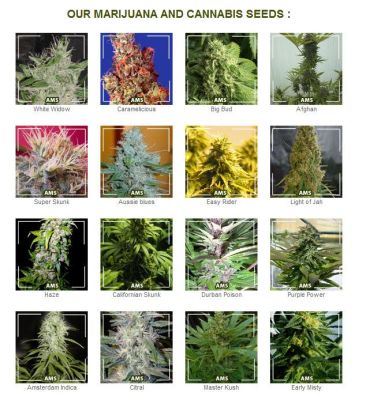
    With this new found botanical knowledge, the Dutch travelled the world collecting seeds from places that had been growing this herb for centuries. These pioneer growers could now modify their indoor growing conditions and cross breed all 3 species and dozens of varieties into hundreds (and now maybe thousands) of hybrids. They bred mostly for potency (THC) and quickly doubled and even tripled the strength. Flavours and taste that come through as turpines were modified to create spicy , fruity or ammonia undertones. Clones were made of the best ones and given catchy names such as Skunk #1 for its smell, Juicy Fruit for its taste, Northern Lights for its hardiness or Durban Poison reflecting its origins. Coffee shops openly marketed these new potent strains to the world’s tourists. The open-minded and business-savvy Dutch, proud of their horticultural talents turned a blind eye to the use of this still illegal, recreational drug. Seed companies began distributing, a few how-to books were published and hydroponic equipment became available. The domestic cannabis industry was born.

    56fcbc0746b8263ac87a269c5511ad1f
    It didn’t take long for these seeds and these new techniques to make their way to North America in the luggage of hippies and stoners. The hip areas of Northern California and Oregon were also suitable for some of these strains to perform well outdoors. With a little extra breeding and mixing in a little ruderalis these varieties acclimatized to more northern areas. The Cannabis wave reached BC in no time. There they also combined the horticultural knowledge of the Dutch with cheap hydro, and infused some California strains to perfect the legendary BC bud both indoors and out. Vangroovy became Vansterdam.

    The medical marijuana movement, and the research debunking harmful effects and supporting its usefulness in treating many diseases, was what truly paved the way for legalization.

    Once the Supreme Court granted legal access to this medicine, the floodgates burst wide open. Anyone with almost any ailment could now get a doctors prescription. In city centres, dispensaries became more abundant than coffee shops. Legalization became inevitable. The government wanted in on that tax revenue. Conservative white collars, generally opposed to the subculture, quickly became the big investors. The Mom and Pop operations are being eliminated. Sound familiar?

    You might ask what this hidden activity has to do with local farm culture?

    Plenty!

    Pemberton with its favourable growing conditions has long been a hot spot for outdoor growing. Many legal medical licences and even more illegal grow ops have existed for years. The infusion into our local economy has been immeasurable yet substantial. With warehouse factory producers in Squamish, Whistler and two huge ones coming on line in Pemberton, Cannabis is set to become sea to sky’s largest agricultural product. A recent start up , Whistler Medical Marijuana just sold for $175 million!

    While in theory, legalization, in my opinion, is a step in the right direction, I question the corporate factory farming business model. The very people that established this economy are being replaced by shareholders, and workers in lab coats. It’s over-priced, resource-intensive, often heavy in chemicals, unsustainable and treated as a commodity. If you want to support this business model, that’s your choice. I’m surprised that Whistler /Pemberton has not embraced retail recreational Marijuana yet. I won’t be a customer just like I avoid fast food, but it needs to be readily available for any adult just like alcohol. There also needs to be a local, organic, homegrown paradigm shift to counteract this generic approach. Why support an inferior product when most of the profits leave the community? This is exactly what happened to the food industry. The shift to local and organic took time and I’ve seen that progression as well. There is hope.

    In a way I will miss the adventure of guerrilla-growing my secret patch of personal in the bush. Luckily each household will now be able to legally grow 4 plants. Hopefully a new homegrown renaissance will occur. We now have the knowledge and the strains to be self sufficient. If you can grow tomatoes on your deck, you should be able to grow marijuana. After all it’s just a weed. If you would like any info on starting your own legal plants email me at mikoiko66@gmail.com. I know a thing or two and can set you up with the right strains.

  • Lettuce Talk

    Lettuce Talk

    There has been a small uproar on social media lately regarding the price in the local stores of lettuce. Small, wilted stuff that you know has traveled a few thousand miles to get here.

    People are saying it is because of the romaine shortage.

    But really, it is just an excuse the middle man and the stores are using to falsely inflate the price.

    The only lettuce that should cost more because of the romaine shortage is romaine. Is any of that inflated cost trickling down to the romaine grower who now has to dump tons of lettuce? Doubt it.

    In the seed potato industry, when there is a shortage of one variety of potato, it is only that one variety that costs a little more, because it is in demand.

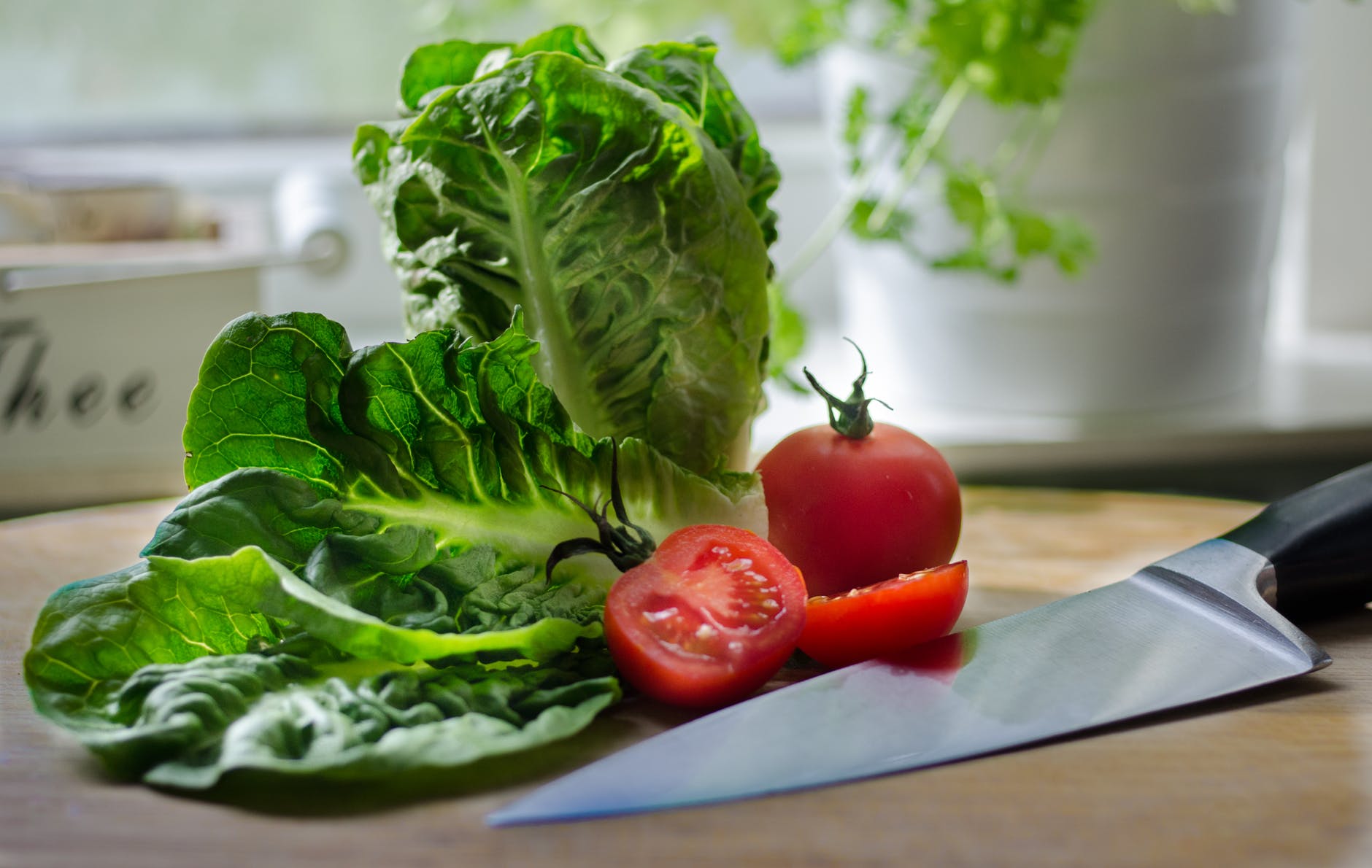
    I don’t buy lettuce in the winter. Salads are a summer thing.

    salad tomatoes kitchen cooking
    Photo by Skitterphoto on Pexels.com

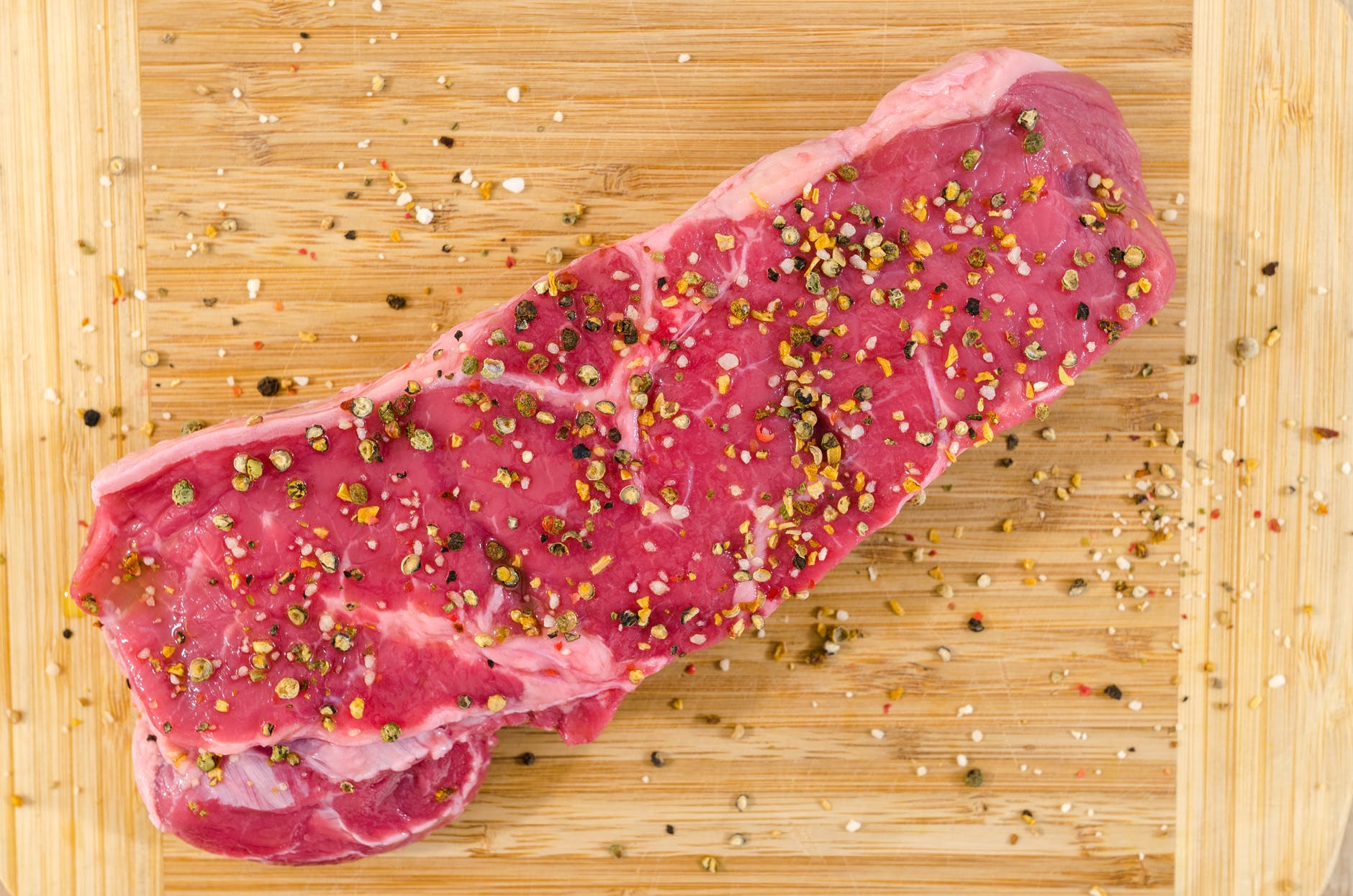
    One more thing. You know that steak or hamburger you bought for your dinner? The price of that has steadily increased over the last few decades. We just shipped our beef cattle and averaged $1.80/lb. Now back up 40 years and those same cattle would have fetched us $1.00/lb. That’s is only an .80 cent or 80% increase in 40 years. Forty years, people! While the cost to produce that beef or the potatoes and vegetables that go with it has gone up 200% and the  price you pay for that beef in the store has increased 170%.

    bbq beef chopping board close up
    Photo by Lukas on Pexels.com

    I guess all I’m trying to say is all these price increases are not really getting back down the line to the producer of the food.

    People, speak up with your wallets. Buy local. Eat seasonal.

    IMG_1444


  • Squamish Farmers Strip Down For Fundraising Calendar

    Squamish Farmers Strip Down For Fundraising Calendar

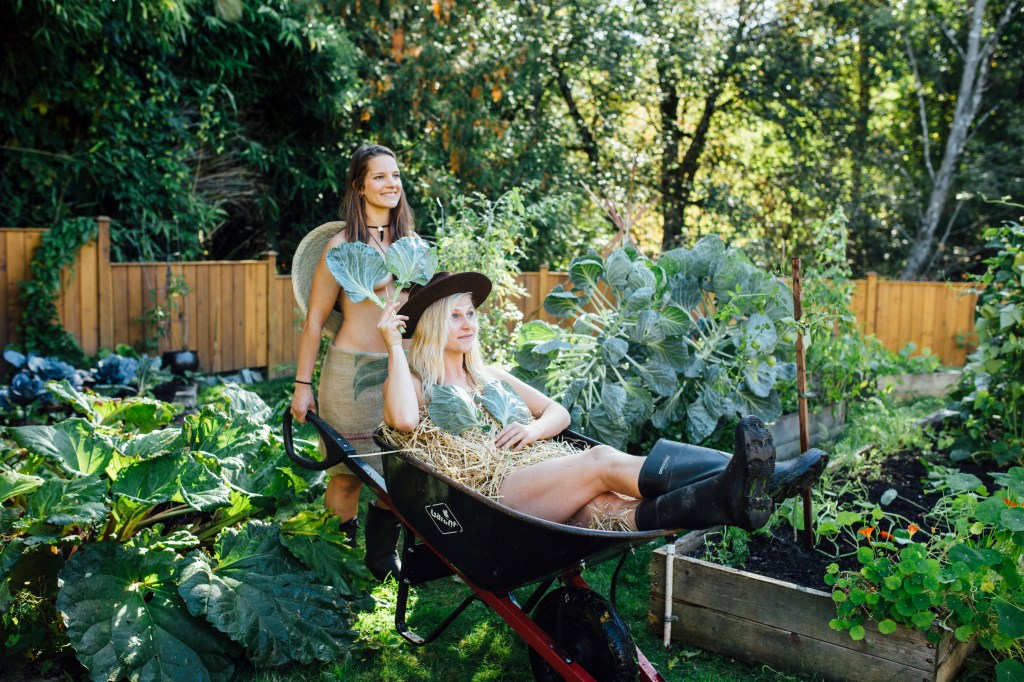
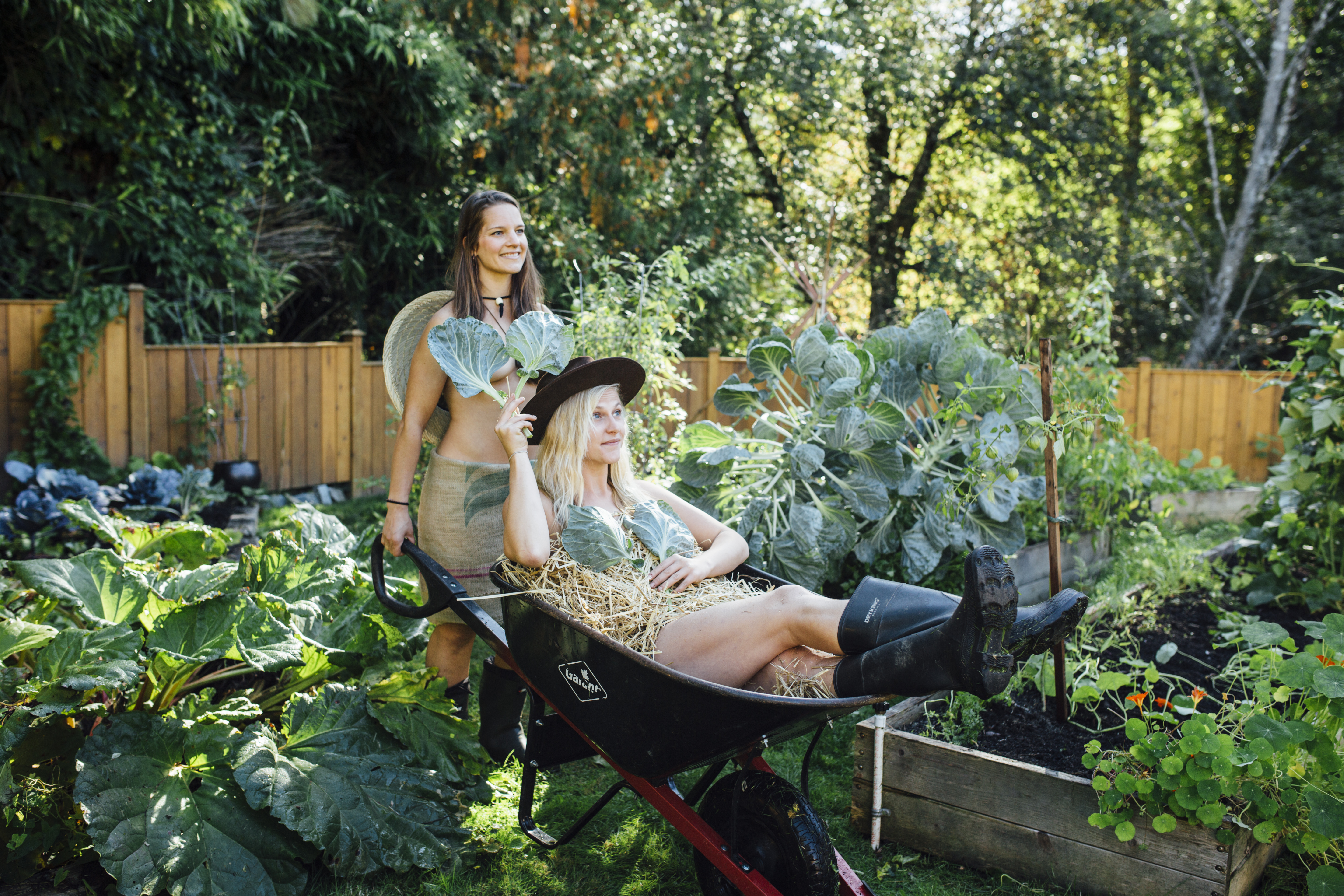
    Squamish CAN (Climate Action Network) has launched an Indiegogo calendar fundraising campaign featuring nude Squamish farmers in hopes of raising money for a community farm.

    _T1A9470-NinaLaFlammePhotography-2
    Jordie and Steph from Solscapes pose in one of their client’s edible gardens.

    The group has been running community and school gardens over the past several years, and have been identifying ways to strengthen the local food system through consultations with farmers and other stakeholders in the food industry. Their community farm project aims to engage youth, attract new farmers to Squamish, and support established farmers while preserving agricultural land. They rallied local farmers to strip down for the cause, and most were willing to go along with it.

    Calendar coordinator and Squamish CAN president, Michalina Hunter, was inspired by a past calendar she purchased in 2015. “The nude farming calendar I bought on Indiegogo raised $35,000 for two women to put a downpayment on farm property. I thought it was such a great idea. How amazing would it be if we could raise that much for our organization? We finally decided to go for it this year. We have incredible farmers in Squamish. I hope the idea is just cheeky enough to be successful!”

    Preferred_MG_7791-NinaLaFlammePhotography-4
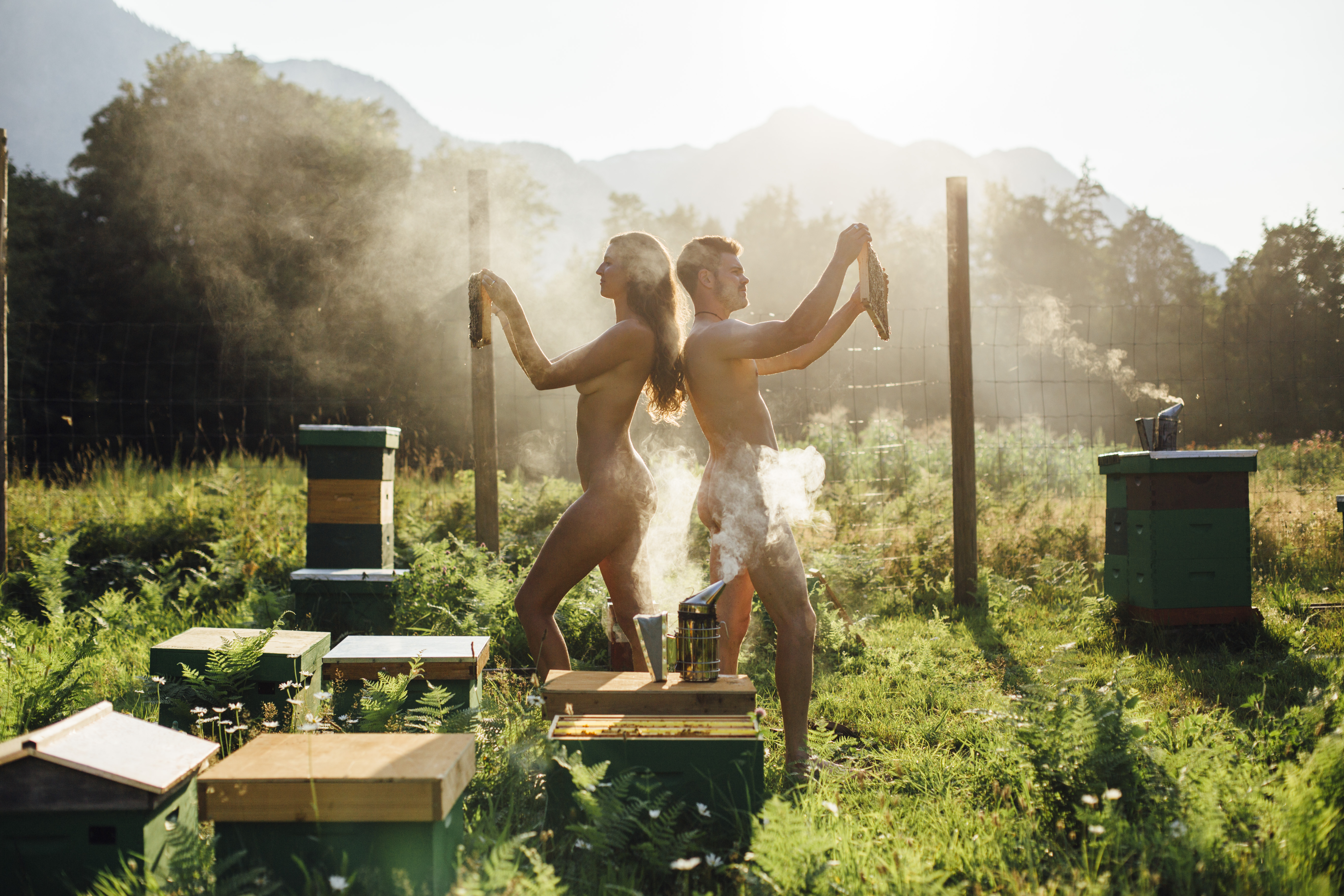
    Michalina and Darwyn of Green Bee Honey–probably the most dangerous photoshoot of them all given the flying stinging insects everywhere…

    There are other models of community farms and similar projects nearby. The group toured and learned about the Tsawassen Farm School, Glorious Organics (Aldergrove), Richmond Schoolyard, Fresh Roots Urban Farm (Vancouver), Amlec Organic Limited (Lillooet), Farm Folk City Folk (Vancouver), and others to design the project. 

    “We’re not the first community to do this,” says Hunter, “We’re really excited about the potential of creating multiple win-wins with this project. It can engage youth in growing food and learning employable skills, it can support new farmers in finding land, it can create shared sales opportunities for established farmers, and it can engage the community in sustainable agriculture. We envision a central educational market garden for us to work on, and then several 1/4 acre to 1 acre plots for new farmers to lease. There will be shared tools, equipment, wash stations, and storage for all the farmers to share. The community farm is really a jumping off point that can support so many other community initiatives.”

    IMG_6051
    Dorte and Thor from the Brackendale Art Gallery.

    Squamish used to be a prosperous agricultural community, growing primarily hops, hay, and potatoes. In fact, hop farming was Squamish’s first major industry. Much of the fertile valley-bottom land has since been paved and built on. Only 2% of Squamish’s remaining usable farmland is currently used for agriculture, yet skyrocketing land prices make it cost-prohibitive for new farmers to get into the industry. Leasing land, on the other hand, has less financial risk, and can allow new farmers to get into the industry, hone their skills, and build credit.

    _MG_3062-NinaLaFlammePhotography-15
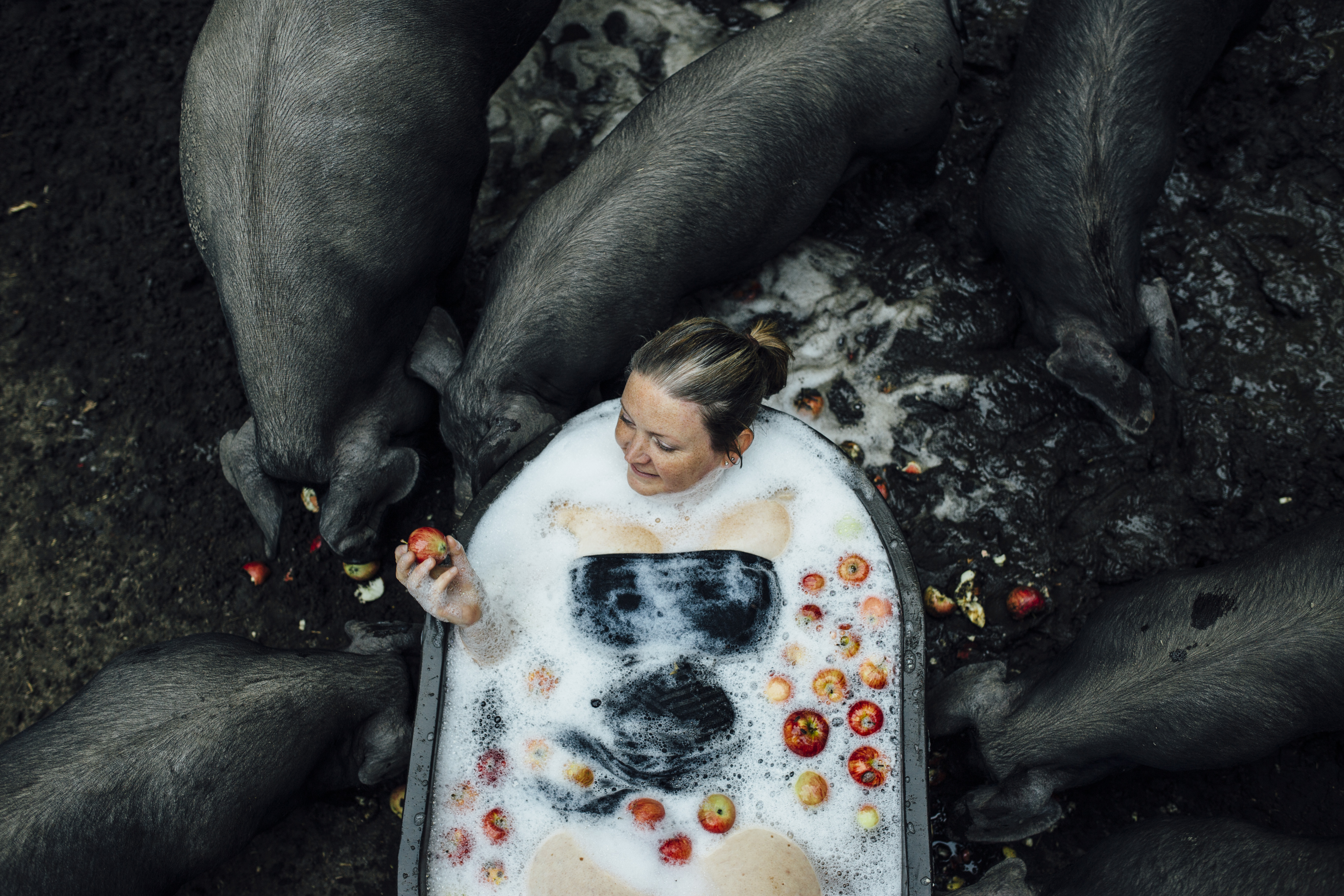
    Tracy of Stony Mountain Farm. The pigs were wary about the apples once they were covered in bubble bath, but of course being pigs they ate them anyway.

    The group envisions starting small with the community farm, then adding components over the years such as a Food Hub, community garden, covered workshop space, and food forest. They have not solidified a location for the community farm, but are exploring different options. Ideally they would own the piece of land, but a long term lease or memorandum of understanding would also suffice.

    Sneak peek of the calendar and ordering options here! 

    Perhaps a Squamish-Lillooet Farming Calendar is on the horizon for next year!

  • Our 2018 Farming Season in a Nutshell: Part 3 (Late summer/Fall)

    Our 2018 Farming Season in a Nutshell: Part 3 (Late summer/Fall)

    After Juneuary,  (see part 2), July’s weather was seasonably normal, but it was too-little-too-late for many of our flowers and for our heat-loving crops, like the tomatoes, eggplants and peppers.

    We were 6 weeks behind and many things needed 6 more weeks to mature.

    Luckily , over the years we have planted and divided many perennials to fill in the gaps as we waited for our annuals to bloom. We combined these with some natural wildflowers, like tansy, goldenrod and lupines, and were able to put together some nice bouquets for our regular customers.

    We had intended to expand our flower market, but with limited supply, that was out of the question this year. We had planted over 200 dahlia tubers and patiently waited for them to bloom. And bloom they did!

    Due to the weather, our season had become compressed.

    Plants have only goal in life – to reproduce. They bud, flower, fruit and go to seed, accomplishing this in whatever time frame is offered.

    Our gardens, just like wildflowers in the alpine, bloomed all at once, through necessity. So instead of having a staggered harvest, our cherries, berries, veggies, and flowers all needed attention at the same time. Hectic, to say the least.

    Our garlic  and fruit crops, a couple weeks late due to weather, were steadily approaching and we couldn’t keep up with everything else. We did what all farmers do when push comes to shove – we worked our asses off from dawn to dusk. Now we had fresh products for our markets, which of course is another job in itself. Our colorful stand attracted customers like butterflies. Finally we had a decent income stream, even though we had been at it for several months.

    Garlic, being our cash crop, is also our most labour intensive one. Every year, for the last few, we’ve expanded our volume by about 2000 bulbs. We were up to over 12,000 last year. Harvesting, sorting, cleaning and curing, usually takes about 6 weeks, with extra help, at a steady pace.

    Pulling it up can turn into panic if there’s a forecast for rain. After 2-3 days in wet soil  ripe garlic skins decompose, leaving split bulbs which store poorly and affect marketability.

    Murphy’s law of course, proved correct – it rained heavily mid-harvest. As we frantically  pulled the crop out of the soggy ground, we luckily found most of them still intact. Good. Most however were significantly smaller than usual. I did everything I normally did  at all stages with respect to mulching, weeding and fertilizing, and everything looked great above ground. Unfortunately, being a root crop, it’s what’s happening below the soil that matters. I had planted them in a new site that was south facing, but obscured by tall trees to the east and west, resulting in shady mornings and early evenings. This combined with a cool spring must have been the problem. Garlic prefers warm soil to bulb. This size difference didn’t affect quality but drastically reduced yields, yet it was still the same amount of work.

    My biggest concern now is that I won’t have enough seed-grade-sized garlic to replant for myself, let alone sell to other growers.

    I am ironically currently trying to purchase some more.

    I haven’t done the calculations yet, but  we will definitely have a smaller crop to plant.

    After the garlic harvest we immediately proceeded to fruit harvesting. This year we picked most of it in the rain, as we finished off the summer months with the worst September I can remember. It poured rain for 5 out of 6  of our most important market weekends from Labour Day to Thanksgiving. This not only affected sales but also our motivation. Again, we put on a brave face, brightened some people’s day with lovely flowers and pretended farming is always great.

    If our season comes across as all doom and gloom, that’s not the whole picture. We had  quite a few successes. Our huge dahlia patch was a field of dreams with massive blossoms over our heads. We had a bumper crop of berries, which kept our daughter, our highball picker, busy.  Apples and pears did really well and made up for the less than average cherries and plums. Our value-added garlic products, such as powders, are a huge hit.

    Should we measure our season by the weather, how some plants did or from our bottom line? Absolutely not! Any farmers who view their business this way, would soon admit defeat and quit. We are pleased to have a freezer full of meat to eat and trade with, and enough frozen, dried  and juiced fruit to last the winter. We have enough tomatoes , onions and peppers to keep us in pasta sauce for a long while. We have just enough savings to take a short holiday before the snow flies. Success in my books.

    I had to summarize our seven month season into three parts because this chosen profession is so involved and variable. Did I cover everything? Not even close! We have two orchards with dozens of trees and huge berry patches that need pruning and spraying, (organic methods of course), then picking and storing. Regular yard work and landscaping for 6 acres. Composting and amending soil. Tool and machine maintenance. Clearing, brushing, burning and firewood. Irrigation, weeding and succession planting. Renos and maintenance of our large house and outbuildings. Fencing, building a chicken coop and hoop houses. Daily chores such as taking care of 20 layers and 200 meat birds not to mention, slaughtering, butchering and processing them (not fun).  On top of all that, there are the indoor jobs I loathe the most such as marketing, book keeping, ordering supplies, and other paperwork.

    Now, before I think of anything else I’ve missed, I must stop writing because I have garlic beds to prepare and plant. A farmer’s day is never done. If you like a cushy, stable, and risk-free job, don’t even think about being a farmer. Personally, I wouldn’t have it any other way.

  • Our 2018 Farming Season in a nutshell:  Part 2 (Late Spring/Early Summer)

    Our 2018 Farming Season in a nutshell: Part 2 (Late Spring/Early Summer)

    This is the second instalment of Mike Roger’s recap of the rollercoaster farming season of 2018. For part 1, click here.

    So, here we are at the end of April, with a grow room full of tiny, compromised seedlings (see part 1).  Our hydro bill is through the roof and we have a lot of expenses. Most farmers have already tilled up their beds and are starting to plant the hardier varieties outside. We are feeling defeated. Why bother turning the soil if we don’t have anything to plant yet? It’s only an open invitation for weeds.

    In farming, if you’re not an optimist, you’ve already lost the game, so despite it all, we prepare our beds, not knowing what or how much we’re going to grow. We cover the fresh soil with drip irrigation and bio-mulch, a bio degradable plastic film to suppress the weeds and wait for whatever seedlings have survived to mature enough to transplant.

    Our only farm income in the spring is our annual Mother’s Day plant sale. Less than a month away, things are looking grim. Our neighbours have come to count on us to find heirloom varieties of tomatoes and other starts you may not find at the nursery. Luckily the tomatoes fared better than the delicate exotic flowers that we spent a lot on seeds for. Miraculously we had a successful sale, factoring in our perennials such as raspberries, rhubarb and herbs.

    Farming is so profoundly weather-related — the nicer the spring, the better off you are. Well, not in our case. May was extremely unseasonably hot (aka “Maygust)”. We knew we had to get our starts in for the traditional Victoria Day holiday deadline. We literally watched our tiny compromised transplants shrivel in the hot sun. The top of the soil would be bone-dry midday  and watering at this time often magnifies the sun’s rays. We lost even more plants and were forced to direct seed in the blank spaces between the survivors. We also had to resort to purchasing expensive starts from the nursery for many plants we couldn’t wait to sprout.

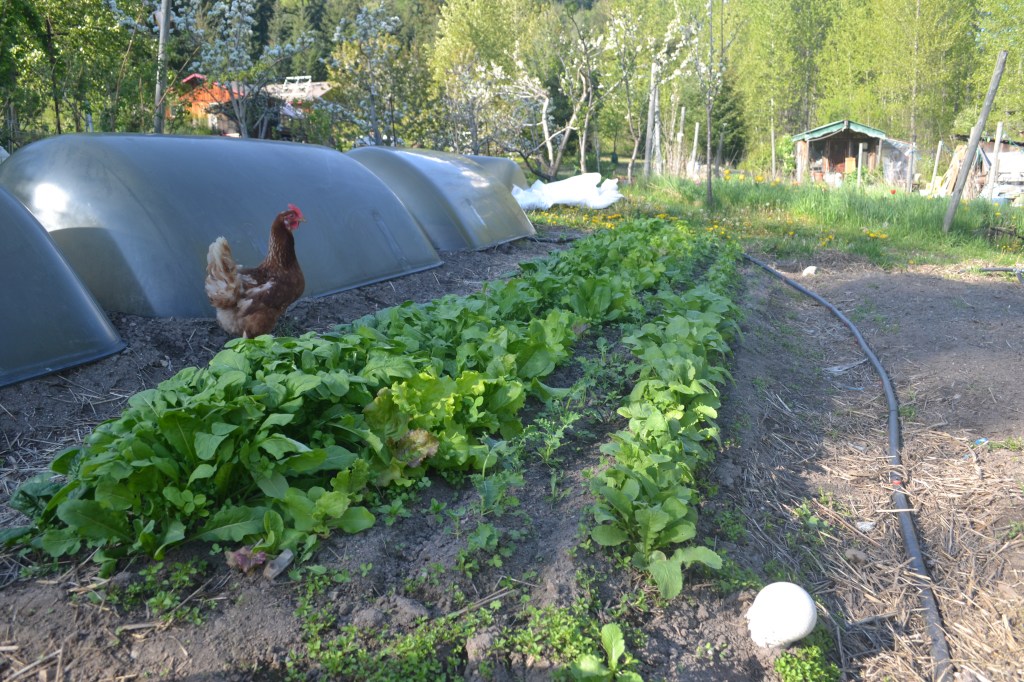
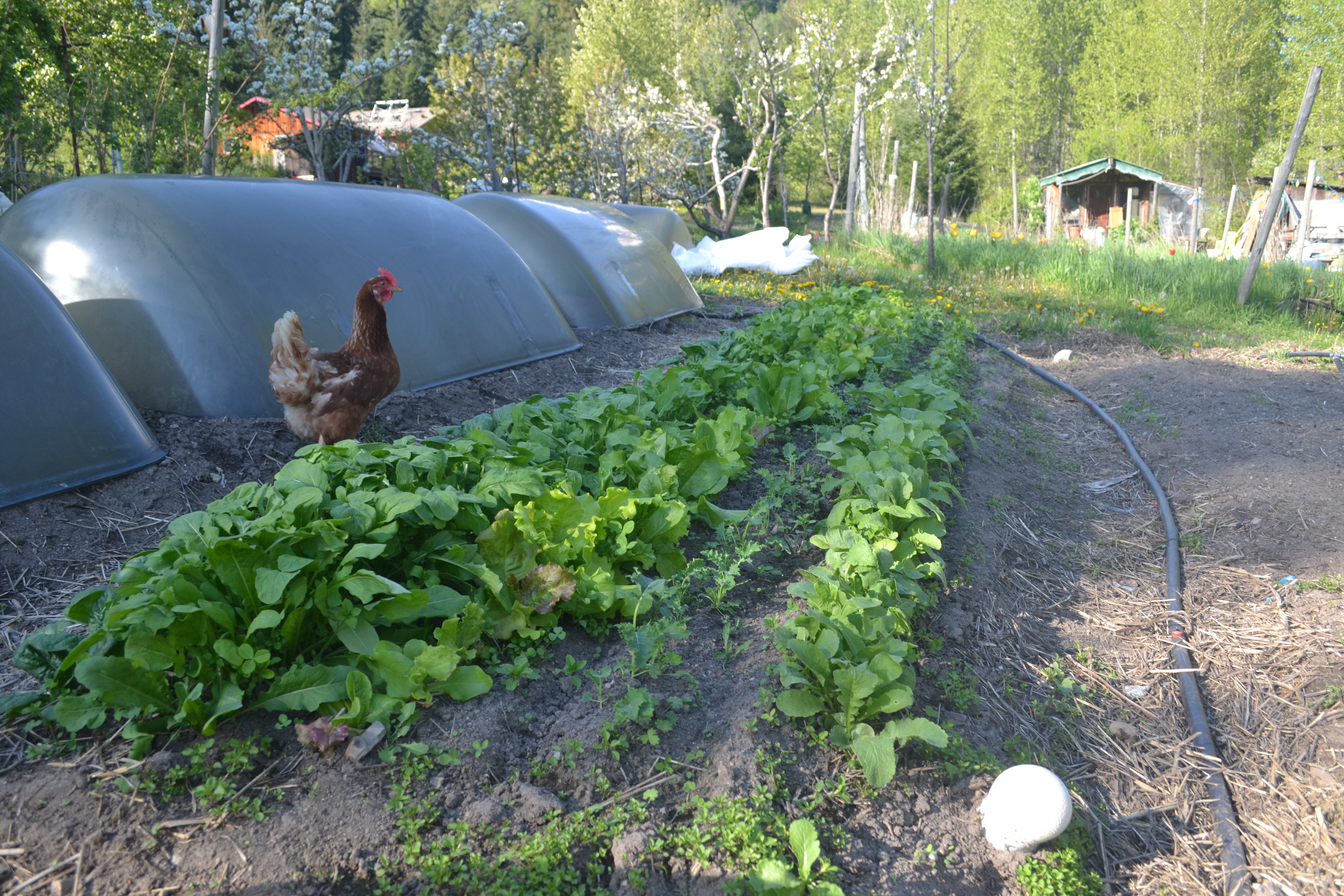
    Most of the things we focus on growing in our niche market are late season – heat-loving and slow-ripening – such as fruit, berries, tomatoes, flowers, and garlic. June is a make or break month, weather-wise. It sets the stage for yields by establishing buds and  deep roots to prepare for the summer.  A cold spell in June, for some reason, has become common here in recent years. This is fine for those growing brassicas, spinach, radishes and early season crops. During June, however, this weather pattern (Juneuary) lasted the entire month! It seems we got hit worse in Birken than in Pemberton. A few hundred feet in elevation results in a few degrees which can make a huge difference. The general rule is that below 6 degrees C, most plants just stop growing.  The nightly lows were often around 7 in Pemberton and less than 5 in Birken. We were burdened with covering  the plants up at night (with bubbles from the old Wizard chair), something we normally did in April.

    DSC_0021

    Farmers Markets have become big business. There is pressure to extend the season on both ends, regardless of what’s available from the weather dependent farmers. Again, this is okay for cool weather crops and artisans, but not for us. Nonetheless, we have to  book and pay for our markets long in advance.  So here we are into July and we’ve got nothing  fresh for our scheduled markets. Do we just cancel? No! We need money to keep the farm running! We had to somehow pull a rabbit out of a hat. We  quickly made some twig baskets and rustic coatracks (hence the Willowcraft name), packaged some dehydrated garlic and apples, made some vinaigrettes and raided our kitchen garden of herbs and greens. Of course, our stand looked awesome and our customers were unaware of all our challenges.

    In farming, if you don’t adapt quickly, you’re done.  It’s not like there’s a choice. It’s a life-long lifestyle. I wasn’t going to abandon everything and get a 9-5 job to pay for bills. If it weren’t for credit, I don’t think there would be a single farm in existence.

    Stay tuned for part 3, in which we’re overwhelmed as everything ripens at once, and underwhelmed by the performance of our cash crop, garlic. We finally somehow salvage our difficult season finishing on a (spoiler alert) positive note.


  • Our 2018 Farming Season in a Nutshell: Part 1 (Earlyspring)

    Our 2018 Farming Season in a Nutshell: Part 1 (Earlyspring)

    In farming, no two years are ever similar, with hits, misses, trials and tribulations. You often add a few experiments, delete a few duds, and try to improve infrastructure and efficiency. Nature is fickle however, and like anything in life, things rarely work out as planned, you have to roll with the punches and Mother Earth has a hefty left hook.

    This year, we had so many ups and downs I will have to break it into 3 parts: Early  spring, Late spring/summer and Fall

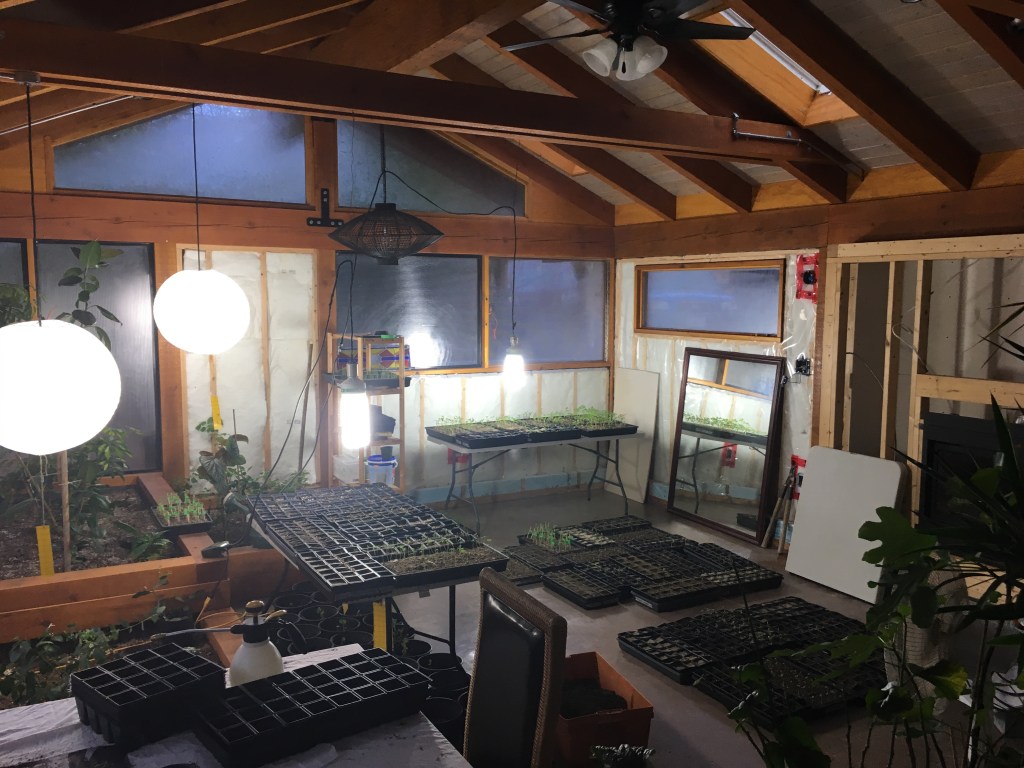
    Our seasons always start optimistically with the first inkling of spring in early March. This year, we were extremely excited to use our newly constructed propagation room, a large solarium with heated floors, grow lights and ventilation. We invested  tons on construction, and more than our usual amount in new seeds, with the intent of going big. We had a line on some recycled potting mix from an indoor commercial operation.  I knew using  outdoor natural soil for indoor plant starts is a big no-no with the possibility of introducing pests or diseases. I felt confident with my score because it started as  certified organic sterilized mix and also sat outside all winter which should have killed any troublemakers and their eggs, plus I had used some before. Most of all it was free, saving me hundreds of dollars in a time that is lean for farmers.

    Our lovely solarium also has tropicals, citrus, coffee, figs etc. As soon as the temp rose , the aphids, whose eggs overwintered on these plants, hatched. Problem number one. We quickly tried to control it with insecticidal soap, but couldn’t keep up. With organic methods, you have to work as many angles as possible – you can’t just go out and buy some strong poison and kill everything in one shot. We tried jets of water and vacuuming, but still couldn’t keep up. We became concerned when these little creatures found the tender sprouts of our seed starts. We purchased 3000 lady bugs and let them do the work. They eventually worked but some damage occurred and we had to re-seed a lot. This was early in the game, and we weren’t too upset. We still had plenty of time to recoup our losses.

    Fast forward a week or two, and we noticed the seedlings are dying off . We get out the magnifying glass to check for bugs: none. Good. We assumed the plants are damping off, a condition that often occurs in wet, cold soil. We cut back the watering and crank up the heat. This only made the situation worse. Eventually we noticed tiny fruit flies hanging around the plants. Problem number 2. This was perplexing as there was no fruit anywhere and the sprouting vegetation was fine. These plants were dying from the ground up. Oh no! Fungus gnats! These flies are harmless, but their larva were eating the roots faster than they could grow. The damage had been done before we even diagnosed the problem. Those thousands of flies were laying tens of thousands of eggs in the soil. Now what? We called the company that sold us the ladybugs and ordered a bug with a fancy name that eats gnats. We had luck with biological controls (that’s the term when you introduce something natural to control a pest) with the ladybugs vs aphids, so we were confident. We disposed of the trays, re-seeded again and released thousands of these critters all over to deal with the gnats. We didn’t really know yet how these gnats were introduced and assumed they also overwintered on the tropicals in our above freezing solarium. Time was running out on our seeding window, but still felt we could pull it off.

    Unfortunately this didn’t work as well as planned. The control pests didn’t multiply as fast as the gnats. The flies kept on hatching which meant the roots were still being eaten.

    But where the hell did these bugs come from in the first place? I called the person I got the recycled soil from and asked him if they ever had issues with fungus gnats. He shamefully replied yes, but hadn’t mentioned it at the time, assuming everything would have frozen to death as it sat outside all winter. A quick google search on gnats revealed they have a natural antifreeze in their eggs and larva that can withstand warm winters.

    This dilemma kept me up at night: a large part of our farm income – annual flowers, tomatoes, herbs and veggies, was seriously jeopardized. There is no insurance for this type of thing. I scoured the internet for any solution. One was to douse the soil with diluted hydrogen peroxide (suitable for organic standards). This worked a bit, but not totally as it also killed the control pests in the soil. Now I was back to square one and there were still gnats flying around ready to lay more eggs.  I tried some other control bugs, but they took a few weeks to hatch! No time to waste! I was frantic.

    Next possibility was nematodes – another control bug that lives in the soil. They are expensive, and our seeding budget was getting tighter. I got some leftovers from a friend, but they were out of date. I had no time to rely on something that may not work. Last option? An organic mosquito control for small ponds that apparently works on gnats. This was affordable and I just kept dousing the soil every couple days. It seemed to be working but not after losing thousands of seedlings.

    Now that we knew the source of the problem and a  had a solution, we had to get some fresh potting mix and re-seed for the 3rd time with whatever seeds we had left.

    We were now far behind schedule, but like all farmers we kept ploughing through on a wing and a prayer.

    Come back for part 2 (Late spring/summer), in which I will describe how the weather further shit-kicked us.

  • The pros and cons of having WWOOFers

    The pros and cons of having WWOOFers

    Q; What is a Wwoofer? A: Its a dog that pulls weeds! Jokes aside, WWoof can be an acronym for either World Wide Opportunities on Organic Farms or Willing Workers on Organic Farms depending on the area and its labour laws. They are basically homestay farm volunteers who work 4-6 hrs /day in exchange for room and board. The organization began in the UK in 1971 when there was a revival of back to the land interest, volunteering and adventure travel.

    I can only imagine the logistics of organizing such an endeavour back then, with snail mail and hard copy photos. Since the advent of the internet it is so much easier, with quite a few other similar websites such as HelpX and Workaway.  These new sites have become popular because they’re not just organic farm related. It’s easy, using the same format as a dating web site with profiles and photos from both parties. Fortunately, the meetings are less awkward.

    We have hosted an average of a dozen helpers a year, for the last few years. They come from all places, cultures and ages. There are many pros and cons, but to be honest, so far, about 90% of our visits have been a good experience for everyone involved.

    The pros are:

    • We get to meet new people every few weeks without leaving our bubble. It’s been great to introduce our somewhat sheltered kids to others and their cultures. We always get out the atlas and they explain to us where they are from and where they’ve been. A homeschool geography lesson.
    • We get to be tour guides and ambassadors for our area, showing them our secret spots (only if they promise not to post it on social media.)
    • We’ve become more productive, Many hands make light work, whether it’s tediously picking berries, cleaning garlic or heavy work such as firewood. This leaves us more time for other projects and leisure.
    • We get to share our wholesome lifestyle and food with others who may have otherwise never experienced an authentic BC mountain environment.
    • We have made some fleeting as well as long term friendships, with a few repeat visitors. and have even stayed with some while travelling abroad.
    • We get to teach others new skills and teaching is learning.

    The cons:

    • It takes work to organize work for others and stay productive. It takes a game plan and most farmers are constantly adjusting plans, especially due to weather.
    • Sometimes people are just not compatible (remember the dating analogy). I can tell within hours if the person grew up in an urban or country setting. While most are adaptable, some are just out of their element, scared of wildlife or not accustomed to isolation.
    • You have to assume they don’t know a thing, explaining and demonstrating exactly how you want something done and setting the pace, especially if you plan to leave them unsupervised.
    • You may have to accomodate their dietary restrictions, religious or cultural practises. You have to be polite, politically correct, entertain them and drive them around. It can be a hassle and an invasion of privacy. You have to have blind faith and trust in a total stranger.

    Like I said, on the whole its been mostly great for us, but it’s not for everyone. It’s hard not to discriminate and develop stereotypes, but that’s human nature as we look for the most compatible fit. We are weary of bringing the elderly, disabled and the permanently transient. We have to accept that different cultures have different work ethics. We have to choose the right candidates at the right time depending on the season.

    There are no set rules or contracts, and the only repercussions come in the form of reviews. We have chosen to do between 2 -3 week stays, mostly to keep things fresh and avoid complacency. A recent couple who have had some negative experiences elsewhere noted that most other hosts require a minimum as opposed to a maximum stay. My response was “with a private cabin, wholesome work and farm fresh food, most travellers don’t want to leave. We treat others how we would like to be treated.”

    DSC_0020


    We


  • Navigating through all the Greenwash

    Navigating through all the Greenwash

    Theres no doubt people in these parts are more and more concerned and conscious about what they ingest. After all, you are not only what you eat but also what your food ate. The organic food industry is a multi-billion dollar industry and continually growing. Making sense of labeling or the lack of it can be confusing. Organic regulations and labeling requirements differ from place to place and across different certifying bodies. Despite the popularity of farmers markets and kitchen gardens, here in BC most of our organic produce comes from California because they offer a consistent supply year-round. We are inevitably bound by their rules. Is it GMO, biodynamic, freerange, freerun wholesome, naturally grown? What does any of it mean? We just want good clean nourishment with the least harm to the environment. Right?

    Is imported organic the best choice? It’s often overly packaged, travels hundreds of km’s, employs underpaid and often vulnerable illegal workers, and is heavily subsidized. Often  farms are big unsustainable monocultures owned by big corporations. If they follow a few rules, there’s a certifying agency that will approve it. When there’s millions at stake  and corporations involved, there is always a possibility of corruption. Produce also quickly loses its nutritional value within its shelf life, and tasteless varieties that keep best are preferred. Think California strawberries. Profits can come before your well-being. After all, it’s still capitalism.

    So local is the best?

    Yes of course! But, it’s limited in our climate.

    And, no. For a number of reasons. Local organic out of season is either hothouse grown or warehouse stored using lots of energy and infrastructure.  It’s not grown using soil and sunshine. The worst part of the “local” label is that here, as long as it was grown in BC, it can be called local. A Pemberton berry farmer here has no competitive advantage over the thousands of acres of commercial product flooding the market as local. Even a Fraser Valley potato can be sold here as local.

    That’s wrong.

    So what is a small scale farmer or even  a gardener, who has unadulterated naturally  grown surplus, to do?

    Certifying is complicated, time-consuming and expensive. Saying that it’s organic is unlawful and disrespectful to those who have jumped through the hoops. What I see all the time is the “no spray” label: this is extremely deceptive because there are a myriad of organic sprays that all good growers use, such as: Bt, neem or horticultural oil, and insecticidal soap. So can you say it’s no spray and feed it tons of miracle grow? I guess, because no one is going to question or test it.

    At our small farm we advertise ourselves as “Local and Sustainable” – which at fist glance sounds like a bunch of corporate bullshit, same as what we see from big companies globally. However we are truly local. We have been in corridor for 30 years and farming  and homesteading for 25. We have only done business from Squamish to D’arcy. We have never bought, sold or repackaged anything from a middleman. We only do markets and farm-gate sales. We were once certified but found it costly and it wasn’t advantageous for our small scale. We have never deviated from the practices we learned that are acceptable. We are a mom and pop family business and feel our integrity is as important as a healthy environment. We welcome anyone to come and see how we do things.

    So the message here is: get to know your farmers, pay them a visit and buy direct and fresh in season. Ask questions. There is no shortage of greenwash out there so buyer beware.


  • Whats All The Fuss About Garlic?

    Whats All The Fuss About Garlic?

    There aren’t too many plants or food items that gets growers more excited than garlic. Sure, some folks get mushroom fever in the fall, and cannabis is all the rage, but garlic gets almost all gardeners hyped.

    Why? After all, it’s just another onion (allium). Onions don’t command upwards of $15/lb. I’ve never heard of a Leek Festival. Apparently the labourers who built the pyramids were partially paid in garlic — I don’t think that shallots would have even got the Sphinx completed.

    Garlic is easy to grow, but it takes some practise to get big high quality bulbs. The most important thing is to start with very large locally grown cloves that are proven and acclimatized to our region.

    Never attempt to plant (or eat) store-bought imported crap, especially from China. Most of it is bleached, irradiated and fumigated to prevent sprouting. It could be years old and grown in a toxic environment. Yuk!

    I truely believe the Pemberton to Lytton corridor grows some of the finest garlic in the world. In all my travels, in which I’m always scouting for garlic at markets, I have never seen or tasted better. We are fortunate to be able to grow both the more hardy and flavourful hardnecks and the more typical softnecks grown in the south. We are blessed with mineral rich soils, pleasant weather in October for planting, just enough insulating snow, an early spring, ample rain into June and a hot dry summer to force bulbing and easy harvesting. The most perfect scenario!

    My interest in garlic happened unassumingly about 25 years ago by reading a book called the Garlic Testament. It was a zen and the art of growing garlic type novel written by a hobby garlic farmer in New Mexico. It was part informative, part biography, part philosophy. I don’t think it even comes close to the best book written on the subject, but the lifestyle intrigued me. That autumn, I bought 5 lb off an old hippie friend who lives on the Highline Road and the rest is history. I now grow over 12,000 bulbs.

    The local homesteaders of the 60’s, 70′ and 80’s were probably unaware that the were planting the seeds of a future craze. The Rocombole Variety was introduced by the “back to the landers” between D’arcy and  Seton; the Red Russian from the Doukhabour settlement up in the Haylemore and Barkley Valleys; the Porecelains from the commune at the Langstaff Farm in Birken.  If you’re a misfit, garlic is the crop for you.

    Nowadays, everyone with a garden has caught the fever. Take a drive up the Meadows and you will see lots of patches, big and small. And why not? It’s easy, healthy, tasty and gets people excited, talking and posting photos on social media… about a bulb in the onion family. Go figure.

    The Annual Garlic Festival , Saturday August 25th at Willowcraft Farm in Poole Creek (Birken) is being sanctioned and promoted by the Pemberton Arts Council this year. Everyone is welcome after 4pm. There will be food, drink, live music and of course… Garlic!