Category: pemberton

  • Making a difference one seed at a time…

    Making a difference one seed at a time…

    IMG_0349
    wemadethishome.com

    As Master Gardeners in Training, we are committed to volunteering our time in our local community to educate and answer gardening questions. We use science-based facts and we only share organic garden solutions. Our backgrounds and experience vary, but we all have something in common: the love for plants and gardening. Our title indicates that we are all-knowing… well, some of us are, and the rest of us continue to unearth the facts about all things botanical.

    In early June, I was asked by Sarah Jones from Stewardship Pemberton Society if I would speak about collecting vegetable seeds and pollination at one of their free garden seminars at the Pemberton Public Library, the library is home to the Seed Library for Pemberton. Immediately said “Yes!!!” The only caveat was my experience in seed collecting was pretty much, well, non-existent. However, that did not stop my enthusiasm to dig deeper into a topic that I am sure would come up one day at one of our Master Gardener Clinics.

    After much research and discovery, my confidence in the subject was better, but what impressed me more, was the significance of collecting seeds.  I had no idea the socio-economic impact that seed collection had on creating healthy food systems and people.

    Did you know collecting seeds helps to maintain seed health & resilience, better genetic diversity in our gardens, farms & kitchens, and can save you money?  It’s no wonder as a child, my grandmother was mortified when she found us playing with her seeds; destroying hours of painstaking work, not to mention affecting her ability to grow the lovely veggies we enjoyed throughout the year.

    IMG_0517
    Photo by Burcu Asvar

    Many of us buy seeds from seed catalogues or at our local garden centres.  Most seed companies nowadays sell F1 or Hybrid seeds that may produce seeds that are sterile or no seed at all.  If they do produce seed they may not produce true to type.

    If you can, choose to buy seeds that are open sourced; these are seeds that are not restricted by patents or other intellectual property rights.  This keeps our food supply secure for future generations (this is where the socio-economic impact comes into play).  Or better yet, take advantage of seed libraries in your community (i.e. Pemberton Seed Library).

    Open pollinated seeds are non-hybrid plants which are more genetically diverse, have a greater amount of variation within the plant population, and they allow plants to slowly adapt to local growing conditions & climate year to year.

    Collecting seeds requires some good planning as well as understanding the fertilization process.  Pollination is key for fertilization, and it’s different depending on the type of plant.  Some plants can self-pollinate (i.e. beans), while others depend on insects (honeybees being the most efficient) or by wind (i.e. corn).

    Before you start to collect seeds, you need to ask yourself the following questions:

    When it comes to Pollination…

    • Will these plants cross with any others? Is this good or bad? (usually bad)
    • How does this happen? (wind or insect)
    • What can I do to control this? Do I need anything?
    • Do I need a minimum of healthy seed? (do they breed as a group?)
    • Do they pollinate on their own and self-pollinate (need one only?)
    • Have I chosen the right plant for the seed?

    When it comes to seed extraction and drying….

    • Do I need to do anything special to the seed?
    • Is my seed well dried and labelled?

    The answers to these questions are different for each vegetable, and my recommendation is to get a good reference book on seed collection that will answer all these questions in greater detail. I have listed a few websites, and a couple of books at the end, that the Pemberton Library has ordered for its book collection.

    The process of collecting seeds is easily summed up in the diagram below:

    image005

    image007
    Diagram via real seeds.co.uk


    To maintain purity of seeds, they may require isolation through distance to prevent insect or wind contamination, time (being planted in stages so that the first crop sets its seeds and stops shedding pollen), mechanical isolation (i.e. using physical barriers to prevent unwanted pollen, like cloth bagging or caging), and/or hand pollination, which is the most commonly used method to produce pure seed.

    Choosing seed comes down to observing the whole plant and not just the fruit, checking for disease & insect resistance, drought resistance, trueness to type, colour & shape of fruit, flavour, etc.  Other factors include vigor and population size (saved from the greatest possible number of plants).

    The process of removing and cleaning seeds can include washing, drying; and some plants require fermentation first.

    Washing seeds (tomatoes) requires placing the collected seeds in a bucket of water, stirred with vigor to help separate viable seeds, strained, and dried on a non-stick surface (glass or ceramic dish, cookie sheet, or screen – not paper towel).

    Plants that produce seeds in pods (peas) or husks (corn) are usually harvested dry, threshed to break the seed from the covering, and any chaff or debris is removed by a process called winnowing (wind).

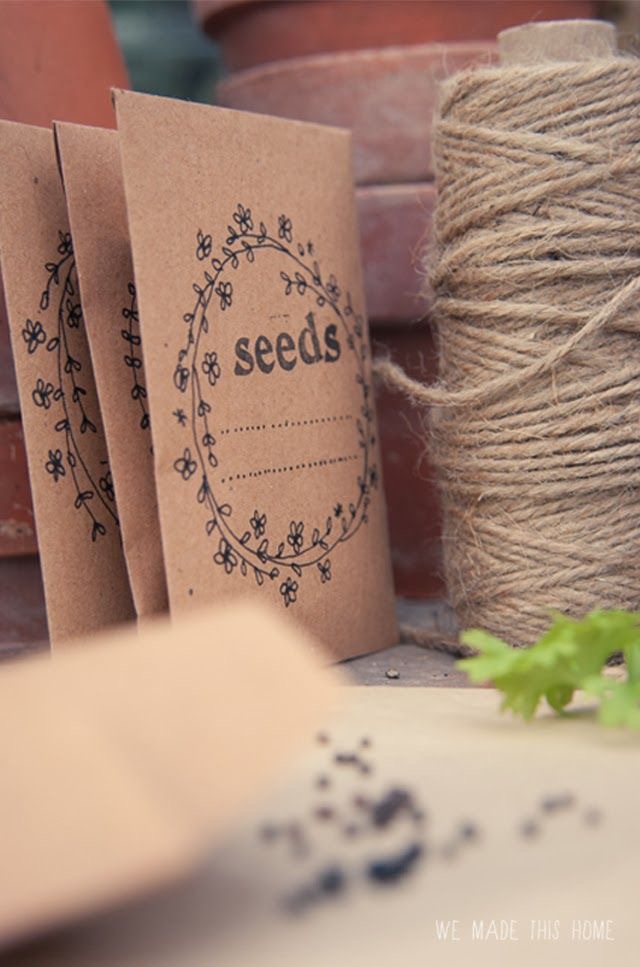
    Storing seeds is the final stage of the process. Glass or metal jars, zip lock bags, paper envelopes provide air tight homes, and make sure to keep the seeds away from heat or moisture. Ensure they are clearly labelled and stored in a cool, dark place where there is minimal temperature fluctuation.

    IMG_0518

    I want to thank Sarah Jones (Stewardship Pemberton Society) and Lisa Richardson (Traced Elements) for asking me to share my new-found appreciation and knowledge about seed collection. I have an utmost respect for those gardeners and farmers who have been collecting seeds and who are able to pass down their seed from generation to generation. According to the United Nations Food and Agricultural Organization, we have lost 75% of our diversity in our agricultural crops since the beginning of the last century. Having a seed library and sharing our seeds within our community plays such a significant role in the health of our food systems, and is good for our mind, body and soul.

    Happy Seed Collecting everyone!

    Resources:

  • Mutual Appreciation: the farmers’ market secret sauce

    Mutual Appreciation: the farmers’ market secret sauce


    The bell rings to start the market day. Relentless and demoralizing rain has been falling since the tents came out of the trailer and we began the set-up, two hours ago. The gutters now strung up between the tents are working well, emitting a steady stream of water into the growing pool along the back curb and the tent side walls keep us relatively rain-free inside the stall. The very air seems wet, however, and little can be done about that. Tough morning at market so far.

    helmers-e1431620796552

    I’ve been selling my family farm’s produce at Vancouver farmers’ markets for 20 years, so I know how to sell potatoes in the rain. It’s just like how to do it in the sunshine, except it seems mentally harder. The difficulty lies in keeping the stall in a high state of readiness, even though it might be empty and you would prefer to be warm and dry elsewhere. Every sale matters- especially in the rain, if your farm depends on farmers’ market sales

    I squeeze my way past the bins of backstock in the trailer where I have been changing out of sopping wet clothes. I have already traded a few hellos with the neighboring vendors, people I’ve seen every Saturday morning for years, but there’s been no time for more than that. I glance around to make sure all the signs are up and that the display is full: we’ve finished in time. It takes just as long to get set up in the rain as it does otherwise. Longer, of course, if you waste time regretting the situation.


    The potatoes look good today, the red Chieftain and yellow Sieglinde sort of glowing in the dim light. My staff, who are making up $5 bags of potatoes and carrots, wisely refrain from discussing the weather. The vast, dripping, emptiness out in the market fairway which would normally be filled with customers eager to start shopping, lining up in advance of the opening bell, is obvious enough.

    It is undeniably deserted, and despite the potatoes doing their best to provide sunshine, it feels disheartening. I give my head a shake because I think it’s too early to write this one off.

    The first customer materializes- she’s a rain-or-shine regular who gave up on regular grocery stores quite a few years ago. She is followed by another I don’t recognize. A chef splashes his way in. I make sure his 20lb bag weighs at least 25. At the till, we’ll be rounding down more than usual. The customers might not notice but I don’t mind. I am feeling very benevolent towards anyone who turns up this morning.

    Before I know it an hour has passed, and I realize that the potato display tables are hidden from view by the backs of customers filling bags. The stack of now empty bins in the back has risen to a level I hardly thought possible when the opening bell rang. It’s going to be a solid day, despite the rain, which might even be easing up a little.

    One of my staff has been coming to market ever since she was a baby, and her mom worked for a farm vendor here before that. She’s on the first till, and I jump behind the second one, a line-up having formed of dripping wet customers who thank us for being here today when they get to the front.

    It bears repeating: the rain-soaked customers are thanking us and giving us money for potatoes. In fact, now it’s so busy they are lining up to do so.

    This, right here, is what makes farmers’ markets tick. People choose shopping in the rain over going to a grocery store. Farmers choose marketing in the rain over selling wholesale.

    It’s what leads to the fact that farmers can make a living on an acreage that would otherwise be insufficient because they can get full retail for their produce.

    The customers keep coming back for more because…well…I just don’t know. Is it the quality of the product? The contact with an actual farmer? The coffee and crepes? It might be magic. Whatever the cause, it provides me motivation to keep farming, and to keep customer service and marketing standards high. It seems like a practical way of showing the customers that I really appreciate their business.

    I love being a part of this special relationship, but I worry that it won’t last. It’s so much work, there is so much to learn, and there is so much competition for customers- and surely, they won’t keep coming? I mean, sometimes they must quietly wonder if it is really all that great? The weather, the effort, the cost. All that cooking.

    resampled_big_helmers 6

    Customers. We need customers to make markets successful. We need to retain existing ones and win new ones who might also shop in the rain. The good news is that we are only tapping a tiny fraction of the people who buy food, so there are plenty more to be had. The bad news is that the competition out there is absolutely fierce, and nowhere else other than at farmers’ markets are customers asked to go out shopping in all sorts of weather, probably park far away, and spend perhaps a little more than they really meant to.

    Farmers’ markets enjoy one major competitive advantage however, and that is something I have begun to call “mutual appreciation”. This is an energy generated at the point of contact between primary producer and end consumer at market, most notably at the transaction stage. I take your money, you take my potatoes. We are both appreciative of the other. The feeling builds each week, from season to season and year to year and really can’t be re-created in other retail environments.

    helmers_farm

    The farmer can do much to cultivate the feeling of mutual appreciation in the stall. It’s about a lot more than saying “thank you”. Developing good customer service and merchandizing skills is of prime importance- pre-market preparation, and of course years of practice help too.  In my opinion, it is important to put as much effort into selling the food as you spend growing it. These customers deserve that.

    The farmer makes the magic that the people are coming back for. If you can also create this feeling of “mutual appreciation” in your stall, I think you’ll be able to have both tills busy, even in the rain.

    Anna Helmer farms in the Pemberton Valley with her family: friends and relations. Her book is called: A Farmer’s Guide to Farmers’ Markets and is available on amazon.com.


  • The Power of Rotation

    The Power of Rotation

    Sounds like a potential math write up but you’re wrong. (I would never do that to you or myself.) I will quickly remind you that I did well in said subject thanks to my dad but generally I don’t care for it… for the most part I’m a pocket calculator gal. So, let’s explore the awesomeness of rotation in a few other ways through a couple quick examples: the wheels on my bike rotate and take me to all sorts of cool places, my car takes me to work so I can afford a bike to take me to all these cool places and well, we all take a trip around the sun every year (whether we want to accept that it results in aging is a whole other conversation).

    Regardless on how you define rotation, the point is – it’s good: a chance to roll past the old and explore the new. Now, let’s apply this mentality to our garden.

    IMG_4740

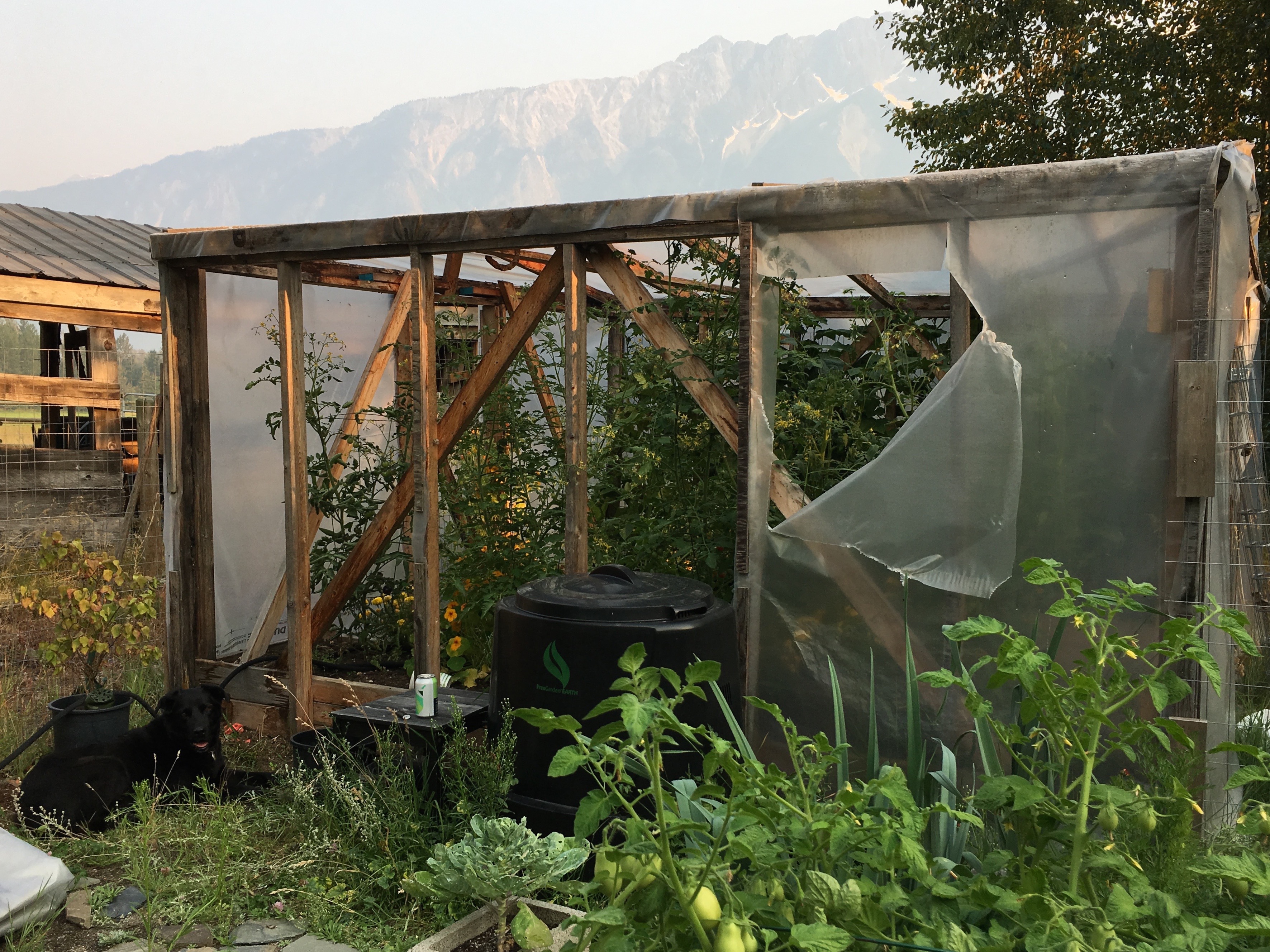
    When I moved into our current location all that existed was a greenhouse for garden space. From what I could tell the only items that had been planted in there were tomatoes, peppers, basil and cucumbers (basically, all the standard greenhouse lovers). However. Over the last couple years I began to realize that the greenhouse location was kind of shady due to the rise of the surrounding cottonwoods and things weren’t thriving as well as they should be.

    Then spider mites appeared last year… they even attacked my marigolds. I mean come on: marigolds! They are supposed to be the shit – indestructible. This led me to realize that change was mandatory. So, down came the plastic walls of the greenhouse late-ish last summer and a ton of Sea to Sky Soils compost added in the fall.

    IMG_0491

    Long story short what I’m trying to get across is that planting the same thing time and time again in the same zone is no bueno. Enter the rotation factor here.

    There is a simple crop rotation scheme that follows; legumes-greens-roots-fruit. Of course there are tons of don’ts and cans and “rules” that apply to make it not so simple. For instance: potatoes are considered a root and tomatoes are fruit but because they are from the same family they shouldn’t follow each other, they could harbor similar disease and pest problems for the next crop. AND THEN, if you add in the companion planting aspect it can get real strange. Here is a simple plan I came up with for an assignment that demonstrates what a 6 crop rotation could look like.

    IMG_4863

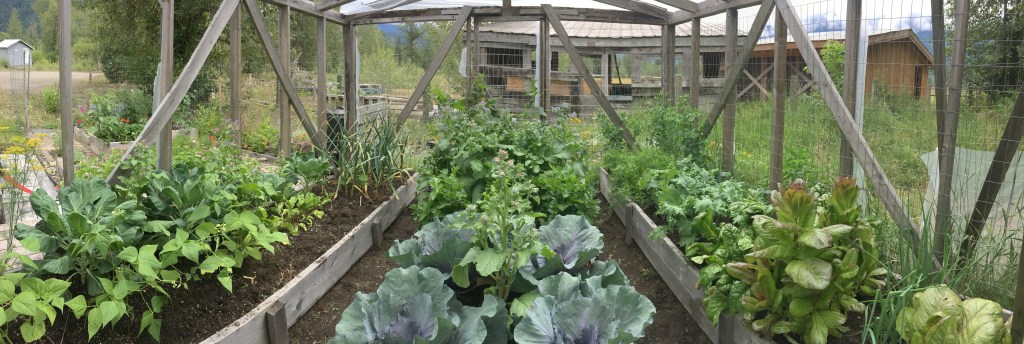
    My “greenhouse” is now the greenest it’s ever been thanks to my decision to open it up and plant a bunch of greens, roots and legumes. But I think the thing to remember is that well, any rotation is better then none and adding organic matter into your beds is a surefire way to add nutrients back in and no future plant is going to disagree to that.


    Stay thirsty for garden experimentation my friends!

  • Irrigation Irritation. Don’t raise your plants to be spoiled brats.

    Irrigation Irritation. Don’t raise your plants to be spoiled brats.

    Someone once asked me when the best time to irrigate was. My cynical answer was when it’s raining!

    Technically the best time to water is before plants get thirsty and this is usually the morning. Watering in the evening is less ideal, as it leaves time for mould and diseases to develop. Simply sprinkling after a hot day is better than nothing, but no more than a band aid solution. Besides keeping seedlings constantly moist, the general rule for established plants is water “deep and infrequently” — kind of like an old married couples’ lovelife. But seriously, the average rainfall soaks in a just a couple of inches, so you can’t really count on it. So watering in the rain makes sense, so you can pay more attention to the younger shallow rooted vegetation when the weather clears up.

    Different plants have different water requirements, and this too changes throughout the season and its life cycle.

    Blueberries, for example, are a shallow rooted bog plant and love as much water as you give them. An established fruit tree, on the other hand, can have a root system as big as its crown, and may only need a good soak in a dry spell. Also, if you spoil your plants with constant watering, they will do what spoiled kids do for themselves… very little. You must let your plants search for that deep water, which is also where the most minerals are. Also a slightly stressed plant will tend to produce more, thinking its reproductive cycle is in jeopardy. This is a fine line that good gardeners closely monitor.

    On the most basic level, plants need three things to survive besides light, a daily given. These are air, nutrients and, of course, water. Without water, there is no life whatsoever. Water is essential for delivering the nutrients to the roots.

    Too much water for too long will suffocate the plants by filling in the air pockets in the soil. Too little and the cell walls dehydrate, causing wilting. Prolonged or frequent wilting will compromise or kill your plant.

    Automated sprinkler systems are great for the suburban landscape and lawn, but are not practical for the small scale hobby farmer over several acres. A good gardener has an  intimate relationship with his or her dependents’ needs. As I mentioned previously, these  watering needs change from plant to plant and season to season. Grouping plants with similar watering needs is wise. Automation is convenient for a small area if you’re going away for a bit, but it’s like leaving your teenagers home with a stocked fridge. I prefer drip systems — they conserve water and you can let them run for a whole  day to get that deep watering. Overhead sprinklers are prone to clogging, evaporation, uneven distribution, wind and even sun damage from magnifying the water droplets.

    Growing plants is often like raising children. They need lots of attention when they are young, but eventually you need to quit spoon-feeding and let them find their way. You should still check on them when they’re grown up and offer a care package every now and then.

  • Save Your Fork

    Save Your Fork

    My need to forage continues. This week’s victim: Saskatoon berries. Just try walking past the currently loaded bushes of perfectly plump, deep purple berries – I dare you. Even Shadow comes to a complete skid stop to forage on the lower quarters of these native shrubs. Our mission over the last week was to beat the bears to the berries around our place and hit up a few other spots I’d been scoping. We were more than successful; stained fingers, a full bucket and swelled bellies. I figured the best way to capture these jewels was by channeling my inner Julia Child and baking a pie. So, here we go!


    Step Uno: make your crust. Use your favourite double crust recipe or try mine.

    2½ cups flour – tsp salt – 1 cup unsalted butter (frozen) – 6 to 8 tbsp ice cold water

    • Combine the flour and salt in a medium sized bowl. Then grate the butter into the flour. I cut the butter into two halves and grate one at a time, leaving the second in the freezer until I’m done the first. Once both blocks are done use your hands to combine the flour with the butter by gently rubbing it through your hands. It doesn’t need to be fully incorporated but what your looking for is a bunch of little “butter peas” coated in flour. I’m ghetto and don’t own a pastry cutter but if you have one then small cubed blocks of butter cut in will give you the same effect. I have found that grating the butter gives great distribution in the pastry with a very flaky end result – BINGO! Now add most of the water and blend until just combined. Turn the mixture out onto your working surface and bring together the dough by kneading it into a ball, using more water if needed. Separate the ball into two with one just a bit bigger then other and shape them both into flat-ish discs. Cover separately with plastic wrap and retire them to the fridge to rest for at least an hour.


    Step Two: the filling. (Plus turn on your oven to 425°F now to preheat it)

    5 cups Saskatoon berries – 3 tbsp flour – ⅓ cup sugar – zest of a lemon (optional)

    • Combine everything together, easy-peasy.


    Step 3: build your pie.

    • Take the smaller disc out of the fridge and place it on a floured surface. Grab your rolling pin and push the disc out to about a ¼“ thick and place into your pie plate. Pour those prepped Saskatoons in next! Scatter a few slivers of butter over the top of the berries. Grab the last disc and flatten it out to the same thickness as the bottom, re-flouring the surface if needed. The reason for the last dough disc being a bit bigger is that the filling of your pie usually makes a mini mountain and you want to ensure you’ve got plenty of dough to blanket the whole hill, and then some. Before layering on the dough topper, wet the edge of the bottom dough with water – this helps them stick together. Crimp, roll or pinch the dough layers together. Brush the top of the pie with a beaten egg and slice a few air holes into the top.


    Step Quatro: Bake and wait.

    • Place your pie on a baking sheet and into your preheated oven. Bake at the preheated 425°F for 15 minutes then lower the temperature to 350°F for an addition 45-60min or until the crust is golden brown. Cool on a wire rack.


    Step Five: eat now or freeze for later.

    • I chose to freeze my pie and savor it later this fall with friends when we’re craving a taste of summer. Luckily, I saved a bit of the filling and had just enough left over dough to make 4 mini tarts. They were consumed quite quickly.


    There is a CBC story that recalls a visit by the Duke of Edinburgh to a small town in the Yukon many moons ago. He stops for a meal at a local diner and as the waitress reaches to remove his dinner plate she warmly says to him, “Save your fork Duke, there’s pie”.


    Wives’ tale or not the phrase has stuck with us for generations… and this pie for sure warrants saving your fork.

  • Best-Laid Plans

    Best-Laid Plans

    “Do you have any plans for Canada Day?”

    I asked, and was asked, this question several times on Sunday while I was at work. Some people were going for hikes or bike rides. Some people were having parties or visiting friends. Some people were going to partake in the festivities at the community centre.

    I had zero plans for Canada Day this year. My sister and three of her friends came up to visit and hung out during the day while I was at work, and afterwards I made us dinner, and cake, and we had a lovely visit. I even got to bed at a reasonable time. To be perfectly honest, it was like any other weekend, with no special plans.

    I felt a little guilty at first. I mean, it’s a special holiday. We should be doing something to celebrate. But I realized that I didn’t actually feel bad at all. For me, taking a break from planning actually is something special. I’m a chronic organizer. I have to-do lists for my to-do lists. I’m constantly thinking four, five days in advance, planning meals, organizing lists, and arranging errands around my work schedule. I have a whiteboard in my house for spur of the moment rememberings, and an app on my phone to organize my lists when I’m out. I am forever and always making plans.

    But I’ve discovered some of the best things can emerge when all my carefully laid plans go completely out the window.

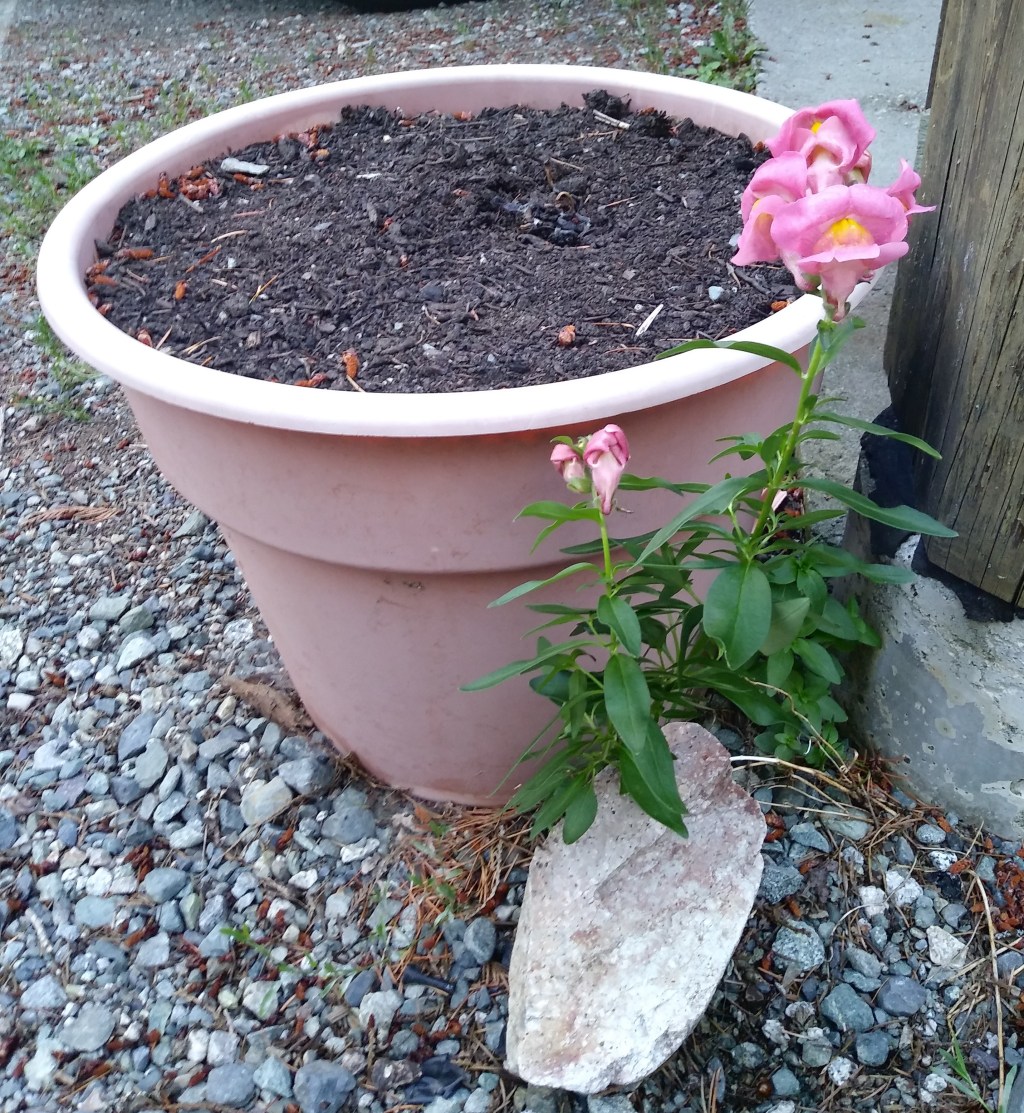
    I’m a comically bad gardener. I’ve tried every one of the four years we’ve been in Pemberton to grow a successful garden, and the results have been less than formidable. I carefully plan out my gardens and flower beds. I research which types of veggies and flowers should go where and the conditions they need. I spend time planting, and watering, and fertilizing. And things never go as I plan. Take this picture for example.

    20180703_184926.jpg

    This is the container where I planted some flower seeds at the end of spring in a beautiful sunny spot with fresh dirt. Where nothing took root and grew. And yet just beside this perfect container, growing out of nearly straight gravel, is a beautiful flower. Where did this come from? How did it get here? And how is it growing so vigorously with absolutely no attention from me? Does this make me frustrated? No. (Okay, for a brief second, maybe.) Instead I am wondrously amused at how beauty can come out of plans that go haywire.

    My best example of this is our arrival in Pemberton. Before my boyfriend Nathan and I moved here four years ago, I had never been to Pemberton. We had plans to move to Vancouver Island once a long-awaited position came available for Nathan, and we were just waiting for the opportunity to unfold. We had carefully laid plans. So imagine my surprise when Nathan calls me at work one day and tells me to start looking at properties in either Squamish, Whistler, or Pemberton because he’d been offered a position based out of Whistler. Less than a month later we were moving, and six months later we found what we hope is our forever home. Did we plan for that? Definitely not. But beauty emerged in the form of this lovely town that we’ve fallen head over heels in love with, and now can’t imagine leaving.

    As appreciated as this break in planning was this weekend, I won’t be hanging up my trusty to-do lists just yet. I’ll keep planning, and stay very aware that, as the poet Robert Burns said, the best-laid schemes of mice and men often go awry.

    And when they do, I’ll be ready to appreciate the beauty that will surely unfold.

    20180703_184838


  • Mindful Morning Musings •

    Mindful Morning Musings •

    This past month I have been thinking a lot about mindfulness and mindful eating.

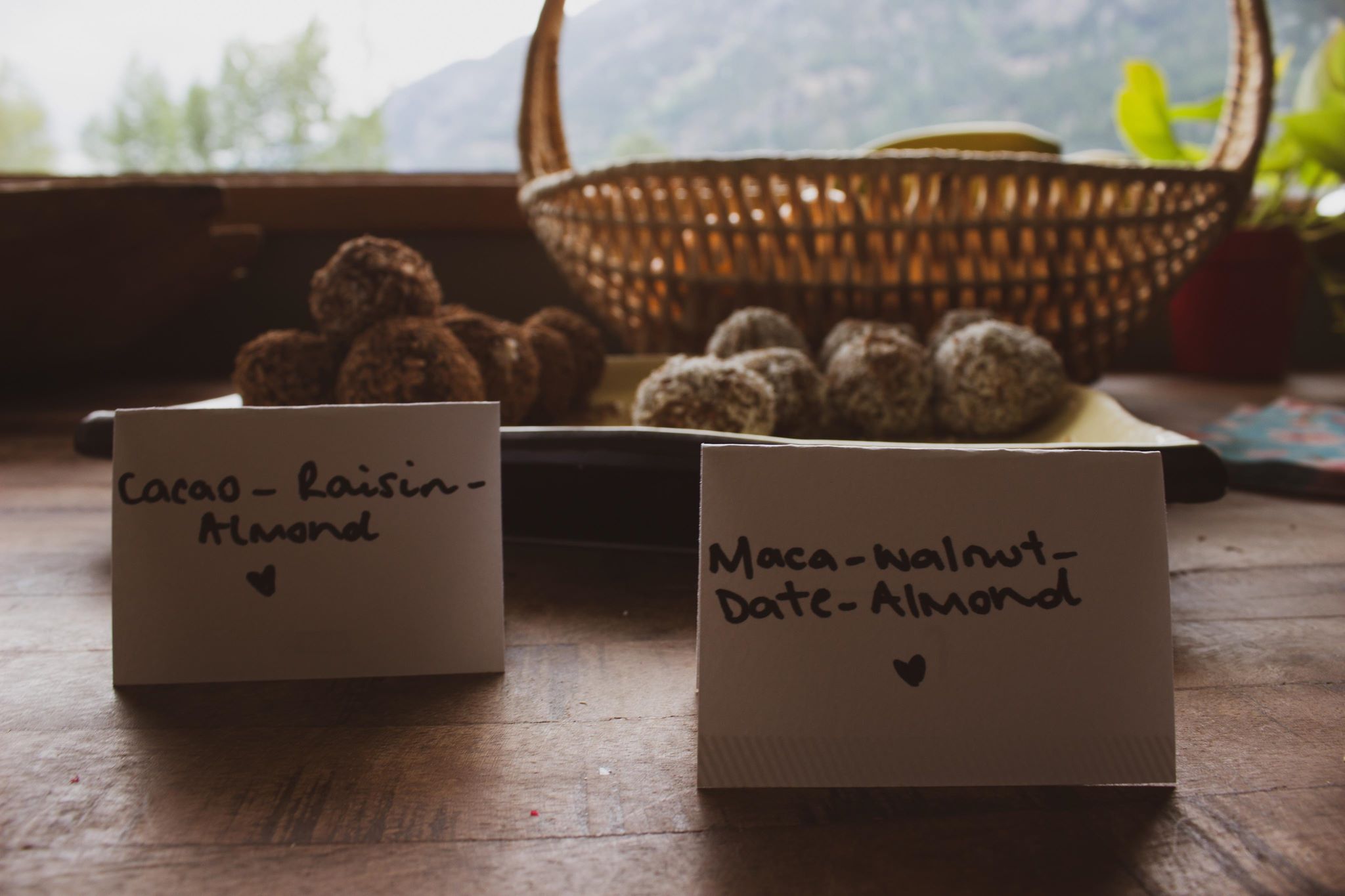
    Anngela Leggett (Evergreen Fitness) and I recently ran the Mindful Morning Retreat at Blue House Organics. It was a magical morning consisting of a beautiful yoga practice with Anngela, raw treats, and a circle of discussion around the way we eat and the way we think about food.

    36137574_10157573170533327_3147079793711775744_n

    What an amazing experience it is to openly share your experiences with mindfulness and food with a group of unique and inspiring individuals. I was blown away.

    I knew I wasn’t going to be delivering exactly what people would expect. I was there as a guide, to show people the ball was already in their court, and help them to discover how they could realistically apply mindful eating to support mental health, to their own individual lifestyles.

    As it turns out, I may have learned more from the group than they did from me! I learned new ways to approach mindfulness, I was taught how to be grateful for the action of making dinner for your loved ones, I was taught how to be mindful through your purchases of food, not just at meal times, and I learned just how important these reminders are.

    36177379_10157573170453327_4880108134258966528_n

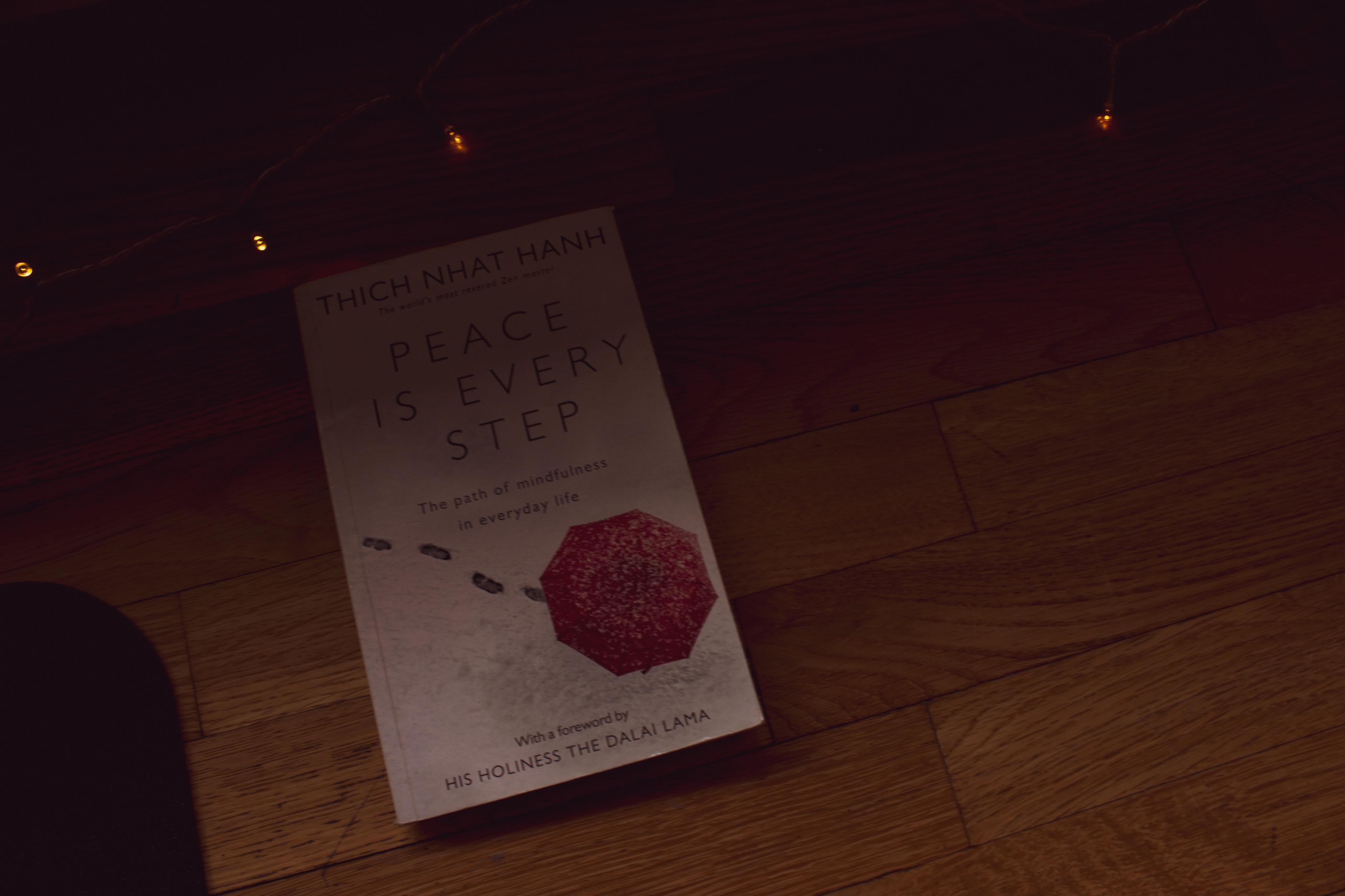
    I shared this reading with the group from Peace Is Every Step, by Thich Nhat Hanh:

    “One day, I offered a number of children a basket filled with tangerines. The basket was passed around, and each child took one tangerine and put it in his or her palm. We each looked at our tangerine, and the children were invited to meditate on its origins. They saw not only their tangerine, but also its mother, the tangerine tree. With some guidance, they began to visualise the blossoms in the sunshine and in the rain. Then they saw petals falling down and the tiny green fruit appear. The sunshine and the rain continued, and the tiny tangerine grew. Now someone has picked it, and the tangerine is here. After seeing this, each child was invited to peel the tangerine slowly, noticing the mist and the fragrance of the tangerine, and then bring it up to his or her mouth and have a mindful bite, in full awareness of the texture and taste of the fruit and the juice coming out. We ate slowly like that. 

    Each time you look at a tangerine you can see deeply into it. You can see everything is the universe in one tangerine. When you peel it and smell it, its wonderful. You can take your time eating a tangerine and be very happy.”

    36137196_10157573170613327_2397848145066196992_n

    Lisa Richardson writes for the Pique, and had this to say about the Mindful Morning Retreat:

    “They offered to help us connect the dots between food and mood. I went to pick up a few good lifestyle hacks that would help me come away from that moment when I’m standing forlornly in front of the fridge, with a fistful of carrot sticks and a dash of psychic resilience instead of a spoonful of Nutella and a guilty conscience.

    Our guide, Maguire, having survived six years of disordered eating and come out the other side with practical wisdom to partner with her science degree, informed us that there is no such thing as good food and bad food. She invited us to replace that hazardous dichotomy with mindfulness. Self-care and slowing down. The Mindful Morning Retreat wasn’t an intervention, a six-step program or even a specific solution. It was quite simply a beautiful morning of yoga followed by tea and treats, and the chance for a circle of people to sit together and make connections—between our experiences and other people’s experiences, between our eating habits and our emotions. It was the welcome mat to mindfulness. It was the reminder that attention, not willpower, will save us, from pathology, addiction, the downward spiral of self-loathing.”

    Some questions to ponder:

    What does mindfulness mean to you?

    What does mindful eating mean to you?

    How can you realistically apply this to your own life?

    Do you think about food as being ‘good’ or ‘bad’?

    Do you feel guilty after eating certain foods?

    Does social media influence how you feel about food?

    Nutrition Mind Collective

    @nutritionmindcollective

  • How do you explain a seed to a three year old?

    How do you explain a seed to a three year old?

    “Tell me more about seeds,” asked my three year old, way back when. It was spring. We’d been mucking about in the dirt all morning, depositing tiny treasures in the warming earth.

    IMG_5422
    Now 5, even more helpful on the seed front.

    IMG_5434IMG_5438IMG_5439

    A seed is an inkling, I wanted to say. It is its own ambition and instruction book, all bundled into one. It is a packet of information. It is your heritage and your birthright, little man, even though you are inheriting a world in which the control of more than half of the world’s seed stock has fallen into the hands of a few mega-chemical companies. Some people call that bio-piracy. But I don’t want you to know about this yet. Because thinking too hard about these things makes me want to crawl into bed, pull the duvet over my head, and refuse to get up again.

    But you, Small, you make me want to sit on my haunches in the warming earth, with some trowels and forks and little packets full of seed. You make me want to cajole a beautiful harvest out of the little square of world I find myself inhabiting, and so, every spring, we start at it, with just a handful of seeds and a fistful of hope.

    IMG_3745

    And by this time of year, I look at the Life Force asserting itself in my garden, and feel it coursing through me, as I pick strawberries, admire the calendula, tug up a radish, measure the height of the sunflowers just by standing next to it and gazing up… Hope. Hope. Hope.

    (And weeds. Of course. Let’s not get too precious.)


    “Every young person should recognize that working with their hands is not a degradation. It’s the highest evolution of our species. Start a garden. Create a playground in the way you grow food. Save seeds. Cook. Create community. We are not atomized producers and consumers. We are part of the Earth family. We are part of the human family. We are part of a food community. Food connects us. Everything is food.” ~ Vandana Shiva

    Thank you to Evelyn Coggins for sharing this video with me.

  • Nootka Rose Jelly

    Nootka Rose Jelly

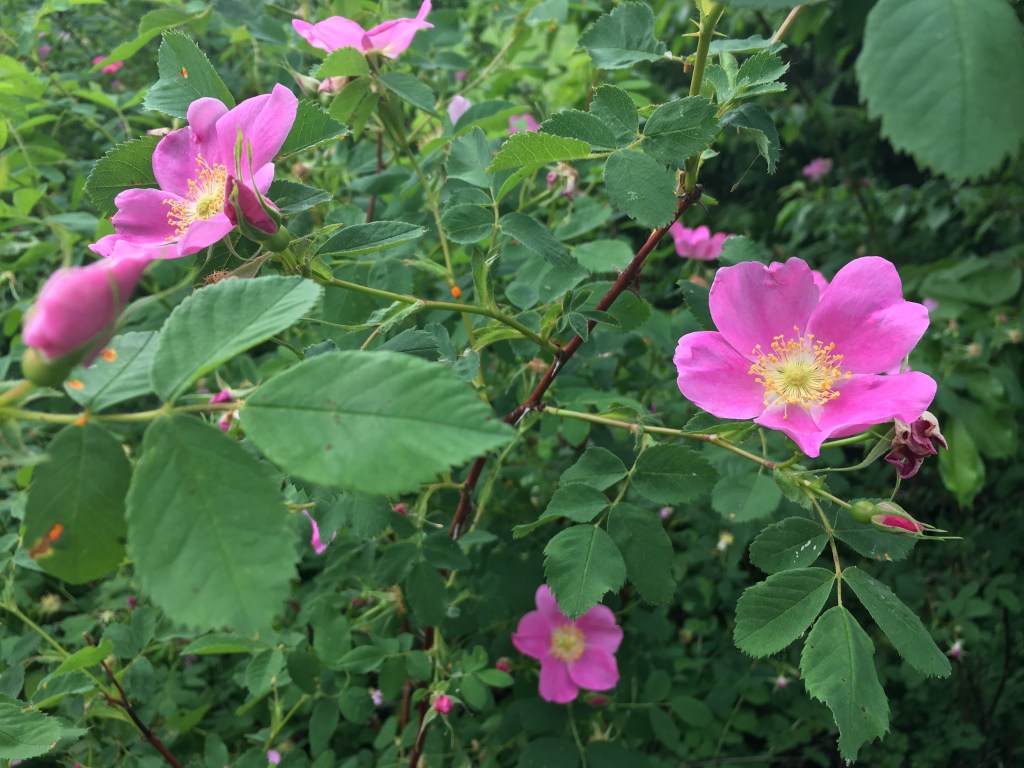
    For me the art of slowing down and smelling the roses has turned into taking advantage of the surplus of this native shrub behind my house, plucking their petals and creating something delicious. As it is in my garden where I rarely follow my planting plans the same holds true to my style of cooking; recipes are but a base. I’ll admit my first batch, from a recipe I followed, did not set. This led me to taking matters into my own hands, going with the flow and trusting my strong sense of jamming. So, queue up some Bob Marley as I guide you to making your very own wild rose jelly.

    INGREDIENTS

    ≈4 cups wild rose petals, lightly packed

    4½ cups boiling water

    ¼ cup fresh lemon juice

    5½ cups sugar

    2 pkgs liquid pectin

    Other: cheesecloth, jars, lids, tops, a big pot & lots of love

    Start by foraging for rose petals: try to pick in areas away from the roadside and pick higher then a dog may pee! Give them a small bath in the sink to get rid of the majority of bigger bugs and pick out any of the greens. Don’t stress too much about getting everything, as you’ll end up straining the lot later. Place them in a nonreactive bowl, cover with the boiling water and allow steep for 1-2hrs. The petals will lose their colour and look quite dull but patience is key here.


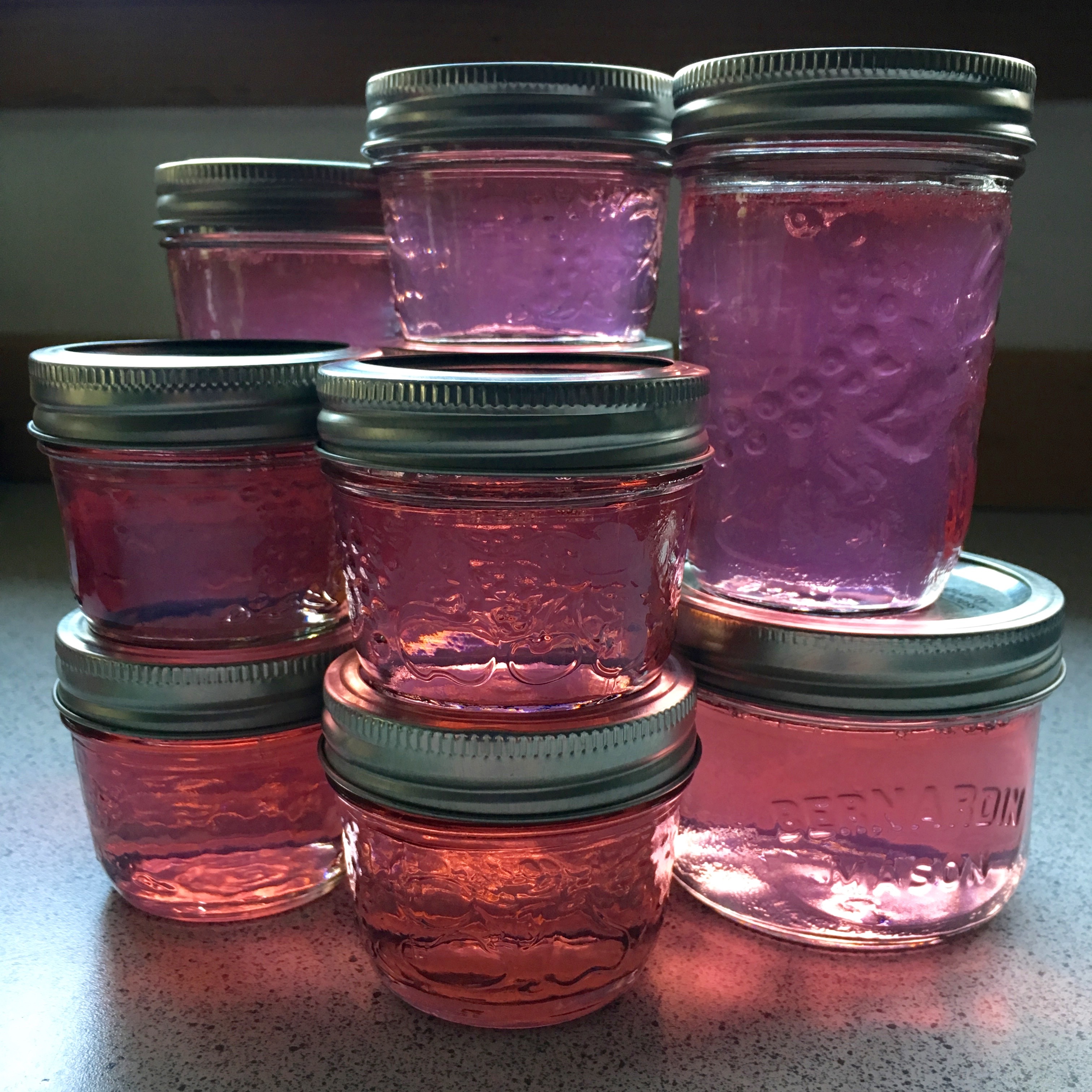
    While your petals are steeping prepare your jelly vessels. This recipe makes approximately 8-9 cups of liquid gold; I use a mishmash of 125ml and 250ml jars and usually prepare a few more then what’s needed, just incase. Wash every thing then put the lids and tops in a pot submerged in water and place on the stove over medium-high heat. Jars can go on a cookie sheet in the oven at 250°F. You want these to sit in their respective mediums for at least an hour.

    When you’re satisfied with how long the petals have steeped or you can’t wait any longer get ready for some magic. Add the lemon juice and watch the water go from blah to vibrant pink! It’s science.


    Pour the petals and water through a strainer lined with cheesecloth straight into a big pot squeezing all the liquid out that you can. You want 4 cups of rose water; if you’re a bit short just add a bit of filtered water. I found this recipe made the right amount of water so you should be fine but feel free to measure if you’re not sure. I like to wing things. Add the sugar and bring up to a boil, stirring to ensure all the sugar incorporates into the rose water. Once at a  hard boil keep it here for 2 minutes skimming any foam off the top. After the time has elapsed remove from the heat, add the pectin and stir to combine for 5-6 minutes – no less – more is okay but no less.

    Now you’re ready to put your creation into jars and await the sweet satisfying sound of popping lids. Some recipes call for a water bath to finish the canning process but I’ve never done that. I just go with what my mom taught me, which is what’s outlined here, and it’s never failed me just like her.

    IMG_4022

    This simple tasty treat can be enjoyed may ways but my favourite thus far is on coconut ice cream or straight out of the jar… Happy jammin’!