Category: pemberton

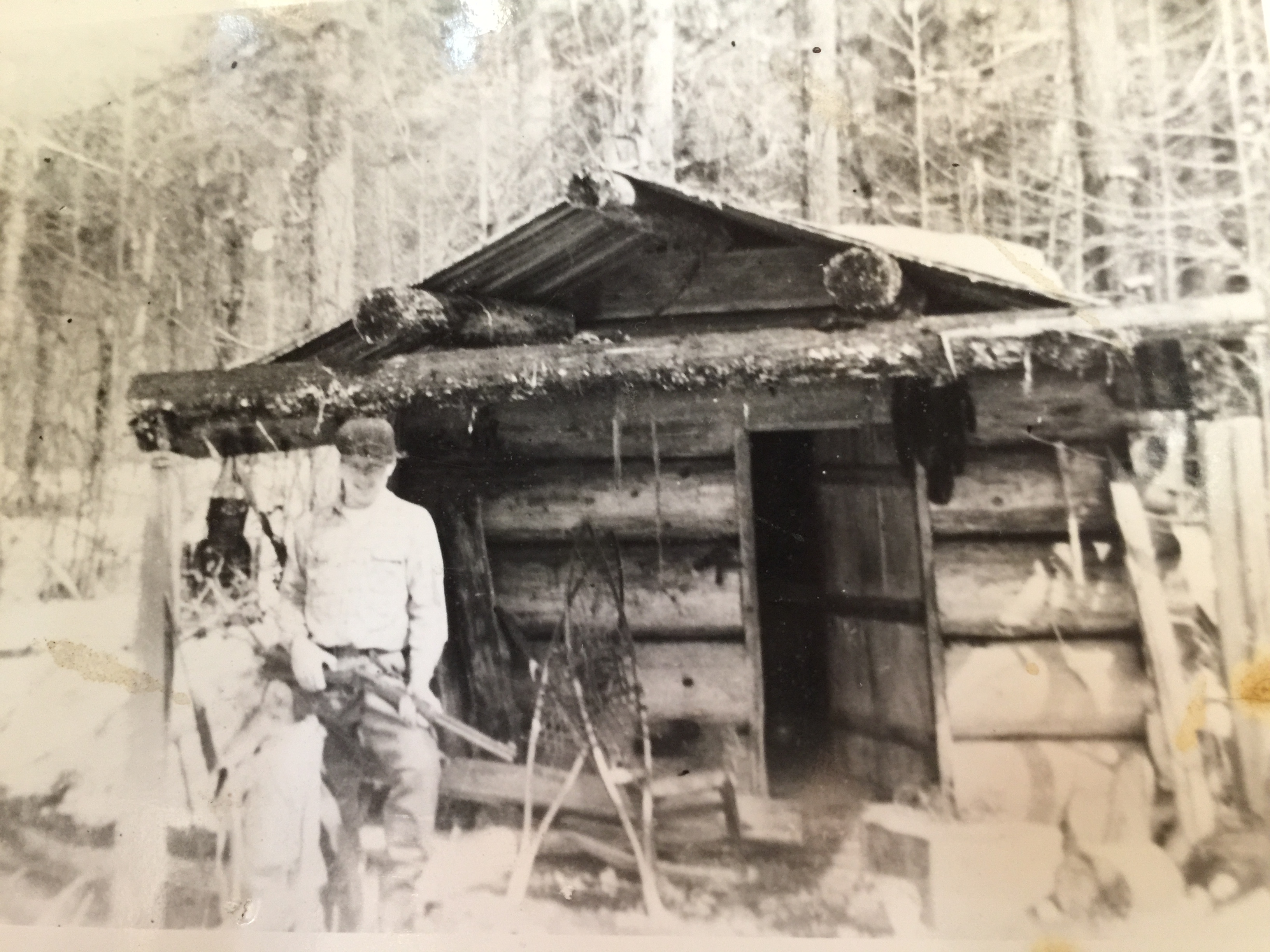
  • Dad’s Cabin

    Dad’s Cabin

    IMG_3065.JPG

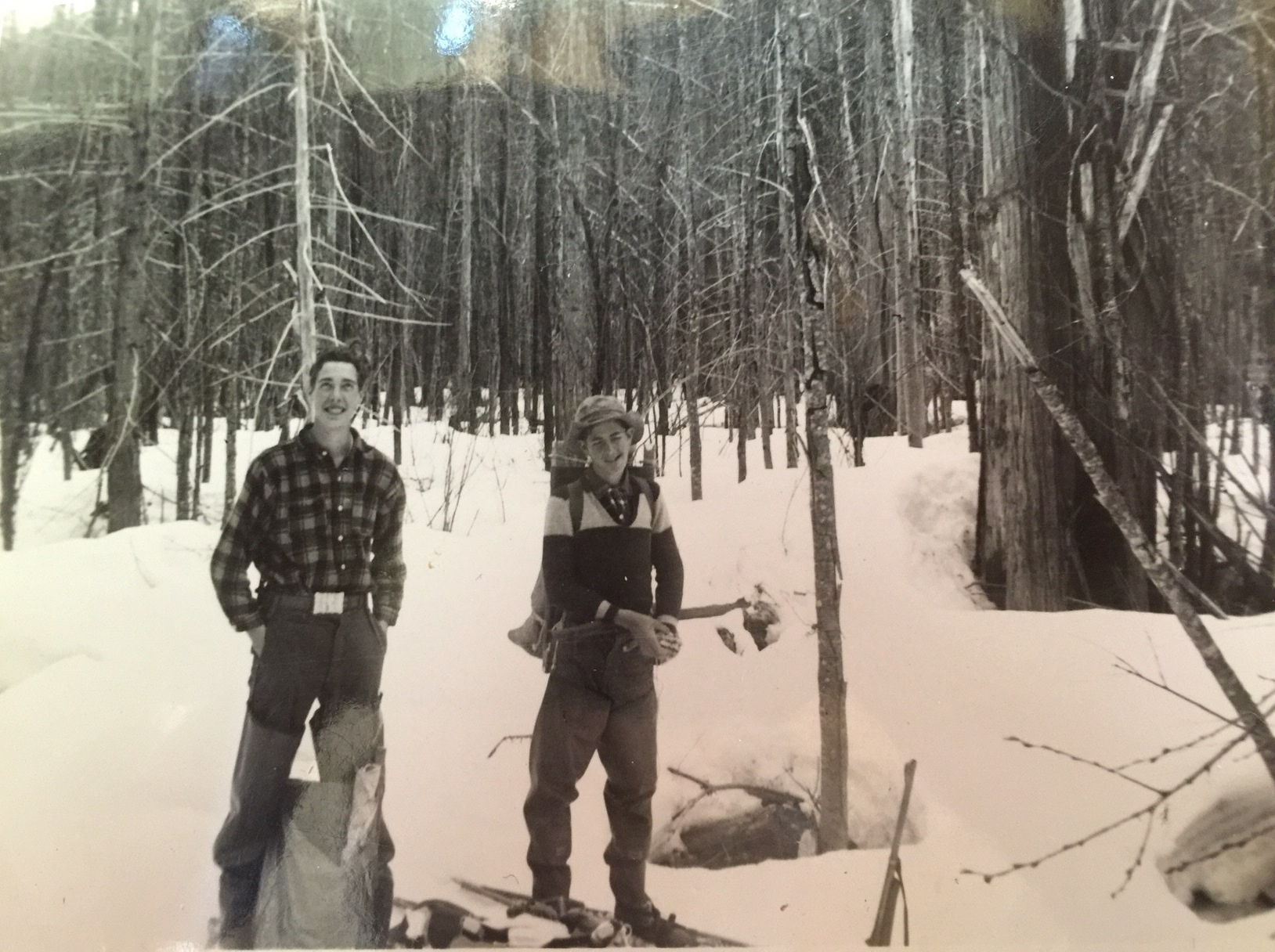
    Boy, oh boy, Dad was mad that night. He arrived home in the dark as per his MO. He was back early from his trip because a Grizzly had damaged his trapper’s cabin.

    He spent a week down in the basement building a snare and talked about what the hide would fetch at the fur auction. It seems it was the insult as much as the damage done and it seemed personal. The Grizzly had come in through the roof, destroyed everything, and, without consideration of the time it would take to fix the place, left through the window.

    Dad took some consolation in the one can of beans that the Grizzly missed in his rage/romp. We have an old cooking pot on the wall of the shop with teeth holes in it that dad brought home to show us the power of his new pal on the trapline.

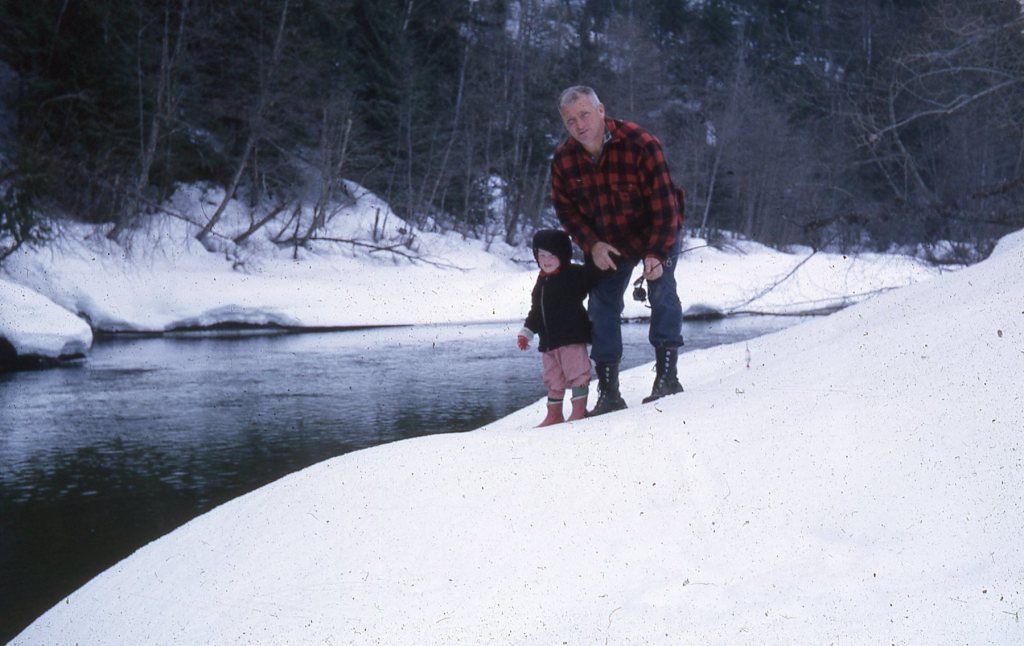
    My dad had a trapline from North Creek to Meager Creek. I think he started it around 1949, when he came back from the war. Trapping was a pretty common way to make money back in those days in Pemberton, and farming was real tough. He would walk in on snowshoes for 17 miles, spend about a month trapping and skinning, then walk out with the pelts. Once the pelts were safe at home, he would head out and do it again. Usually one of his nephews would meet him on the trail and help pack out. One nephew was eager to show his strength but after dad split the load in half, couldn’t carry the weight. My dad was pretty strong.

    Most of my trips to Dad’s Cabin were as a teenager on spring fishing trips.We would walk the crust and fish for Dollies. One time I took two of my nephews fishing up there and had to crawl a mile out because the snow had weakened the crust and I crashed through every step. They were light enough to scoot along on top and found it pretty amusing.

    He used to piggy-back me on all the slippery river crossings. When I was about sixteen or so, I shakily carried him across, and was pretty proud of myself. We weren’t real huggers, our family, so it was wrestling and river crossings, and it was wonderful.IMG_3066

  • Blank Canvas

    Blank Canvas

    The summer I turned 11, my family packed our camper and set off on a massive adventure that lasted over a month. The leg of our trip that resonated the most with me was the coast of BC. There was something about the mountains and ocean that spoke to me – it made me feel free. I vowed right then that I would return to live in this place.

    Life on the west coast became a reality when my art skills got me into the University of Victoria. However, I quickly discovered I was not like my classmates and had zero desire to become any entity that encompassed being an artist. I lasted 2 years before I bought a car, learned to drive standard in a mall parking lot and set forth for Whistler because it seemed like a cool place to go and get lost.

    Fast forward to my years in landscape construction and maintenance where I learned design and plant knowledge and in time I was let loose to create spaces for clients. These playful experiences naturally paired well with my understanding colour and sense of flow. Eventually I realized that I was still creating; it was just a different type of medium.

    Now I spend countless hours every year drafting my garden plans for the following season. Notes on notes on notes as to what was great, what was horrible, where to plant what, what not to plant, what I want more of. Lots of mindless staring out the window at my plot fantasizing its potential; then scavenging bits of wood and rocks to add into the landscape. And, like clockwork when it comes to planting time, the plans that have come to fruition are loosely used and I stuff seeds and starters in the beds as I see fit.

    Maybe it’s the old artist in me coming out to play and wanting to just be free to experiment with what feels good at the last minute. This is an integral part of the learning process in gardening and I highly encourage it. Sure we can read books and learn what we should or shouldn’t do but at the end of the day if we are satisfied with the results then, who gives a shit.

    Feel it out. Plant what makes sense. Plant what you love. Look at your space and see it as a blank canvas in which to create your sanctuary. It can be whatever you want it to be. Let it evolve. You can always return to your canvas and paint over something you don’t love.

    Eighteen year later since arriving home in the Sea to Sky I have finally accepted that I’m a gardener and a landscaper: an artist after all.

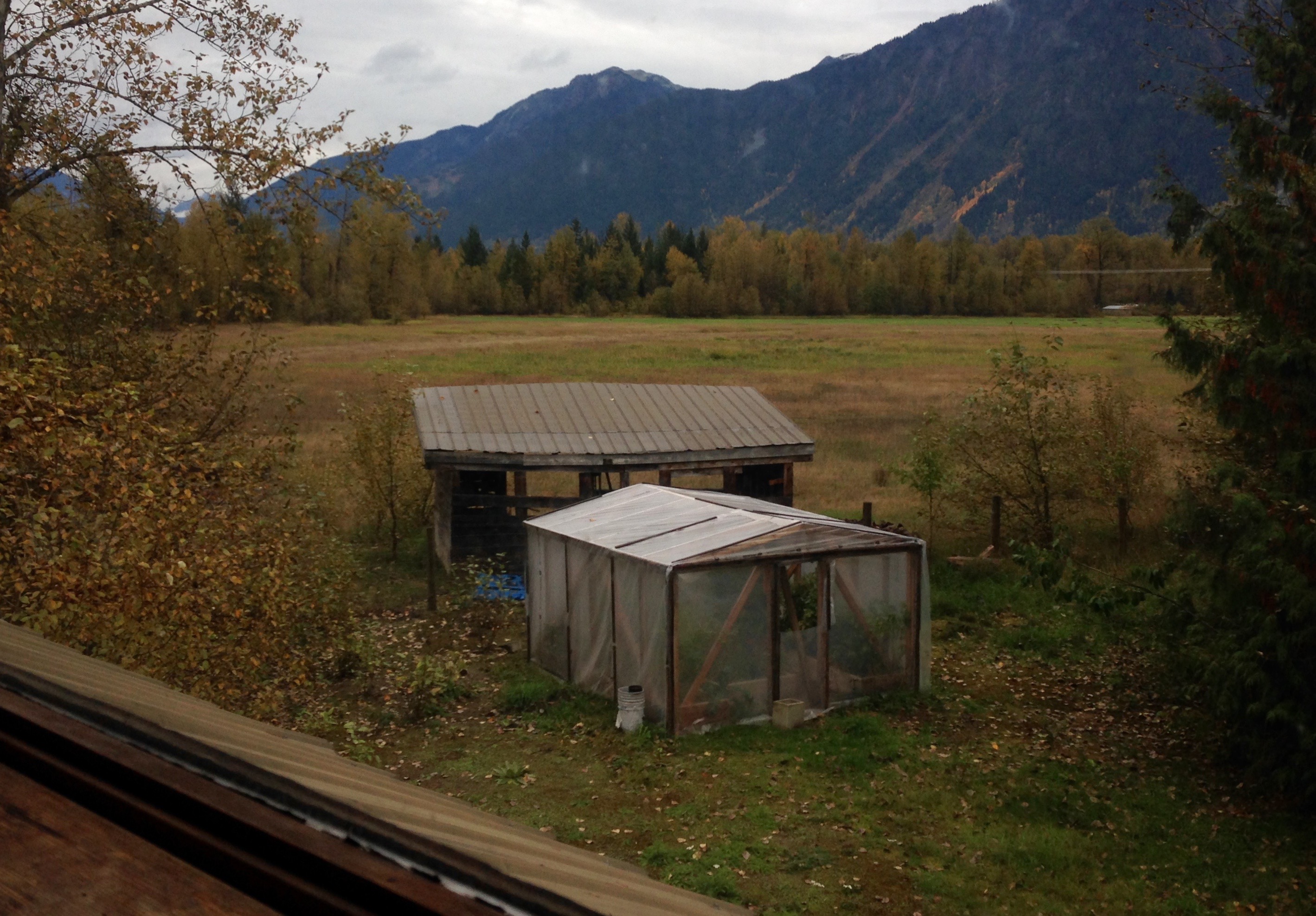
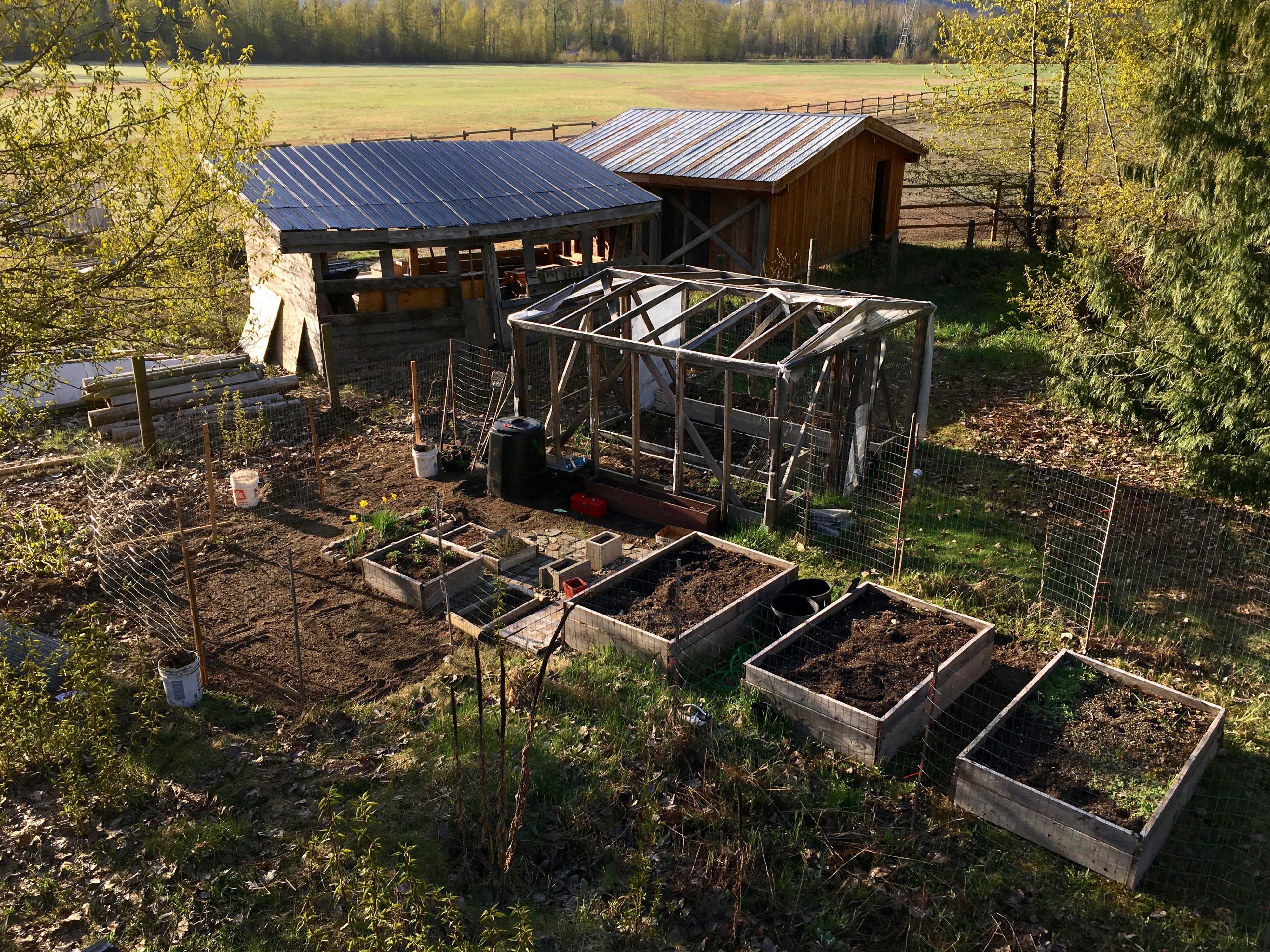
    IMG_0114

    Photo notes – The main photo (above) was taken out the window when I moved into our current residence from where I sit every day drinking coffee. The picture below was taken this morning and I can guarantee in a month it will look even different. Stay tuned! IMG_3346

  • First Steps

    First Steps

    Calving time on the farm is almost over. It starts in late January and finishes up around now. We have a small herd and have six new additions to the group. All born healthy and with no problems.

    I was lucky to be there when this little one was born on a beautiful sunny day. I ran to get my camera and recorded her first steps.


    Mama is licking her clean to dry her off. This is an important first step for Mama as it helps to imprint her calf to her. Within a few hours this little one will be trying to run and play with the other babes.


    Feature photo courtesy Connie Sobchak. via TheWellnessAlmanac.com

  • How to Enjoy Pemberton Deer Meat

    How to Enjoy Pemberton Deer Meat

    I did not grow up eating deer meat. Beef, yes. Chicken, yes. Salmon and sole, yes. But deer meat, no. So when I moved to Pemberton and began sharing my fridge with a hunter, I was in for a change in dietary habits.

    While it was not something I can say I enjoyed eating at first, over the years I have learned that deer meat can be just fine. I would like to add that I am grateful for the deer, and the deer meat. Deer eat leaves in the forest, and that is a healthy, natural diet that is passed on to us in the form of healthy, natural, and lean meat. I also like the fact that we know where our meat comes from.

    Some Recipes Work for Deer Meat. Others Do Not:

    My advice to any readers who either have just taken up hunting, or are living with people who hunt, is that some recipes complement deer and others do nothing for it. For instance, do not create a delightful, light, refreshing marinara sauce with Lillooet tomatoes and fresh basil, and expect that it will taste great mixed with a pound of ground deer meat. It will not. (I do not call it venison – that’s chef talk. Deer meat it is.)

    Stew Meat and Ground Meat are Your Friends:

    No matter how much a hunter tries to tell you that “deer roast is amazing”, do not believe him or her. A pork roast? Sign me up. A beef roast? Pass the Dijon. A deer roast? I have [expletive] tried and tried for over a decade and not once has one turned out well. Do not let that hunter persuade you into deer steaks either. In my culinary opinion, another waste of time.

    In short, your entire deer should be turned into either ground or stew meat, with all due respect for the animal.

    Recipes That Have Worked for Me:

    My best recipes for deer meat are used over and over again, and they are best suited for fall, winter and early spring. By late spring we are pretty much done with deer meat, but it can still be used in warmer weather for my taco fiesta recipe which follows.

    My favourite recipe that truly complements deer meat (or disguises it – depending on your point of view) is Shelley Adams’ Whitewater Cooks at Home recipe for Curried Lamb & Lentil Soup. It is delicious, full of flavour, freezes and reheats beautifully, and anyone I have served this to loves it (including many people who do not eat wild game). Deer stew meat is substituted for the lamb.

    Honourable mentions go to Shelley’s recipe for Beef, Leek and Pot Barley Soup (swap out the beef for deer stew meat) from the same book, and her Whitewater Cooks Chilli from her first cookbook. I have still not found the ideal pasta sauce recipe but the one I use is the Best of Bridge cookbook series Best of the Best for their lasagna recipe – the sauce can be used over any pasta. It is really only good on a fall or winter chilly night as it is quite heavy – and the flavours may be a bit dated for today’s palates. But a heavy pasta meal can be very satisfying and comforting on a dark, cold, winter night so it works for me sometimes.

    Mexican Taco Fiesta with Pemberton-Area Deer Meat (Serves 6):

    Here is a recipe I just came up with recently that is delicious, kid-friendly, and appealing to the palate year-round. I choose to serve the tacos without cheese or sour cream, but it’s a personal choice. I also make a cooked salsa with canned tomatoes, making this recipe a practical choice in winter months when fresh tomatoes are expensive and not flavourful.

    Ingredients:

    1 lb. ground deer meat

    3 tbs. home mixed taco seasoning

    1 12-count package of authentic corn tortillas

    10 romaine lettuce leaves, shredded

    1 recipe cooked tomato salsa (recipe follows)

    2 cups cooked black beans

    2 cups finely chopped cilantro

    2 cups cooked corn kernels (fresh or frozen)

    Choice of hot sauce for garnish

    Method:

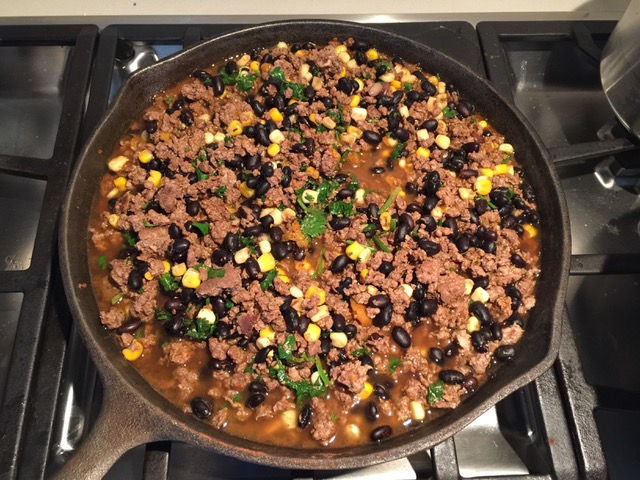
    Cook your deer meat in a very large cast iron fry pan or a heavy-bottomed large saucepan until no longer pink.

    When fully cooked, add 2 cups water and 3 tbs. of taco seasoning.

    Add cooked black beans, cilantro and corn and simmer until the liquid is boiled down (but not so much that your meat mixture is dry).

    Warm tortillas in oven for 15 minutes at 180F

    Chop up lettuce into small shreds.

    Assemble tacos with meat mixture, salsa and lettuce over a tortilla, at the table. No need to roll up (corn tortillas will fall apart easily). Cut up and eat with knife and fork.

    Enjoy!

    Cooked Salsa:

    Ingredients:

    1 litre of canned, diced Lillooet tomatoes

    1 cup chopped cilantro

    1 cup chopped white or yellow onion

    1 tsp. salt

    1 tsp. ground pepper

    Method:

    Sauté onions til very well cooked or caramelised. Add cilantro, tomatoes and salt and pepper. Simmer until most of the liquid is boiled down.

    Leftovers:

    Combine the salsa, the deer meat mixture, and shredded lettuce and sauté over medium heat until hot. Makes a great lunch next day!

    IMG_5492


  • Smells of spring, sweat, and soil

    Smells of spring, sweat, and soil

    It would not be an exaggeration to say that I love all the seasons. Apologies if anyone finds this level of optimism off-putting, I have been told it can be a bit much. I think farming demands it: to anticipate each season’s arrival, to enjoy the process, and to be thrilled to see one go in order to welcome what comes next.

    Spring is all about smells. After a winter of snow and soup and spreadsheets about farm planning and field layouts and budgets, it is so nice to smell dirt. Or “soil”, depending who you ask. I did not grow up on a farm and only started to dabble in it as a profession within the past decade, so the novelty of spring has not yet worn off. I hope that it never does.

    This will be the third growing season of Four Beat Farm here in the meadows, and I would be lying if I said that I felt ready for it. But that’s the great part about farming and growing food—often the best option (the only option?) is to jump in before you are ready, because nature does not wait, and if you procrastinate too long to till or plant or weed or water or harvest then it may be another 365+ days before you can realistically try your hand at growing that particular crop again.

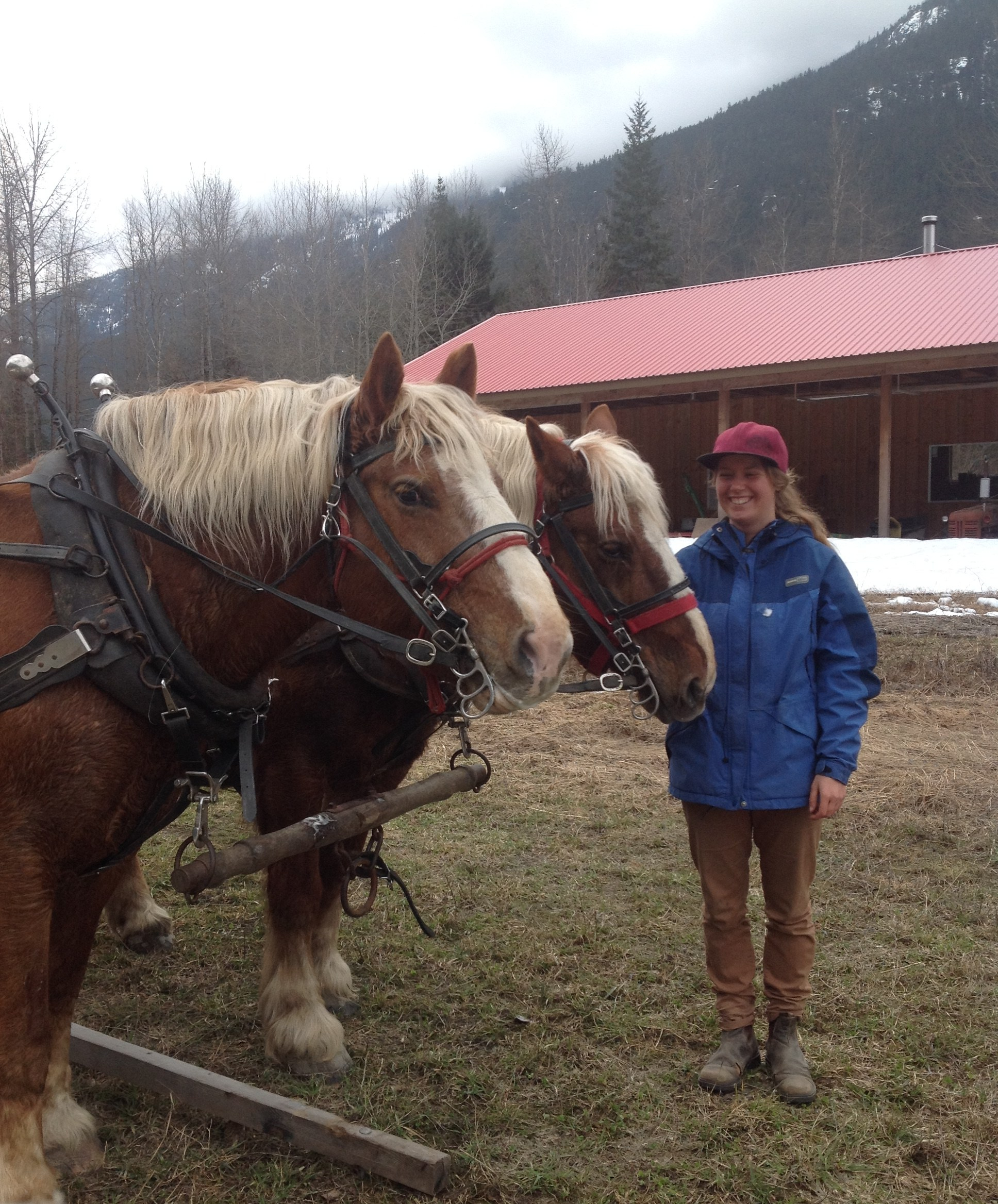
    Right now, spring smells like freshly turned earth, compost, and sweaty horses who, along with their farmer, had a pretty quiet winter. Call it lazy, call it restful, either way the sudden workload of April can be a shock to the system. Thank goodness for variety. For every hour that is spent moving fresh manure into the greenhouse to keep it heated on cold nights, there are taxes to finish, cultivators that still haven’t been repaired, onion seedlings that need haircuts, and horses that appreciate an afternoon head scratch as their muscles rest after morning fieldwork.

    IMG_2890

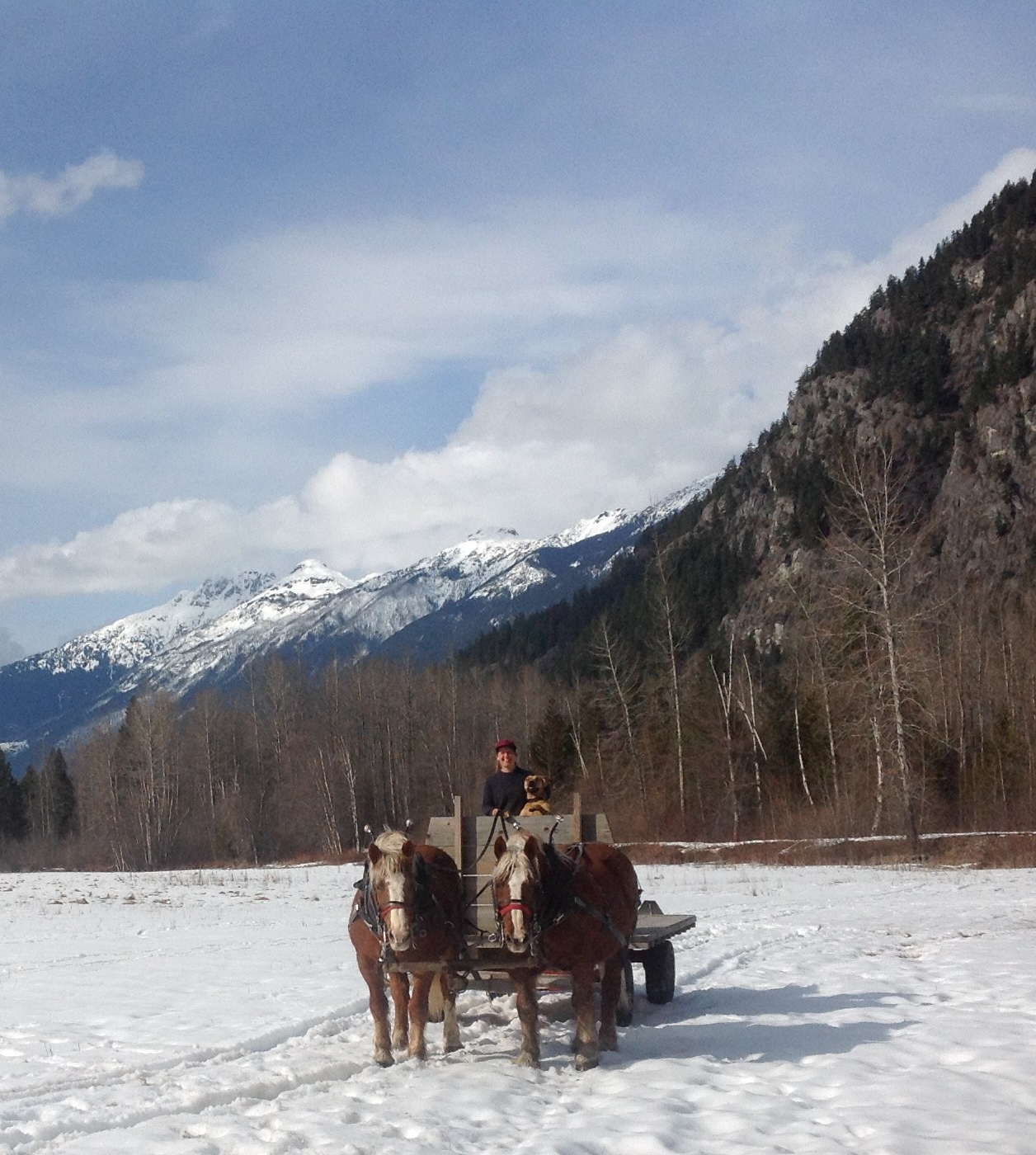
    When it comes to fieldwork, plowing with horses is slower than with a tractor, no arguments there. Our ever-improving farming systems for 3ish acres of certified organic vegetable seem to be functioning adequately throughout the summer season with the two horses at hand, often called a “team”. When people want to talk about it (or even when they don’t), I can and do enthusiastically chatter on that there are many jobs on the farm that horses do on par or better than I have seen done with a tractor. This is without even getting into the added benefits of having two 1600lb colleagues who eat local fuel, constantly produce compost, and bring a level of determination and sass to the field that I have yet to see in a combustion engine.

    IMG_2857

    For this year’s planned spring tillage, however, which will allow for better crop rotation and attention to soil health, our current two horses are fully employed and could easily share the workload with two more given our short and intense growing season here in the valley. So, as in past years, we as a farm leave the option open to phone one of our many generous neighbours to bring in some extra horsepower for big jobs.

    On a practical level, getting a few hours of custom tractor work here and there feels more efficient than feeding and caring two extra animals who are only going to work for a few weeks out of the year. I drawn parallels with fellow small farmers who might choose to rent heavy machinery for excavation projects, or how it can make sense to have a small car for your family and borrow a neighbour’s pickup truck when you need to bring home a few loads of compost to kick off the gardening season.

    When weighing the options, I have to remind myself that we are a young farm that is in the business of growing food for our community, and that there are many ways to best do this. That said, if someone in the valley has a well-trained team of draft horses I can borrow to spell mine for a few days when their shoulders get sore, feel free to drive up the valley and drop by.

    Our place is the one with plow lines that are not entirely straight, horses that still have their winter coats, and a hoophouse bursting with onion plants that are already dreaming of farmer’s markets at the community barn downtown.

    -Naomi

    IMG_2788
    Getting in shape, late March


  • When your Productivity Impediment becomes your best gardening co-creator

    When your Productivity Impediment becomes your best gardening co-creator


    There’s a Facebook meme that has caught my eye – moms asking their kids questions about the mom, gleaning a pint-sized reflection back at themselves. Of course, I wanted to try it and see if I could elicit wry, wise, candid or hilarious insights from my 4 year old. But he wouldn’t play along. He has inherited an aversion to anything overly contrived or calculated from his dad, so shut me down immediately.

    “Hey, I have a question for you. What is one thing I say to you often?”

    “I don’t want to answer your questions right now,” he advised.

    So much for a little bit of insight on how I’m holding up on the job.

    Then one day, while Grandpa was staying with us, Kidlet came home from town and announced: “I got you a surprise.”

    Not for my birthday or any kind of occasion. Nothing that smacks of contrivance, or expectation. Just random and spontaneous.

    Over the course of Grandpa’s 12 week stay, this happened four times.

    The first, the surprise was a peppermint Ritter’s bar. I’d bought one earlier that winter, and put it in my pocket for skiing. I shared a square with him, and I guess that made an impression.

    A few weeks later, he gave me a bottle of cherry red nail varnish. Way louder and more, um, red, than I would have chosen, if I were to ever choose to paint my nails. And yet, there it was, oozing wth genuine intention and sweetness. He painted both our feet the next day.

    The next time that Grandpa was catering dinner, he offered that they had a special dessert. Callan had picked it. “It was all him,” shrugged Grandpa. Peppermint choc chip ice-cream. My favourite! My husband hates peppermint, so we never select this. Never. But once, when I took Callan to the gelato place in Squamish, two years ago, that’s what I got, and I shared with him. And he remembered, and told Grandpa that’s what he wanted to pick.

    “That’s my very favourite flavour,” I told him, when it was pulled out of the freezer.

    “It’s not mine,” he says. “It’s too sweet for me.”

    At the very end of February, the last gift came. Just before Grandpa, his best co-conspirator, returned home and he was back to going shopping with people who did not indulge his whims and wants.

    Callan walked in the front door, yelling, “Help me Mum! I’ve got full hands.”

    And he offered me a bag. And inside the bag was a pack of jiffy pots, for starting seeds.

    And I was gobsmacked.

    Four years I’ve spent floundering in the garden, trying to push aside my desire for things to be neater, more orderly, more productive. Just breathing when he crawled around in the dirt, getting completely filthy. When he ate the soil. Just breathing when as a toddler, he pulled out all the little white stakes neatly labelled with what had been planted. Or when he carefully planted the seeds all in a pile on top of each other. When as a three year old, he ate my first precious strawberries before they had a chance to ripen and then spat them out, “not ready” (yeah, I could have told you that), or when he stomped through the middle of the garden and squished a few seedlings just as they were getting started. I would breathe and say to myself, this is a place for fun. This is not a place for stress. Let him have fun. Let him learn. Let the garden be chaotic and messy and full of squished plants and failures. And love. Most of all love.

    And here he was, at the onset of spring, bringing me pots to get our seeds started in.

    “Are you heartbroken?” he asked, at my sudden quiet.

    “Well, heartbroken means you’re so sad that you’re heart breaks. I’m kind of the opposite. My heart is overflowing.”

    “It’s the same thing,” he says.

    “No babe, it really isn’t. My heart is very happy.”

    IMG_5419

    All the time I’ve been wasting in the garden, letting him play and enjoy it and not worrying about whether it’s productive or not, has actually turned out to be quite productive after all.

    IMG_5434

    I have a collaborator. A co-creator. A fellow grower. A little nurturer.

    (He also, lest this seem like a portrait of a perfect life, is obsessed with weapons, taught the 4 year old neighbour her first curse-word – “fucker head” – was so silly at karate last night that the entire group was disrupted and I apologized to sempai three times, and is really yet to master the art of saying sorry. Works in progress we are. And yet…)

    I couldn’t be more heart-full. And grateful. For what is growing out of the mess and chaos and cycling seasons of our life.
  • Farm Series: A photo essay by Kevin Arnold

    Farm Series: A photo essay by Kevin Arnold


    This slideshow requires JavaScript.

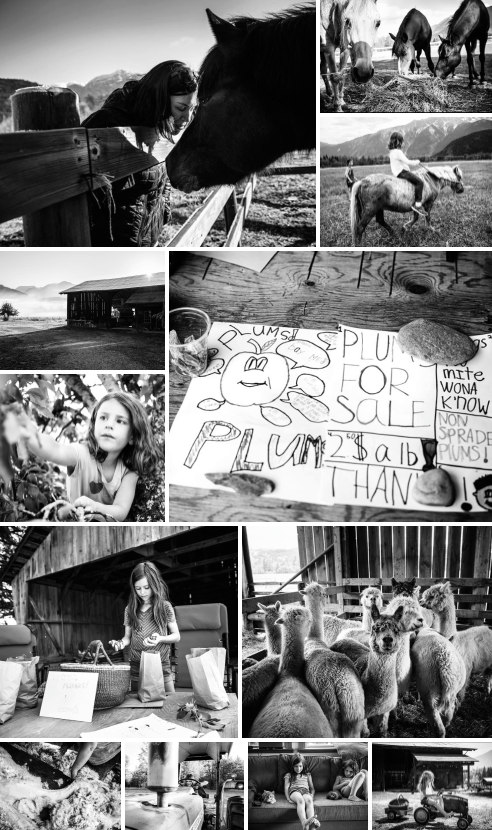
    Kevin Arnold is a commercial and fine art photographer based in Pemberton, who fits in a little farming on the side.

    Follow him at https://www.instagram.com/kevinarnoldphoto/

    Farm Series by Kevin Arnold collage

  • Why Everyone Should Have Backyard Chickens

    Why Everyone Should Have Backyard Chickens

    With Easter here, I thought it fitting to talk about the true supplier of eggs. Bunnies get all the credit this time of year, but we all know we have chickens to thank for the ever so versatile egg. Although they may not be filled with chocolate there is not much that beats a fresh scramble with eggs that were laid that morning.
    image1
    6 years ago we made the decision to invest in chickens. Specifically, laying hens as opposed to meat birds or roosters. We were renting a house up the Meadows where we were cultivating 1/4 acre plot of land as a veggie garden. On the property was an empty chicken coop that hadn’t been used since our landlord kept a few birds many years before. It was a little rundown and being used as storage but we emptied it out and fixed it up. We have since then moved to Reid Road and were fortunate enough to be able take our chickens with us.
    To be honest I didn’t have the greatest memories of chickens. I remember getting chased around the yard by an angry hen and being pecked at by mean-looking rooster. Maybe we lucked out, maybe it’s the breed or maybe there is something to be said for raising your day old chicks but we have some of the friendliest birds. They LOVE to be petted, picked up and they are not afraid of people, dogs or cats. We let them roam free for most of the day and then when the sun starts to set, they retreat back into their coop and we lock them up for evening. I thought there would be a lot more chasing and wrangling involved but they seem to know where their home is and enjoy staying there (that or they know where their food is!)
    image5
    Roaming freely around the yard.
    It was a bit of a life adjustment and took a bit of getting use to caring for birds – cleaning the coop, collecting eggs every day, filling feed and ensuring clean water – but the benefits quickly outweighed the work. In six years of owning chickens, I think I’ve only purchased eggs from elsewhere once. We usually have eggs to spare and either sell them or share with friends and family.
    image3
    Olive deciding wether or not to share. Petey the dog and Dr Gre the cat coming to check out what’s happening

    Here is my list of benefits to keeping laying hens:

    • They compost for you! I keep a scraps bowl in my fridge and every morning bring it to the birds. Carrot peels, the tomatoes I forgot about and are now stinking up the fruit bowl, the stale bread that’s about to mould, aside from a few items the chickens will gladly eat it all. (We do not feed our chickens any dairy or meat products. There is also a list of fruits and veggies to avoid feeding your chickens such as citrus, grapes and mangoes)
    • They are incredibly entertaining. Have you ever watched a chicken run? It’s like peaking into the Jurassic age. And if you have children, chickens are a fantastic source of entertainment. Have you ever tried to catch a chicken that does not want to be caught? Well, kids will try for hours!
    • Not only will you waste less food (feeding your birds scraps) but the grocery stores will also waste less food. Did you know that at the Pemberton Valley Supermarket you can pick a banana box of the grocery store’s unsellable fruits and veggies? For $2 you can pick up a chicken box filled with an assortment of items that are perhaps a little too ripe or bruised but the chickens aren’t picky, in fact they are thrilled to see that box coming their way.
    • You know exactly where your food comes from. You know the living conditions of these birds and you know exactly how long the eggs have been sitting on your fridge shelf. This was a huge one for me. There are companies that advertise “free range” or “free run” by giving their birds an additional amount of space and a minimum amount of time spent outside but at the end of the day we just can’t really know how these birds spend their existence. (Of course, in Pemberton we are so fortunate to get access to eggs from trusted farmers, so I am speaking more to what is available at the grocery store.)
    • There is something so rewarding in caring for a creature. There are many reasons we keep pets, it has been shown that cuddling a pet can reduce stress, loneliness and anxiety. Chickens are no exception! Plus if you’re not interested in having indoor pets, chickens are a great alternative!
    • Chickens help keep the bug and slug population under control. If you do keep a home garden chickens can play an amazing role as a natural insecticide.
    • EGGS! Oh yeah! When was the last time your dog left you a tasty treat? Chickens are fabulous, you feed them, they feed you!
    image2
    An example of the contents of a chicken box from the Pemberton Valley Grocery Store
    When is comes to the coop there are so many amazing and innovative plans available online but here are a few essential features that every chicken coop should include:
    • Waterproof roof
    • A secure structure with a raised floor. Ensuring there are no holes that a mouse could fit through
    • Ventilation grills
    • Window(s) for ventilation and natural light
    • Nesting boxes
    • A roost of sorts
    • Lockable door
    • Fenced run using either chicken wire or galvanized wire
    • Heat lamp
    • Waterer
    • Food dispenser
    • Electric fence (optional but recommended)
    There are a few different options when choosing which laying hens to get and where to get them from. We are very lucky in Pemberton. Through the Animal Barn you can place an order for “ready to lay hens” meaning these chickens have been sexed and then the hens raised until a week or two before they are ready to lay.
    Another option is to get “day old chicks”. There are a couple hatcheries in the Vancouver area that offer both sexed or unsexed day old chicks and you can expect your hens to start laying around 6 months.
    The last option and my least favoured is to purchase day old chicks and have them sent through the mail. I won’t go into any detail on this one.
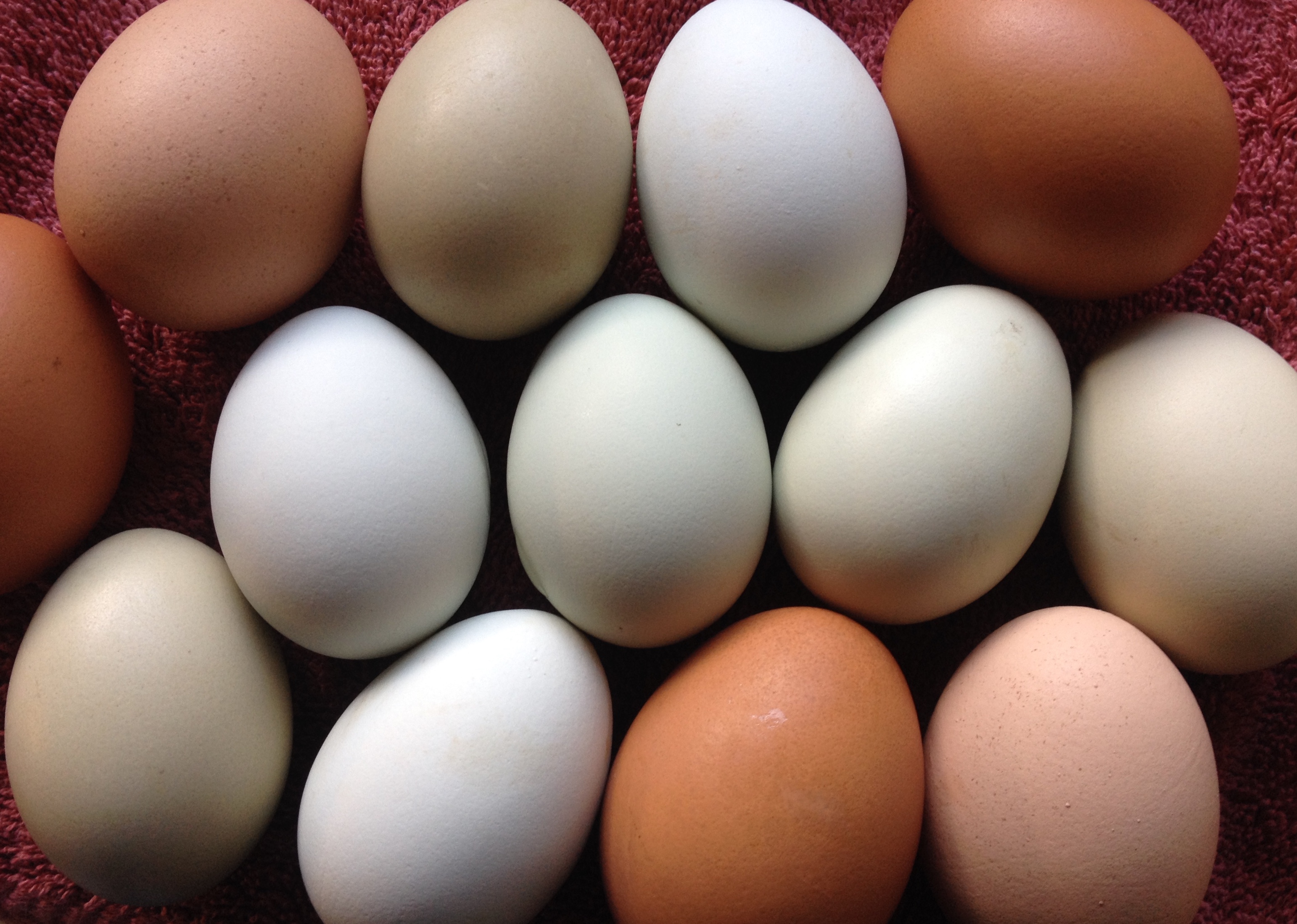
    We opted for day old chicks and we drove down to the Little Red Hen Hatchery in Abbotsford and picked up ten of the cutest little “Easter Egger” chicks. Easter Eggers are a breed of hen also sometimes called Americanas and they lay pastel coloured eggs sometimes blue, green, white and pink.
    image4
    Since then, we have purchased ready to lay hens through the Animal Barn and adopted a few stragglers around town that needed a home. We’ve grown our brood to 20 hens, each one adding its own personality to the dynamic. It was 6 years ago that we invested in laying hens and I can’t imagine my life without these feathery friends!
  • Alpine Cattle Drives

    Alpine Cattle Drives

    I ended the cattle drive around 1995. I couldn’t keep it up. It was too much work. We had a growing farm and a growing family and we just couldn’t justify it any more and it made me sad.

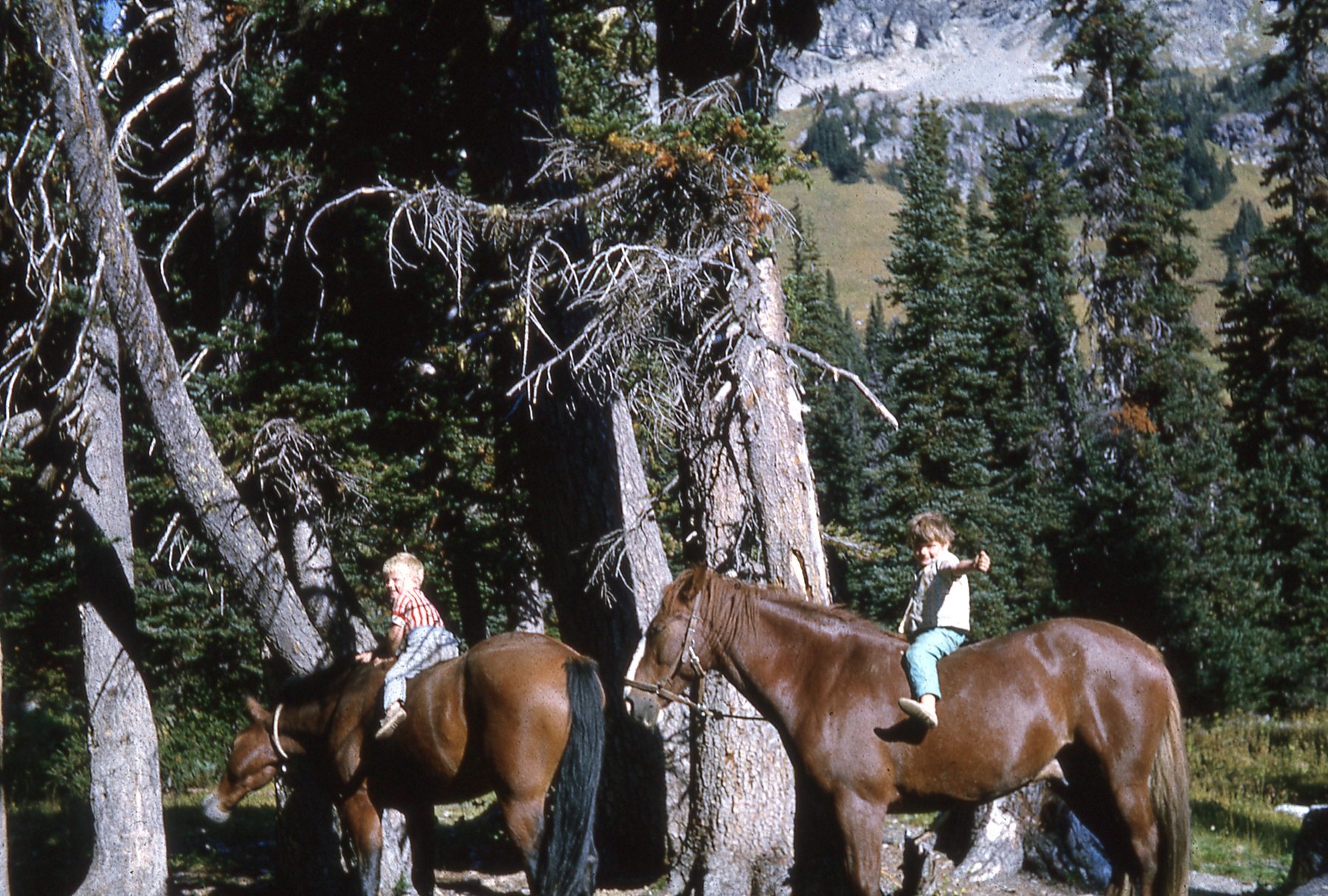
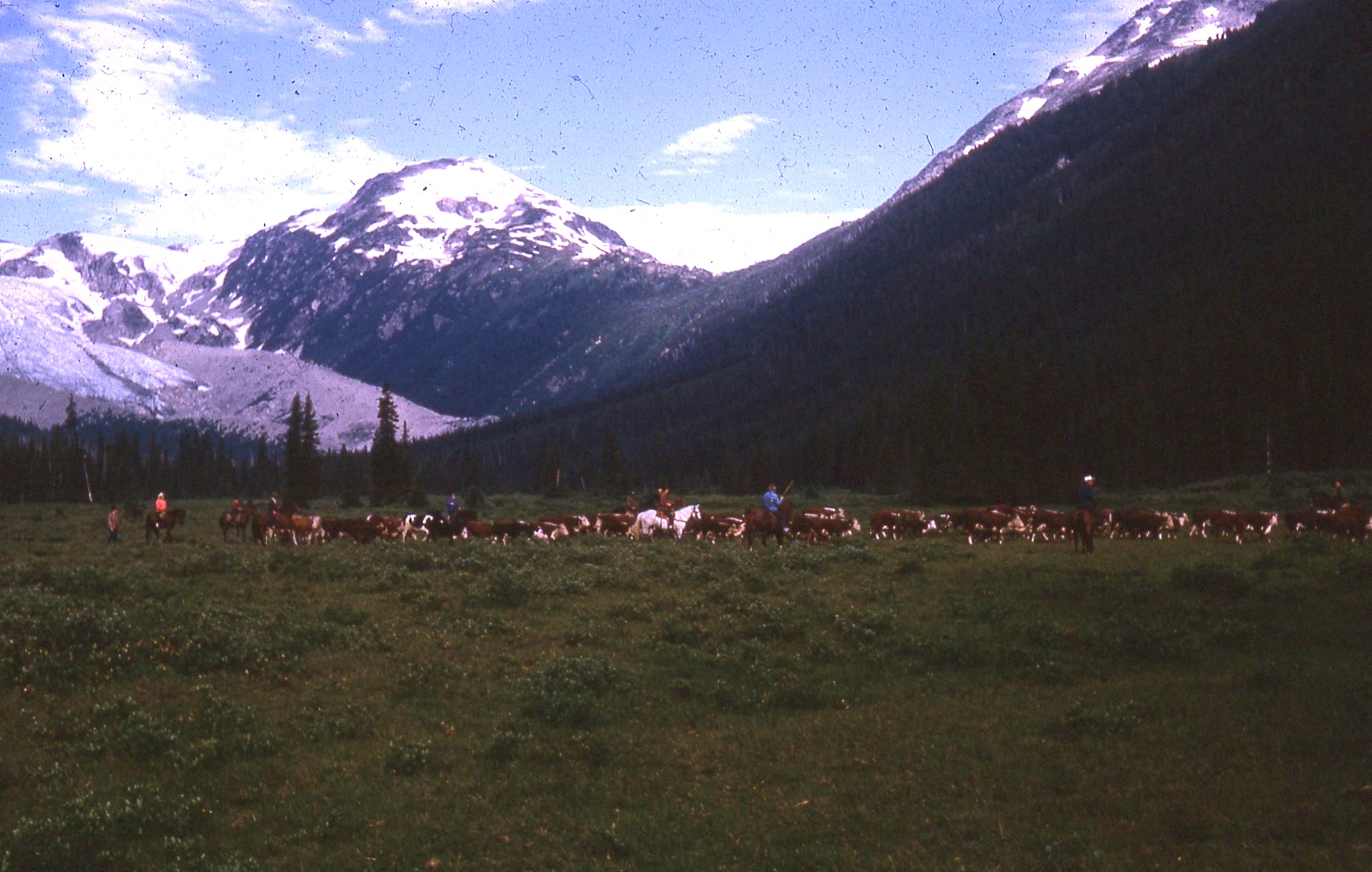
    When I was young, our every summer was spent driving our herd of cattle to alpine grazing at Goat Meadows (aka Miller Creek ). We thought it was normal for children to push big old bellowing cows up a mountain. We were little ruffians with rocks and sticks and running shoes. We darted and loped across the brushy hillside, cutting off escape, alway trying to make the cows think we were impassable.

    img029 Selma, Elsie & Bruce Tenquille.jpg

    Dad was alway there, in charge, and always at the back, patiently trying to instruct us on the instincts of cattle and how to use them to make this job easier for all.

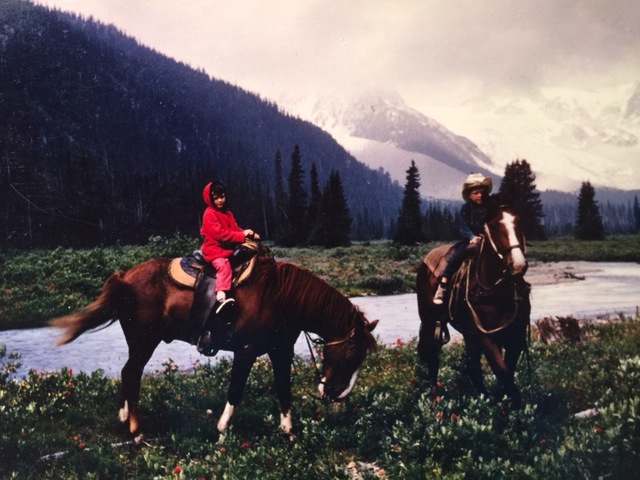
    When my sisters and I were small, we mastered sleeping on horseback double (although that may have been mostly me.) I remember how a horse’s shoe can turn the pitch black into daylight as they struggled in the dark on the steep rocky trail. We took a lot of these trips in the dark, after Dad’s work day on the farm was done. Our old workhorse type horses had no problem travelling in complete darkness.

    Image 14.jpg

    The cattlemen had a cabin in the Second Meadows where we would  camp and cook and play while the adults did the hard work of cutting out trails or building bridges.

    img037 lunch at camp on GM.jpg

    Our destination was the Third Meadow  which overlooks the Pemberton Valley. Our cows knew the way and once their memories of last year in the meadows kicked in, it became a slow walk to paradise.

    img017 driving cows at meadows.jpg

    Coming into the Third Meadows was uplifting – the smell was  amazing of alpine flowers and grasses. The view opened up to grassy Meadows, and far below at the end of the Second Meadows was the massive Miller Glacier which roared constantly on the breeze  lifting from the Second Meadows.

    Image 15.jpgimg010 Morgan in Snow.jpg


  • Passion Prevails

    Passion Prevails

    My childhood subconscious began manifesting my green thumb life long before I understood the benefit of my compost chore or using the excuse, “I’m thinning them out” when caught eating baby carrots. When you grow up surrounded by gardeners you’re bound to inherit some level of love for the same hobby.

    Basically, I’m a full pledged geek when it comes to everything plant related.

    For example… I have pulled illegal U-turns moments after spotting a nursery. I carry pruners in my car to pluck wild flowers bouquets from ditches. I save plants from becoming garbage and give them new homes. I take pictures while traveling of unrecognizable vegetation so I can come home and identify them… and so on.

    (Insert crazy garden lady photo here.)

    It was during my years as an on again off again landscaper that solidified my love affair with horticulture. The jobs I held in between seasons never really satisfied my soul. I genuinely missed cleaning dirt out of my nails.

    One instance that really stands out in my head happened while emptying my pockets after a day of work in the city. Out came my keys, my wallet and a whole bunch of deadheaded flowers. A big smile graced my face upon seeing the blossoms. I had visited a nursery on my way home but for the life of me could not remember committing the act. No doubt it was my subconscious giving me a little nudge. I gave my two weeks notice the next day and promptly returned to my happy place slinging dirt.

    Now I’ve really come to realize that I glow when I talk about gardening. I mean I get giddy like a little schoolgirl talking about this shit. (Giggity)! The other side of my coin is that I love to cook and preserve all the wonderful things that come out of my backyard and our bountiful valley but I’ll save that for later.

    In January I figured there was no point in fighting the feelings anymore. Time to take my passion by the reins and just go for it! And although I’m not exactly sure what will grow from this adventure one thing is for sure: I want to share my love of gardening with people, inspire them to grow their own food and experience the simple pleasures that come with the failures and the successes along the way.

    Welcome to my journey back to dirt.