There’s something to be said for being in the right place at the right time.
Over the consumption of tasty beverages at the Beer Farmers, my girlfriend was casually asked if she’d like to host a bunch of mountain bikers at Sky Camp (one of Tyax Adventures’ most balling backcountry locations). She was quick to mention that I could cook and would be a great addition to the hostess-with-the-mostest team and it took me about 0.01 seconds to agree to this union. As of yet I had only heard the tales of this remote location and recognized that it was an opportunity one should not shy away from.
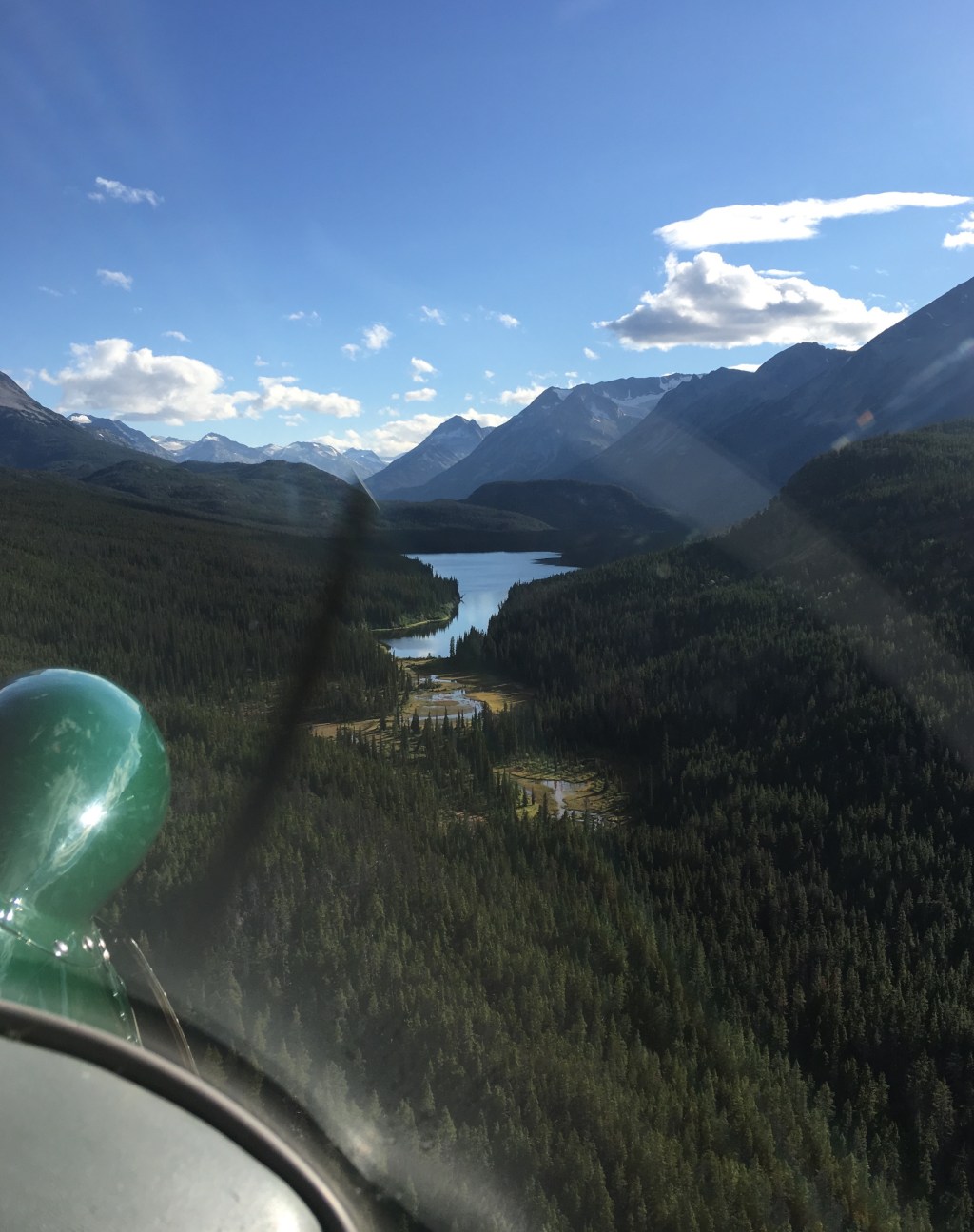
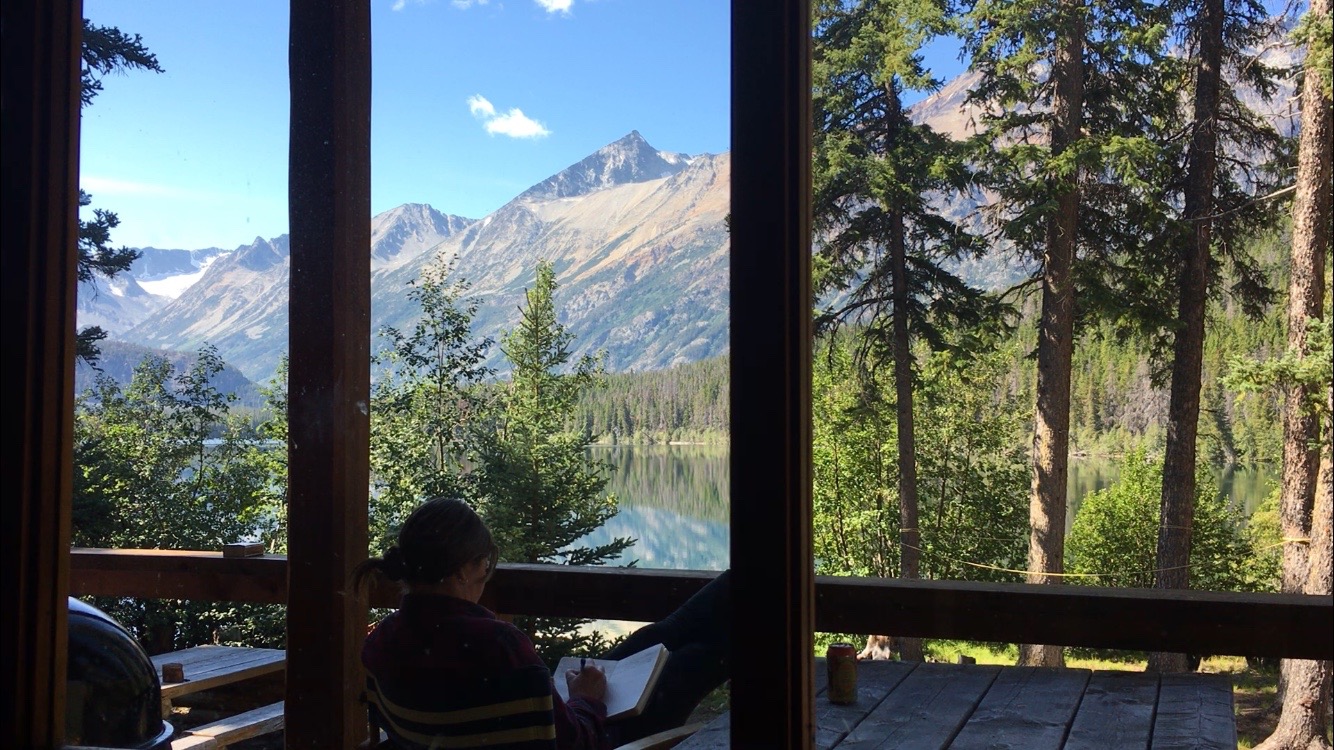
Allow me to create a visual for you: Board a floatplane that takes you deep into the South Chilcotin range to a fully set-up cabin. This location comes complete with wood-burning sauna, canoes/kayaks/paddle boards, hot showers, the sound of loons atop a lake full of trout, adventure Crocs, old school board games, guest tents stocked with flannel sheets & duvets and nothing else but the silent sounds of the forest. Everyone in favour of glamping, raise his or her hand! Easily 90% of you just did.
A simple, delicious menu was drawn up for us and I couldn’t help but raid my garden for a few extras to tie in to the plan. My spare time has taken a hard hit lately (aka neglected garden) and there are a few species that have gotten massive due to this lack of maintenance – or someone has secretly been feeding them steroids. So, may I introduce to you the current, uncontested, and very underrated, heavy weight champion of my garden… kohlrabi.
Out came the biggest bulb, a leek, the dried coriander seeds from my bolted cilantro plants and a cured garlic bulb; all grown in my backyard and all destined to become a side-dish served with salmon. What follows is a rough outline of how I cooked it via an old school propane oven.
Pre heat oven to 375°F. While that is happening, lightly toast your coriander seeds then grind them with a mortar & pestle to desired texture.
Cut the kohlrabi into ½” cubes and place them into a medium-sized mixing bowl.
Add in some sliced leeks, minced garlic, the ground coriander, salt & pepper to taste and then drizzle with olive oil; tossing to combine.
Pour the mixture into a cast iron pan and place in the oven for 30-45 minutes. Make sure to take the kohlrabi out of the oven and stir it around every so often to avoid burning.
The key ingredient for making this dish tremendous, aside from the fact it was grown with love, is the company it was shared with. For some it was their introduction to kohlrabi and that alone makes it a success.
Sky camp is a magical place: you arrive unplugged and leave fully charged.
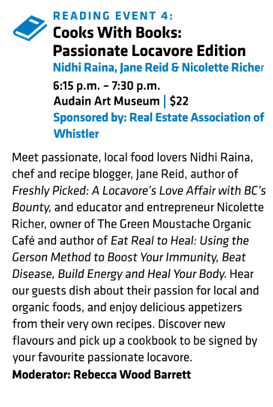
Traced Elements contributor Nidhi Raina’s samosas and chutney have become famous at the Pemberton Farmers Market. And new Pembertonian Nicolette Richer is the creator of the Green Moustache Organic Café and the author of Eat Real to Heal: Using the Gerson Method to Boost Your Immunity, Beat Disease, Build Energy and Heal Your Body.
They will appear alongside another local Jane Reid, who secured a publishing contract for her book after pitching at last year’s festival. Jane’s new book is Freshly Picked; A Locavore’s Love Affair with BC’s Bounty.
Also, once your appetite is whet, save the date for a reading with Jane at the Pemberton Library, on Wednesday November 21, at 7pm.
Mother Nature is neat. She gives and she takes: it comes down to how we choose react to each facet in our open relationship with her that matters. Seems odd to me that we’re becoming more accepting the smoke shows each summer and that the map of BC resembles the Lite-Brite I used to play with as a kid. Yet, there are still folks out there that say climate change isn’t real.
This is only one of the reasons why I feel so strongly about the importance of growing our own food, saving seeds, choosing local and preserving. By teaching people easier ways to manage what they grow we can prepare for any surprises thrown at us, have a taste of summer all winter long and make difference.
We are so lucky to live in a valley rich in good dirt for growing and farmers that know how to use it. Every time I pedal out the meadows for a meander I am in awe of the beautiful fields full of vegetables. The Slow Food Cycle that is hosted here every August come rain, shine or smoke is great for educating us on who grows what and other local goods available. Every year there are new and exciting vendors showing us what’s possible if you experiment a little in your backyard. But it’s in these simple connections where the subconscious is fueled with ideas and relationships are forged.
So buy a big bag of carrots from Helmer’s, buy a bag of pickling cucumbers from Laughing Crow, go to the garlic festival this weekend, fill your growlers up at the breweries, stop at the food stands on the side of the road, heck, why not just join the Pemberton Food and Farm Facebook page to see who has surplus of fruit and veggies and take full advantage. Stock your freezer, stock your pantry and feel good about where your food has come from. You can definitely believe if it’s come from anywhere in this valley it’s grown with love and that my friends will leave the best taste in your mouth.
I am grateful that I love to garden (and seem to be good at it) and have the want to share my knowledge and I am so in love with this community… and, I am very grateful for Hazy IPAs on hazy days.
“Seeds are software, and we have the seeds” -Representative of the chemical giant Seminis, just before selling out to Monsanto
Usually, plantain is a quiet, unobtrusive little plant. She is known for her excellent healing properties, her usefulness as a spit poultice, and her excellent nutritional properties. She is generally soft spoken, and most people are surprised to notice she has been underfoot all along. She is like coffeeshops in Vancouver: ubiquitous. But lately plantain, sometimes called ‘white man’s foot’ for the way she has followed our footsteps across North America, has been shouting at me. She is poking me with her seed spears. Every time I turn around, there she is. Usually when this happens it means the particular plant that is ‘shouting’ has some particular medicine I need to pay attention to. My resistance is generally high. You think I would actively cultivate some sort of porosity towards these sorts of encounters, but no. When a plant is trying to get my attention (or most things, for that matter) my first response is resistance. When I finally let plantain in all I do is look at her for a moment, but that look takes a photograph that embeds her in my mind and from there she begins to communicate with me.
Plantain
Because of the way the summer has gone- hot and dry- Plantain is setting seed earlier than usual, and with an abundance I did not notice last fall. Perhaps she is foretelling the future, but it is more likely her actions are a reflection of the present. (When a plant is stressed, their seed production tends to be prolific. Cue the fallen black cottonwood I stood in the ruins of this past spring, who released her white parachute fluff designed to float her future progeny over the entire province OVERNIGHT WHILE SHE LAY DYING ON THE GROUND, while most of the trees were barely starting to open their little seed casings.)
But that is not what I want to tell you. What I want to tell you is that I want to cry. Each time a Plantain seed spire touches my ankle it is a reminder that things will never be the way that they were. A reminder that I do not have the time and that I am doing too much, too fast, to really listen, to really hear, to really feel any of it. There is grief in these too-early seed spires. Grief that the world is burning; that part of the morphic field of these seeds will always contain the memory of smoke.
I believe a plant is a part of a specific ecosystem’s innate intelligent awareness made incarnate, and that a seed is the plant’s answer to the questions of its times. And the answer will be different, even among similar species, if they are growing in different locations. A seed is this wild intelligence made portable, designed for dispersal, a portable currency of consciousness.
So if we really want to rejoin the dance, if we really want to be a part of what is going up in flames around us, what is burning and the new seeds that will be born out of this fire, we need to eat of the wild, NOW. We need to take a little of the otherly intelligence that is the essence of the natural world into our bodies so that we can start to belong to the place in which we are standing. Perhaps this is the beginnings of true reconciliation. Or at least the seeds with which to begin.
Please don’t think I am being trite. I am not making small of atrocities that have been committed both by and against humanity. I am not saying that by taking yet another thing from the wild we can heal from the many woundings of the entitlement we have been taught to assume. I am saying that we need to begin to build a bridge to another way of being, of living, of feeling, and that if we can ingest the local wild plants that are doing that all around us in the places where we live, who have not cut themselves off from the responsiveness of the wild innate intelligence of their own sovereignty, then we begin to take those transforms of meaning into our cells, and that begins to alter us.
Do you remember at the beginning when I said Plantain shouted at me? Well obviously she didn’t, at least not in words. But when I started to pay attention- when I started to unravel the thread of meaning she held for me- she led me here. When I went out to shoot the pictures for this post I stripped a handful of her seeds from their spire, winnowed their husks away by breathing into my palm, put them into my mouth and chewed. They popped between my teeth like chia seeds, and had a similar mucilaginous texture. They didn’t really taste like much but maybe that’s a good thing. Something about pulling the seeds from their stalk felt familiar, the way I sometimes recognize the face of a stranger I have not known in this life.
Plantain- the tall darker seeds stalks are ready to be harvested
Plantain seeds, slightly winnowed by blowing into my palm
Beside the Plantain (and remaining mostly quiet all this time) was a stand of Dock, with seeds also ready for harvest.
Dock seeds dried on the stalk and ready for harvest
Dock seeds close up- note their papery hulls which do not need to be winnowed- they can be ground along with the seeds
So here is where we get to the practical and super-actionable and amazing part of this post: you can make flour from both these seeds. Yep, that’s right. SUPER SOVEREIGN INTELLIGENCE WILD MORPHIC FIELD FLOUR WITH BONUS SUPER NUTRITION! (Or as we more quietly call it, Plantain/ Wild Dock Flour.)
Plantain/Wild Dock Flour
Simply go out and gather as much Plantain and Dock seeds as you have the patience for, checking that the ground the plants grow in is free from contaminants and roadside pollutants. There is no need to winnow (separate) the seeds from the hulls as from both kinds of seeds’ hulls are edible and add extra fibre to your flour, as would happen if you added rice bran. If the seeds do not pull off the seed heads easily when you are harvesting, they are not ripe yet and should be left on the plant to mature. As with all wildcafting/foraging, be considerate of the plant’s needs to reproduce and other animals who may depend on the seeds as a food source. (A good rule is to not harvest more than 25% of the yield of a patch, but in the case of weeds like Plantain and Dock (which are prolific) you can sometimes take a little more without ill effects.
If you wish to increase the nuttiness of the flavour of your flour (OR if you are worried about bugs, OR if you are not sure your seeds are completely dry) you can roast your seeds on a cookie sheet in the oven, stirring several times at 200 degrees until seeds have darkened slightly.
Store whole in airtight containers until ready for use. Grind seeds and hulls in a coffee grinder until they reach a flour like texture. Substitute 1 for 1 to replace up to 1/2c of flour called for in the recipe to add extra nutritional value and wild intelligence to whatever you are baking.
Author’s note: The seed harvesting in this piece was originally inspired by Katrina Blair’s book ‘The Wild Wisdom of Weeds: 13 Essential Plants for Human Survival” which is an excellent resource for anyone wanting an accessible way to learn to incorporate edible weeds into their diet!
We are all ruled in someway or another by the big burning circle in the sky; we crave it after days go by with out it and we curse it away when it’s too hot. Sweltering days call for cool delicious foods high in water content – as beer and bubbles only keep us mildly hydrated no matter what we tell ourselves.
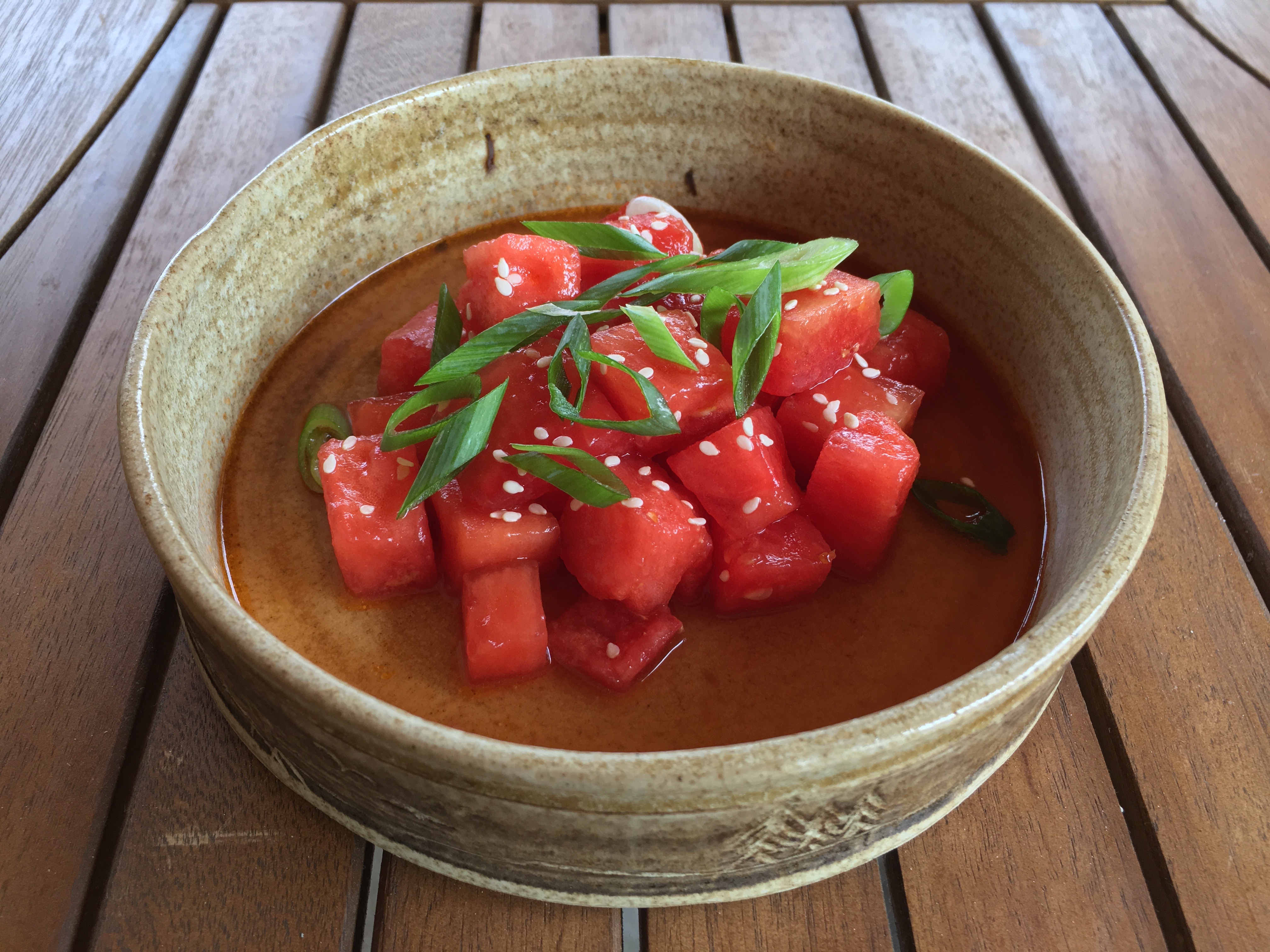
Enter watermelon poke.
If you eat at anyone of our amazing local sushi joints you will probably recognize the “poke” part as a dish commonly made with ahi tuna marinated in a sesame-soy dressing. (Personally, it’s one of my go to’s and I can easily crush an entire bowl to myself.) So when on a blistering hot day one of my favourite blog sites posted a recipe replicating this traditional Hawaiian dish using watermelon I was beyond excited. I immediately biked to the grocery store, bought a watermelon, got extremely sweaty in the process and ate the crap out of the final product… and so has everyone else I’ve fed it too.
Here’s my take on 101 Cookbooks recipe: the link will take you to the actual recipe if you don’t like free balling like me. I also prefer to make it a day or few hours before consumption to allow the watermelon to marinade and soak up all the sauce.
Step Uno: Deal with your watermelon.
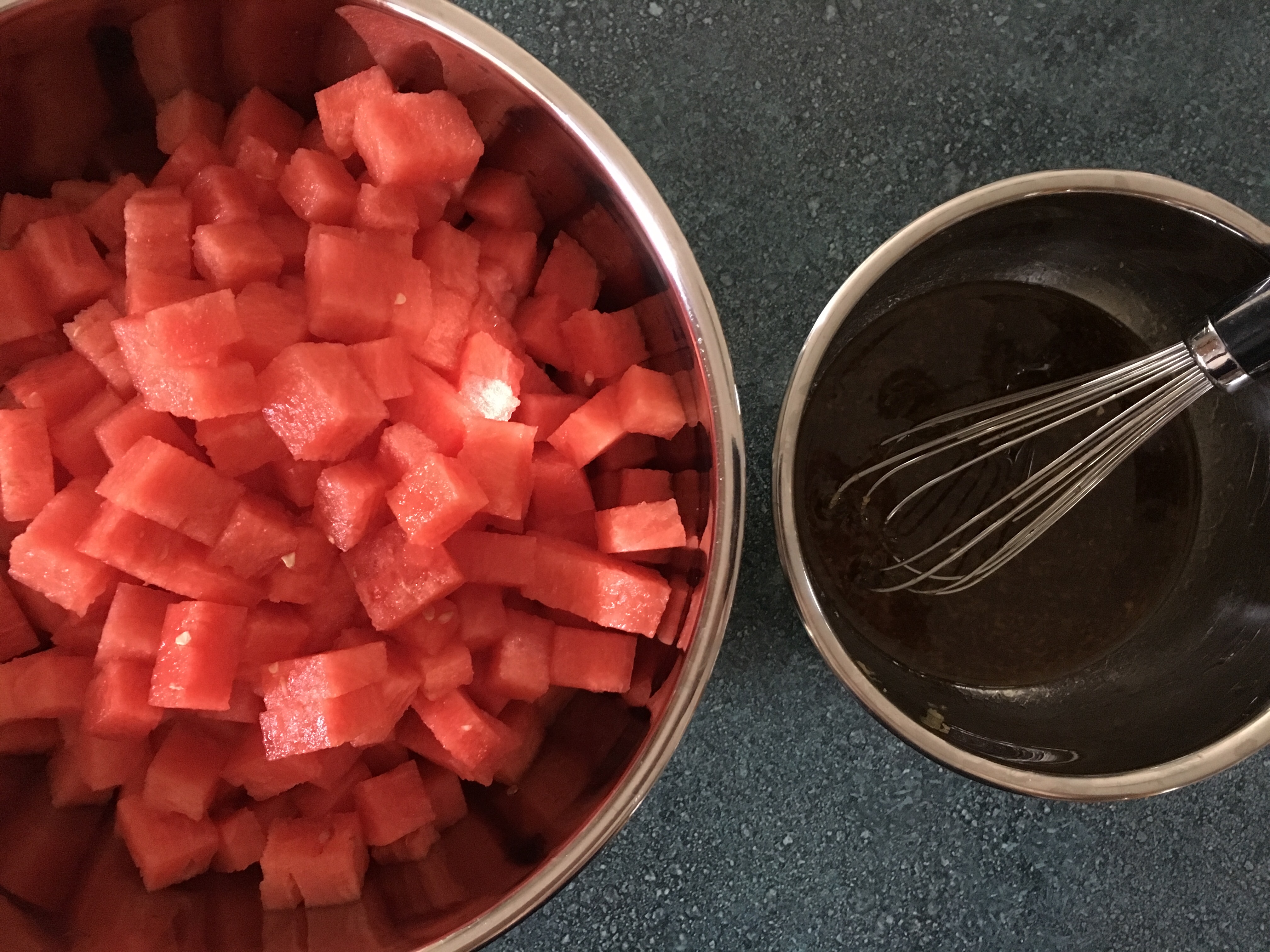
Slice a bunch into small cubes ½“ – 1” cubes, I like a good variety of sizes. Use a small to medium sized melon depending on how many folks your feeding.
Step Two: Make your sauce.
Combine the zest & juice of one lemon (or lime whatever is on hand), some ponzu, rice wine vinegar and sriracha (to taste) then whisk in some sesame oil and avocado oil.
Step 3: Combine everything together and let sit in the refrigerator until you’re ready to eat!
Step Quatro: Dress it up.
Serve topped with green onions, sesame seeds and long ribbons of cucumber or daikon radish.
Don’t forget to save some slices of watermelon for the kids and the hound!
Sounds like a potential math write up but you’re wrong. (I would never do that to you or myself.) I will quickly remind you that I did well in said subject thanks to my dad but generally I don’t care for it… for the most part I’m a pocket calculator gal. So, let’s explore the awesomeness of rotation in a few other ways through a couple quick examples: the wheels on my bike rotate and take me to all sorts of cool places, my car takes me to work so I can afford a bike to take me to all these cool places and well, we all take a trip around the sun every year (whether we want to accept that it results in aging is a whole other conversation).
Regardless on how you define rotation, the point is – it’s good: a chance to roll past the old and explore the new. Now, let’s apply this mentality to our garden.
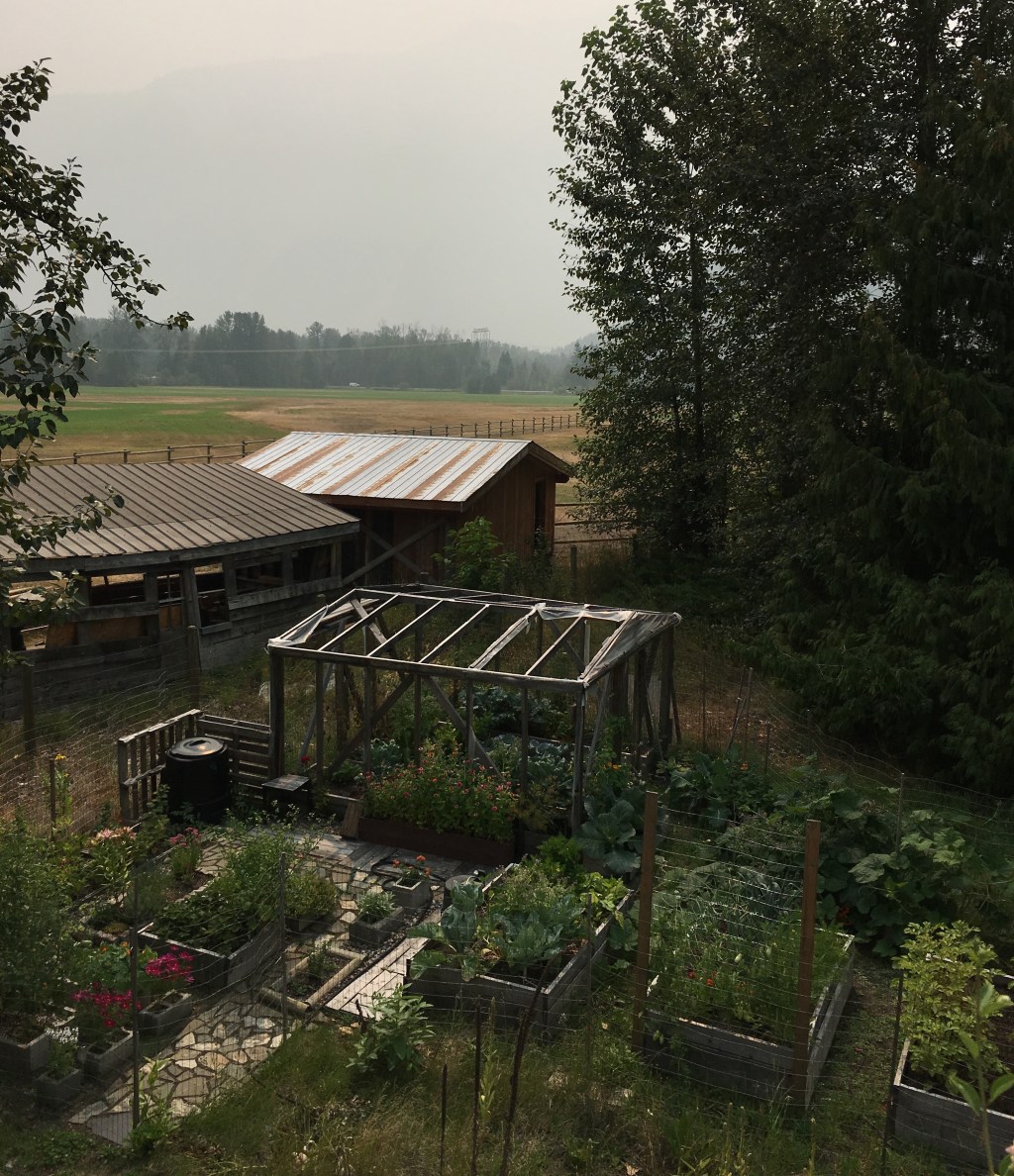
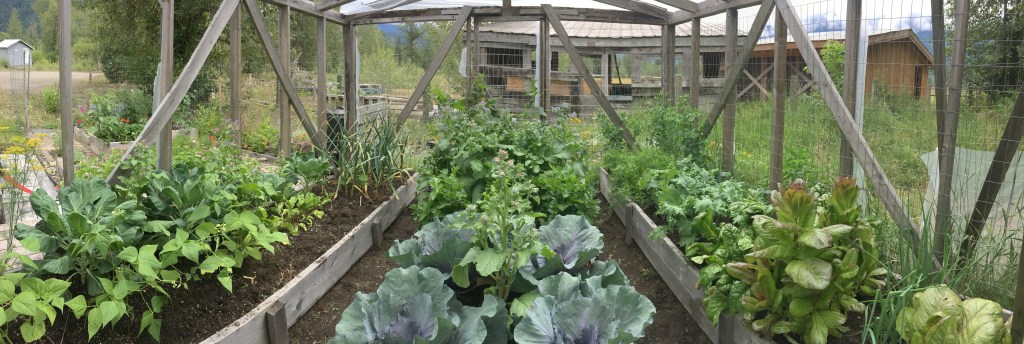
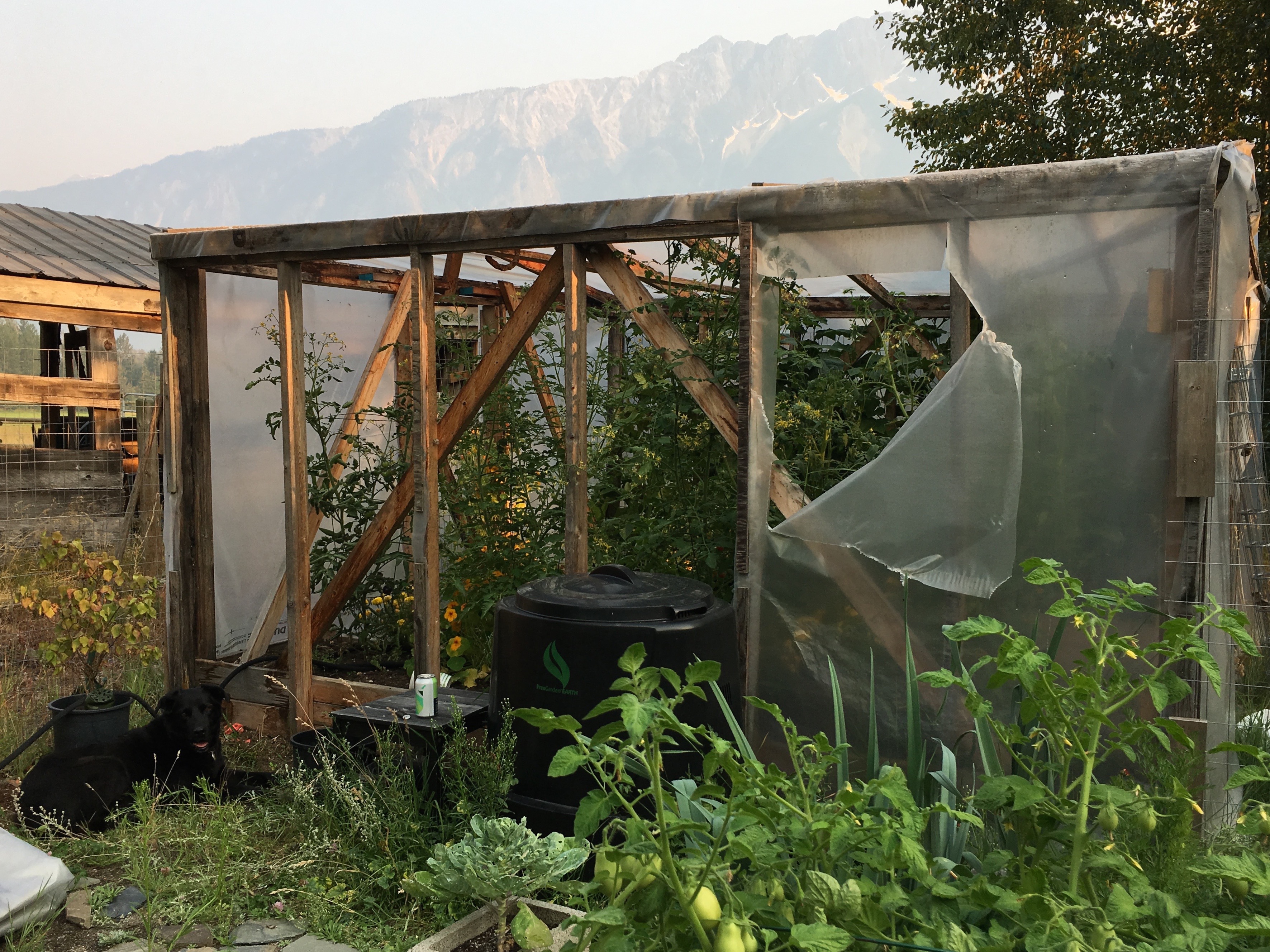
When I moved into our current location all that existed was a greenhouse for garden space. From what I could tell the only items that had been planted in there were tomatoes, peppers, basil and cucumbers (basically, all the standard greenhouse lovers). However. Over the last couple years I began to realize that the greenhouse location was kind of shady due to the rise of the surrounding cottonwoods and things weren’t thriving as well as they should be.
Then spider mites appeared last year… they even attacked my marigolds. I mean come on: marigolds! They are supposed to be the shit – indestructible. This led me to realize that change was mandatory. So, down came the plastic walls of the greenhouse late-ish last summer and a ton of Sea to Sky Soils compost added in the fall.
Long story short what I’m trying to get across is that planting the same thing time and time again in the same zone is no bueno. Enter the rotation factor here.
There is a simple crop rotation scheme that follows; legumes-greens-roots-fruit. Of course there are tons of don’ts and cans and “rules” that apply to make it not so simple. For instance: potatoes are considered a root and tomatoes are fruit but because they are from the same family they shouldn’t follow each other, they could harbor similar disease and pest problems for the next crop. AND THEN, if you add in the companion planting aspect it can get real strange. Here is a simple plan I came up with for an assignment that demonstrates what a 6 crop rotation could look like.
My “greenhouse” is now the greenest it’s ever been thanks to my decision to open it up and plant a bunch of greens, roots and legumes. But I think the thing to remember is that well, any rotation is better then none and adding organic matter into your beds is a surefire way to add nutrients back in and no future plant is going to disagree to that.
Stay thirsty for garden experimentation my friends!
Someone once asked me when the best time to irrigate was. My cynical answer was when it’s raining!
Technically the best time to water is before plants get thirsty and this is usually the morning. Watering in the evening is less ideal, as it leaves time for mould and diseases to develop. Simply sprinkling after a hot day is better than nothing, but no more than a band aid solution. Besides keeping seedlings constantly moist, the general rule for established plants is water “deep and infrequently” — kind of like an old married couples’ lovelife. But seriously, the average rainfall soaks in a just a couple of inches, so you can’t really count on it. So watering in the rain makes sense, so you can pay more attention to the younger shallow rooted vegetation when the weather clears up.
Different plants have different water requirements, and this too changes throughout the season and its life cycle.
Blueberries, for example, are a shallow rooted bog plant and love as much water as you give them. An established fruit tree, on the other hand, can have a root system as big as its crown, and may only need a good soak in a dry spell. Also, if you spoil your plants with constant watering, they will do what spoiled kids do for themselves… very little. You must let your plants search for that deep water, which is also where the most minerals are. Also a slightly stressed plant will tend to produce more, thinking its reproductive cycle is in jeopardy. This is a fine line that good gardeners closely monitor.
On the most basic level, plants need three things to survive besides light, a daily given. These are air, nutrients and, of course, water. Without water, there is no life whatsoever. Water is essential for delivering the nutrients to the roots.
Too much water for too long will suffocate the plants by filling in the air pockets in the soil. Too little and the cell walls dehydrate, causing wilting. Prolonged or frequent wilting will compromise or kill your plant.
Automated sprinkler systems are great for the suburban landscape and lawn, but are not practical for the small scale hobby farmer over several acres. A good gardener has an intimate relationship with his or her dependents’ needs. As I mentioned previously, these watering needs change from plant to plant and season to season. Grouping plants with similar watering needs is wise. Automation is convenient for a small area if you’re going away for a bit, but it’s like leaving your teenagers home with a stocked fridge. I prefer drip systems — they conserve water and you can let them run for a whole day to get that deep watering. Overhead sprinklers are prone to clogging, evaporation, uneven distribution, wind and even sun damage from magnifying the water droplets.
Growing plants is often like raising children. They need lots of attention when they are young, but eventually you need to quit spoon-feeding and let them find their way. You should still check on them when they’re grown up and offer a care package every now and then.
My need to forage continues. This week’s victim: Saskatoon berries. Just try walking past the currently loaded bushes of perfectly plump, deep purple berries – I dare you. Even Shadow comes to a complete skid stop to forage on the lower quarters of these native shrubs. Our mission over the last week was to beat the bears to the berries around our place and hit up a few other spots I’d been scoping. We were more than successful; stained fingers, a full bucket and swelled bellies. I figured the best way to capture these jewels was by channeling my inner Julia Child and baking a pie. So, here we go!
Step Uno: make your crust. Use your favourite double crust recipe or try mine.
2½ cups flour – tsp salt – 1 cup unsalted butter (frozen) – 6 to 8 tbsp ice cold water
Combine the flour and salt in a medium sized bowl. Then grate the butter into the flour. I cut the butter into two halves and grate one at a time, leaving the second in the freezer until I’m done the first. Once both blocks are done use your hands to combine the flour with the butter by gently rubbing it through your hands. It doesn’t need to be fully incorporated but what your looking for is a bunch of little “butter peas” coated in flour. I’m ghetto and don’t own a pastry cutter but if you have one then small cubed blocks of butter cut in will give you the same effect. I have found that grating the butter gives great distribution in the pastry with a very flaky end result – BINGO! Now add most of the water and blend until just combined. Turn the mixture out onto your working surface and bring together the dough by kneading it into a ball, using more water if needed. Separate the ball into two with one just a bit bigger then other and shape them both into flat-ish discs. Cover separately with plastic wrap and retire them to the fridge to rest for at least an hour.
Step Two: the filling. (Plus turn on your oven to 425°F now to preheat it)
5 cups Saskatoon berries – 3 tbsp flour – ⅓ cup sugar – zest of a lemon (optional)
Combine everything together, easy-peasy.
Step 3: build your pie.
Take the smaller disc out of the fridge and place it on a floured surface. Grab your rolling pin and push the disc out to about a ¼“ thick and place into your pie plate. Pour those prepped Saskatoons in next! Scatter a few slivers of butter over the top of the berries. Grab the last disc and flatten it out to the same thickness as the bottom, re-flouring the surface if needed. The reason for the last dough disc being a bit bigger is that the filling of your pie usually makes a mini mountain and you want to ensure you’ve got plenty of dough to blanket the whole hill, and then some. Before layering on the dough topper, wet the edge of the bottom dough with water – this helps them stick together. Crimp, roll or pinch the dough layers together. Brush the top of the pie with a beaten egg and slice a few air holes into the top.
Step Quatro: Bake and wait.
Place your pie on a baking sheet and into your preheated oven. Bake at the preheated 425°F for 15 minutes then lower the temperature to 350°F for an addition 45-60min or until the crust is golden brown. Cool on a wire rack.
Step Five: eat now or freeze for later.
I chose to freeze my pie and savor it later this fall with friends when we’re craving a taste of summer. Luckily, I saved a bit of the filling and had just enough left over dough to make 4 mini tarts. They were consumed quite quickly.
There is a CBC story that recalls a visit by the Duke of Edinburgh to a small town in the Yukon many moons ago. He stops for a meal at a local diner and as the waitress reaches to remove his dinner plate she warmly says to him, “Save your fork Duke, there’s pie”.
Wives’ tale or not the phrase has stuck with us for generations… and this pie for sure warrants saving your fork.














 Traced Elements