Category: farm story

  • And GO

    And GO

    It is a busy time in the life of a vegetable farmer, especially with the hot sunny weather we have been having!  While the motto of April may have been “hurry up and wait”, May is definitely the month of “don’t stop moving” here at Four Beat Farm.

    Most hours of the day (OK and the evening too sometimes) are devoted to preparing the fields for planting, transplanting and seeding the earlier vegetables, planning for markets and harvest season, keeping an eye on the early salad plantings to ensure that the weeds do not take hold, and putting the final tweaks onto those “spring projects” that somehow never did quite get finished.  It is still spring in the calendar, though the temperatures might indicate otherwise.  There is little time for reflection or lounging around, yet there is a sense of fun and excitement in the air as the days grow longer and momentum starts to build.

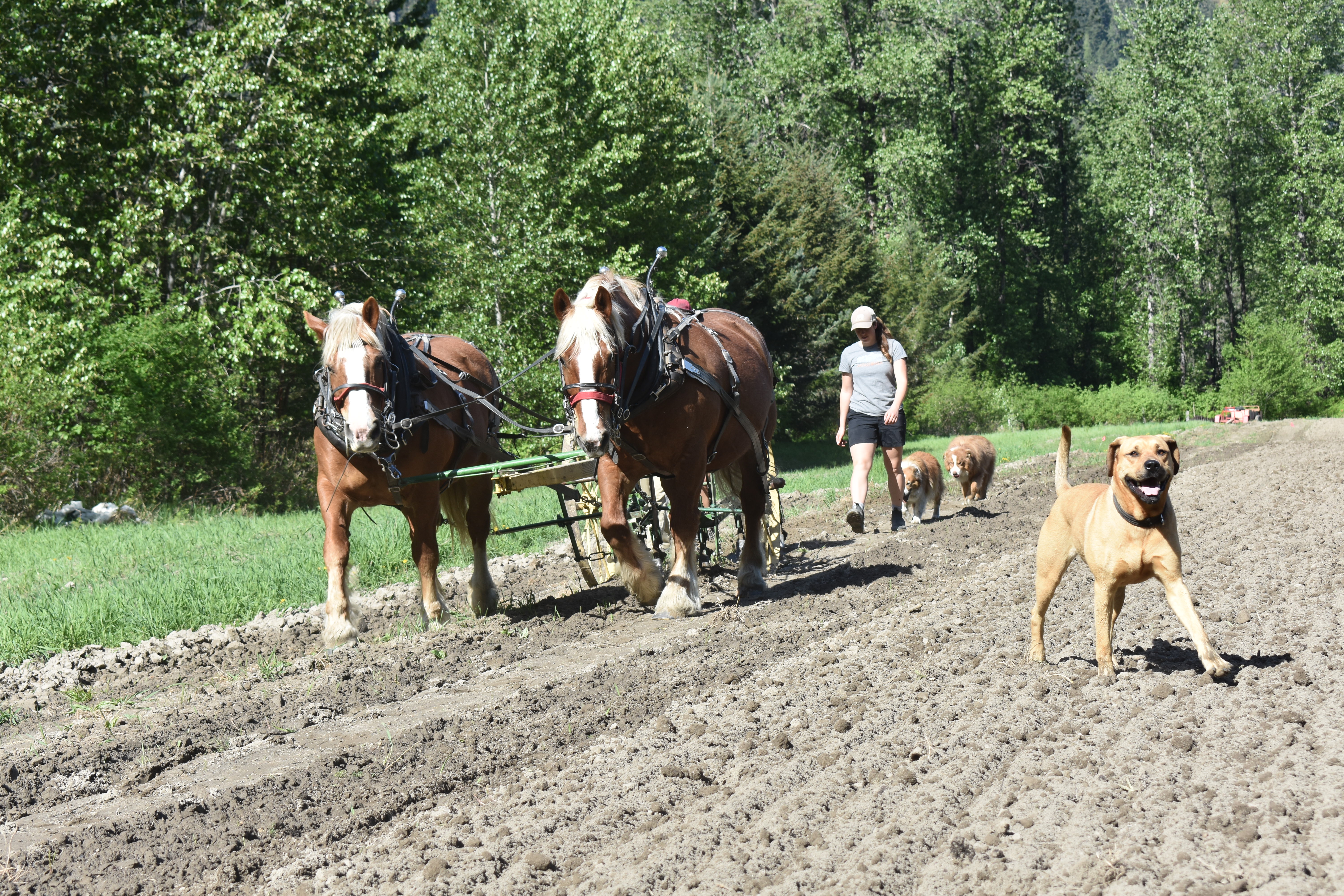
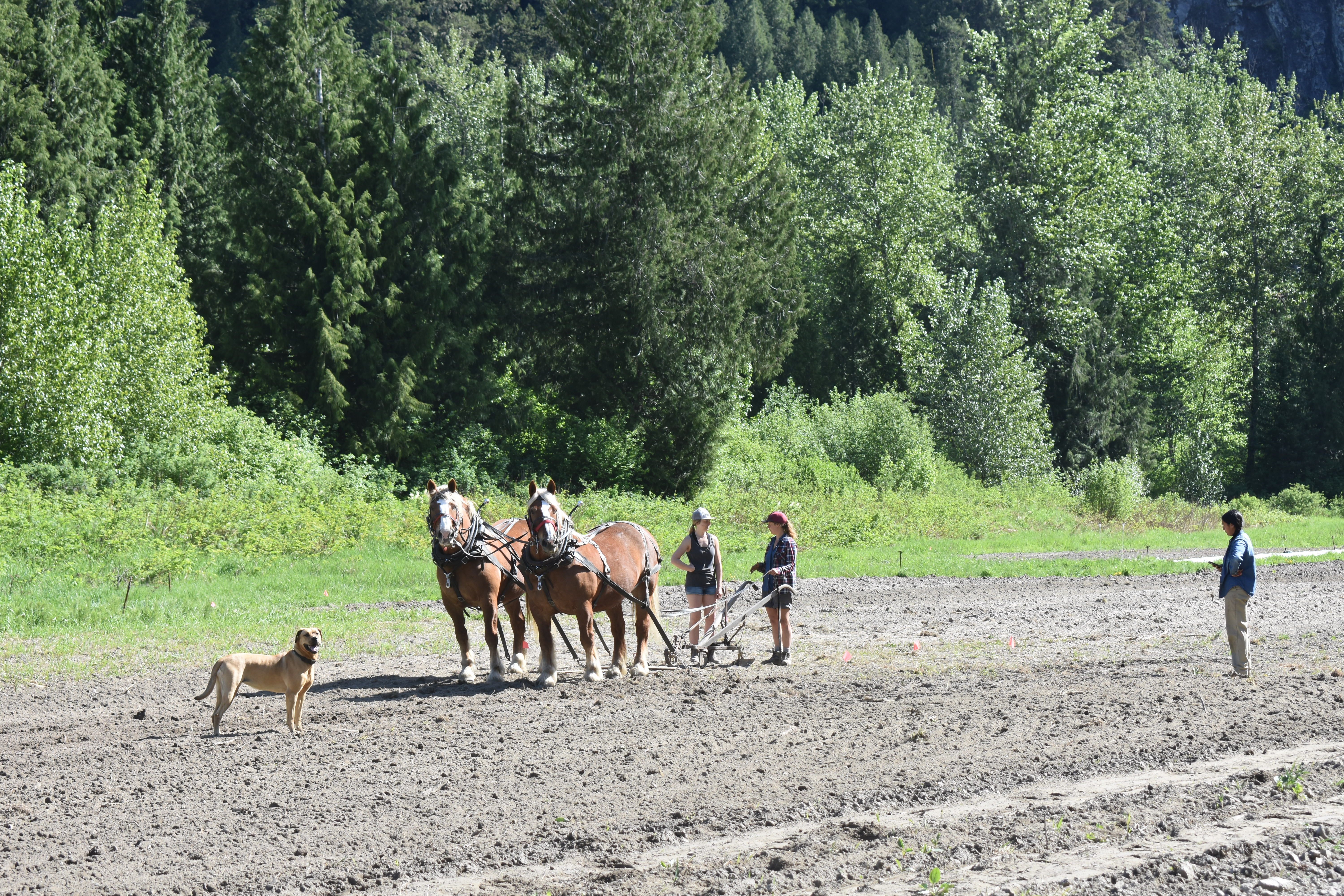
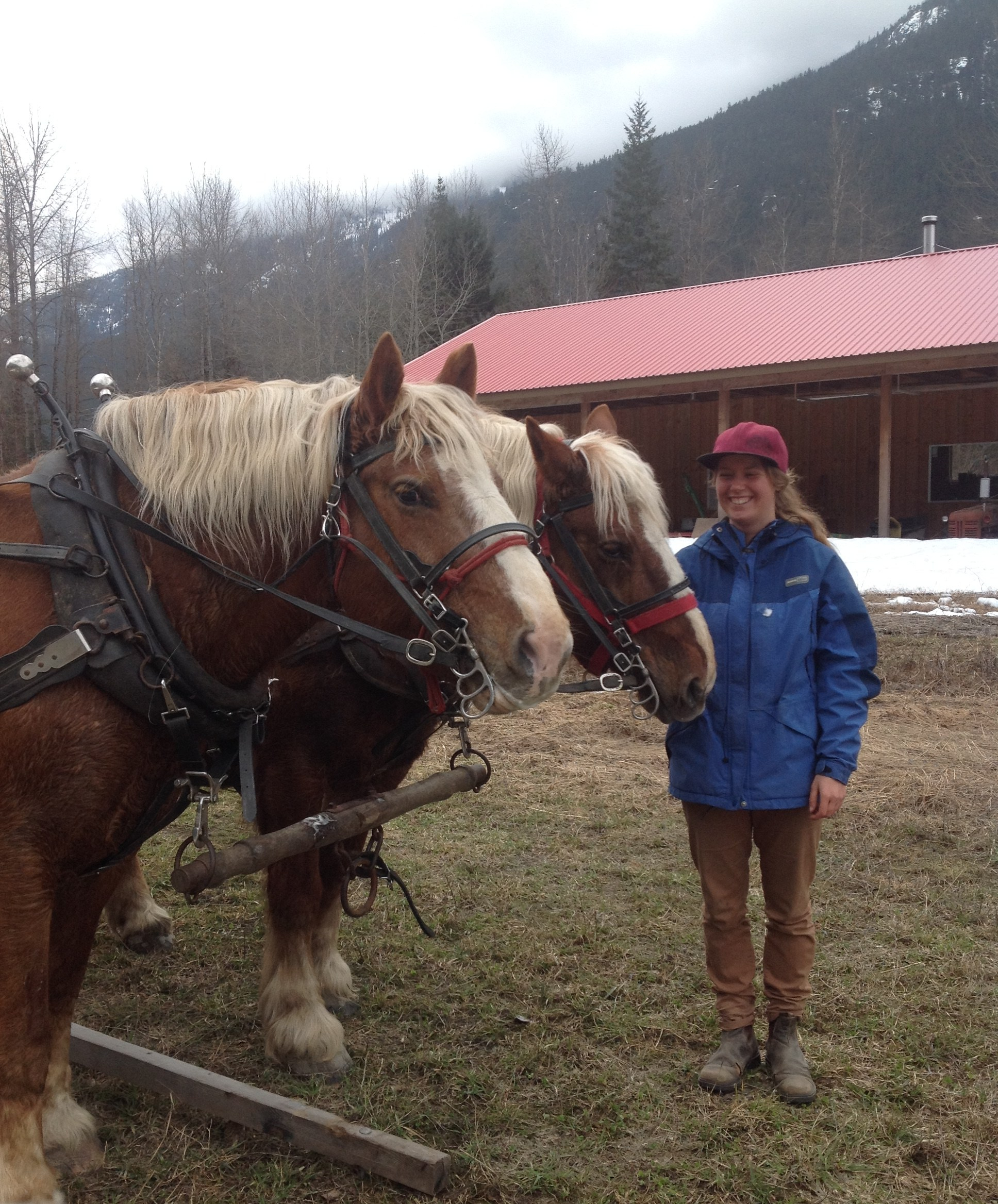
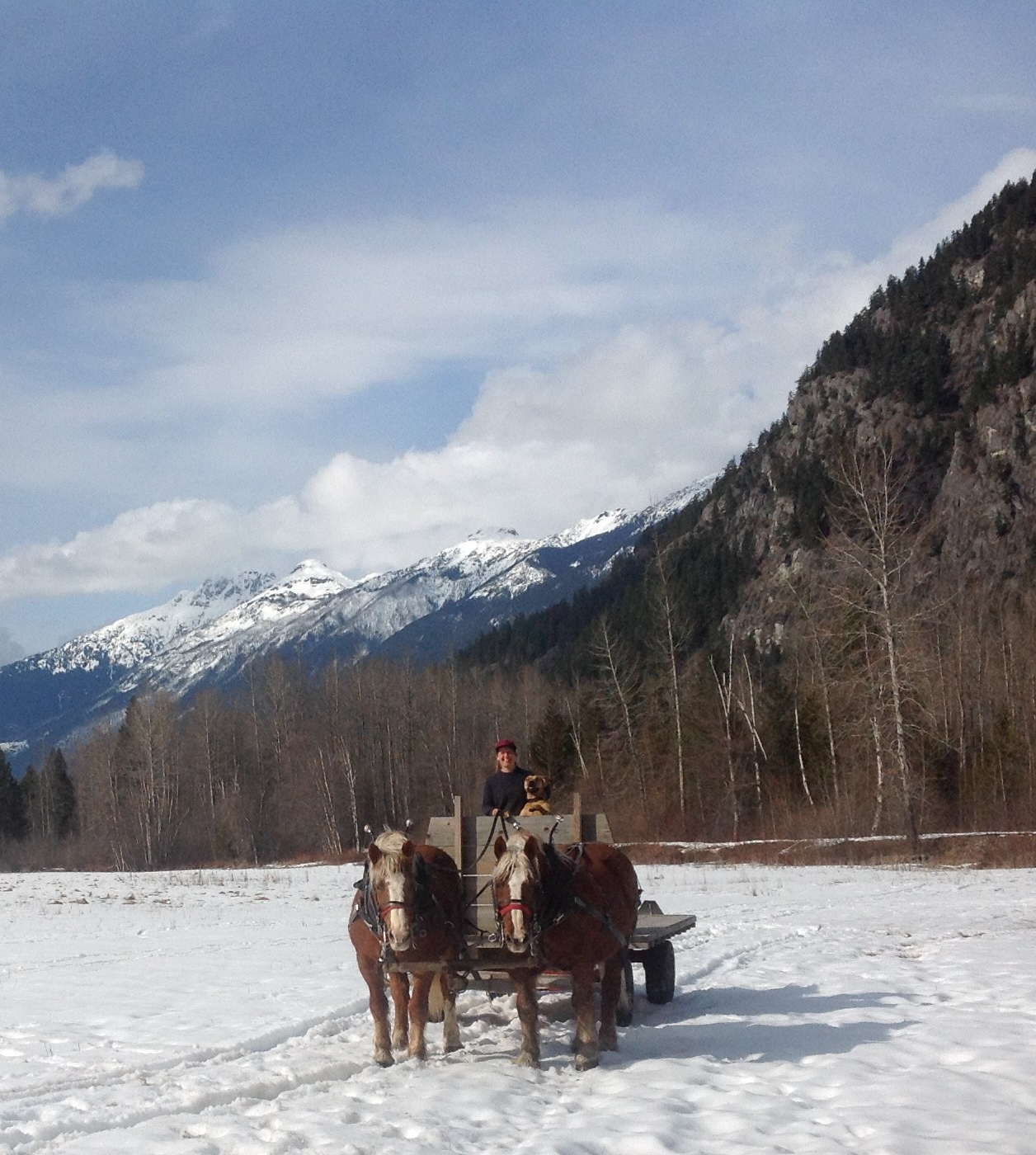
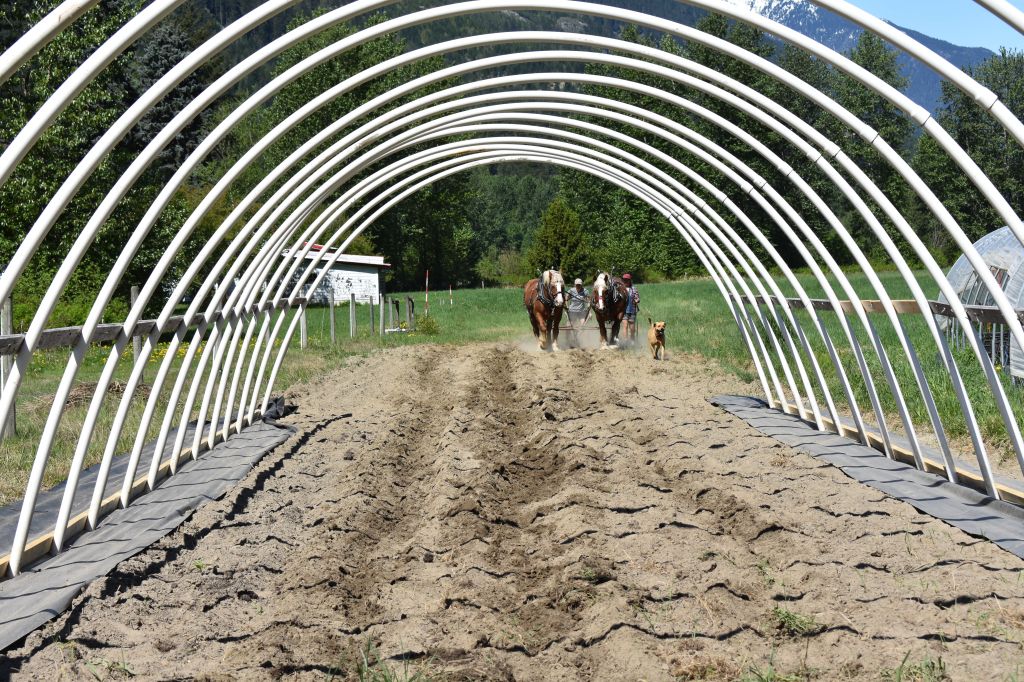
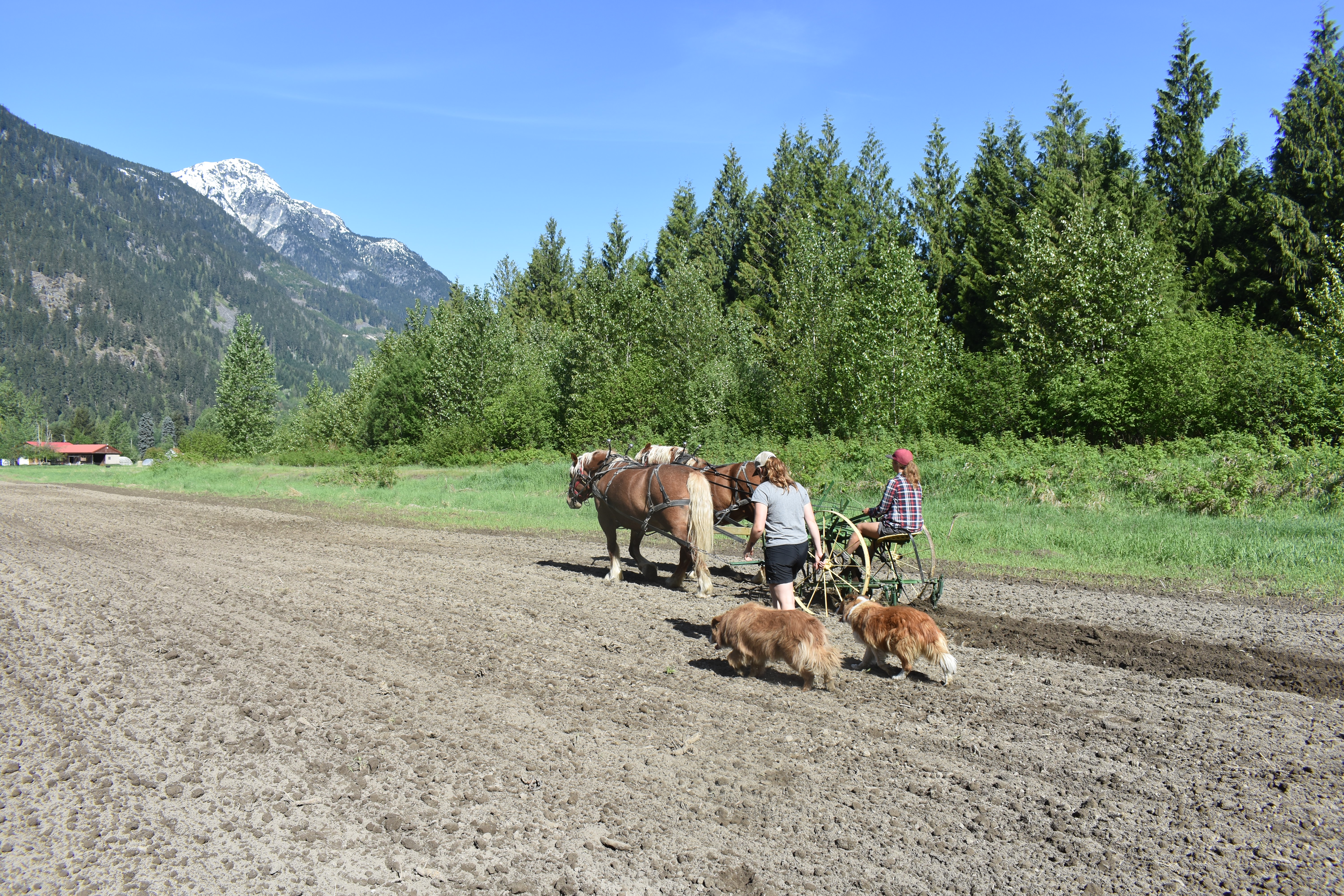
    Even though there does not seem to be much time to go for a hike at the moment, there is fun to be had in the field, such as on this Saturday morning with some canine, equine, and human friends testing out a few new (to us) ways of cultivating in the vegetable field.

    DSC_0351DSC_0355DSC_0439DSC_0381DSC_0454DSC_0462

  • Dad’s Cabin

    Dad’s Cabin

    IMG_3065.JPG

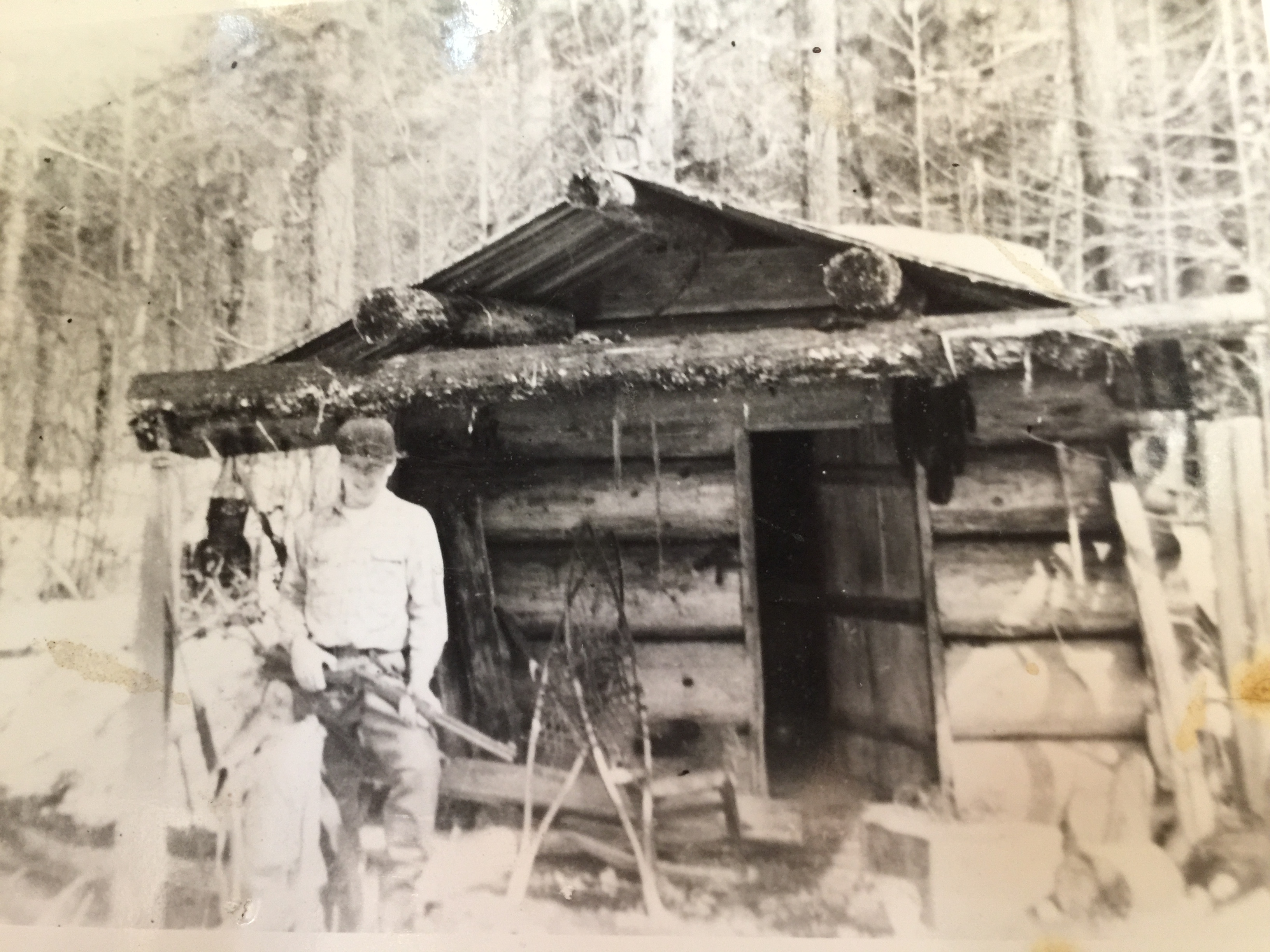
    Boy, oh boy, Dad was mad that night. He arrived home in the dark as per his MO. He was back early from his trip because a Grizzly had damaged his trapper’s cabin.

    He spent a week down in the basement building a snare and talked about what the hide would fetch at the fur auction. It seems it was the insult as much as the damage done and it seemed personal. The Grizzly had come in through the roof, destroyed everything, and, without consideration of the time it would take to fix the place, left through the window.

    Dad took some consolation in the one can of beans that the Grizzly missed in his rage/romp. We have an old cooking pot on the wall of the shop with teeth holes in it that dad brought home to show us the power of his new pal on the trapline.

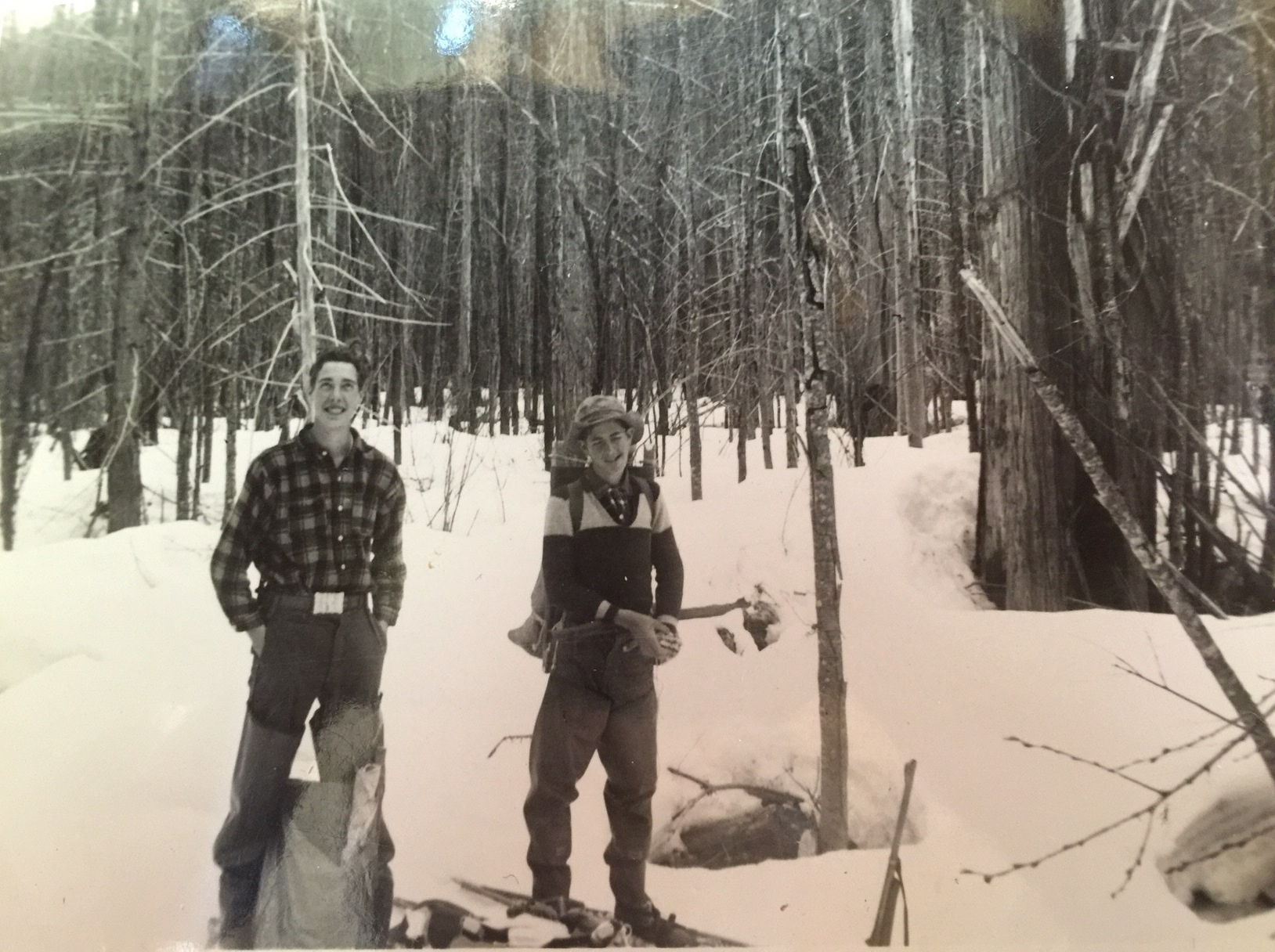
    My dad had a trapline from North Creek to Meager Creek. I think he started it around 1949, when he came back from the war. Trapping was a pretty common way to make money back in those days in Pemberton, and farming was real tough. He would walk in on snowshoes for 17 miles, spend about a month trapping and skinning, then walk out with the pelts. Once the pelts were safe at home, he would head out and do it again. Usually one of his nephews would meet him on the trail and help pack out. One nephew was eager to show his strength but after dad split the load in half, couldn’t carry the weight. My dad was pretty strong.

    Most of my trips to Dad’s Cabin were as a teenager on spring fishing trips.We would walk the crust and fish for Dollies. One time I took two of my nephews fishing up there and had to crawl a mile out because the snow had weakened the crust and I crashed through every step. They were light enough to scoot along on top and found it pretty amusing.

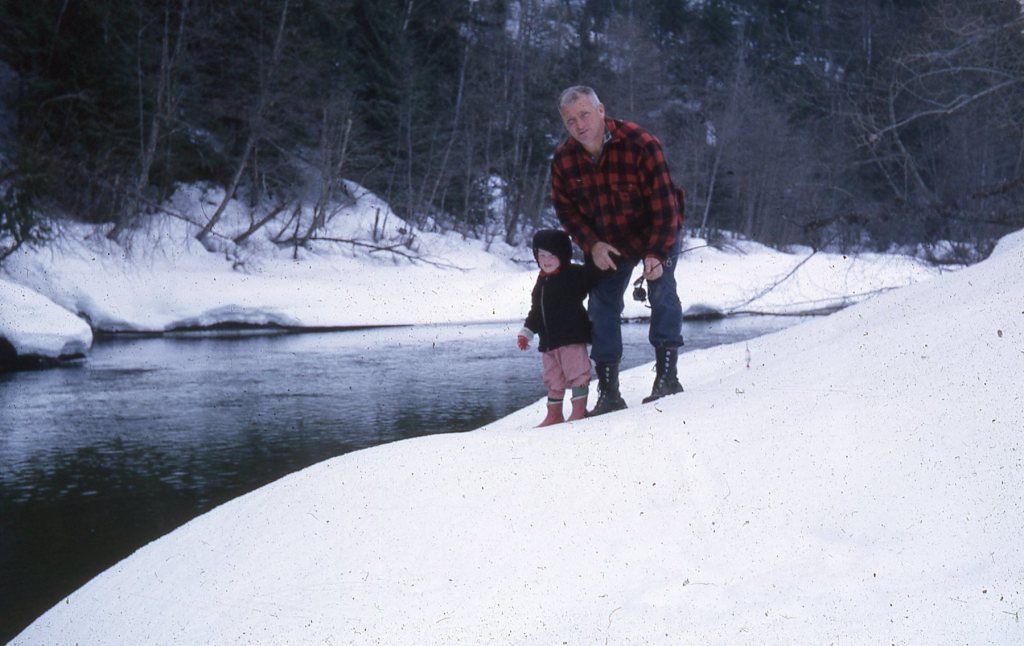
    He used to piggy-back me on all the slippery river crossings. When I was about sixteen or so, I shakily carried him across, and was pretty proud of myself. We weren’t real huggers, our family, so it was wrestling and river crossings, and it was wonderful.IMG_3066

  • Blank Canvas

    Blank Canvas

    The summer I turned 11, my family packed our camper and set off on a massive adventure that lasted over a month. The leg of our trip that resonated the most with me was the coast of BC. There was something about the mountains and ocean that spoke to me – it made me feel free. I vowed right then that I would return to live in this place.

    Life on the west coast became a reality when my art skills got me into the University of Victoria. However, I quickly discovered I was not like my classmates and had zero desire to become any entity that encompassed being an artist. I lasted 2 years before I bought a car, learned to drive standard in a mall parking lot and set forth for Whistler because it seemed like a cool place to go and get lost.

    Fast forward to my years in landscape construction and maintenance where I learned design and plant knowledge and in time I was let loose to create spaces for clients. These playful experiences naturally paired well with my understanding colour and sense of flow. Eventually I realized that I was still creating; it was just a different type of medium.

    Now I spend countless hours every year drafting my garden plans for the following season. Notes on notes on notes as to what was great, what was horrible, where to plant what, what not to plant, what I want more of. Lots of mindless staring out the window at my plot fantasizing its potential; then scavenging bits of wood and rocks to add into the landscape. And, like clockwork when it comes to planting time, the plans that have come to fruition are loosely used and I stuff seeds and starters in the beds as I see fit.

    Maybe it’s the old artist in me coming out to play and wanting to just be free to experiment with what feels good at the last minute. This is an integral part of the learning process in gardening and I highly encourage it. Sure we can read books and learn what we should or shouldn’t do but at the end of the day if we are satisfied with the results then, who gives a shit.

    Feel it out. Plant what makes sense. Plant what you love. Look at your space and see it as a blank canvas in which to create your sanctuary. It can be whatever you want it to be. Let it evolve. You can always return to your canvas and paint over something you don’t love.

    Eighteen year later since arriving home in the Sea to Sky I have finally accepted that I’m a gardener and a landscaper: an artist after all.

    IMG_0114

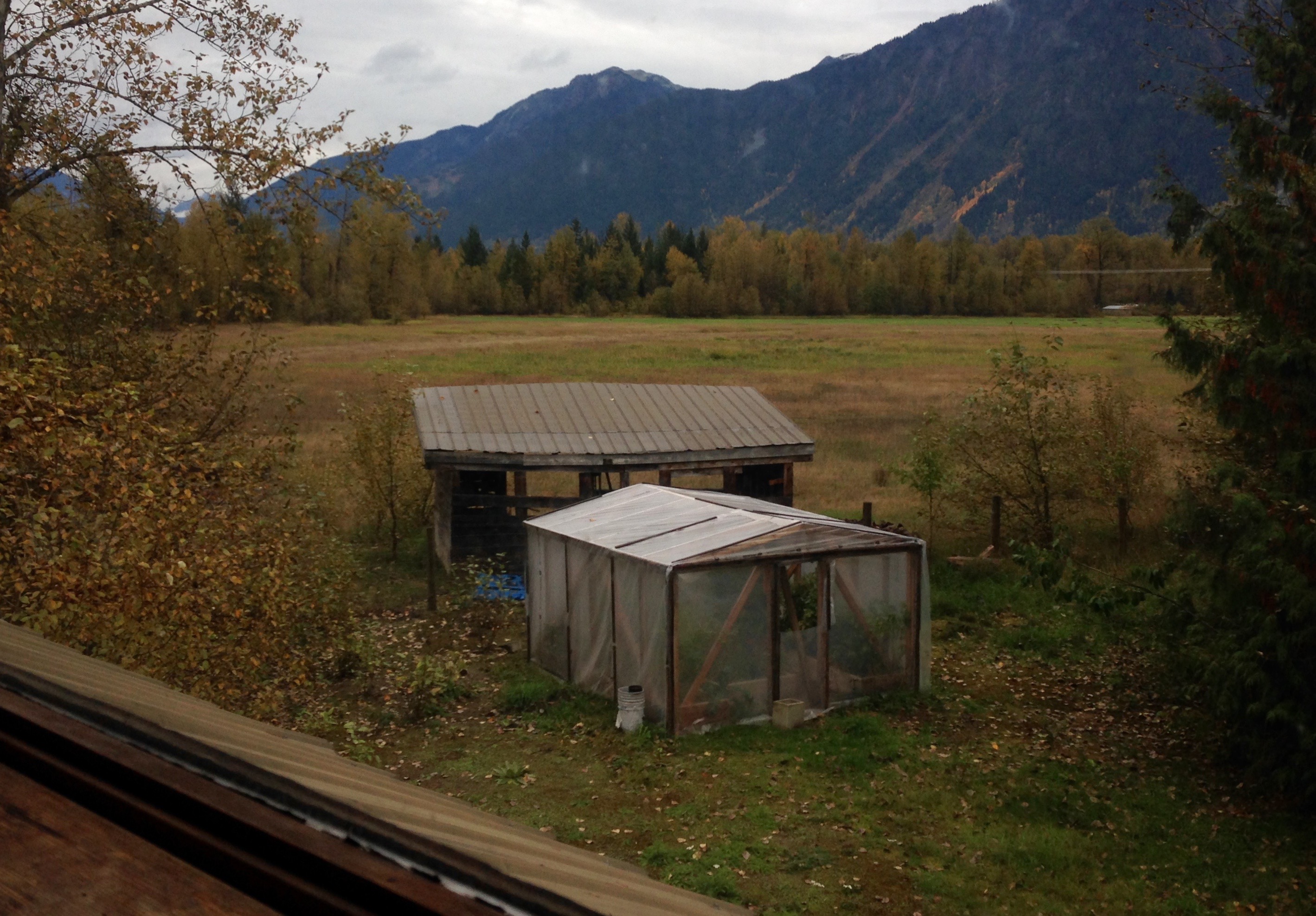
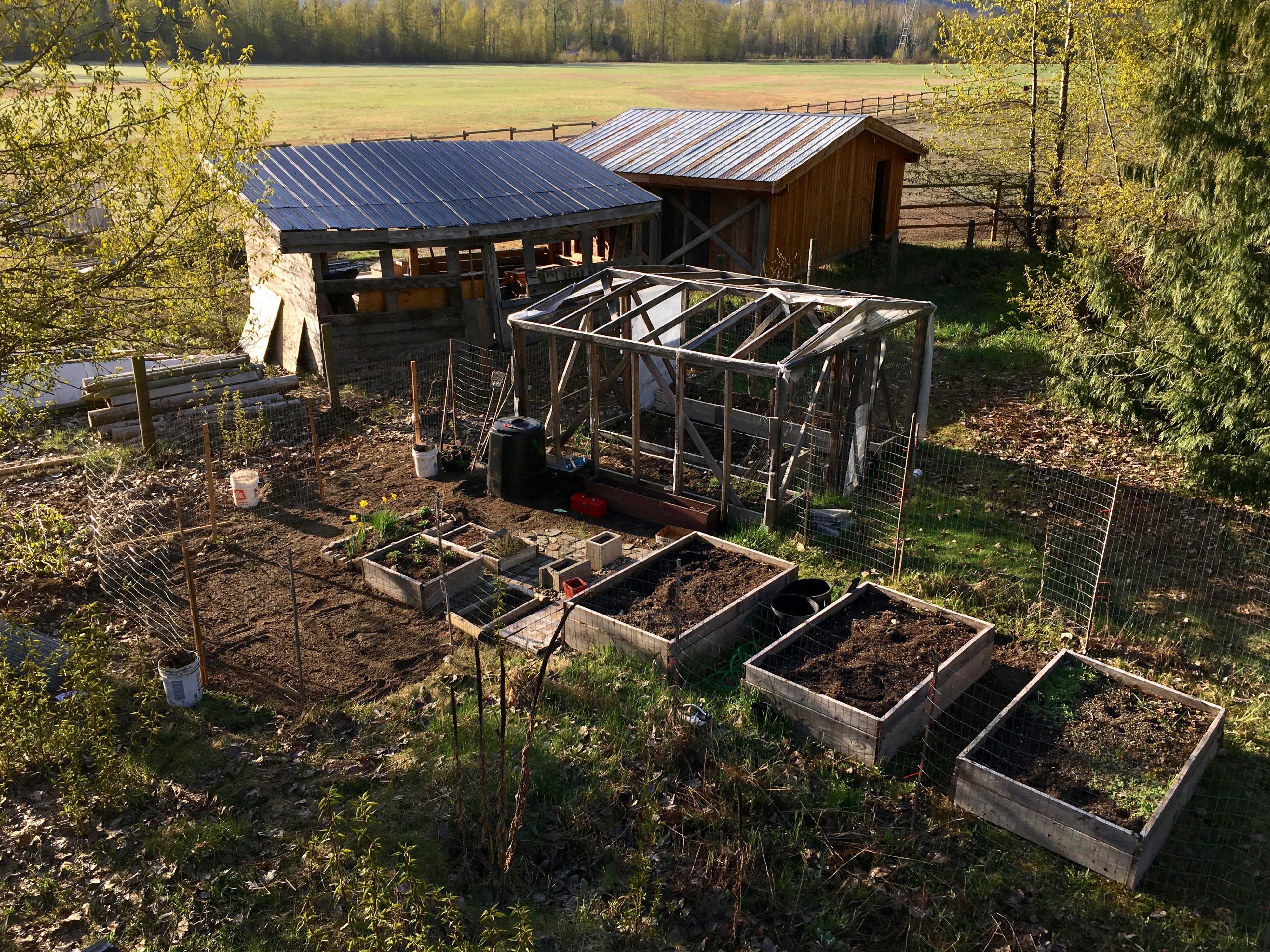
    Photo notes – The main photo (above) was taken out the window when I moved into our current residence from where I sit every day drinking coffee. The picture below was taken this morning and I can guarantee in a month it will look even different. Stay tuned! IMG_3346

  • First Steps

    First Steps

    Calving time on the farm is almost over. It starts in late January and finishes up around now. We have a small herd and have six new additions to the group. All born healthy and with no problems.

    I was lucky to be there when this little one was born on a beautiful sunny day. I ran to get my camera and recorded her first steps.


    Mama is licking her clean to dry her off. This is an important first step for Mama as it helps to imprint her calf to her. Within a few hours this little one will be trying to run and play with the other babes.


    Feature photo courtesy Connie Sobchak. via TheWellnessAlmanac.com

  • Smells of spring, sweat, and soil

    Smells of spring, sweat, and soil

    It would not be an exaggeration to say that I love all the seasons. Apologies if anyone finds this level of optimism off-putting, I have been told it can be a bit much. I think farming demands it: to anticipate each season’s arrival, to enjoy the process, and to be thrilled to see one go in order to welcome what comes next.

    Spring is all about smells. After a winter of snow and soup and spreadsheets about farm planning and field layouts and budgets, it is so nice to smell dirt. Or “soil”, depending who you ask. I did not grow up on a farm and only started to dabble in it as a profession within the past decade, so the novelty of spring has not yet worn off. I hope that it never does.

    This will be the third growing season of Four Beat Farm here in the meadows, and I would be lying if I said that I felt ready for it. But that’s the great part about farming and growing food—often the best option (the only option?) is to jump in before you are ready, because nature does not wait, and if you procrastinate too long to till or plant or weed or water or harvest then it may be another 365+ days before you can realistically try your hand at growing that particular crop again.

    Right now, spring smells like freshly turned earth, compost, and sweaty horses who, along with their farmer, had a pretty quiet winter. Call it lazy, call it restful, either way the sudden workload of April can be a shock to the system. Thank goodness for variety. For every hour that is spent moving fresh manure into the greenhouse to keep it heated on cold nights, there are taxes to finish, cultivators that still haven’t been repaired, onion seedlings that need haircuts, and horses that appreciate an afternoon head scratch as their muscles rest after morning fieldwork.

    IMG_2890

    When it comes to fieldwork, plowing with horses is slower than with a tractor, no arguments there. Our ever-improving farming systems for 3ish acres of certified organic vegetable seem to be functioning adequately throughout the summer season with the two horses at hand, often called a “team”. When people want to talk about it (or even when they don’t), I can and do enthusiastically chatter on that there are many jobs on the farm that horses do on par or better than I have seen done with a tractor. This is without even getting into the added benefits of having two 1600lb colleagues who eat local fuel, constantly produce compost, and bring a level of determination and sass to the field that I have yet to see in a combustion engine.

    IMG_2857

    For this year’s planned spring tillage, however, which will allow for better crop rotation and attention to soil health, our current two horses are fully employed and could easily share the workload with two more given our short and intense growing season here in the valley. So, as in past years, we as a farm leave the option open to phone one of our many generous neighbours to bring in some extra horsepower for big jobs.

    On a practical level, getting a few hours of custom tractor work here and there feels more efficient than feeding and caring two extra animals who are only going to work for a few weeks out of the year. I drawn parallels with fellow small farmers who might choose to rent heavy machinery for excavation projects, or how it can make sense to have a small car for your family and borrow a neighbour’s pickup truck when you need to bring home a few loads of compost to kick off the gardening season.

    When weighing the options, I have to remind myself that we are a young farm that is in the business of growing food for our community, and that there are many ways to best do this. That said, if someone in the valley has a well-trained team of draft horses I can borrow to spell mine for a few days when their shoulders get sore, feel free to drive up the valley and drop by.

    Our place is the one with plow lines that are not entirely straight, horses that still have their winter coats, and a hoophouse bursting with onion plants that are already dreaming of farmer’s markets at the community barn downtown.

    -Naomi

    IMG_2788
    Getting in shape, late March


  • A day off work is never really a day off

    A day off work is never really a day off

    Today is a Pro-D Day, which means no school for the kids, no work for me. I fell asleep last night excited about sleeping-in (I don’t want to brag but I am an excellent sleeper),  the kids were equally excited to sleep-in (I may have passed my excellent sleeping skills on to my daughter).  Of course, you all know what happens on sleep-in days.  I was awake bright and early.  The horses were galloping around and their thundering hooves was as good of an alarm as any.  They’re not small horses and the pasture is beside my bedroom, I could probably feel the pounding of their hooves before I heard it.  The sound of running horses is always a reason to leap out of bed and check that the gates were still closed.  Luckily they were only playing with each other!  Galloping, biting, rearing, kicking, striking, being magnificent and 100% contained in their pasture.  But I was now fully awake and ready to tackle a  few of my morning farm chores.

    the boys
    The boys: Banjo, Guinness and Taurus.

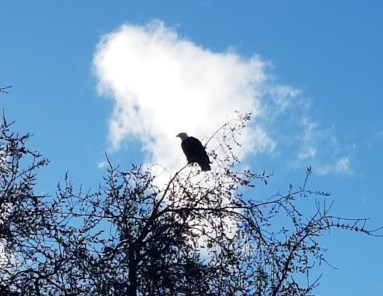
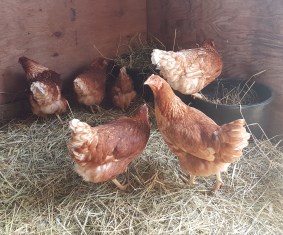
    I fed the boys their breakfast and headed over to my chicken “duplex”.  I had my flock separated, 15 on one side and 22 on the other side, until last night when my son and I moved the “chicks” (they’re now 7 weeks old and need more space) into the smaller side of the duplex.  I wanted to let the hens out into the run early now that there are so many hens on one side.  I opened the door to the coop as I looked up into the nearby Elm tree and there perched at the top is our new friend from yesterday, a massive Bald Eagle.

    bald eagle
    Winner, Winner, Chicken Dinner.

    Yes, he is magnificent.  Yes, he is majestic.  Yes, it is really, really cool that he is so close. Yes, I could watch him all day.  And yes, he wants to eat my chickens.  After a quick count of my flock, I am missing one of my beautiful new Bovans Brown pullets.  Usually I count them every night but I forgot to last night, fingers crossed that she missed curfew and found somewhere else to sleep but Mr. Eagle is suspect #1.

    Bovans.jpg
    My sweet Bovans Brown pullets.

    I spent about 15 minutes in the run with my chooks, talking to them and counting them, watching Mr. Eagle.  I managed to spook him out of the tree and watched him soar through the back field.

    I hope, for my flock (and my cat’s) sake, that he finds a river full of delicious fish and never comes back.

    I headed back into the house, emptied and reloaded the dishwasher and tuned off my 7:15 a.m. alarm.

    Time to put on a pot of coffee, it’s going to be a long day.

    Meg

    Once a farm girl, always a farm girl.

    Follow my farm adventures on Instagram @once_a_farm_girl


  • How spring taught the farmer that she was meant to be a farmer, before she realized it herself.

    How spring taught the farmer that she was meant to be a farmer, before she realized it herself.

    Like most non-farmers, I used to assume that nothing really happens on a farm during the winter.

    It took me around 5 years of working on one to realize that might not be true.

    In my case, during the early years of adult farming, I was able to slide back into my city life with no farm obligations once markets ended and the crop was sold out in October. Mom and dad were doing whatever needed to be done. Feeding chickens? Reading about farming? No idea. I was off the payroll. November, December and January were excellent months to live in the city and have an inside job.

    Spring in the city however, was depressing. It arrived early, starting with the first smell of dirt in February. While the farm itself was still safely covered in an un-farmable mixture of snow, mud and ice, each year my body felt the arrival of spring more strongly and it became more excruciating to have city obligations.

    In March, the cherry blossoms, crocuses and daffodils lined my bike commute and I would arrive very distracted indeed. April came with the awareness that potato planting time was just around the corner and my work quality slipped even further. I quit, probably mere moments before I was fired, earlier and earlier every year.

    I was unaware of the strength of spring. I wasn’t quite familiar enough with the process of farming to recognize how it was pulling my attention back to the farm.

    Today, I get it. In fact, this very day I get it. And I got it powerfully one month ago, on March 1st standing in the farm yard, surrounded by snow and mud, with the sun gaining the upper hand on the clouds, and its warmth on my cheeks that was strong enough to reach my bones.

    For that day, I felt spring, and with it, the inexorable pull to get to work.

    It’s still quite easily ignored, as the list of jobs that can reasonably be done given the muddy, snowy, rainy freezing and puddling conditions of March will be very short for weeks yet. Nonetheless, the process has begun, and I now get to enter the flow gradually. The key at this time of year is to do all the tasks available, as the snow recedes and the mud dries up. They are not many, but if they are not done, they will be added to an ever-growing list and before long, they will drop off the bottom of it. That’s exactly how we develop stress on a farm.
    17098688_10154786903366311_6466008105305997335_n

    I understand this now; I didn’t then. That doesn’t mean the compulsion to get to work wasn’t upon me. It was there alright, and it made me really cranky. While most people I knew in the city greeted spring with buoyant cheer, I became depressed, and couldn’t wait to get out.

    By year four, with the February sun streaming in through the office windows, I knew I was not going to make it much longer. At that time, I was pretending to be an Administrative Assistant in the head office of the big natural food store in town. I sat at the front desk fielding phone calls and health care plan administrative details. It wasn’t absolutely terrible: I got to organize all kinds of things and had worked on a few interesting projects for my boss- the friend who always had to almost fire me.

    Although still not able to articulate the effect of spring on my psyche, I was certainly no stranger to it by then, and I noted the arrival of spring with weary resignation. Instead of doing the work I was paid to be doing, I found myself planning another bike trip. By March I was well into it, in Australia, having a wonderful time. Bike touring noted as a very effective distraction.

    1011316_10152269056467565_209398247_n

    The city charade was abandoned in year 5. I still needed something to do in January, however, so I babysat my uncle’s cattle ranch while he took a holiday. There was certainly no issue with spring depression symptom triggering because it was minus 40 most of the time. I learned a thing or two about isolation up there.

    That February at the farm was glorious. Sunny every day, tiny little jobs to do here and there, and the freedom to move gently into the farming season. I still didn’t know very much about what I was doing, but at least I was doing something. And that’s half the battle.
  • Alpine Cattle Drives

    Alpine Cattle Drives

    I ended the cattle drive around 1995. I couldn’t keep it up. It was too much work. We had a growing farm and a growing family and we just couldn’t justify it any more and it made me sad.

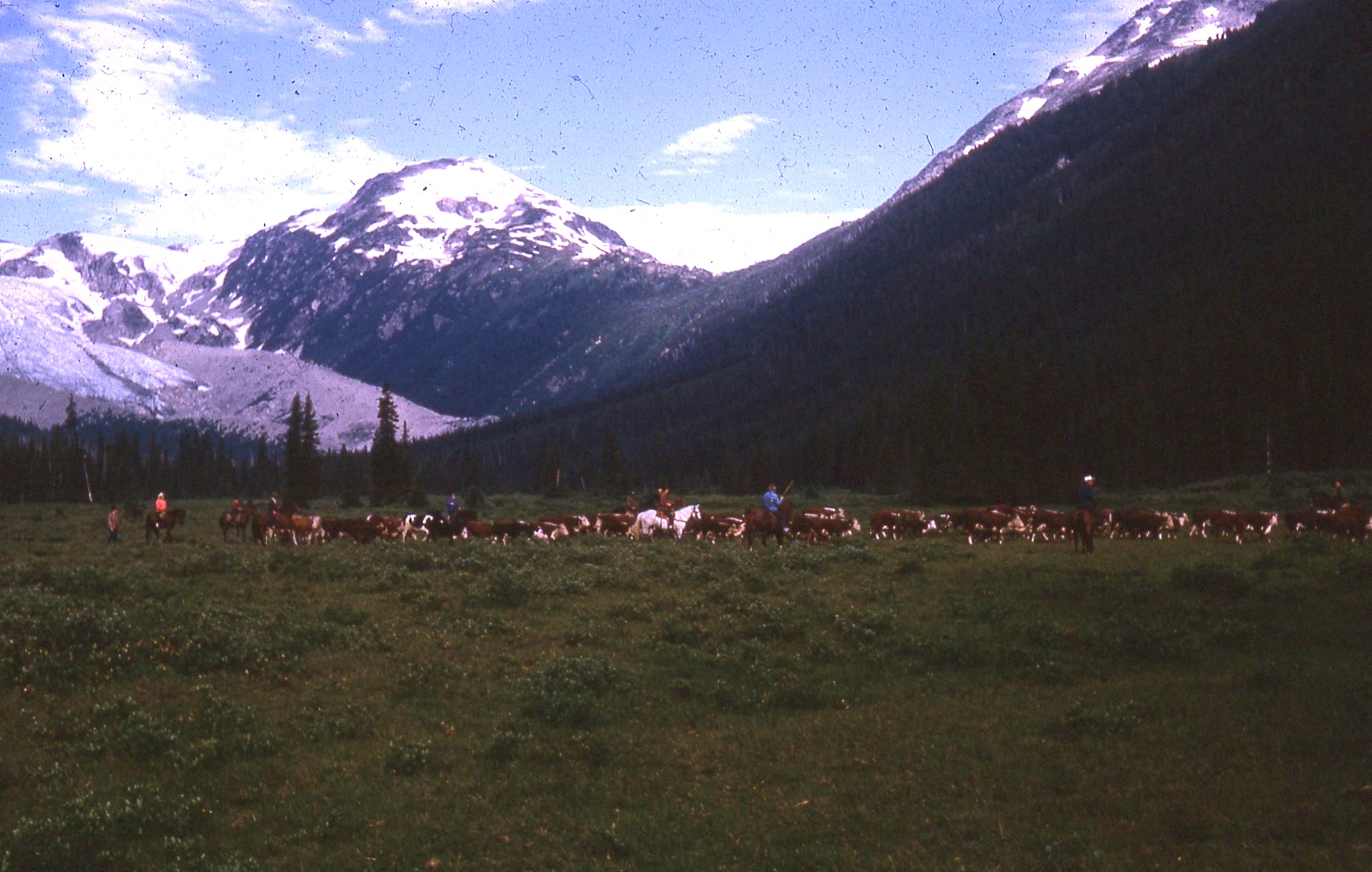
    When I was young, our every summer was spent driving our herd of cattle to alpine grazing at Goat Meadows (aka Miller Creek ). We thought it was normal for children to push big old bellowing cows up a mountain. We were little ruffians with rocks and sticks and running shoes. We darted and loped across the brushy hillside, cutting off escape, alway trying to make the cows think we were impassable.
    img029 Selma, Elsie & Bruce Tenquille.jpg

    Dad was alway there, in charge, and always at the back, patiently trying to instruct us on the instincts of cattle and how to use them to make this job easier for all.

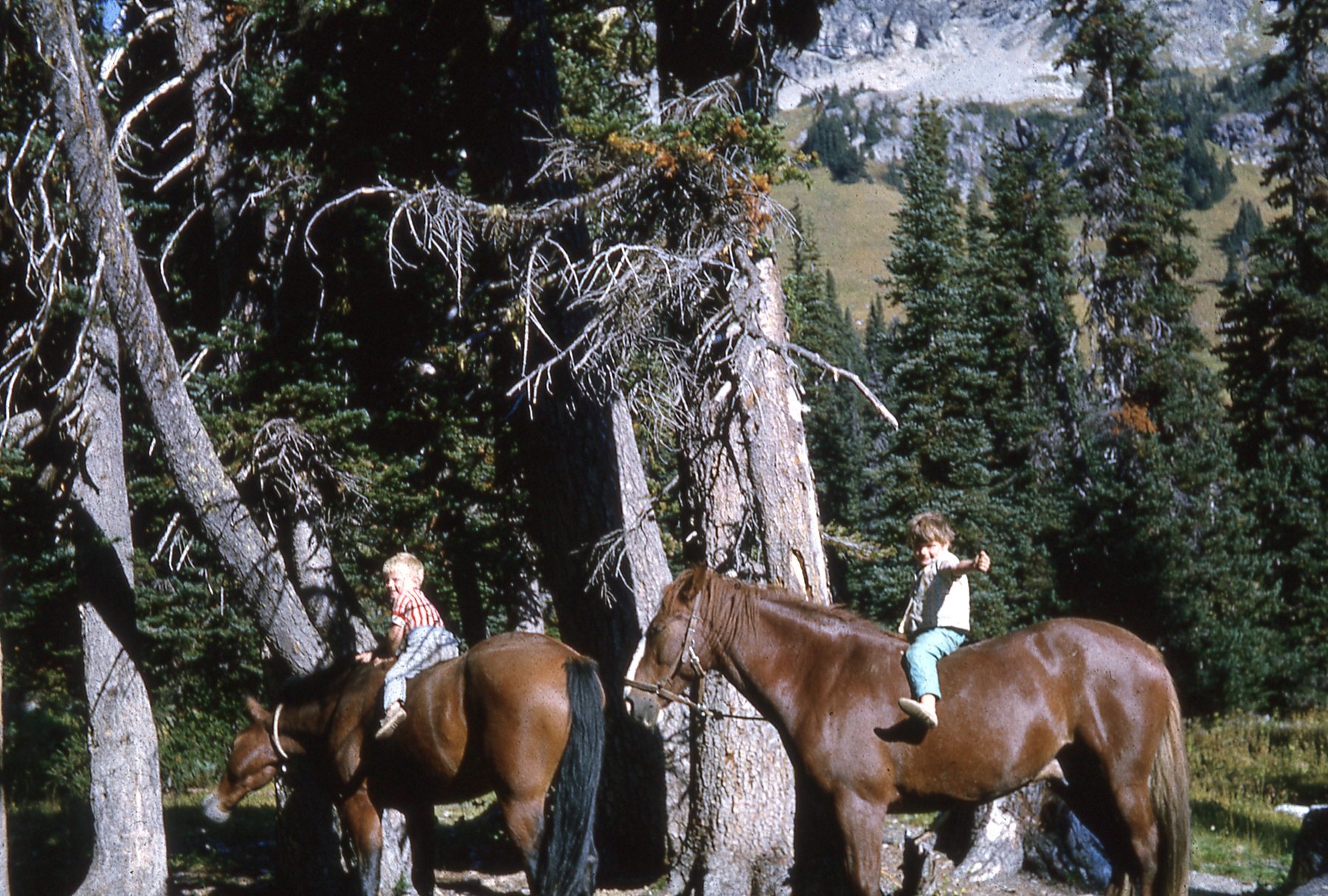
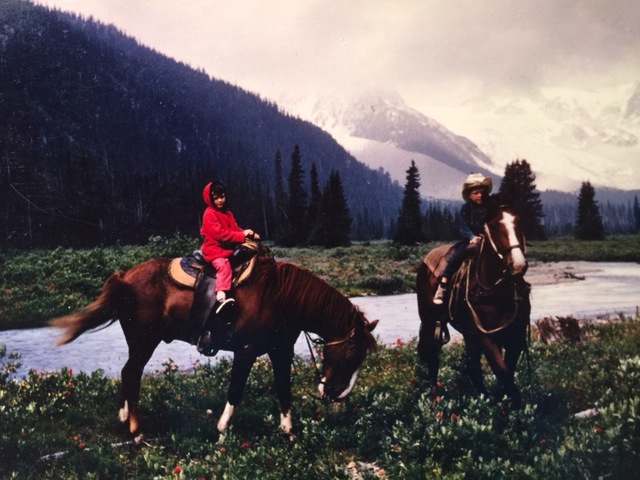
    When my sisters and I were small, we mastered sleeping on horseback double (although that may have been mostly me.) I remember how a horse’s shoe can turn the pitch black into daylight as they struggled in the dark on the steep rocky trail. We took a lot of these trips in the dark, after Dad’s work day on the farm was done. Our old workhorse type horses had no problem travelling in complete darkness.
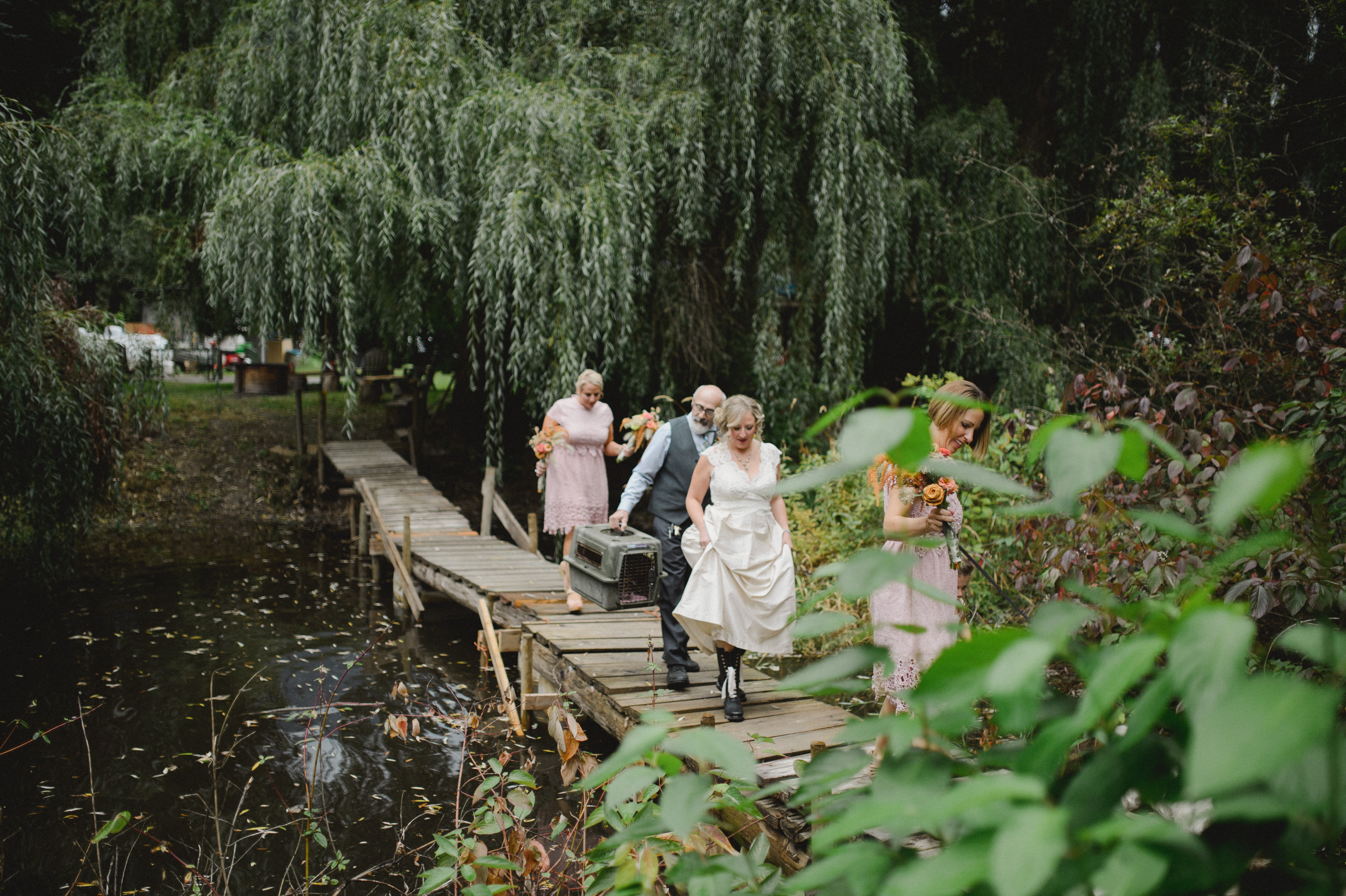
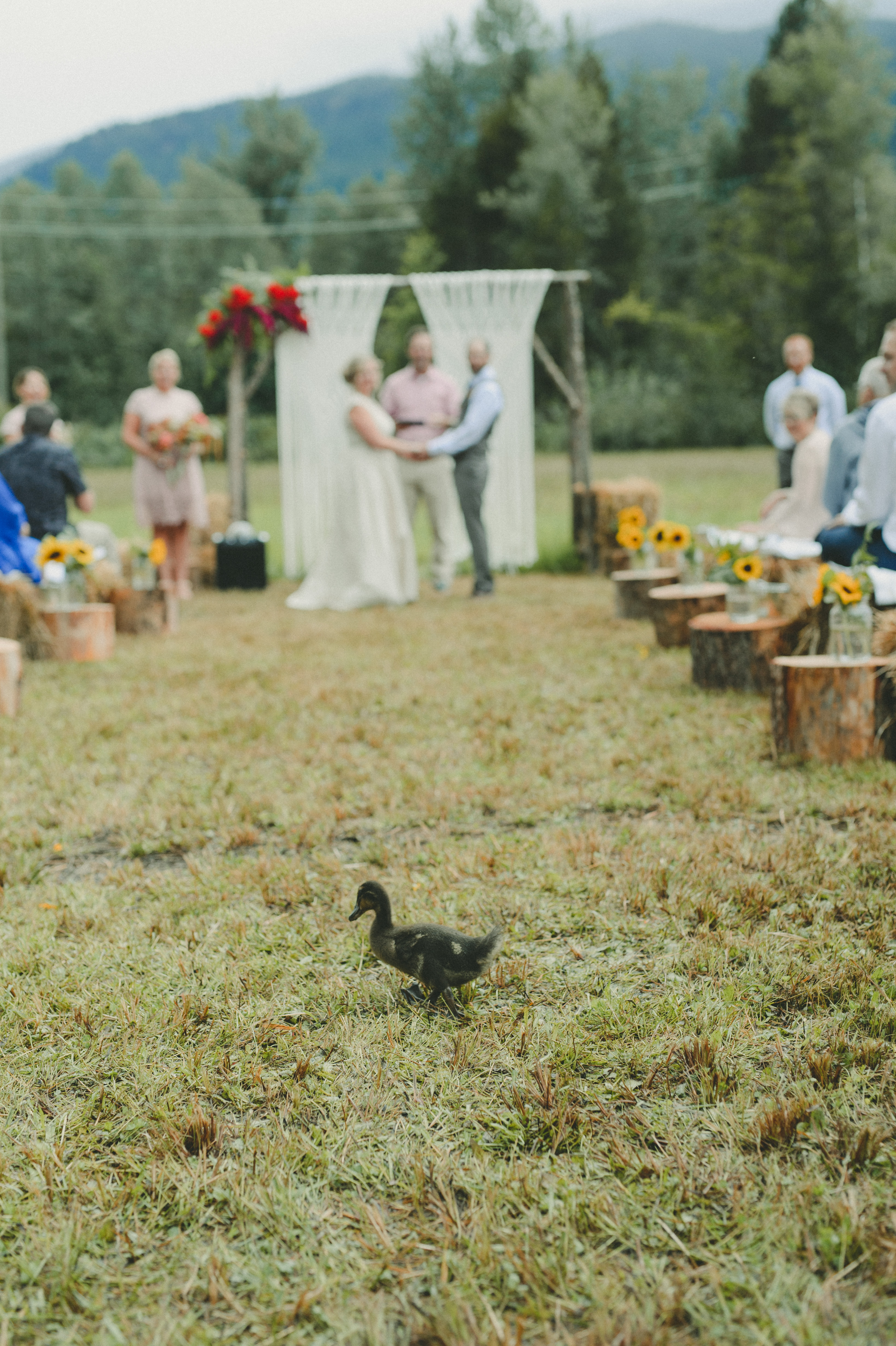
    Image 14.jpg

    The cattlemen had a cabin in the Second Meadows where we would  camp and cook and play while the adults did the hard work of cutting out trails or building bridges.

    img037 lunch at camp on GM.jpg

    Our destination was the Third Meadow  which overlooks the Pemberton Valley. Our cows knew the way and once their memories of last year in the meadows kicked in, it became a slow walk to paradise.

    img017 driving cows at meadows.jpg

    Coming into the Third Meadows was uplifting – the smell was  amazing of alpine flowers and grasses. The view opened up to grassy Meadows, and far below at the end of the Second Meadows was the massive Miller Glacier which roared constantly on the breeze  lifting from the Second Meadows.

    Image 15.jpgimg010 Morgan in Snow.jpg


  • Burn Your Plan

    Burn Your Plan

    A very long time ago, I passed a man on a couch at Burning Man Festival. It was so late it was almost morning, and the sun had just begun to paint the edges of the mountains with the faintest of light. The man struck up a conversation. And as I warmed my hands at the small fire he had lit at the edge of the road, he told me something that has come back to haunt me more times then I would like to admit.

    “You know” he said, hanging in the pause to build up the effect, “sometimes you have to plan your burn… and then burn your plan.” 

    In this rural, beautiful, messy, animal filled life- where some of the beautiful things you want to create never happen because you have to fix fences instead, and you show up at the grocery store wearing boots covered in muck no matter how hard you try to remember to change them- burning your plan is inevitable. And actually, I think it makes for more love filled creations most of the time. In being willing to let the universe lead the dance every now and then, we make space for magic to happen. And when we have magic, well then anything is possible. We do need a bit of a plan to start with, otherwise we would never get out of bed in the morning, a container and a direction in which to move. But then the more we can be open to running with what happens in the moment, the more our creations and actions can start to suddenly seem a little bigger than ourselves. And that’s always a good thing.

    I run a horse and nature based teaching business called Mountain Horse School. This past week I ran 4 days of March Break camp for an amazing little group of kids. I was so proud of the design for this camp: I had found the most amazing natural art activities, and had planned everything out as far as two weeks ahead. But then I found I was unable to source one crucial item for each creation. Then the weather was freezing and that changed the plans I had made too, and one of my horses was terribly grumpy, and so I pulled him halfway through camp and let him watch from the bleachers. Given the circumstances, we did the only thing we could: we improvised.

    20180319_131220.jpg
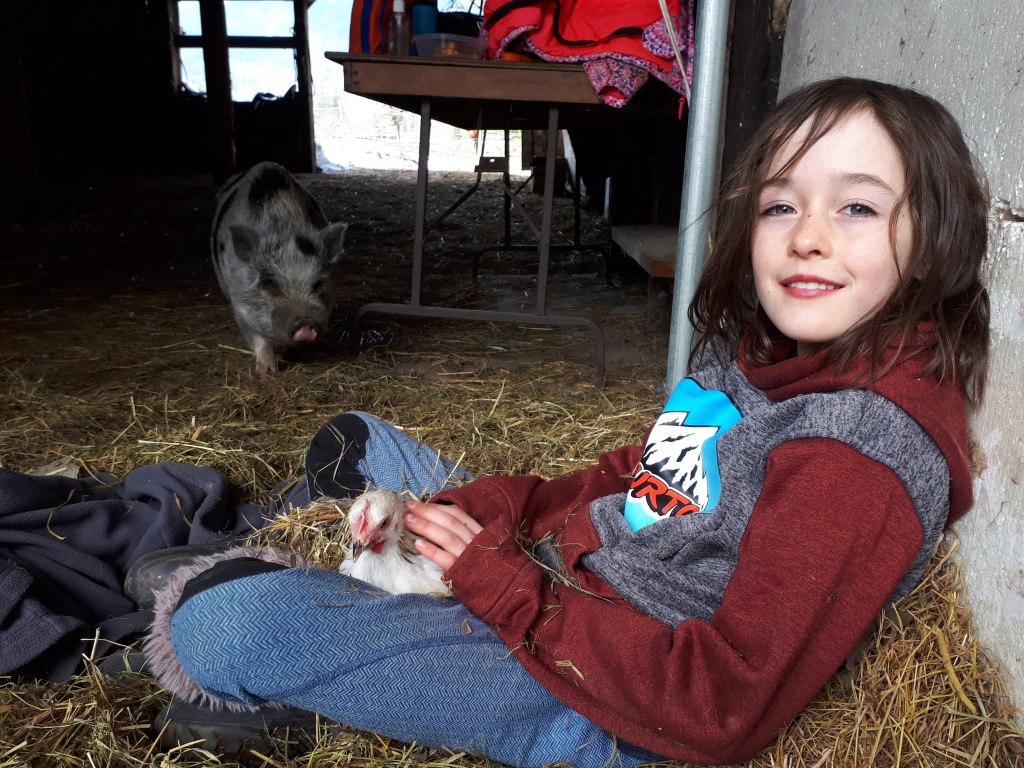
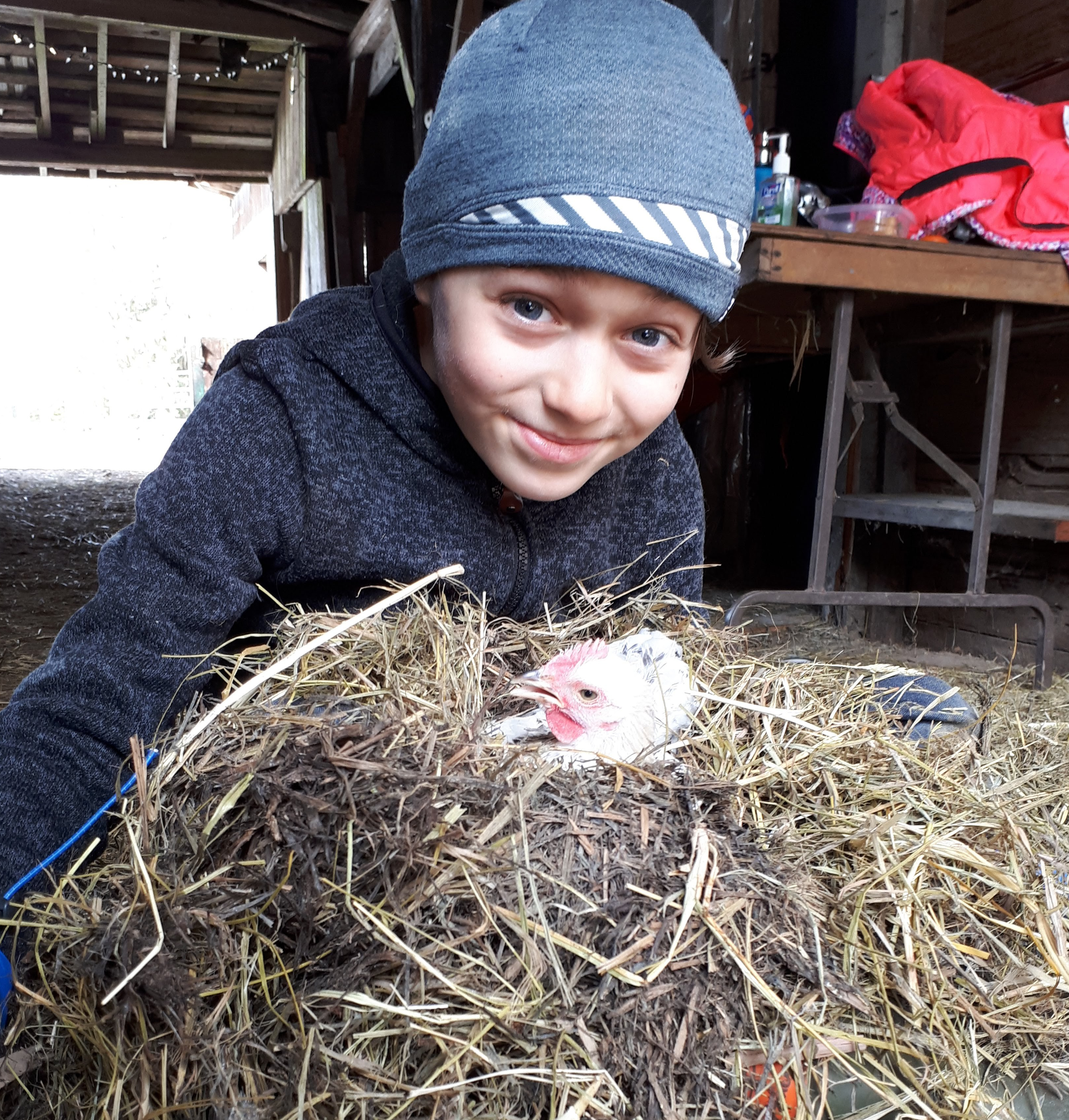
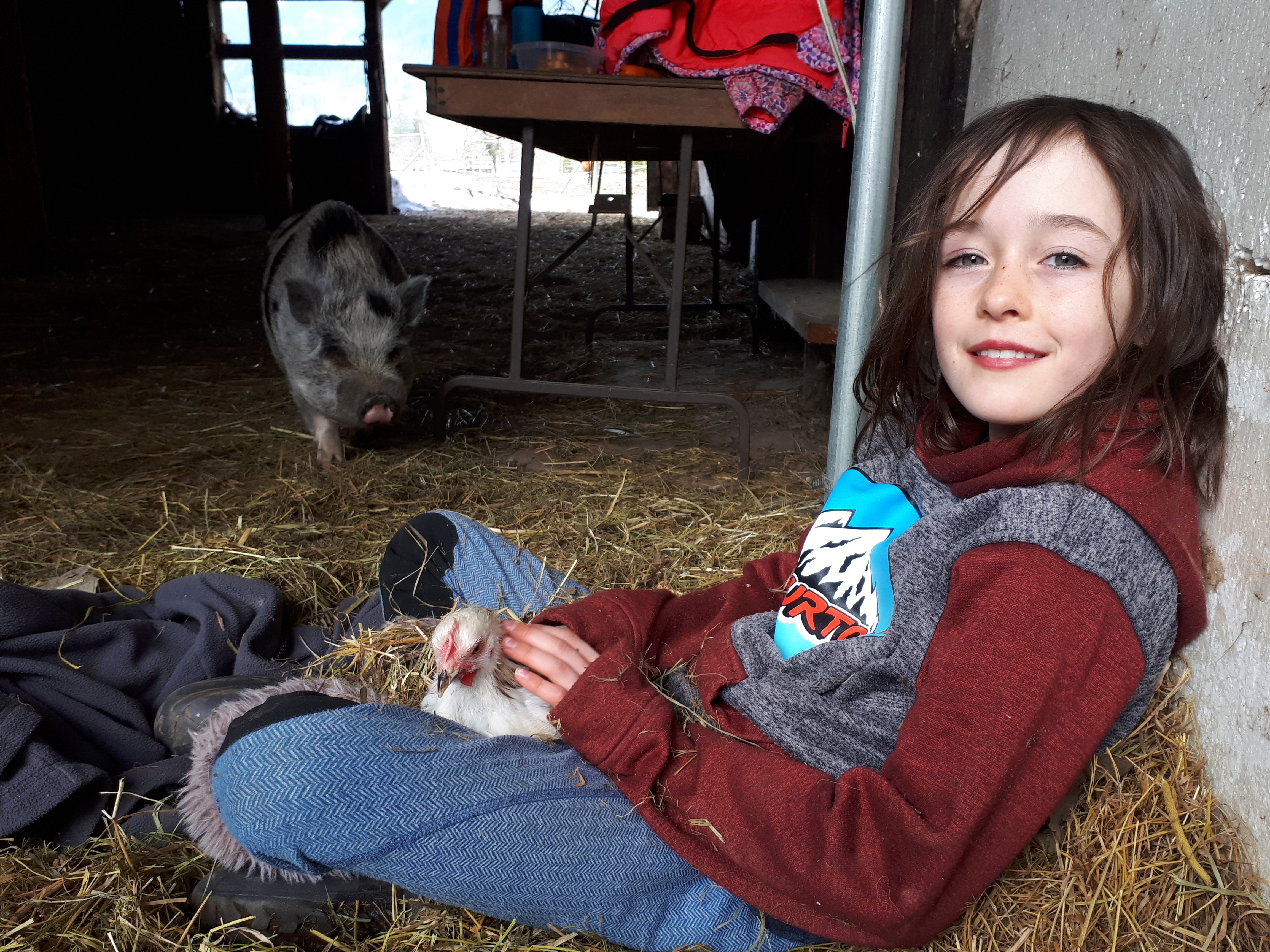
    When things got a little too frantic, we held chickens in our laps and waited until they felt safe enough to close their eyes…

    20180319_131303.jpg

    My newest mare Besa (who is not yet trained to ride and was NOT part of the plan for camp) kept insisting she be included. On the last day as we were getting ready to do horse painting she asked again. I looked at her big black head hanging over the gate, and weighed my options and risks. I was doing something more than that too: I was feeling towards her and towards the empty space between us, to see what might want to happen out of the moment. The look in the mare’s eyes was definitely an invitation.  Ok. I thought. The kids have enough horse sense that if something goes sideways, we will all be able to stay safe. We’ve been studying their behaviour and body language all week, and imagining our way into their thoughts. It might be neat to have them involved in the process of introducing Besa to something new. 

    20180322_140814.jpg
    Juliette introducing Besa to the colour fuchsia.

    Not only did Besa decide it was ok to be painted, she stood in a kind of trance, with a look on her face that I have only seen in horses who are very, very deeply concentrating on the work at hand. She didn’t even shiver her skin when the first wet blue brush touched her skin. And now, two days later, she has not rolled, and the colours shine brightly out from her white coat.


    If you are driving out in the meadows this week and see a black and white horse with a brightly coloured wing, apple, and heart on her side, you are not losing your mind. You are seeing my plan as it has gone up in flames, and the much more beautiful genuine  messy thing that has come in to take its place.


  • Patty B, Pemberton Wedding Duck

    Patty B, Pemberton Wedding Duck

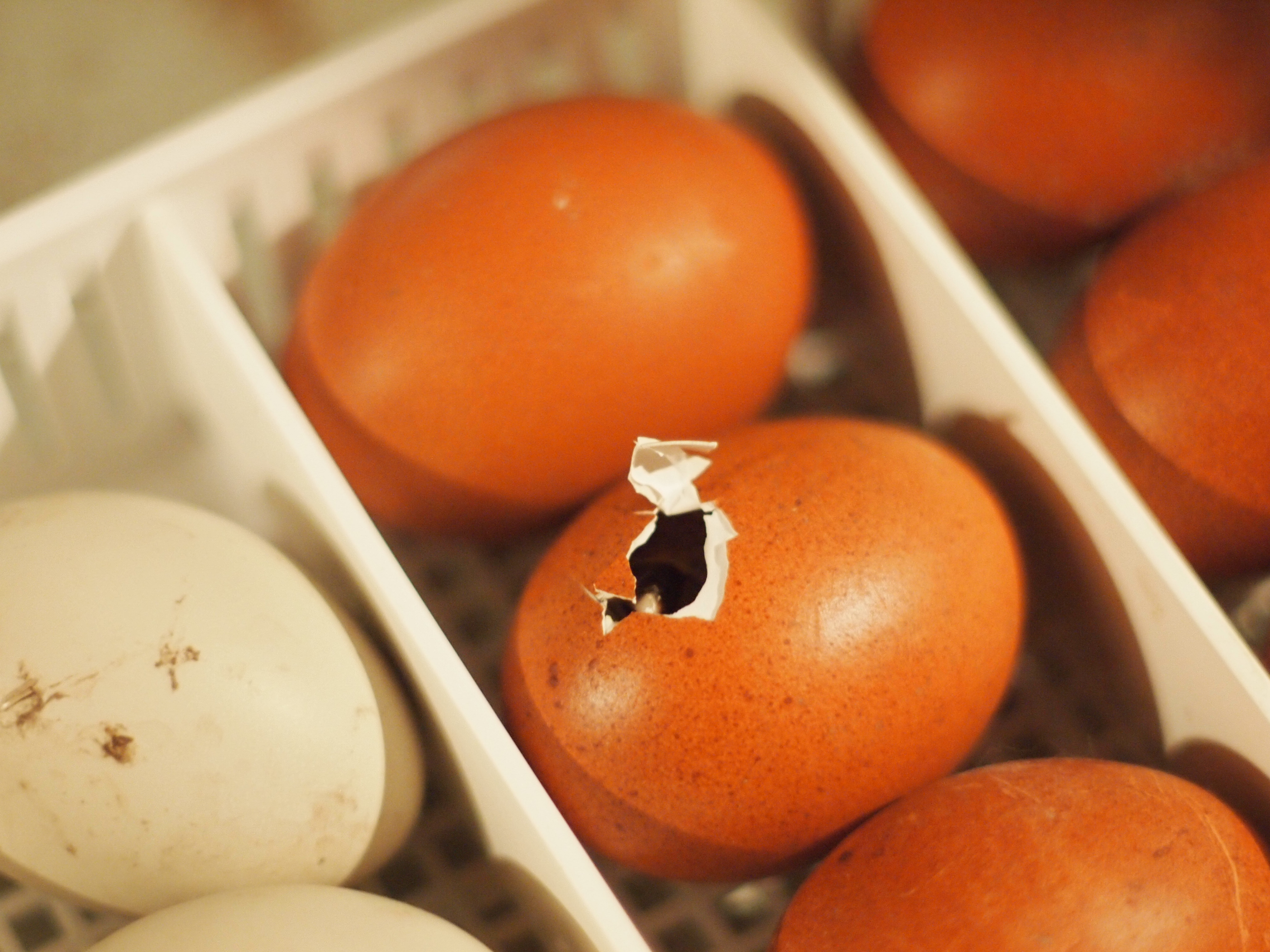
    The sounds of spring are in the air. Birdsong fills the yard, and the egg incubator hums in my living room. Every spring we carefully place colourful, fertilized chicken and duck eggs in the racks and wait patiently, until we can hear, with ears pressed to warm shell, the muffled rustles and faint peeps of tiny birds inside.

    OLYMPUS DIGITAL CAMERA

    The ducklings and chicks we hatch are egg layers – we generally won’t eat these birds, but sometimes a male duck will find its way into the oven. Our layers are almost like pets, and those with standout personalities or traits often get names.

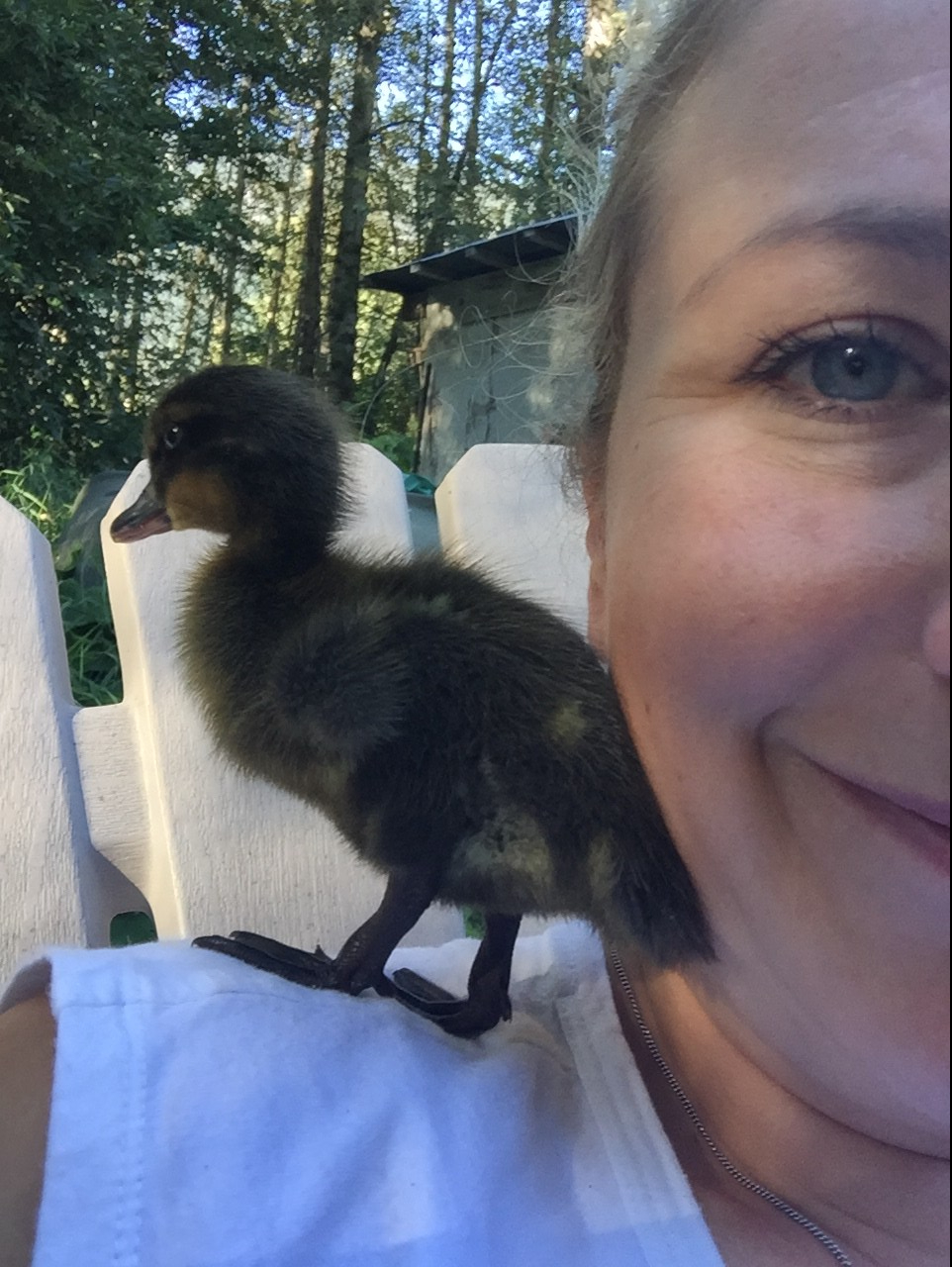
    Last year, about a month before our wedding in September, we decided to incubate some duck eggs out of the spring season to bolster our flock after a lot of losses to raccoon and bobcat. Only one duck ended up hatching out, and since the little guy was going to be alone in the brooder, I decided to take the tiny duckling under my wing. We started calling the duck Pat since we didn’t know if it was a boy or girl. Then we changed tactic and tweaked the name to Patty B to help sway the universe into giving us a lady egg layer instead of another randy male.

    IMG_3695 (002)

    We aren’t going to have kids, and you may laugh, but being a duck mom was super intense. I have no idea how mothers of actual, tiny humans do it!

    When she wasn’t with me, perched on my shoulder, Patty B was in a large pen outside the French doors of my home office. Every time I put Patty B back into the pen after a walk around the yard, her frantic cries would break my heart and inevitably I would be back out there for another visit. In retrospect those regular walks around the yard, with the slapslapslap of her tiny feet windmilling behind me and our chilly wades into the backyard slough so she could dip and dive through the muddy water probably saved me from a total “crash and burn” in the lead up to the wedding.

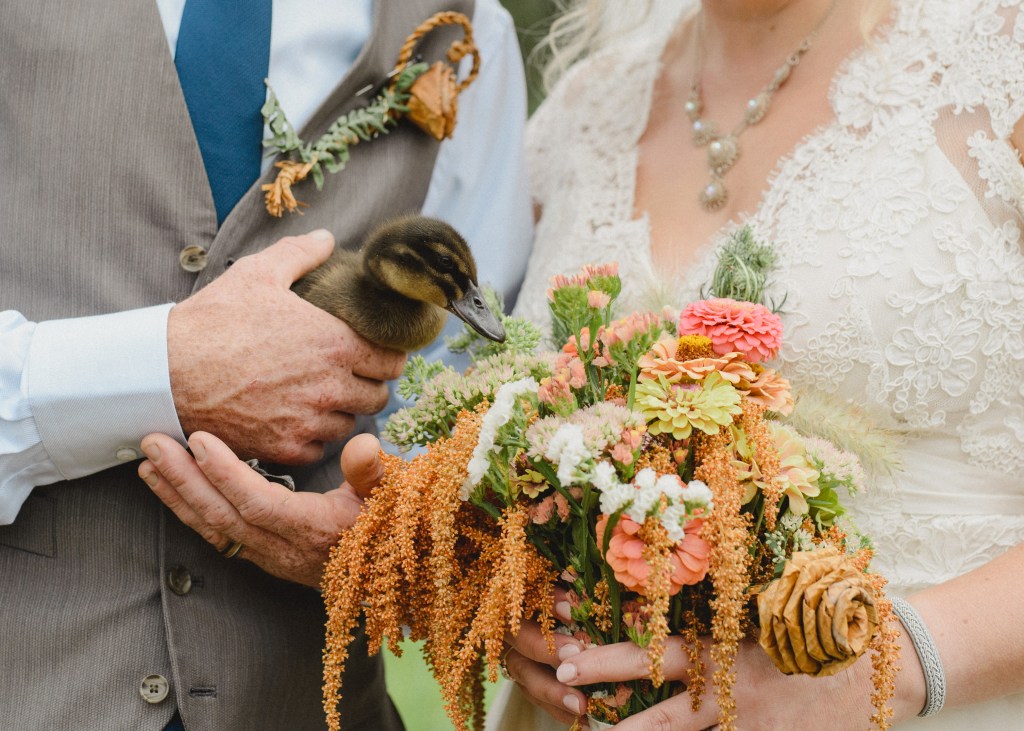
    As the big day drew closer and our walks got longer I hatched an idea – what if Patty B was part of the wedding procession? Training began in earnest with longer walks around the yard and then, eventually, forays across the small bridge into the backfield where our ceremony would take place.


    R+M_001237
    Anastasia Chomlack photo


    The wedding day finally dawned…and it was windy and rainy. September 9, 2017, happened to be the first time it rained since Patty B was born…actually, I think it was the first day it rained all summer! Luckily, we had a break in the weather before the outdoor ceremony began and as my wedding party and I gathered just across the bridge, my dad opened the door to the pet carrier to release Patty B. She dashed out onto the muddy path with excited chirps and peeps and began slurping muddy water up her bill. Mud! Worms! AWESOME.

    It was time to start down the aisle, and my flower girl and bridesmaids began their slow march down the field. It was time for me, my dad and Patty B to make our way down to the rest of my life. But Patty B was having none of it.

    I gave one last “C’mon, Patty B!” before sighing and giving up. The show had to go on. We walked down the field and suddenly as we were coming up between the rows of guests I heard a small boy cry out, “Is that a DUCK!?”


    R+M_001267
    Anastasia Chomlack photo


    YES. Patty B made it down the aisle with me after all.

    Most of the animals we raise have a pretty low-key life compared to the wedding adventures of Patty B. But, we tend to every animal at Bandit Farms with care, love, and respect whether we are raising them for their eggs or to eventually harvest for meat. I’m not a duck mom to everyone but being close to our food sources is a privilege I will never take for granted.

    Also, in case you were wondering, Patty B turned out to be Pat…but don’t worry, we won’t eat him.

    ML_PattyB