This guest post was written by Gus Cormack and Jocelyn Sereda, homesteaders and B&B operators, who celebrate their 10th anniversary living with the land this year. Everything they learned they learned the hard way – by doing it, with skin in the game, and their young family depending on them getting it right. They have slowly turned a 7 acre plot of land at the end of Owl Ridge, originally set up for horses, into a permaculture-inspired homestead, where they raise all their own meat, eggs, honey as well as fruit and veggies. I caught them in a reflective mood (having just enjoyed an amazing home-grown meal with them, and been gifted some sourdough starter to kick off my breadmaking journey) and asked them to round up their best 10 learnings to share with us. ~ Lisa
by Gus and Jocelyn
This year marks 10 years of homesteading at Sweetwater Lane Farm.
It started with a dream. We had big ideas to solve the problems of the world so we packed up our lives in the Big Smoke, left careers and the comfort of family and old friends, and set off into the unknown, armed with just a bag full of clothes, our skis and our ambitions.
The first step was to find an ideal place to live – somewhere we could grow food and play in the mountains. After many lists and much deliberation, we landed in Pemberton, our new homesteading paradise, and started the journey that continues today.
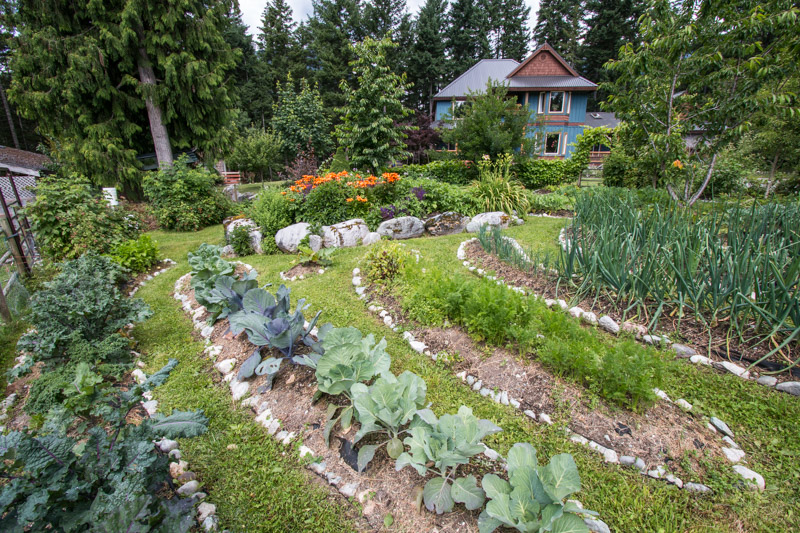
Along the way, ideals gave way to pragmatism, pragmatism turned into frustration, then frustration became the realization that “hey, this is actually working”! And the cycle continues.
When Lisa asked us to write about 10 lessons learned the hard way in 10 years of homesteading, we jumped on it. We quickly found it was difficult to nail down just 10, because when you are homestead farming, every day is a lesson. And most of those days the lessons are learned the hard way. This list, by no means exhaustive, is just our top 10.
1. Chickens are a gateway animal: If you think you’re just going to get a couple of chickens for fun, and maybe enjoy some eggs for breakfast every now and then, you might be in for a surprise. They are addictive. You’ll lose hours of your life watching the chicken channel. And it will be the best thing ever! You somehow fall in love with the simplicity of their lives and the meditative way they meander around the yard eating bugs and grass. The eggs are fantastic and you’ll never go back to store-bought. The next thing you know you’ll have 30 chickens, 3 cows, 2 donkeys, 3 pigs, 6 ducks, 2 cats and 2 dogs. And I’m not sure if it ends there. Stay tuned!

2. Bait the Bears: Homestead farming necessarily creates a plethora of bear attractants. Some of our favorite things to eat on the farm also happen to be bear’s favorite foods. In the first few years, we had several incidents with bears breaking into portable chicken coops or climbing fruit trees. It wasn’t until we had one particularly problematic bear that killed around 100 chickens over the course of 2 sleepless weeks that we learned about baiting our electric fences. Simply wrapping some bacon around hot electric fences solved all our bear problems overnight. Once they put their sensitive noses on a 10 joule fence they never come back!
3. Ravens are smarter than you: These majestic black birds have earned their place in folklore the world over. Seeing them systematically dismantle our chicken coops to steal chicks, open doors to steal eggs or send decoy birds in to distract the guard dogs, you quickly realize why they are revered creatures. We have loved observing them over the years and are okay with them winning the occasional battle. They exploit your weaknesses and therefore help make you smarter in the long run.

4. Weeds will always be your best crop: The better you get at growing the things you want to grow, the better the weeds seem to get at growing! For years we fought a losing battle. The weed seeds come from literally everywhere and are very motivated to grow. Fast. Like with almost everything else on the farm, we started to look at how we could use them to our advantage (after trying all the other tricks we could come up with to beat them). It turns out that many of the “weeds” in the garden are actually far more nutritious than the salad greens we were growing so we started just eating them! Chickweed and lamb’s quarter salad quickly became a favorite. If you work in a fancy restaurant perhaps consider adding salade de mauvaises herbes to the menu and start feeding your customers weeds! Animals also love to eat most of the prolific weeds so they are essentially free animal feed. On top of that, when you pick the weeds and use them as mulch around the plants you actually WANT to grow, you add nutrients to the soil, conserve moisture, and save yourself the time and money buying and applying more commercial mulch around the plants. Voila. The enemy becomes an ally!
5. Water is Life: We can’t overstate this. Until your water pump dies and your plants are baking in the hot sun, you won’t know the importance. It’s nothing like city life where you turn on the tap and presto aqua de vita! It’s much more complicated to be self-sufficient. To further complicate things, pumps only seem to break down when the temperature is over 35C and most likely on a long weekend. Parts aren’t easy to come by nor are tradespeople who can fix them properly when you need them. Get educated and find a good supplier who answers the phone when you need to troubleshoot and make sure you always have spare parts on hand! This is also one of the first things you should look into when deciding which property to buy – how much water is available and where does it come from? This was another lesson learned the hard way, but that is a whole other story…
6. Don’t push shit up hill: This might sound like an old saying but there’s a very practical application for it. We inherited a septic system that uses a pump to push waste up a hill to a septic field. When you live in a rural area and the power goes out – what’s going to push your shit uphill? So given the chance to do it over, definitely let shit roll downhill. As a side note: This applies in a non-literal way to almost everything else in homesteading life as well.

7. Squash are sexual deviants: Squash are one of the coolest things to grow on the farm. They are very independent, not needing much love or attention; they are prolific and create a huge amount of food that can store all winter from just one seed. The problem with squash is, if left to their own devices they will happily breed with every other squash within close vicinity. This can create some really interesting and tasty combinations, but most likely you will end up with a soft shelled pumpkin. So plant your squash away from each other or be prepared for strange tasting and looking crosses.
8. Plan for Death: Before you get your first farm animal, take the time to think about how you are going to deal with their end of life. If it’s a meat animal, know how, where and when you are going to butcher them and how you are going to get them there. That little piglet you brought home in a dog crate certainly won’t fit in there at the end of the season! It’s impossible to get someone to come slaughter your animals with no forward planning. Also having the right tools and set up is essential if you are going to do it yourself. If it’s a long-term farm animal, still be ready for the off-chance your animal passes suddenly. We lost an almost full grown steer once. Without a tractor on hand we wouldn’t have been able to deal with it in a timely manner. It’s not something we want to have to think about but doing so can save you a significant amount of stress and give you better systems to work with in the meantime.
9. There’s no such thing as a free animal: Driving home one day we saw a sign on the highway that said “free chickens”. We excitedly went home to grab a dog crate and headed back to pick up our new free animals smiling about what a great deal it was. We loaded them up and got them settled into their coop. About 2 weeks later these free chickens started to crow. We had a dozen “free roosters”. They competed crowing with each other day and night. All of them. All the time. Moral of the story is, if they are free they will come at a cost. You just may not know what that cost is right away.

10. Everything should have a job: Every animal on the farm should have a job. Otherwise you will just be collecting pets that will take up your time and money. If you need to build up your soil then rotational grazing of cows and chickens is great. If you need protection from predators in your pasture then a guard dog or even a donkey works great. Having animals that instinctively add to the farm will help lighten the load and enhance your homestead. Right now we are using our donkeys to help fire smart the forest beside the house. Otherwise we might have to consider them lawn ornaments.
As a final thought, remember to be inspired by your big ideas but understand there may be many, many steps to achieve your goals. If something doesn’t work the first time, go back to the drawing board and try again. And then again, and again. And again until you figure it out. Every homestead is different so if you read something in a book, understanding that most of the time things won’t work exactly like they said can save you a great deal of frustration. The customized lessons you will learn are invaluable. Practice humility daily. Things don’t always work out. The environment will often dictate your success. If something doesn’t fit, let it go. No matter what you might think – you are not the boss! Most importantly, make sure you are having fun (at least some of the time) because that’s kind of the point of all this, right!?

If you are interested in following along our adventures at Sweetwater, you can find us on Instagram @sweetwaterlanefarm and FaceBook at www.facebook.com/swtwtrlnfrm… If you are very interested in learning more about what we are doing and how you can do it too, contact us at enquiries@sweetwaterlanefarm.com as we do offer homesteading courses from time to time!


 Traced Elements