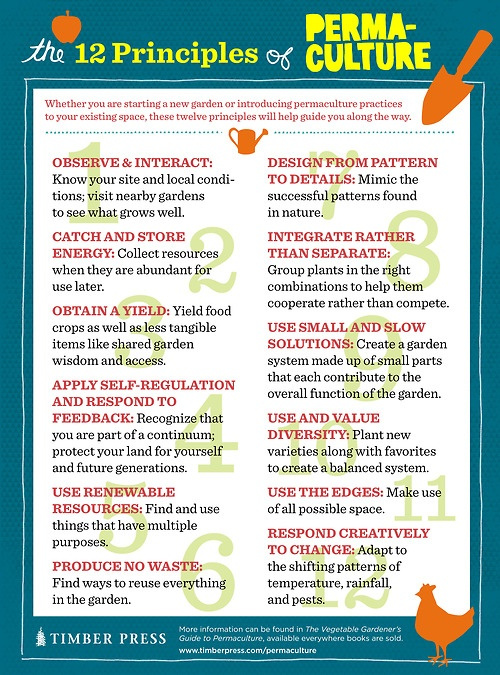
When I used to think about permaculture, I thought of it more like the “old way of gardening”. Less intensive, lots of diversity, a closed loop system that tries to reduce our impact on the earth. A systems thinking that uses everything in multiple ways. Gut Gardening. Intuitive.
But, as I was reminded earlier this month during the (FREE) one day course on permaculture by Permaculture Design at Quest University, permaculture principles are rooted in science, and way more complex.
Doing the right thing for the planet, for the patch of soil you are stewarding, is backed by scientific research. For my rational Western mind that sometimes needs things to be “scientifically proven,” that goes a long way. Science, fused with community. Science, fused with growing food, shelter, plants and systems that are good for the earth. Science, and changing our thinking patterns. Taught by the dynamic duo Delvin Solkinson and Kym Chi, the opportunity to attend with a carful of amazing girlfriends and kick ass gardeners was the recipe for a perfect day. Yes please.

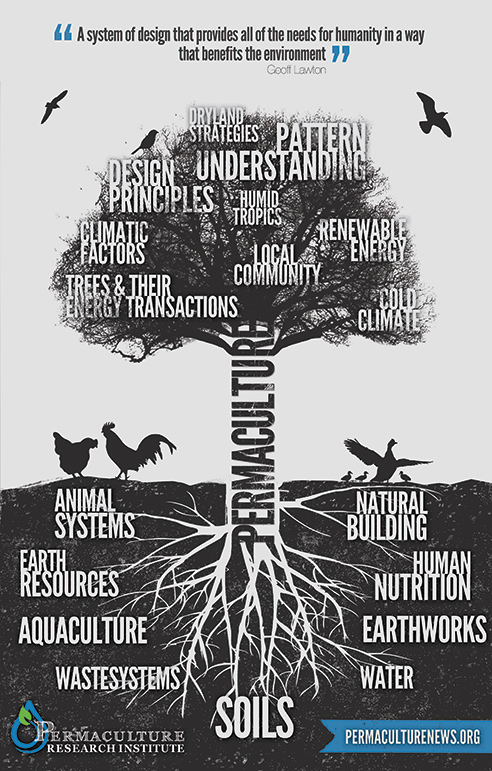
The term permaculture was coined back in the 70’s by founder Bill Mollison. The Permaculture Research Institute tells us that permaculture
“is the conscious design and maintenance of agriculturally productive ecosystems which have the diversity, stability, and resilience of natural ecosystems. It is the harmonious integration of landscape and people — providing their food, energy, shelter, and other material and non-material needs in a sustainable way.”
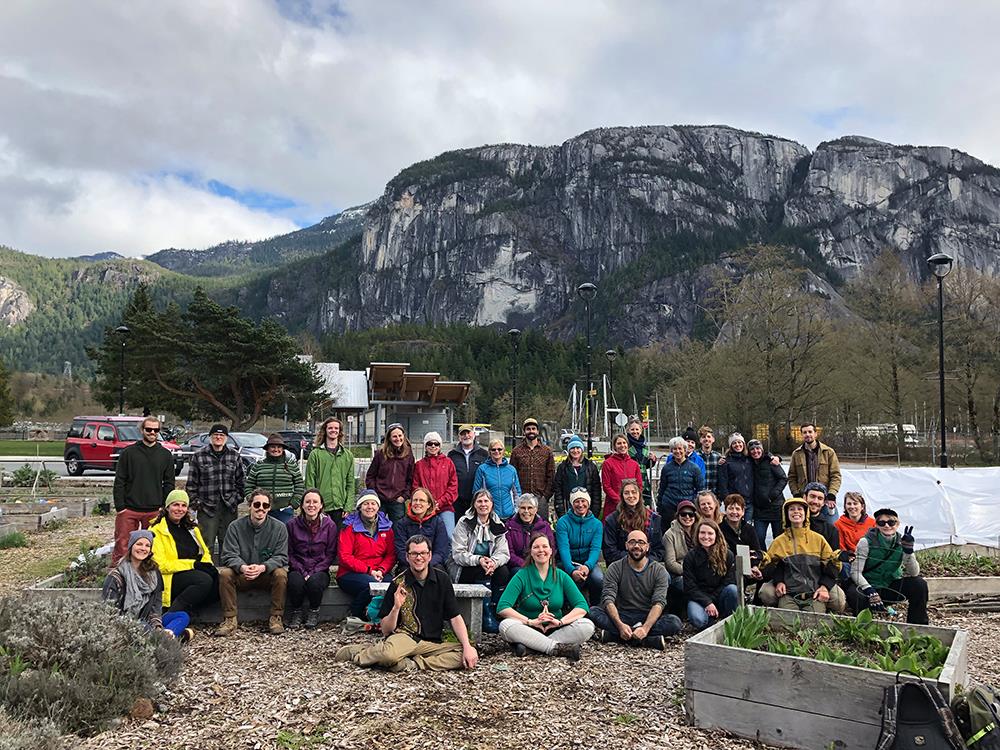
At the start of the day, fifty-five people sat in a circle – from all walks of life, many young, fresh students, but also many people in their later years. We shared what brought us there. It was everything from wanting to learn how to better compost, to learning more about plants that can help heal the earth. Gardeners who operate more in their heads and want to operate more from their hands/hearts. Pioneers who want to explore the feelings of plants. I admit I was guarded in that space. It had been a while since I had sat in a room with chimes to focus our attention and teachers who ask us to take a deep breath and sit with our thoughts. It took a bit for me to settle into the vibe and be open to the experience. Clearly, I need to re-establish my yoga practice!
Kym and Delvin said over and over during the course of the day: think about the “problems” as opportunities. Have weeds? How can we use them? (Living mulch, compost, re-evaluate if they are actually a problem. Feed your chickens…) A challenging slope on your land? Why not plant an orchard and incorporate bioswales to manage your irrigation challenges and needs?
But what resonated so strongly had less to do with gardening and more to do with community. That, and this statement made by one of our teachers that gave us permission to be OK with where we were, as individuals, and society. “Don’t shit on yourself for not knowing, not doing. Don’t shit on others for not knowing, not doing.” Another yes please.
But by the end of the day the shift was apparent, empowering, and so positive I was actually moved to tears. Yes – lots of great permaculture tips that apply to any space. But what I loved the most was the warrior cries from people fed up with bullshit happening on a day to day basis that we all know is wrong. People inspiring each other, revolutionizing on a micro or macro scale. People swapping problems for solutions.

At the end of the day we shared what we got from the course, what we wanted to do. A grey-haired lady cried: “I am telling my council that I AM putting a garden on that strata lot!”
From others I heard,
“Put the earth first!”
“I am going to plant a garden in that round-a-bout!”
“If you listen, music is everywhere!”
“I am going to make a spiral garden!”
As I reflect on this experience now, almost a month later, I wonder about the seeds that may have been planted that day, ideas sitting below the soil surface needing the heat, the light, the energy to transform into action. How many ideas passed that tipping point? Who is going to start the permaculture food forest in Pemberton? Turn a strip of downtown Squamish dirt into a haven for bees, food for families? Change the thinking patterns of the stuffy strata intent on ridiculous lines, rules, pavement? Who wants to raise a permaculture “army” with me?
So thank you from the bottom of my heart to Delvin and Kym. The work that you are doing is crucially important. Absolutely inspiring. For anybody who missed that magical day at Quest, I would like to bring this team to Pemberton in June. (Please get in touch with me if you are interested, or want to help fund this). They also have more free days coming up.

And until then, Pemberton – don’t forget about the Women’s Institute Plant Sale coming up soon on a Saturday 5 May, 9am to 12 noon at the Legion Parking Lot – the sign with the date is up at the concrete barren round-a-bout. Oh, did someone say round-a-bout? Warrior-guerilla-gardener-lady, if you are listening, we, and the world, need you!





 Traced Elements