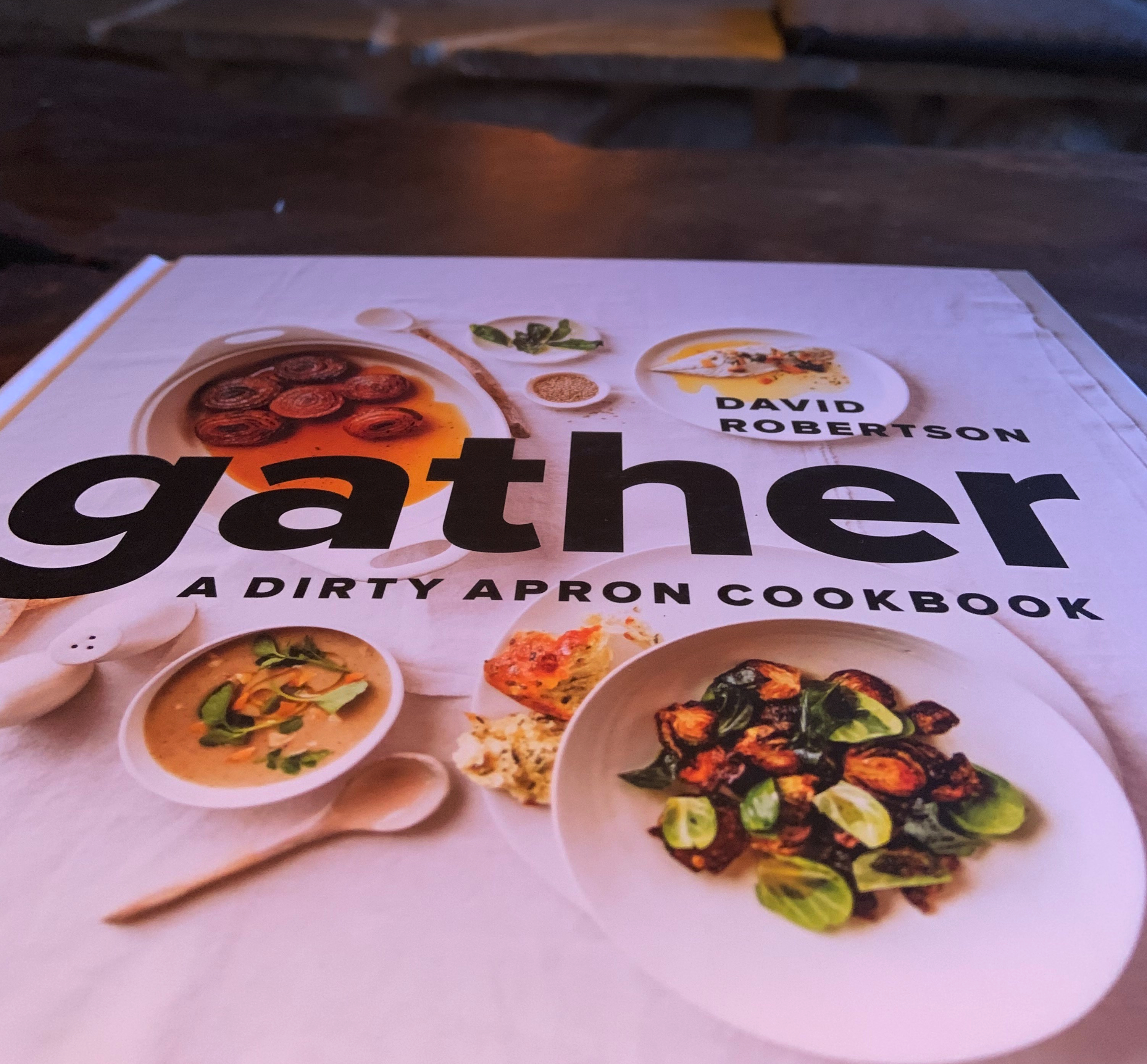
Lisa gathered us to share recipes from the perfectly named cookbook Gather by David Robertson. David owns the Dirty Apron Cooking School in Vancouver. If you get the chance to take part in one of his interactive, social cooking classes, you will not be disappointed. When I did a short stint in Vancouver, a friend and I did one of his Italian classes and it was one of the most memorable experiences I have had. It is a learn-to-cook, meet-up, dinner date all wrapped in a delicious bow. https://www.dirtyapron.com/cooking-school/
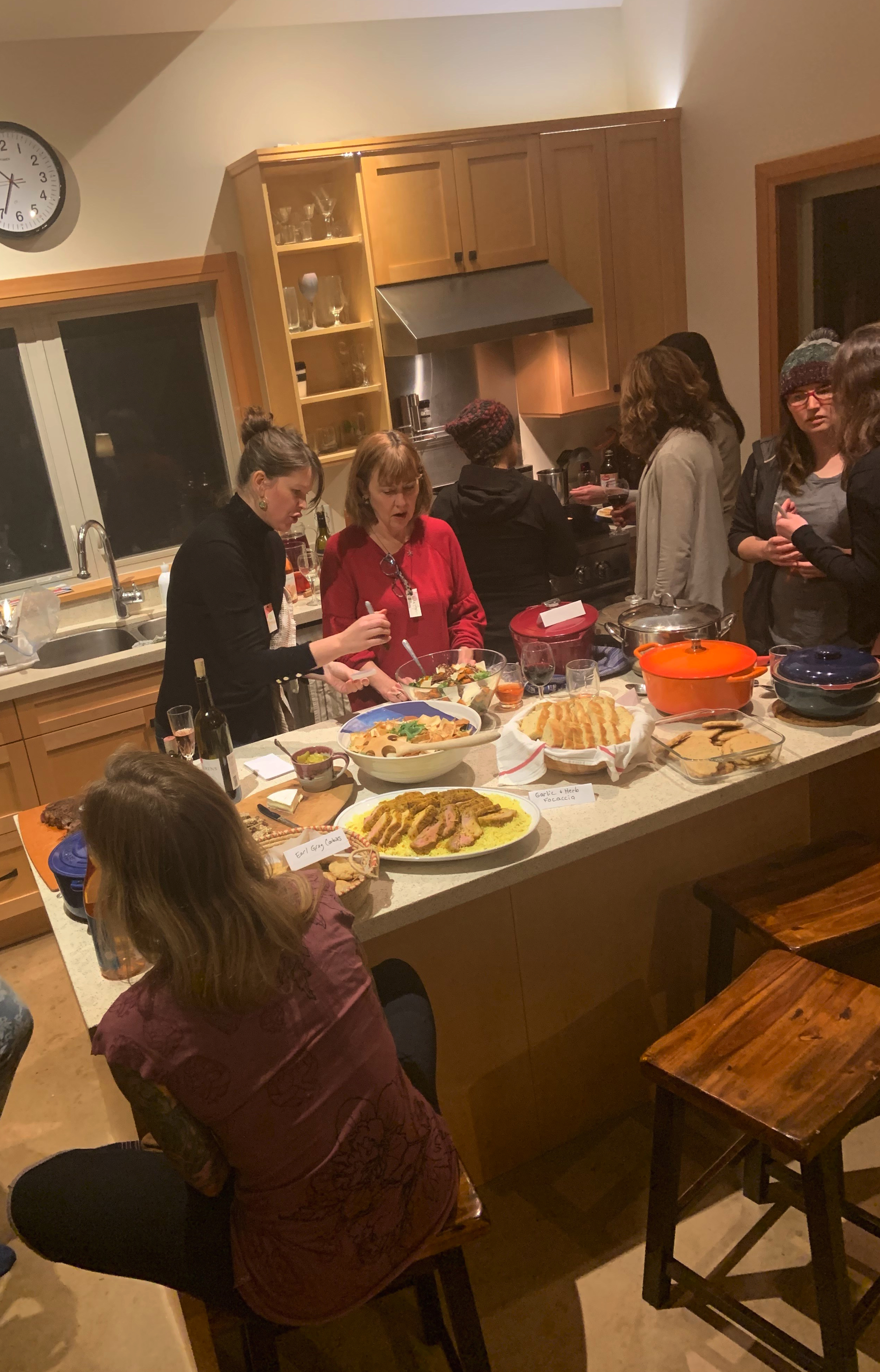
On a cool December night in Pemberton, a group of sisters (figuratively, not literally, although I’d be cool if any of these dynamo women were actually my sisters) gathered to share food, share ideas, share music, share stories and to share love.
Upon arriving to the warm glow of the farmhouse, there was a wonderful buzz, a positive energy in the excitement to unveil our nourishing dishes. Lisa kicked off the evening with a welcome. A welcome that set the tone to deepen our connections with each other, to be part of the sisterhood of this gathering. Lisa shared a story of “sistering” – a carpenter’s term to provide extra support to a weaker joist or strengthening a load-bearing beam. Our gathering is more than nourishing our bellies. It is also about nourishing our souls. It is about creating space to hold each other up, higher, stronger than when we all arrived – sistering.
Eager to dive into the incredible dishes prepared with thoughtfulness, love and creativity, each person introduced themselves and the dishes they prepared. Stories started to emerge during the introductions and it was fascinating to hear how each person approached their dish. Living in a small town, several people agreed that there were challenges with certain dishes due to the shortage or absence of a key ingredient – a spice never heard of before or a hard-to-find-bean. Modifications became essential and there were some amazingly creative types in the group that approached their chosen recipe more as a rough guideline than a must-follow-rulebook. Full disclosure: cooking for guests is stressful, especially a brand new recipe and I needed to follow my recipe to its exact instructions, that way if the soup was a disaster, I could just blame the recipe.
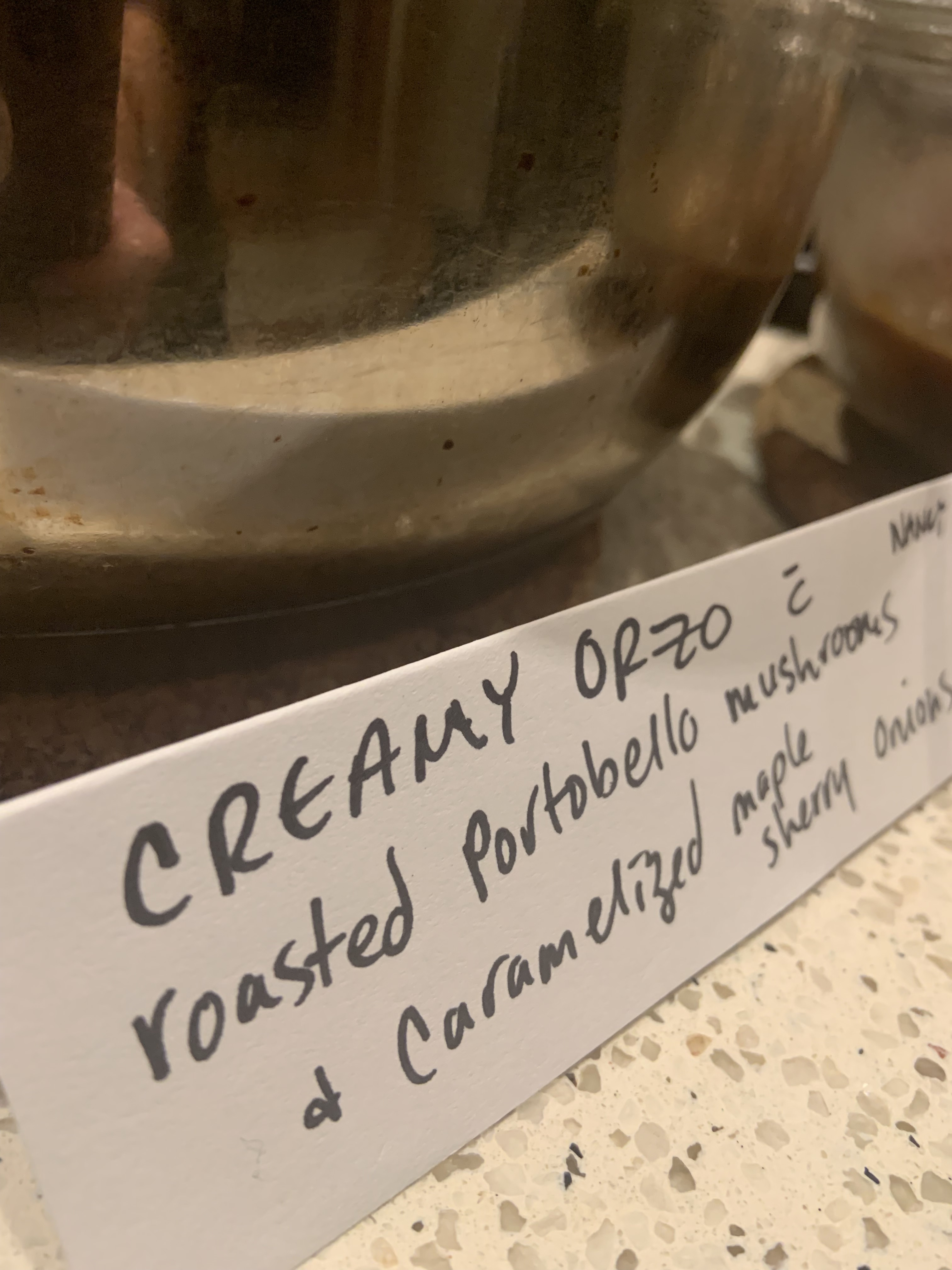
Introductions completed, tummies growling, anticipation building, it was time to dive in. The Food. The food was unbelievable. The Flavours. The flavours were diverse, layered, complicated yet simple. The Options. The options were unlimited – there was something for everyone. The People. The people made the evening divine. Nothing to see here – just a bunch of warrior women meeting, quietly conquering the world, through food. The Conversation. If you paused for a moment while savouring a morsel of deliciousness, you could hear the hum of stories being told, recipe ideas being shared, connections being created.
To Gather: the dry dictionary definition states “bring or come together”, “pick or collect as harvest”, “infer or deduce”. After our evening gathering, here’s my definition. To Gather: “to come together to nourish each other through food, conversation, connection. To share a love for food, a love for life. To build a sisterhood.”
It was the kind of evening that one does not want to end. And when it did, gracious thank yous were shared, heart-felt goodbyes were reluctantly made and each of us headed to our homes, bellies full, hearts filled. Upon arriving at home, my husband inquired as to which dish was my favorite. Cheeky guy – I’m not falling for that “who’s your favorite kid” trick question. I told him about the dishes, the immense flavours, the quality of company. I tried to explain sistering but quickly realized that this gathering was not something to be explained, rather, to be experienced. So, I summed the evening to him by saying “A gathering of amazing women, what could be better than that”?
“What’s this?” asked my clutter-resistant husband, observing the giant mason jar of oily plant matter on the counter.
“Ohh, it’s medicine! It’s called Balm of Gilead,” I explained.
“Oh. But what is it?”
“Cottonwood tips in oil.”
“Hmm. And what’s it good for treating?” he asked, in an impressively neutral manner, eyes scanning to the brand new bottle of olive oil next to the stove that was now suddenly, dramatically, near-empty.
I reamed off a list of benefits from Balm of Gilead, the old herbal remedy – that I’d just copied out carefully into my new Plant Allies notebook – using information I gleaned from Natalie Rousseau’s blog. The resinous buds are rich in salicin which your body converts to salicylic acid, the active ingredient in aspirin. Good for sore muscles, rheumatic conditions, simple wound healing, as an expectorant chest rub to treat a boggy spring chest cold. Bees also use the resin to protect their hives.
“Plus,” I enthused, “it’s helping me be more in tune with this place, with the seasons, and what’s outside our door.” He’s knows that “tuning in to the deeper rhythms” is kind of my jam right now, so, even though I could see his brain calculating the cost per millilitre of this little experiment, as compared to the cost per unit of a bottle of generic aspirin tablets, as weighed against the likelihood of me ever 1. completing this project and 2. treating anything with it, he nodded quietly, and put the jar back on the counter.
Since moving to Pemberton from the land of eucalypts and snow gums, I had acquired the habit of thinking that black cottonwood (Populus balsamifera ssp.) are kind of junk trees – the wood is too wet to burn well, the snowfall of the seeds in May wreak havoc on friends’ allergies, and the branches crash to the ground, making them kind of hazardous to live directly under under. Even though wonderful plant mentors like Evelyn Coggins,Dawn Johnson and Connie Sobchak have offered me other ways of thinking about cottonwood, thanks to their contributions to The Wellness Almanac – great bird habitat! good for erosion prevention! great shade in a sweltering Pemberton summer! a beautiful scent! a medicine! – those attributes felt like supplementary prizes, making up for basic deficiencies in character.
Then, in February, I joined Kera Willis and Guliz Unlu for an all-day workshop, offered through Mountain Horse School, “Lightning Seeds: Opening the Gateway of What’s Possible.” The hook had been set, when Kera asked:
What happens when we invite natural rhythms, cycles and energies to help us create the changes we wish to see, in both ourselves and the wider world?
What if we could get out of our own way?
What if we could remember ourselves into a state of embedded belonging within the natural world?
“In the same way a lightning strike may ignite an instant blaze or slow burn that smoulders for months, these awarenesses and experiences may take root eagerly within us, or they may take months (or even years!) to percolate down through our soil,” wrote Kera.
Befriending my tree neighbours has been an outcome with a long slow germination. First there was ignorance, curiosity, longing, admiration of those with more knowing. Years of that.
Lightning Seeds beneath a big old cottonwood. Photo courtesy Kera Willis/Guliz Unlu.Besa. Photo courtesy Kera Willis/Guliz Unlu
Then, facilitated by Kera and Guliz, a group of us were invited to stand in the crunching snow in the shelter of a cottonwood and consider: what is the smell of lighting? what is the sensation of green? what secret desire might we share with a horse, a tree, a non-verbal witness? How might be hold ourselves if we courted wonder, if we invited animals to approach us, instead of steam-rolling our way into the thick of things, without waiting, without listening, without receiving?
We ended our explorations at the mixing table, hands-on, pouring melted beeswax and cottonwood oil into containers, inhaling the aroma. Connecting with our senses. Relating.
A month later, on the first day of spring break, I found myself at the base of a massive cottonwood that grows beside the creek behind my house. I wouldn’t have known it was a cottonwood. But I was sniffing around the ground like a truffle pig, and when I found dropped branches with the tell-tale resinous buds (quick sniff for confirmation, month-old memory of sitting at Kera’s table still fresh), I gazed up, to locate the source. Oh. There she is. Wow. Your majesty. I couldn’t help but bow. Her crown was stunning. So different from the conical tops of the Douglas-fir and red cedar that have filled my winter days.
I picked the buds from winter-fallen branches, taking in the scent, and I kind of chatted away to the tree. First, I acknowledged her presence. Big step. I’ve walked by plenty of times, head in my own thoughts, brushing by like strangers. So we began the dance of becoming friends. I accepted her, without assessing her worthiness, just as I do when I become friends with someone. And I offered myself as a potential friend, and complimented her on her lovely qualities – like the fact that the branches she drops in winter storms are rich with buds that are full of medicine for spring coughs, muscle aches and pains, wound healing. I accepted the offering.
She’s a local here, (a coastal dweller, her kin are native to western North America) and the flood plain is her habitat – she can take root in pure sand or gravel along riverbanks, and absorbs water through her roots to help control flooding.
I’d brought the wee lad with me, beckoning him outside with the promise of a “creek patrol.” I had showed him Natalie’s blog post, with her step by step photo instructions of making a poplar salve, and explained what I was wanting to do. I pulled out my little jar of salve from February and we both inhaled it. He absorbed it all quietly, then ran to find a basket for me, and his raspberry picking container (yogurt container with string to hang around the neck) from the bottom drawer.
As I plucked the buds from fallen branches he hustled back and forth between the creek and mother tree pouring water on it as “an offering.” Also leaving branches against its trunk in case it felt compelled to be a Fort anytime soon. It has been almost a year since we last talked about the idea of offering thanks to the trees and living things around us – and maybe we owe it to Wild Kratts, but he’s bought into that idea completely.
(Cut to last night’s first fire, with deadfall we collected from the forest floor.
Dad: “trees are so awesome because they give us firewood!”
Boy: “No, trees are awesome because they give us oxygen. That’s more important than fire wood. If you don’t have oxygen, you can’t LIVE!”)
Making offering. Moss, dirt, creek water.
This is the seed I want to plant in his heart, I thought, as I was collecting buds from the forest floor : there is so much abundance here as long as we remember to acknowledge and give thanks and give something in return. This is the dawning that is, at last, awakening in me.
The smell of cottonwood resin, which I found kind of medicinal and stenchy in February, is now something I inhale with intention and gladness. (Especially given that my hands are covered with it, right now, after I opened the lid of my brewing jar to see how things were looking. Word to the wise: when they say, “only fill your jar 3/4 full, because the buds will swell”, they mean it. Oh grasshopper. So much to learn.)
Now that I have begun to enter into relationship with that great tree, I see her – from my window, out in the yard, walking the creek – all the time, and it doesn’t make sense to not nod in greeting. After all, we’re friends. Even if I never use the oil, medicinally, some “medicine” has been gained, in this, small glimpse at the significance of the phrase I have heard my Lil’wat neighbours use: all my relations.
Using a ratio of one part buds to 3 parts vegetable oil (I use olive oil), soak the buds for at least three weeks, stirring gently once a day to expose all bud surface areas to the solvent.
I use 500 ml canning jars and cover the tops with paper towel secured with canning rings. This prevents stuff from falling into your oil but also allows the moisture from the buds to escape. Keep the oil in a warm place (in the oven with the oven light on) to help gently dissolve the resins into the oil.
When your soaking is complete, allow the jars to sit at room temperature overnight then strain out the buds. Let the oil sit covered with a clean tea towel for another 24 hours at room temperature and then decant it into jars, cover tightly, label and store in a dark place.
You can apply it to sore spots as is or mix it with other infused oils and essential oils, add some melted beeswax and presto: an absolutely fabulous homemade version of “Tiger Balm”.
It’s a beautiful and productive thread, and prompted me to this place: SPROUT!
Well, I was nudged as much by Molly’s question as by the $5 price tag on a head of wilted lettuce, and the price tag on a bunch of kale, which my garden no longer yields (most of it was nibbled down to stem by the deer, and anything that remained is now buried under a foot of snow) and which inevitably cooks down to a single mouthful, although any dirt I didn’t wash from it manages to expand in size in some perverse inverse leaf-to-dirt amplification equation). Plus, I was motivated by this instinct that when I make something from scratch, or see something grow, I feel stupidly happy; my kid engages more deeply in the real world, and we’re already in that constant tussle of real world versus seductive screen; also, a desire to have some greenery in the diet in the depths of winter. I already had a sprouting jar, so I pulled it out of the cupboard and carefully measured out my tablespoon of alfalfa seeds, rinsed them, soaked them in water overnight, and then begin the daily ritual of rinse, swirl, drain, sit back upside in the jar on the plate on the corner of the counter.
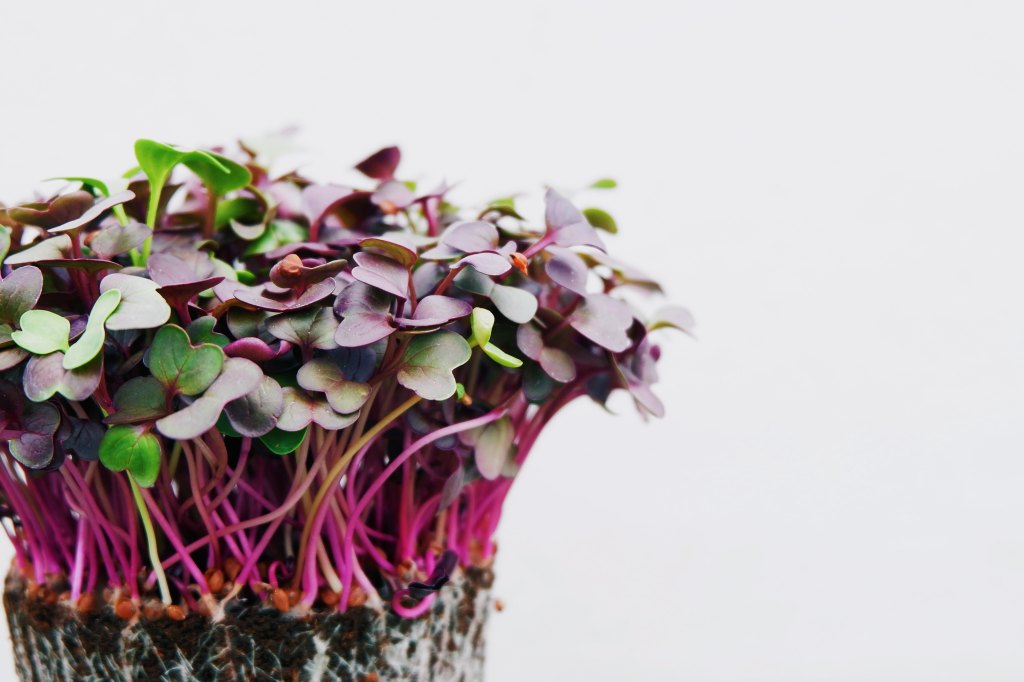
Then, thanks to a combination of internet-smarts, sunflower seeds and encouragement from Stay Wild (apparently, Leah’s countertop at home is covered in sprouts and micro greens), and a great book from the library, I became a micro green grower.
“Winter in Minnesota is notorious for wearing optimists down to a brittle nub, but the more experimentation we did with micro greens, pea shoots, radishes and other tasty vegetables, the more we felt like we were extending summer into our house… There’s a certain thrill that comes with seeing seeds begin to pop into three first leaves, and if you’re wearing your pyjamas at the time, that excitement can feel doubled.”
Microgreen guru Elizabeth Millard (left) and her partner Karla Pankrow of Bossy Acres farm in Minnesota
As a person who works from home, being able to do things in one’s pyjamas is Mission Critical for me. It’s a flashing neon sign that says, “Lisa, this might even work for you.”
And so, following the various bits of advice I’d gleaned from above-mentioned resources, I began, with one plastic salad box rescued from the recycling bin, some potting mix excavated from underneath the cobwebs in the garage, and my little packet of sunflower seeds acquired from Stay Wild.
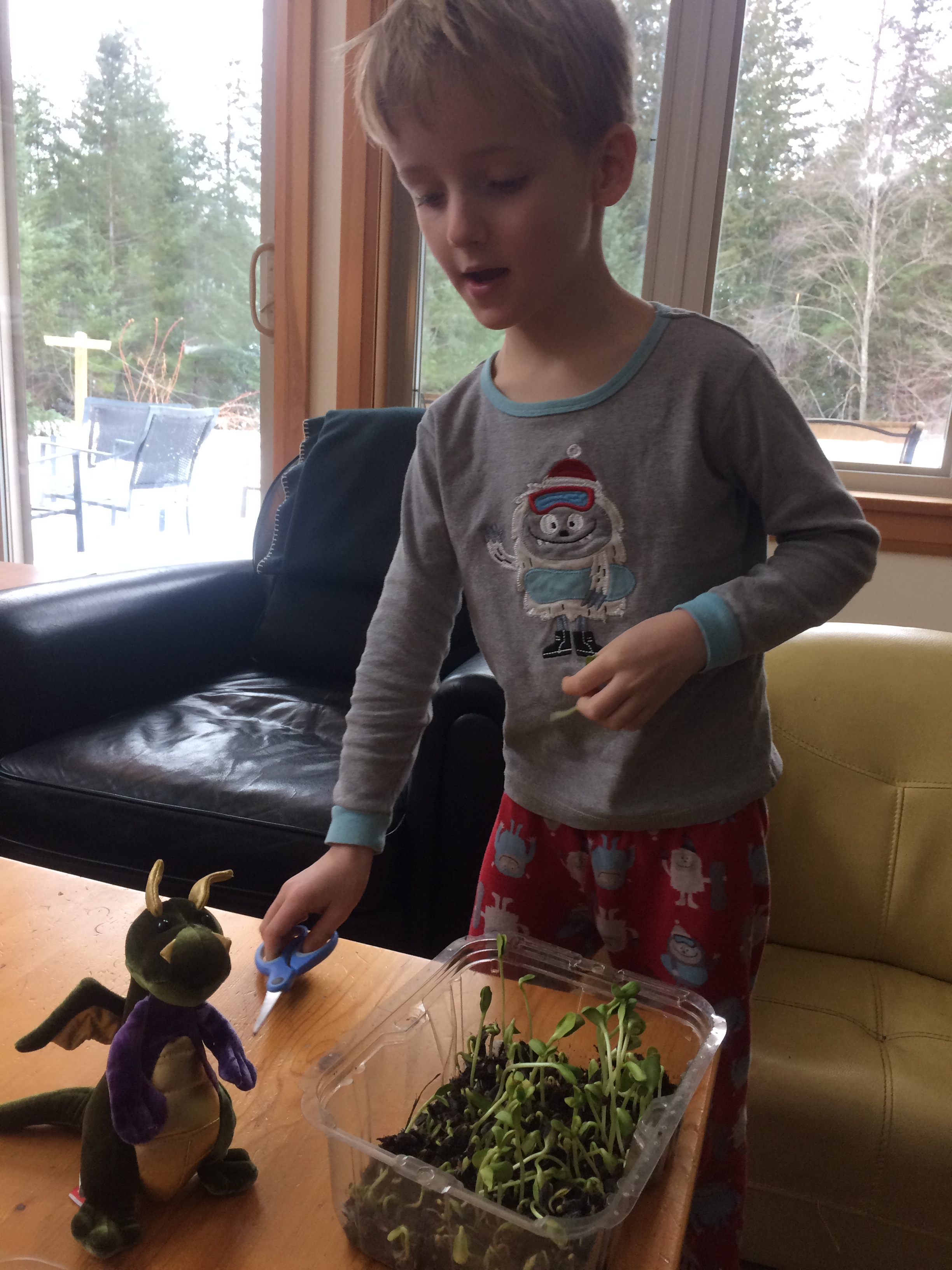
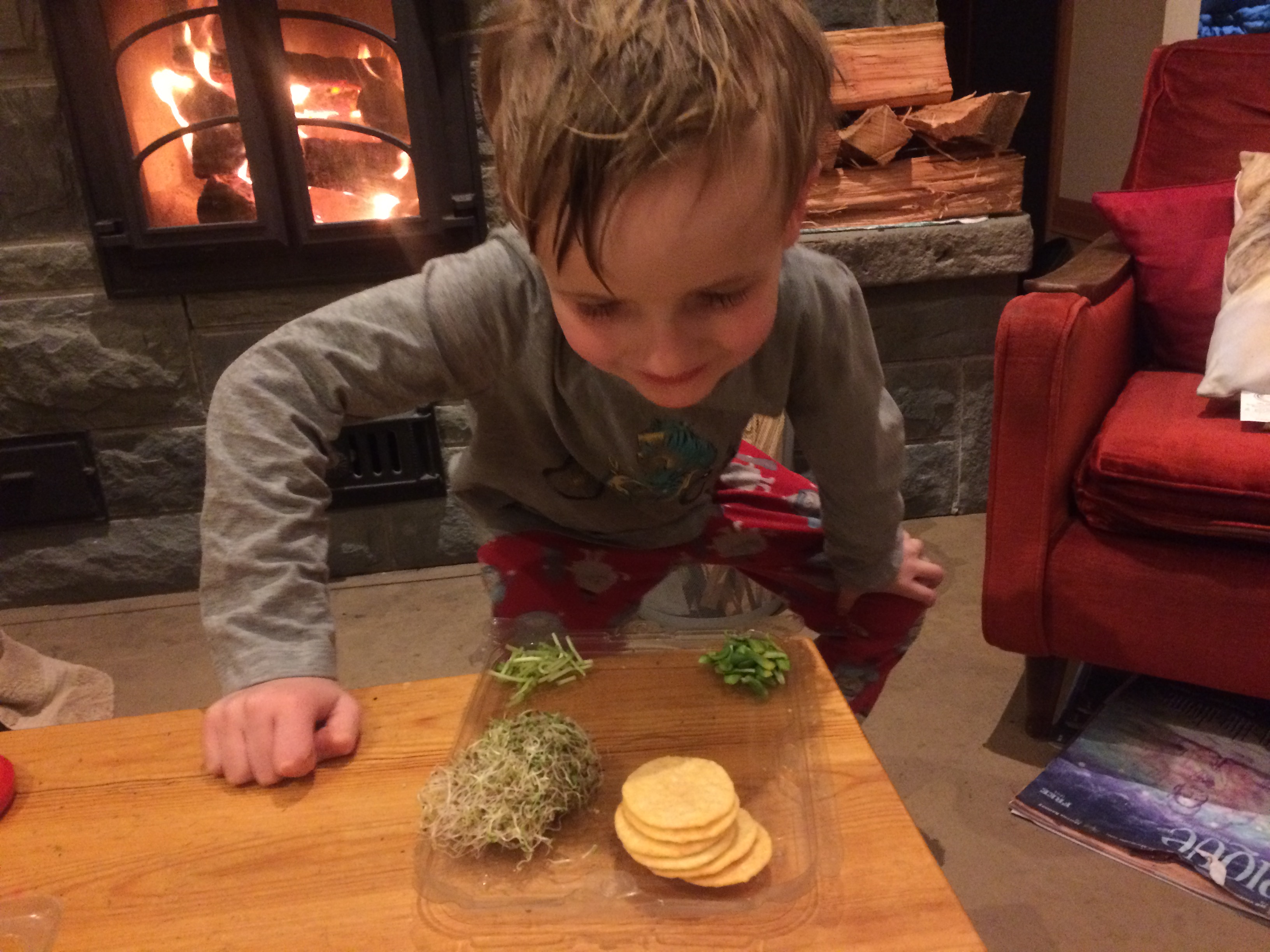
A few days later, my 5 year old put himself in charge of the harvest, and Mr Just-Ichiban-Noodles-for-Me, snipped and plucked and made merry with the nutrient-dense cotyledons (the initial two leaves of a seedling, that give way to the plant’s “true leaves”). He made cracker-sandwiches for us, from the micro greens, and ate his way through much of the first harvest. Hooray!
Some wins just feel too easy… I spent $3, used garbage, and my kid fed himself greens (and also introduced his meat-eating dragon to the joy of omnivorism.)
Look, Sparky! Micro greens. Feel free to toast them, if you like. Bu they’re just as good raw, for those who don’t have the ability to breathe fire.
Raw food chef-in-training preps the basic ingredients for a nutrient-dense snack for all the family.
Added bonus, the micro greens made my dinner look more like the picture in the recipe book, which never happens! Wizardry. And joy.
Millard said, in her book: “Sometime around the middle of February, it always seems to hit: the weariness of filling my shopping basket with fresh vegetables from California, Chile, Mexico, and even Peru or New Zealand. No offence to the hardworking farmers, because I truly appreciate the opportunity to eat oranges during a snowstorm. But these products require, by necessity, lengthy shipping times that sap them of flavour and nutrition to some degree. Still, it’s not easy to eat local when you live in a place that requires budgeting 20 minutes every morning for scraping the ice off your windshield.”
How do you find joy in winter is a wonderful prompt, as I discovered when I read through the responses to Molly Costello’s post: cross-country skiing, running, sleepovers and dinners with friends, landscape planning and reading seed catalogues, being okay with not being totally okay, soup-making, sauna, drinking warm juice, extra gratitude practice, crafting, making art and cooking for friends, burning candles, forest walks, cold water swimming, making broth, hot baths, taking a cup of coffee outside cloaked in a huge coat, writing letters to long-distance friends and taking extra good care of the houseplants.
If you want to get more specific, you could ask: where do you find joy in winter? And happily, I can now answer: on my kitchen counter.
Scruffy hospitality, Cook Book Clubs and reclaiming the table
I hate owing someone a dinner invitation.
It’s so high-pressure.
I always thought “imperfectionism” was the character flaw until Brene Brown, the vulnerability guru, outed perfectionism as a tactic people use to protect themselves from getting hurt.
Ha! I exhaled smugly, I knew there was something suspicious about you perfectly groomed, beautifully mannered ones, with your instagrammable dinner parties and Kinfolk magazines casually tossed on the Noguchi coffee table.
Trying very hard to look like you’re not trying. The Kinfolk Table – a different planet for aliens who specialize in artfully dishevelled, immaculately styled entertaining.
But embracing your own flawsomeness is harder than it sounds. Even with Brene Brown’s Vulnerability manifesto at your back. I point a finger at Lucy Waverman, the Globe and Mail’s food columnist. Waverman has written that you should never ask “what can I bring” in response to a dinner party invitation. It’s an insult to the host who has put forethought into curating a great meal with perfectly paired wines. Just bring your conversational A-game, she says, and an elegant hostess gift.
Lucy and I move in different circles.
On my planet, we always ask.
I ask, not to insult my host, but to acknowledge that bringing people into your space takes effort, and I’m happy to help lighten the load.
For the record, I am never insulted when someone asks me. I am also stoked if, without even asking, someone randomly shows up with contributions. Throw them down there on the table. Open that bag of chips, decant some vino, let’s squeeze in as much conversation as possible before the children blow it all up.
No, none of the plates at my house match. And they probably never will.
But it’s taken a while to devolve to this place, helped along by necessity (children), a catchphrase and one unofficial intervention.
The intervention occurred in the fall, when childless friends, after months of “we should get together soon” emails, randomly dropped by, with wine, cheese and crackers.
This couple are consummate hosts. They’re foodies and entertainers with a genuine passion for food, wine, design and décor. For a long time, after first being invited to their house for dinner, (three courses, perfectly plated, in a room where the drapes and the curtains matched), I was too scared to return the favour and serve up one of my standard one-pot meals in return.
When I eventually braved-up, and dished forth something peasant-like, on chipped plates, from a help-yourself-to-more platter on the table, they didn’t turn up their noses. They were more distracted by the conversation, by playing with my toddler, or whipping up the dessert themselves. (I’m smart enough to say hell yes, when an amazing cook asks “shall I bring dessert?” Sorry Lucy for not measuring up to your standards.)
Their drive-by drop-in was the ultimate signal to me: we don’t need to be entertained, we don’t want to be a high pressure entry in your dayplanner, we just want to catch up.
For perfect looking, perfect tasting meals, eat out. Fergie’s Cafe at Sunwolf is instagram-worthy. Dinner at my place is not.
In my gospel of scruffy hospitality, “what can I bring” is the password, a signal that a person appreciates they are participating in a come-as-you-are experience, where the napkins are unironed, if we even remembered to put them out, and the kids will move from lap to table to toy room as we try and coerce them into eating something, before ignoring them for conversation that is grabbed and relished and as nourishing as the food could be.
“What can I bring?” is also code for: “I know you’ll have cleaned the bathroom for the first time this week because people are coming over, and that you and your partner will probably be arguing the moment we walk in the door, because that’s what happens to us too, every single time we have people around.”
It means: “I anticipate stepping around toys piled into a corner. I am willing to push past my inhibitions and make myself at home, to find a glass and pour myself a glass of water if I am feeling thirsty.”
Ultimately, it’s code for: ”I’m just happy to see you.”
Keep it casual. Otherwise, we’ll see you in 15 years or so.
That’s what my foodie friends taught me, when they dropped by with crackers and dip and we ate standing up, moving between the kitchen island and the side of the bath-tub where the kid happily contributed his chatter.
And that’s why I started Cook Book Club. which debuted Thursday 22, at Stay Wild Natural Health Store and Juice Bar.
Leah Langlois of Stay Wild imagines all the yummy plates that will arrive for Cook Book Club
If your contribution is a fizzle or a flop, you blame it on the cookbook.
Imperfectionism, scruffy hospitality, cook book club, it’s all an invitation to reclaim the table as a gathering place. Even when we’re too busy to entertain. Especially then.
The Velocity Project: how to slow the f*&k down and still achieve optimum productivity and life happiness, is a biweekly column by Lisa Richardson that runs in Pique newsmagazine.
To which I would add, fuck “clean eating”, fuck salmonella poisoning, and fuck the commodities trading of food futures.
Let’s bring eating back to earth.
By which I mean, let’s put the dirt back on your produce, the scruffiness into your hospitality, and relationships back into your consumption.
Let’s put ecology back on the table.
Literally, let’s place the dinner table into a web, instead of at the end of supply chain. Let it be part again of a network of living things, that flow through and from the table, in a million different forms – energy, sunlight, worm food, fresh produce, dead animals; as an anchor to conversation, to nourishment, to relationship, to healing.
Reclaim the table, and the garden, the power that food has heal – not just our bodies, but our relationships, our sense of agency, and our role as stewards and restorers of the earth. And the opportunity food offers us, to grow – not just out there in the soil, but as humans.
We’ve been consumers for long enough.
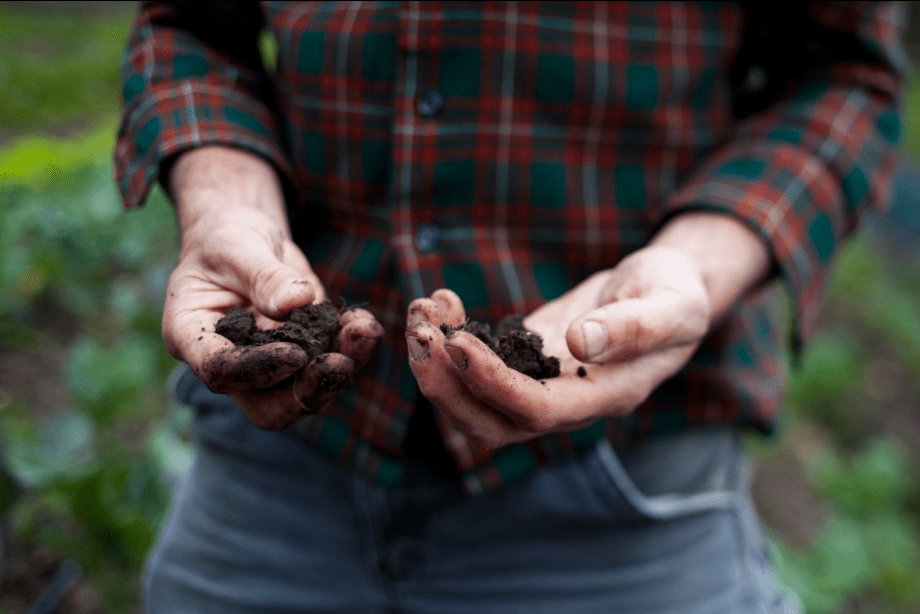
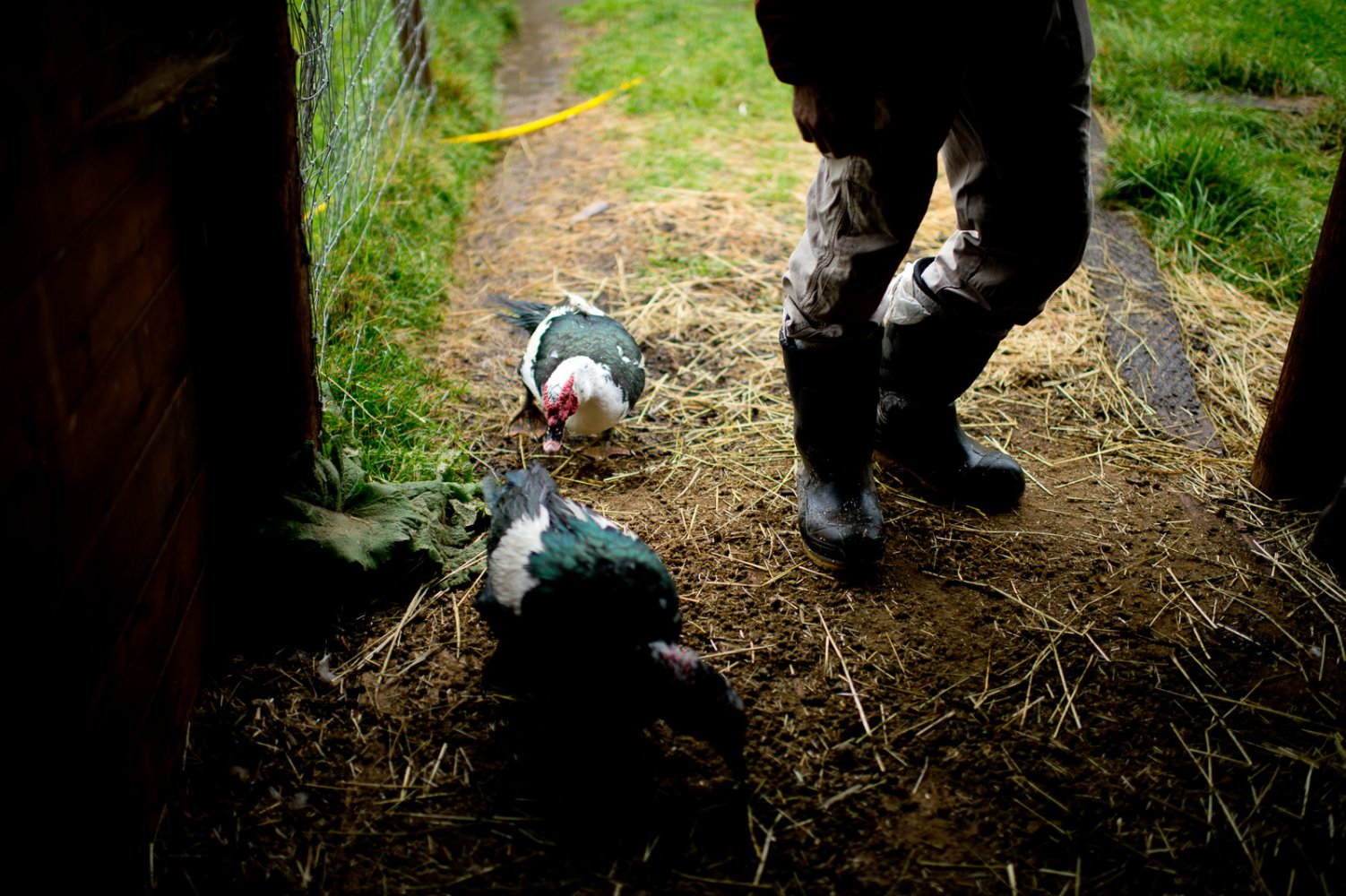
This website is a place to map food stories, from the heart of the Pemberton Valley, in order to turn consumers on to the idea of being growers, creators, culture-shapers and restorers of the planet. Without guilt. Without pressure. With joyful messy experimentation, scrappy gardens, candour and dirt.










 Traced Elements