Tag: lil’wat

  • Acclimatization, zones, and how plants adapt to weather

    Acclimatization, zones, and how plants adapt to weather

    You know when you go on a tropical vacation in the winter and at your destination, the locals are wearing hats, long sleeves and pants. You strip down, head to the beach only to get sunburn and heatstroke? Eventually, after a week, you get used to it. Upon return, that first blast of cold at the airport feels like the Arctic, yet people are wearing shorts!

    Plants experience the same affect, perhaps even more because it happens gradually at a cellular level. The more robust the cell walls become, the hardier the plant.

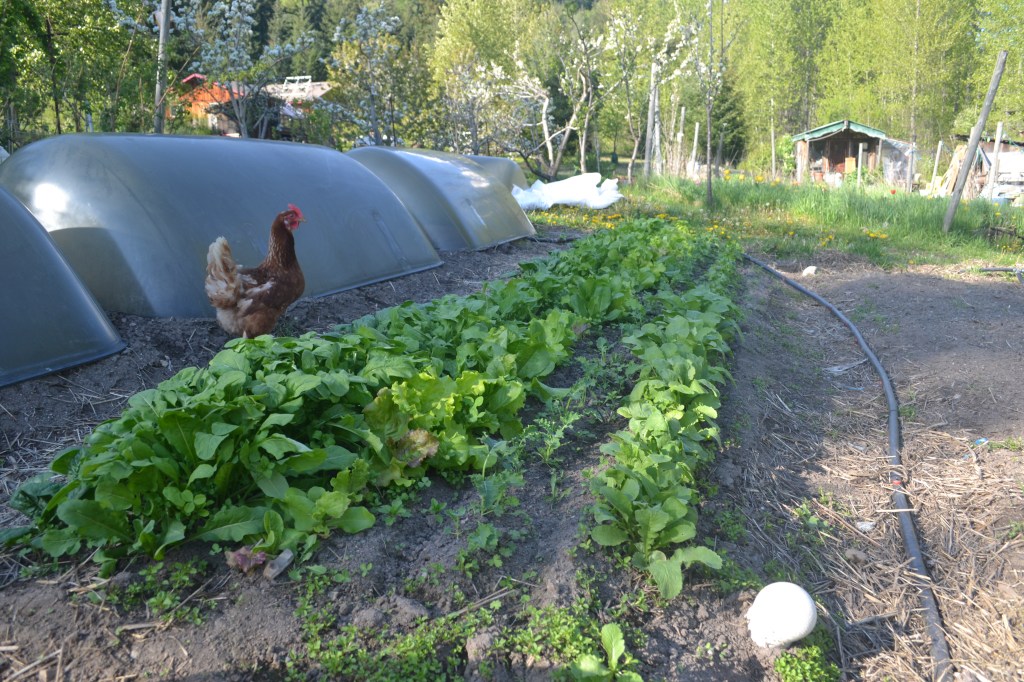
    Every living thing has preferred conditions. Plants are grouped into zones to help guide gardeners to choose plants that will survive in their climate. It is based on the worst weather extremes for the area: Coldest temperature, number of frost free days and exposure. It’s good to know your zone before you waste your time and money on something that won’t thrive. Zones can be pushed higher by starting plants indoors, protecting them with cloth, overhangs, windbreaks, a south facing wall and   greenhouses. Global warming is also changing things and most areas will be up-zoned in the near future.

    Microclimates exist in all zones. Sunny south facing protected areas can be a full zone or more higher than a cold, windy, shady frost pocket. Understanding your microclimates on your property can determine whether you will succeed or not. It’s something you need to constantly pay attention to, and even make notes, if you have to. The smallest changes can make a big difference.

    Slowly, plants need to adapt from one environment to the other. Our intervention is called “hardening off”. Plants started indoors are used to the warm cosy, calm and diffused light. If you put those out right away they will most likely get shocked by cold nights, wind, pounding rain and scorching sun. The trick is to, over the course of several days, slowly leave them out in their new environment a little more each day, paying attention to extremes in which case you will have to leave them indoors or add extra protection.

    When buying plants in the spring it’s good to ask the grower to what extent they’ve been hardened off, if at all. You may have to do it yourself. Something few consider. Many tropical plants in Florida, grown for export as houseplants are raised under shade cloth, not because they don’t tolerate sun, but because they will eventually live in someone’s living room. It works both ways.

    When to plant your starts or seeds outside is also tricky. Seed packages are only a rough guideline as they can’t possibly know everyone’s circumstances. Even experienced gardeners can’t rely on calendar dates, as every year is different. It’s part intuition, part trial and error and partly luck. Those in tune with nature will know when to plant something by biological clues related to the weather, like when the crocuses sprout, the ice on the lake melts, you see the first Robin or the forsythia blooms.  This study is called Phenology  and is the most accurate method. The even more in tune will take biodynamic guidance into account such as moon cycles, the almanac  and spiritual doctrines to plan schedules, making things  even more complicated to organize.

    Regardless, all good farmers are aware of the weather and check the forecast constantly.

    Starting some things early can be as detrimental as starting them late. A root-bound start can suffer and be stunted. A plant left too long indoors on a windowsill can get leggy and fall over searching for the sun. It’s good to know how many days it takes a particular variety to mature. Transplanting earlier may serve no benefit.

    Most plants will survive marginal temps above freezing. Few do anything and stay in a state of statice between 1-6 degrees celsius. Some tender annuals such as basil will perish at a damp 1-2 degrees. Transplanting on a windy day is terrible as it knocks them over, and sucks the moisture from the plants and soil, through transpiration. Some things that have a short lifespan may need successive planting to stagger the harvest. Cool loving crops may only work in spring and fall. and will quickly bolt in the summer. Late maturing species may need to be brought indoors to finish off or  to spend their dormancy. Hardening off is also required to adapt in this case , now humidity and introducing pests indoors becomes a concern. Plants are fickle,  you need to get to know them personally.

    There are obviously so many factors to consider: The bottom line is that you have to treat all your plants like dependents and provide the best care for them from the elements as possible. You have to guide them through life, like children, until they are strong enough to go at it with little intervention. You can never assume anything, be complacent or lazy. What if it was your infant out there? How would you care for it?

     

  • Resiliency and Mysteries of the Morel Mushroom

    Resiliency and Mysteries of the Morel Mushroom

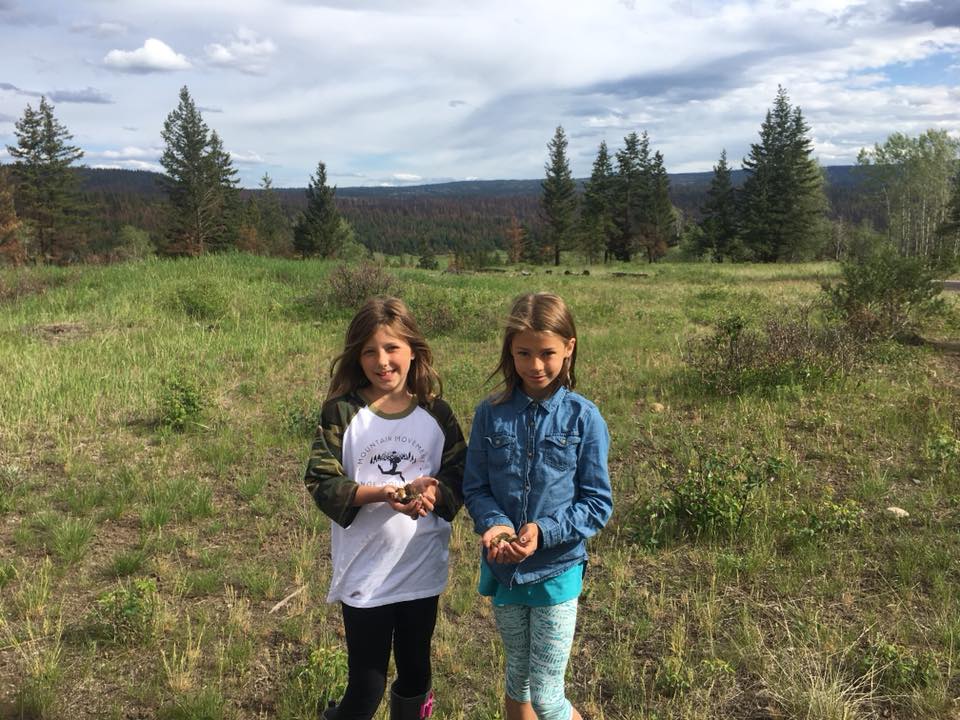
    The previous extent of my mushrooming has pretty much focused around the fall when the fruiting bodies emerge from beneath the moss, on the sides of logs, and through the cottonwood leaves. Pines, chanterelles, shaggy mane, and combs tooth are all I really know well enough to harvest and eat without being worried I might kill my family. But this year, it was the spring harvest of morels that called. My partner in crime suggested we bring the kids. They (the kids) are low to the ground and possibly more enthusiastic about picking mushrooms than we are. They had a small taste of the exciting morel hunt a couple of years ago picking in the Boulder Creek fire zone. We were all excited about finding a few morels to cook, save, trade.

    v and dawn geeking out

    We decided to pick in the Elephant Hill Fire zone that burned about 192,000 hectares in the Cariboo last year. While this is undoubtedly devastating on many levels, fire is part of the natural disturbance regime of that forest type. Many species that grow in that area are fire-adapted or fire-dependent. For example, the thick bark of mature Douglas-fir can withstand moderate fire (check out the fire scarred trees at One Mile Lake). Deep roots of vaccinium species (blueberries, huckleberries, etc) survive and send up an abundance of new shoots in following years. The cones of pines trees have a waxy coating which opens in response to the heat of the blaze, scattering seeds onto soil newly fertilized by nutrients in the ash. Many forest types require fire to stay healthy, to regenerate. Indigenous people throughout the world incorporated fire into their traditional landscape management. Lil’wat people extensively burned areas within their Traditional Territory to promote food production, and “the hills were just like a garden” (Baptiste Ritchie in Turner, 1999). Root vegetables such as: Indian potatoes or skewnkwina, yellow avalanche lily or sk’am’c , and tiger lily or skimuta (Lilium columbianum) and many berry crops were managed through controlled burning to produce better crops (Turner, 1999).

    Fire suppression to protect homes, communities, forest “crops” and other interests have impacted this natural disturbance regime. Without fire, forests are susceptible to disease such as the mountain pine beetle and over time, stagnate. Forests that historically burned regularly in a patchwork pattern now are subject to catastrophic, widespread, high intensity fires that change the way the forests regenerate. Soils become hydrophobic, resulting in a vegetative moonscape and flash flooding (we saw this near Loon Lake). Fire-adapted species can’t withstand the intensity. The list goes on.

    However, I digress. Back to the morels.

    Morels and wild mushroom harvesting in general are a huge industry. In preparation for the onslaught of mushroom pickers, the Secwépemc people (whose Traditional Territory we were picking on) implemented a permitting system, created designated campgrounds, and on-the-ground safety support. Permits in hand, we tested a few places on the way up to our destination. We kind of thought we may need to be picking with elbows out like on an epic powder day but were pleasantly surprised to be alone. Within a couple of minutes of jumping out of the truck the kids were shouting in excitement.

    ash and violet

    But we did not expect what waited for us only a short distance from our cabin. The forest floor was littered with morels in places. Over the course of a couple of short and easy days picking, we harvested all we needed for ourselves and close friends, so abundant in the immediate area we stayed in sight of the truck the entire time. In places, you had to really watch where you stepped so that you didn’t crush these highly camouflaged gems.

    post burn bounty

    The kids, in total disregard to the cloud of mosquitos, picked solidly and without complaint, filling their buckets amidst cries of “Jackpot!”. “Partner Alert! I need help!”.

    motherlode

    We hypothesised about abundance, distribution, ecology. I was excited to come home and learn more. I wanted to know why morels appear after a fire, and the question seems somewhat unanswered by science. While much research has been conducted in recent years regarding the extraordinary and fascinating importance of mycelium or  “mushroom roots” in the forest floor (check out this video– SO COOL!), morel ecology, spatial distribution, and abundance are not widely researched. In order to make sense of one hypothesis, it helps to have basic knowledge of the mushroom life cycle.

    mushroom life cycle

    Some scientists suggest that after a fire destroys many of the plants the morel hyphae may have been working with, the hyphae are stimulated to form fruiting bodies and send their spores far and wide in hope that some will land in areas with living plant roots. Totally plausible in my eyes.

    It is fascinating to think about how ecosystems are adapted to respond to catastrophe. It gives me hope in our changing world. If a morel mushroom can withstand the hottest of fires and not only survive, but thrive, can we heal our hurting planet? Can our natural world adapt fast enough for climate change?  Is that part of why our hearts are buried so deep in our chests? I like to think that is why for some of us, our fears, happiness, vulnerability, our joy are buried in emotional vaults that they are just waiting to be tested, to have the opportunity to rise up, to spread, to be released.

    It makes me think about the projects I am working on right now, which have a strong focus on “resiliency”. It seems to be the new buzz word, superceding sustainability. Like the theory of morels acting out of a need for survival, I wonder what the catalyst will be for individuals and communities to summon the vision of resiliency into the action of resiliency. It is already happening, I know, but at the same time it feels like our world is constantly bracing, building, preparing. I am grateful to celebrate the ways in which our community builds resiliency. Great weekends away with great friends. Breaking bread, sharing food, spreading ideas.

    I employed a variety of methods to preserve my bounty but focused on dehydrating. My favourite morel recipe so far was a simple Risotto Bianco with morels and garlic scapes sautéed in butter. If anyone is inspired to go hunting for morels, I think that area will still be good until mid-June or so. Keep a watch on fires happening this summer and plan a trip for next spring. Like most trips to the woods, it deeply satisfied the nerder naturalist and philosopher in me!