
You know the scene in the BFG when the giant introduces Sophie to the most scrumdiddlyumptious drink in the world, frobscottle?
My mate and I decided to scale back our adult-beverage-drinking, after we went into pandemic survival mode with the help of a case of wine and a couple of cases of beer, and discovered, months (and unwelcome pounds) later (although it still felt like March), that the daily take-the-edge-off habit was not really sustainable over the long-term, or over the conceivable life of COVID-19, which could be years.
Embracing sober-curiosity in July meant asking ourselves questions in a curious way: what need in me is rising up and seeking fulfilment right now? What can I do to meet that need, in lieu of pouring a glass of wine? It was interesting to realise what those needs were, as we found substitutes – glass of water, cup of tea, fancy little cheese and cracker platter to call the day to an end, delicious oxymels brewed up according to Natalie Rousseau’s recipes.
Sometimes I was just thirsty. Sometimes, I wanted a little reward for having done such a good job of adulting all day. Sometimes, we wanted to create a feeling of celebration. Sometimes, the day felt so much like every day that had come before it, that we needed some kind of ritual to mark it as special (which goal was somewhat undermined by choosing alcohol as the ritual every day.) Some days, I just needed to claim one single fucking moment that was mine, after an endless stream of moments catering to everybody else, even if it was literally just a mouthful.
And it has been fun to discover that I can meet these needs in other ways (although the last one is proving the trickiest.)
The celebration, the specialness, the coming together is quite wonderfully met with frobscottle. Or, our version, ginger lemon soda. (Doesn’t make you toot. But the bubbles are spectacular.)
It’s probiotic, if that tag helps you feel generally better about consuming things.
So that’s the long introduction that could be summed up with a clickbait headline: the drink that makes you feel happy, while sober!
In one of the first posts we ever shared on Traced Elements, Denise shared about making a ginger bug, and I was intrigued.
(Here’s the Nourished Kitchen post that explains all about it.:
Ginger bug is a slurry of fresh ginger, sugar and water that has been allowed to ferment until bubbly and foamy. Brewers use the bug to brew probiotic tonics and drinks like root beer, ginger beer or probiotic lemonade.
Like sourdough starter, ginger bug is a starter culture that is rich in wild bacteria and yeast. These starters kickstart the fermentation process for other fermented foods. Sourdough starters provide the bacteria and yeast to make bread. Kombucha mothers make kombucha tea. And ginger bugs make homemade, naturally fermented sodas.
When you mix ginger and sugar together with water and let it sit, the wild bacteria and native yeasts in your kitchen and on the ginger itself begin to proliferate and grow. These wild microorganisms eat the sugar in your bug, and produce carbon dioxide as a result.
When mixed with a sweetened herbal tea, fruit juice or other base, the microorganisms in the ginger bug consume the sugar in the tea or juice. As they do, they reproduce and emit carbon dioxide that gives homemade soft drinks their bubbles.
When I opened up my copy of The New Homemade Kitchen: 250 Recipes and Ideas for Reinventing the Art of Preserving, Canning, Fermenting, Dehydrating and More by Joseph Shuldiner (last mentioned as my pickling bible), I was enchanted by this statement:
Wild Fermented Soda
Fermented soda is made with your own live, wild starter, fermented using only fresh ginger and sugar, charmingly referred to as a “ginger bug.”
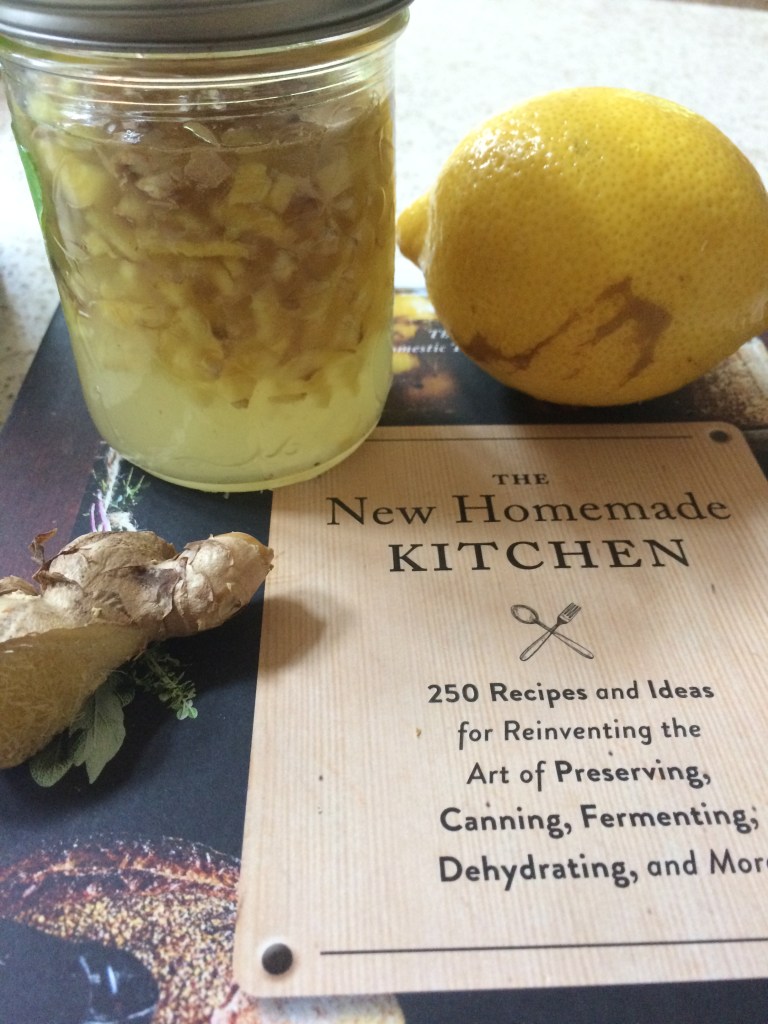
It’s super easy.
These instructions follow the recipe from The New Homemade Kitchen, a wicked-good reference for any kitchen, which has emboldened me to experiment joyfully:
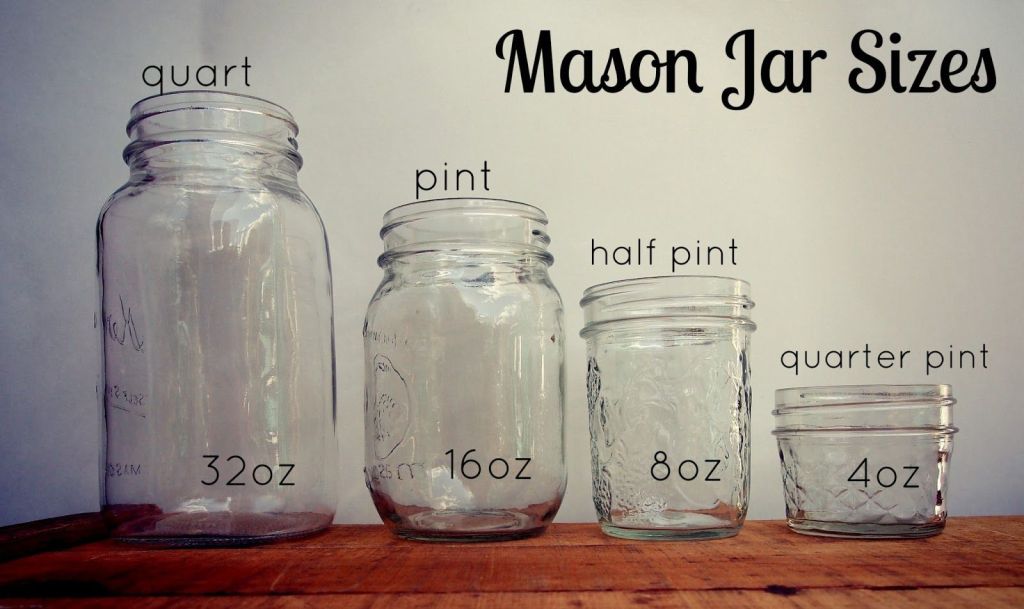
Take a large (pint-sized) mason jar, (the book suggests a half pint, but we quickly upsized, to meet our production demands… maybe start with the half pint and then scale up?), add 1 tbsp fresh unpeeled finely chopped ginger and 1tbs white sugar. Fill with filtered water (if using tap water that is treated, let it sit out for a while so the chlorine can burn off; if you are on a well, you can use that water). Leave about an inch of headspace at the top. Stir to combine, then cover the jar and set it aside at room temperature.

Feed your ginger bug every day, at roughly the same time, by adding another 1 tbsp of chopped ginger and 1 tbsp of sugar. Stir, and cover. After 5-7 days of daily feeding, the “bug” should fizz strongly when the ginger is added. It’s now ready for soda making!

The first week was the hardest – remembering to feed it, being patient, feeling sceptical, wondering if I actually really want to cultivate and house and invite the proliferation of invisible bacteria that are *already living in my kitchen* (say what?? I mean, ewwwww.)
To make soda, I strain off 105 ml of the starter at a time, and then refill the jar with water, and keep feeding it. Now and then, I’ll scoop out some of the ginger to make room. But basically, the ginger bug has become a regular countertop companion, alongside the kombucha and the jars of oxymel in various states of infusing. It’s just one more lovely life form I tend to (and the most low maintenance, let’s be honest, especially compared to the Significant-Other-bug, charming as he can be.)
If you’re like me, and need to read recipes six or seven times before they stick, check out the Zero Waste Chef’s blog in which she explains her ginger bug process. (She has a book coming out in the spring!)
As far as I can tell, you need a wire-bale or EZ cap bottle for your concoction, because pressure builds as carbon dioxide is generated.
The New Homemade Kitchen instructs you to mix:
105 ml of strained Ginger Bug starter
1/3 cup of fresh lemon juice
4 tsp of fresh ginger juice (the most finicky part of the process which involves pressing a piece of peeled ginger against a fine mesh sieve to extract some juice… I don’t ever find this very juicy, so I might be doing something wrong… but that’s the best thing I’ve taken away from this whole experiment… You might not do it perfectly, and the results are still delicious.)

When we opened the first bottle, ceremoniously (and slightly nervously, “stand back, stand back, it could possibly explode!” which of course made my 7 year old desperate to be in charge of opening it), the boy-child drank a cup and pronounced it the best ever. “I will never drink another pop again,” he said. Subsequently, it has been increasingly difficult for me to get my hands on. It seems to disappear quickly. I tell myself it’s medicinal – after all, isn’t ginger and lemon tea the prescription to ward of colds and flu? Add probiotics. Drink up, kiddo. I’ll make another batch.
Apparently, you can also use this ginger bug base to brew your own ginger beer… stand by, that may be a future post…
Living in a world held hostage by an invisible pathogen, I have found it to be immensely heartening to make friends with other invisible microbes… to realize the world is full of life forms that we cannot see and barely pay attention to, and they’re part of our daily life, impacting us constantly – and often, beneficially – helping us digest our food, accelerating the action in our compost pile, turning the tea into kombucha… Befriending them, and inviting them into the kitchen as my co-creators, has helped me find a better sense of balance, mentally, than at the start of the pandemic when I hunkered down with my case of wine hoping the invisible lurgy didn’t pounce on me and my loved ones. This, after all, is the actually story of Life. Not ‘eat or be eaten’. But let’s co-exist. Symbiosis, my friends. It’s win-win.
Symbiosis is recognition that the way life actually evolved was through different organisms working out how they could offer something to another organism. Rather than the zero-sum game we’re told Life is in the Selfish Gene concept, (everyone’s out to beat everybody else), that’s not how evolution works. It works by different entities getting together and sharing their particular skills to create something bigger that is better for all, eg the way Fungi take all that debris of plants and animal matter and reorganise it to make the soil fertile for plants. Or, plants, that are superb at photosynthesis, need help moving their seeds around, so they offer nutrition to animals who in turn move the seeds of the plants to enable the whole ecology to strengthen.
Every single element of life is like that: we work together to create something better. ~ Jeremy Lent




 Traced Elements