Blog

  • Taking My Own Medicine

    Taking My Own Medicine

    Every October I sort of lose my mind. I could choose to call it seasonal affective disorder, depression, pieces of shadow I have not eaten. But I am careful not to put it into any of these neat little boxes, because then I would stop extending my most compassionate curiosity toward this strange seasonal storm. I want it to remain a wild thing, an unknown tempest of fury and flying sticks, because every time it shows up it serves a purpose. I’d even go so far as calling it sacred, because each time I allow it to sweep my floor clean, something I have been praying for enters.

    There’s a pattern here. A seasonality. Every October, I used to migrate like a swan. As soon as the last of September’s warmth sank over the horizon, I blew up my life, put the pieces in a backpack, and left. Later, when I stopped traveling to far-off countries and instead moved in a series of lunges across the North American continent, October became the month I put everything I owned into my car (or my truck, or a suitcase in the underbelly of a Greyhound bus) and drove until I hit a coast and had to stop.

    Now that I’ve rooted myself in the kind of life that contains four horses, one sheep, one pig, one dog, twelve ducks and two roosters, the ferocious energy of THE MIGRATION THAT SHOULD BE HAPPENING no longer blows me across the continent. Instead, it bowls me over. This year, I looked out over the crazy abundance of harvest season, my belly full of squash and roast duck (all the incredible generosity of the natural world!) and was so irrevocably angry that nothing made sense anymore. The anger burnt until there was nothing left but nothingness. While all around me trees dropped their leaves in an incredible display of letting go, I was furious at them for making it look so easy. This is insane, no?

    How does this connect to Pemberton food culture, you ask? Well, it doesn’t. But it does. Because a couple of days ago, before this year’s particular loss of mind levelled out and let me think with something akin to clarity, I opened my medicine cabinet and saw this:

    medicine cabinet

    “This” is the library of wild-foraged tinctures I’ve created over the past 4 years. (Their labels are double-sided, so the essence of the words can seep into the medicine.) As I read their labels, I realized something: I created each of these medicines in October. Each was created as a support for weathering that particular year’s energetic storm. As I felt into their contents, I realized that looking at the interior of my medicine chest was like looking at the growth rings of my own evolution, as well as my connection to this wild part of the world I call home.

    2015: Love, Compassion, Congruence. Usnea longissima: the long, delicate single strands of lichen that hangs from trees like the animate glowing trees in Avatar. Potent antiviral and immune support, grows only where the air is pure and the forests contain old growth.

    2016: Changes toward Infinite Potential. Again Usnea longissima, this time with Lungwort Lichen (Lobaria pulmonaria.) I was still working with air beings, still striving for lightness. This one recognized the animus of the invisible transmission of air as connector between the animal and plant realms and between all beings. (If I breathe in air a tree exhaled and then YOU then take in the air I breathed-)

    2017: Liberation. Atonement. Unity. This was a graduation ceremony from air to earth, something I created specifically when I moved from Squamish Valley to Pemberton. Devil’s club root and bark (adaptogen), willow bark (for deep pain and calling in receptivity and remediation).

    2018: Belonging, Lightness, Radiance, Love. This one I made in secret after hiking up to Tenquille Lake with Pemby herbalist Evelyn Coggins this summer. We were not supposed to take any plants. (Evelyn, I am sorry I am so terrible at obeying rules.) There’s a chance a few flower heads of Valerian and River Fireweed (along with a few hemlock tips, a piece of old man’s beard (another Usnea!), and a piece of quartz may have made their way into my pocket on this hike. (Barely a handful of plant matter, I swear…) Covered in 100 proof vodka and shaken every day for 20 days, this one is light and floral but POTENT. Holy $^%&. The first time I tried it I almost fell asleep in the library. It’s for taking before bed, to encourage new neural connections to form through dreams…

    Then I had a conversation with myself that I’m embarrassed to disclose. But I will anyway, because I think we all have these sorts of conversations from time to time. It’s just not something we talk about.

    “Well Kera, you should try to remember to take some of these. That was the point of making them.”

    “Humph.”

    “??”

    “Oh, right. Okay, okay.”

    “And you know that St John’s Wort tincture you have in a mason jar under the kitchen sink? You should take that too. Because you made it SPECIFICALLY for coping with Octobers. Remember?”

    “Um, yeah. Yeah I did.”

    I did. I do. I am. Taking them. Ten drops in the morning of Liberation/Atonement/Unity and 6 drops of Belonging/Lightness/Radiance/Love before bed. Could the prescription be anymore poetic?

    Pharmaceutical companies, take note. You could do better.


  • Our 2018 Farming Season in a Nutshell: Part 3 (Late summer/Fall)

    Our 2018 Farming Season in a Nutshell: Part 3 (Late summer/Fall)

    After Juneuary,  (see part 2), July’s weather was seasonably normal, but it was too-little-too-late for many of our flowers and for our heat-loving crops, like the tomatoes, eggplants and peppers.

    We were 6 weeks behind and many things needed 6 more weeks to mature.

    Luckily , over the years we have planted and divided many perennials to fill in the gaps as we waited for our annuals to bloom. We combined these with some natural wildflowers, like tansy, goldenrod and lupines, and were able to put together some nice bouquets for our regular customers.

    We had intended to expand our flower market, but with limited supply, that was out of the question this year. We had planted over 200 dahlia tubers and patiently waited for them to bloom. And bloom they did!

    Due to the weather, our season had become compressed.

    Plants have only goal in life – to reproduce. They bud, flower, fruit and go to seed, accomplishing this in whatever time frame is offered.

    Our gardens, just like wildflowers in the alpine, bloomed all at once, through necessity. So instead of having a staggered harvest, our cherries, berries, veggies, and flowers all needed attention at the same time. Hectic, to say the least.

    Our garlic  and fruit crops, a couple weeks late due to weather, were steadily approaching and we couldn’t keep up with everything else. We did what all farmers do when push comes to shove – we worked our asses off from dawn to dusk. Now we had fresh products for our markets, which of course is another job in itself. Our colorful stand attracted customers like butterflies. Finally we had a decent income stream, even though we had been at it for several months.

    Garlic, being our cash crop, is also our most labour intensive one. Every year, for the last few, we’ve expanded our volume by about 2000 bulbs. We were up to over 12,000 last year. Harvesting, sorting, cleaning and curing, usually takes about 6 weeks, with extra help, at a steady pace.

    Pulling it up can turn into panic if there’s a forecast for rain. After 2-3 days in wet soil  ripe garlic skins decompose, leaving split bulbs which store poorly and affect marketability.

    Murphy’s law of course, proved correct – it rained heavily mid-harvest. As we frantically  pulled the crop out of the soggy ground, we luckily found most of them still intact. Good. Most however were significantly smaller than usual. I did everything I normally did  at all stages with respect to mulching, weeding and fertilizing, and everything looked great above ground. Unfortunately, being a root crop, it’s what’s happening below the soil that matters. I had planted them in a new site that was south facing, but obscured by tall trees to the east and west, resulting in shady mornings and early evenings. This combined with a cool spring must have been the problem. Garlic prefers warm soil to bulb. This size difference didn’t affect quality but drastically reduced yields, yet it was still the same amount of work.

    My biggest concern now is that I won’t have enough seed-grade-sized garlic to replant for myself, let alone sell to other growers.

    I am ironically currently trying to purchase some more.

    I haven’t done the calculations yet, but  we will definitely have a smaller crop to plant.

    After the garlic harvest we immediately proceeded to fruit harvesting. This year we picked most of it in the rain, as we finished off the summer months with the worst September I can remember. It poured rain for 5 out of 6  of our most important market weekends from Labour Day to Thanksgiving. This not only affected sales but also our motivation. Again, we put on a brave face, brightened some people’s day with lovely flowers and pretended farming is always great.

    If our season comes across as all doom and gloom, that’s not the whole picture. We had  quite a few successes. Our huge dahlia patch was a field of dreams with massive blossoms over our heads. We had a bumper crop of berries, which kept our daughter, our highball picker, busy.  Apples and pears did really well and made up for the less than average cherries and plums. Our value-added garlic products, such as powders, are a huge hit.

    Should we measure our season by the weather, how some plants did or from our bottom line? Absolutely not! Any farmers who view their business this way, would soon admit defeat and quit. We are pleased to have a freezer full of meat to eat and trade with, and enough frozen, dried  and juiced fruit to last the winter. We have enough tomatoes , onions and peppers to keep us in pasta sauce for a long while. We have just enough savings to take a short holiday before the snow flies. Success in my books.

    I had to summarize our seven month season into three parts because this chosen profession is so involved and variable. Did I cover everything? Not even close! We have two orchards with dozens of trees and huge berry patches that need pruning and spraying, (organic methods of course), then picking and storing. Regular yard work and landscaping for 6 acres. Composting and amending soil. Tool and machine maintenance. Clearing, brushing, burning and firewood. Irrigation, weeding and succession planting. Renos and maintenance of our large house and outbuildings. Fencing, building a chicken coop and hoop houses. Daily chores such as taking care of 20 layers and 200 meat birds not to mention, slaughtering, butchering and processing them (not fun).  On top of all that, there are the indoor jobs I loathe the most such as marketing, book keeping, ordering supplies, and other paperwork.

    Now, before I think of anything else I’ve missed, I must stop writing because I have garlic beds to prepare and plant. A farmer’s day is never done. If you like a cushy, stable, and risk-free job, don’t even think about being a farmer. Personally, I wouldn’t have it any other way.

  • Our 2018 Farming Season in a nutshell:  Part 2 (Late Spring/Early Summer)

    Our 2018 Farming Season in a nutshell: Part 2 (Late Spring/Early Summer)

    This is the second instalment of Mike Roger’s recap of the rollercoaster farming season of 2018. For part 1, click here.

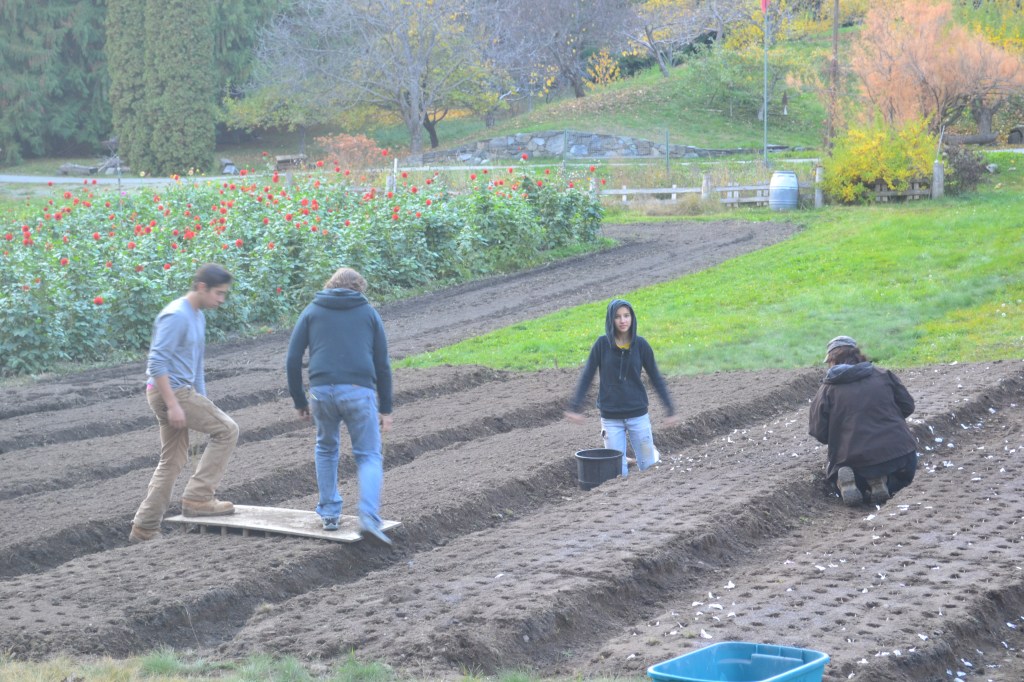
    So, here we are at the end of April, with a grow room full of tiny, compromised seedlings (see part 1).  Our hydro bill is through the roof and we have a lot of expenses. Most farmers have already tilled up their beds and are starting to plant the hardier varieties outside. We are feeling defeated. Why bother turning the soil if we don’t have anything to plant yet? It’s only an open invitation for weeds.

    In farming, if you’re not an optimist, you’ve already lost the game, so despite it all, we prepare our beds, not knowing what or how much we’re going to grow. We cover the fresh soil with drip irrigation and bio-mulch, a bio degradable plastic film to suppress the weeds and wait for whatever seedlings have survived to mature enough to transplant.

    Our only farm income in the spring is our annual Mother’s Day plant sale. Less than a month away, things are looking grim. Our neighbours have come to count on us to find heirloom varieties of tomatoes and other starts you may not find at the nursery. Luckily the tomatoes fared better than the delicate exotic flowers that we spent a lot on seeds for. Miraculously we had a successful sale, factoring in our perennials such as raspberries, rhubarb and herbs.

    Farming is so profoundly weather-related — the nicer the spring, the better off you are. Well, not in our case. May was extremely unseasonably hot (aka “Maygust)”. We knew we had to get our starts in for the traditional Victoria Day holiday deadline. We literally watched our tiny compromised transplants shrivel in the hot sun. The top of the soil would be bone-dry midday  and watering at this time often magnifies the sun’s rays. We lost even more plants and were forced to direct seed in the blank spaces between the survivors. We also had to resort to purchasing expensive starts from the nursery for many plants we couldn’t wait to sprout.

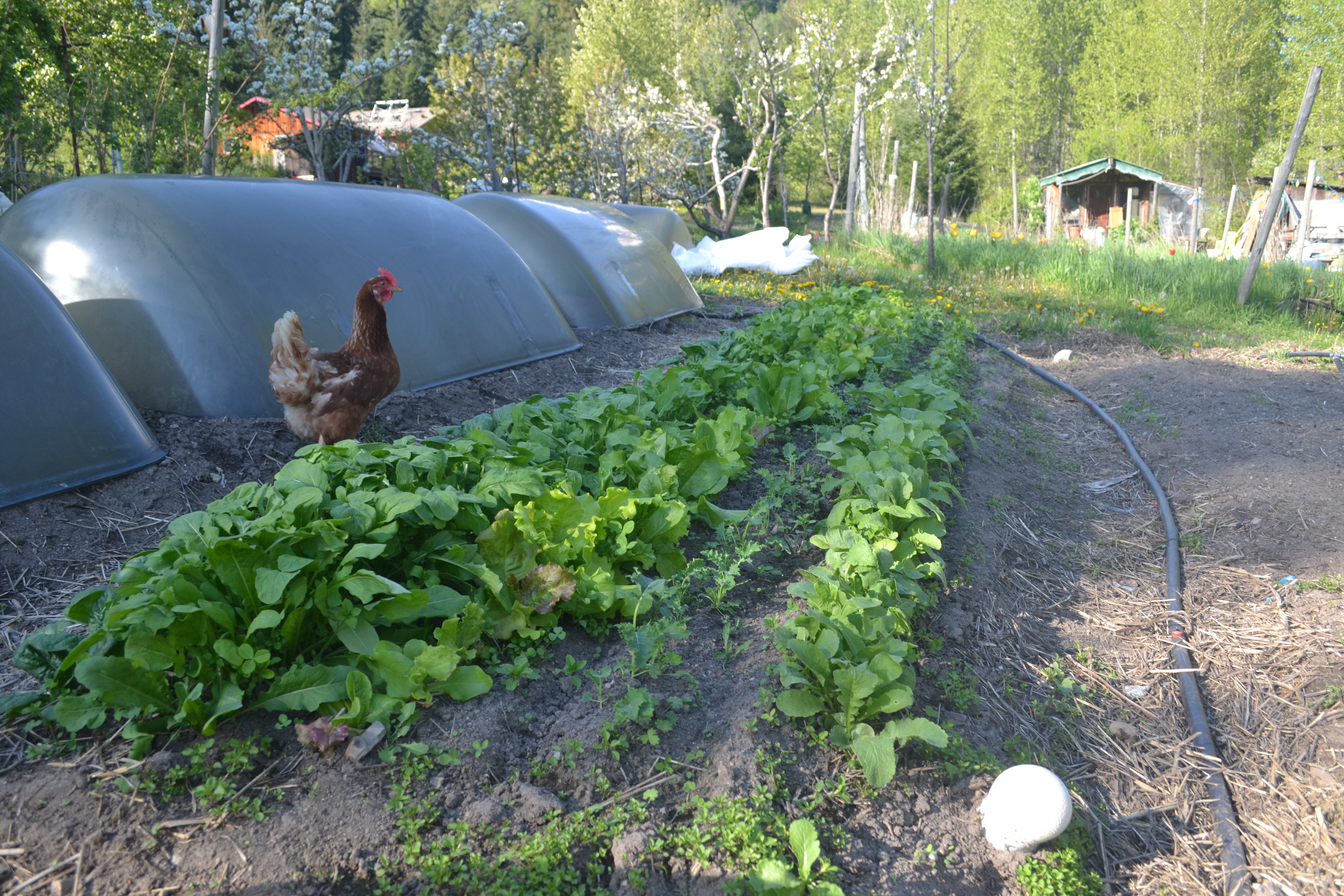
    Most of the things we focus on growing in our niche market are late season – heat-loving and slow-ripening – such as fruit, berries, tomatoes, flowers, and garlic. June is a make or break month, weather-wise. It sets the stage for yields by establishing buds and  deep roots to prepare for the summer.  A cold spell in June, for some reason, has become common here in recent years. This is fine for those growing brassicas, spinach, radishes and early season crops. During June, however, this weather pattern (Juneuary) lasted the entire month! It seems we got hit worse in Birken than in Pemberton. A few hundred feet in elevation results in a few degrees which can make a huge difference. The general rule is that below 6 degrees C, most plants just stop growing.  The nightly lows were often around 7 in Pemberton and less than 5 in Birken. We were burdened with covering  the plants up at night (with bubbles from the old Wizard chair), something we normally did in April.

    DSC_0021

    Farmers Markets have become big business. There is pressure to extend the season on both ends, regardless of what’s available from the weather dependent farmers. Again, this is okay for cool weather crops and artisans, but not for us. Nonetheless, we have to  book and pay for our markets long in advance.  So here we are into July and we’ve got nothing  fresh for our scheduled markets. Do we just cancel? No! We need money to keep the farm running! We had to somehow pull a rabbit out of a hat. We  quickly made some twig baskets and rustic coatracks (hence the Willowcraft name), packaged some dehydrated garlic and apples, made some vinaigrettes and raided our kitchen garden of herbs and greens. Of course, our stand looked awesome and our customers were unaware of all our challenges.

    In farming, if you don’t adapt quickly, you’re done.  It’s not like there’s a choice. It’s a life-long lifestyle. I wasn’t going to abandon everything and get a 9-5 job to pay for bills. If it weren’t for credit, I don’t think there would be a single farm in existence.

    Stay tuned for part 3, in which we’re overwhelmed as everything ripens at once, and underwhelmed by the performance of our cash crop, garlic. We finally somehow salvage our difficult season finishing on a (spoiler alert) positive note.


  • Our 2018 Farming Season in a Nutshell: Part 1 (Earlyspring)

    Our 2018 Farming Season in a Nutshell: Part 1 (Earlyspring)

    In farming, no two years are ever similar, with hits, misses, trials and tribulations. You often add a few experiments, delete a few duds, and try to improve infrastructure and efficiency. Nature is fickle however, and like anything in life, things rarely work out as planned, you have to roll with the punches and Mother Earth has a hefty left hook.

    This year, we had so many ups and downs I will have to break it into 3 parts: Early  spring, Late spring/summer and Fall

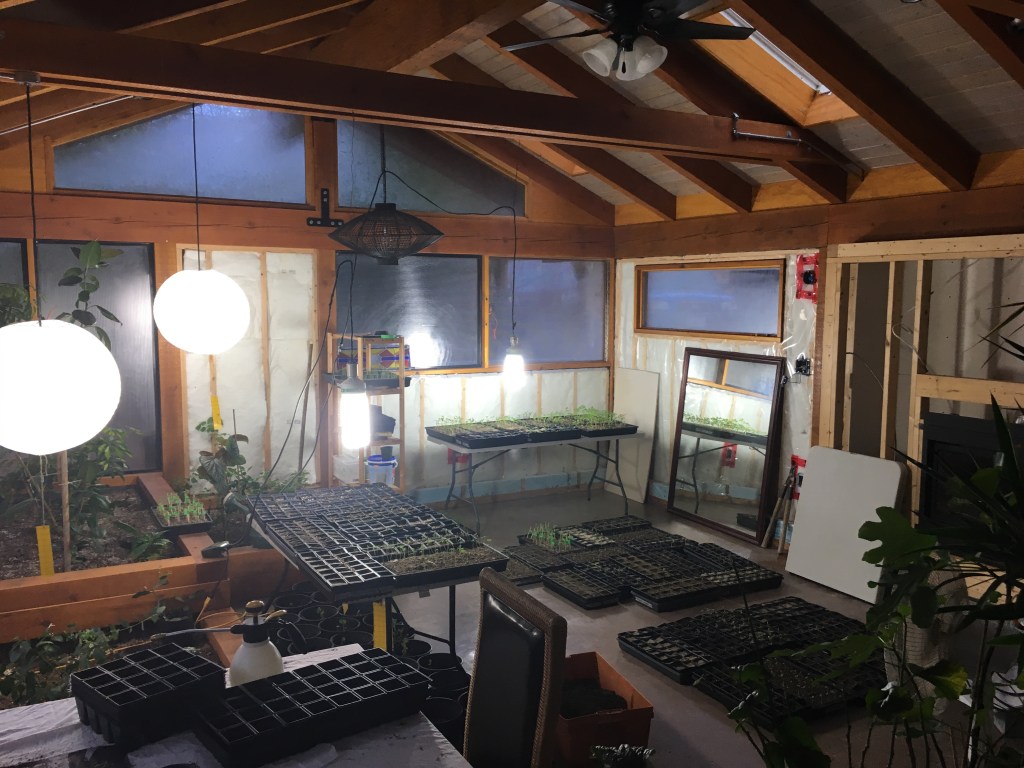
    Our seasons always start optimistically with the first inkling of spring in early March. This year, we were extremely excited to use our newly constructed propagation room, a large solarium with heated floors, grow lights and ventilation. We invested  tons on construction, and more than our usual amount in new seeds, with the intent of going big. We had a line on some recycled potting mix from an indoor commercial operation.  I knew using  outdoor natural soil for indoor plant starts is a big no-no with the possibility of introducing pests or diseases. I felt confident with my score because it started as  certified organic sterilized mix and also sat outside all winter which should have killed any troublemakers and their eggs, plus I had used some before. Most of all it was free, saving me hundreds of dollars in a time that is lean for farmers.

    Our lovely solarium also has tropicals, citrus, coffee, figs etc. As soon as the temp rose , the aphids, whose eggs overwintered on these plants, hatched. Problem number one. We quickly tried to control it with insecticidal soap, but couldn’t keep up. With organic methods, you have to work as many angles as possible – you can’t just go out and buy some strong poison and kill everything in one shot. We tried jets of water and vacuuming, but still couldn’t keep up. We became concerned when these little creatures found the tender sprouts of our seed starts. We purchased 3000 lady bugs and let them do the work. They eventually worked but some damage occurred and we had to re-seed a lot. This was early in the game, and we weren’t too upset. We still had plenty of time to recoup our losses.

    Fast forward a week or two, and we noticed the seedlings are dying off . We get out the magnifying glass to check for bugs: none. Good. We assumed the plants are damping off, a condition that often occurs in wet, cold soil. We cut back the watering and crank up the heat. This only made the situation worse. Eventually we noticed tiny fruit flies hanging around the plants. Problem number 2. This was perplexing as there was no fruit anywhere and the sprouting vegetation was fine. These plants were dying from the ground up. Oh no! Fungus gnats! These flies are harmless, but their larva were eating the roots faster than they could grow. The damage had been done before we even diagnosed the problem. Those thousands of flies were laying tens of thousands of eggs in the soil. Now what? We called the company that sold us the ladybugs and ordered a bug with a fancy name that eats gnats. We had luck with biological controls (that’s the term when you introduce something natural to control a pest) with the ladybugs vs aphids, so we were confident. We disposed of the trays, re-seeded again and released thousands of these critters all over to deal with the gnats. We didn’t really know yet how these gnats were introduced and assumed they also overwintered on the tropicals in our above freezing solarium. Time was running out on our seeding window, but still felt we could pull it off.

    Unfortunately this didn’t work as well as planned. The control pests didn’t multiply as fast as the gnats. The flies kept on hatching which meant the roots were still being eaten.

    But where the hell did these bugs come from in the first place? I called the person I got the recycled soil from and asked him if they ever had issues with fungus gnats. He shamefully replied yes, but hadn’t mentioned it at the time, assuming everything would have frozen to death as it sat outside all winter. A quick google search on gnats revealed they have a natural antifreeze in their eggs and larva that can withstand warm winters.

    This dilemma kept me up at night: a large part of our farm income – annual flowers, tomatoes, herbs and veggies, was seriously jeopardized. There is no insurance for this type of thing. I scoured the internet for any solution. One was to douse the soil with diluted hydrogen peroxide (suitable for organic standards). This worked a bit, but not totally as it also killed the control pests in the soil. Now I was back to square one and there were still gnats flying around ready to lay more eggs.  I tried some other control bugs, but they took a few weeks to hatch! No time to waste! I was frantic.

    Next possibility was nematodes – another control bug that lives in the soil. They are expensive, and our seeding budget was getting tighter. I got some leftovers from a friend, but they were out of date. I had no time to rely on something that may not work. Last option? An organic mosquito control for small ponds that apparently works on gnats. This was affordable and I just kept dousing the soil every couple days. It seemed to be working but not after losing thousands of seedlings.

    Now that we knew the source of the problem and a  had a solution, we had to get some fresh potting mix and re-seed for the 3rd time with whatever seeds we had left.

    We were now far behind schedule, but like all farmers we kept ploughing through on a wing and a prayer.

    Come back for part 2 (Late spring/summer), in which I will describe how the weather further shit-kicked us.

  • Down to the Dregs of the Apples…Use Them Up!

    Down to the Dregs of the Apples…Use Them Up!

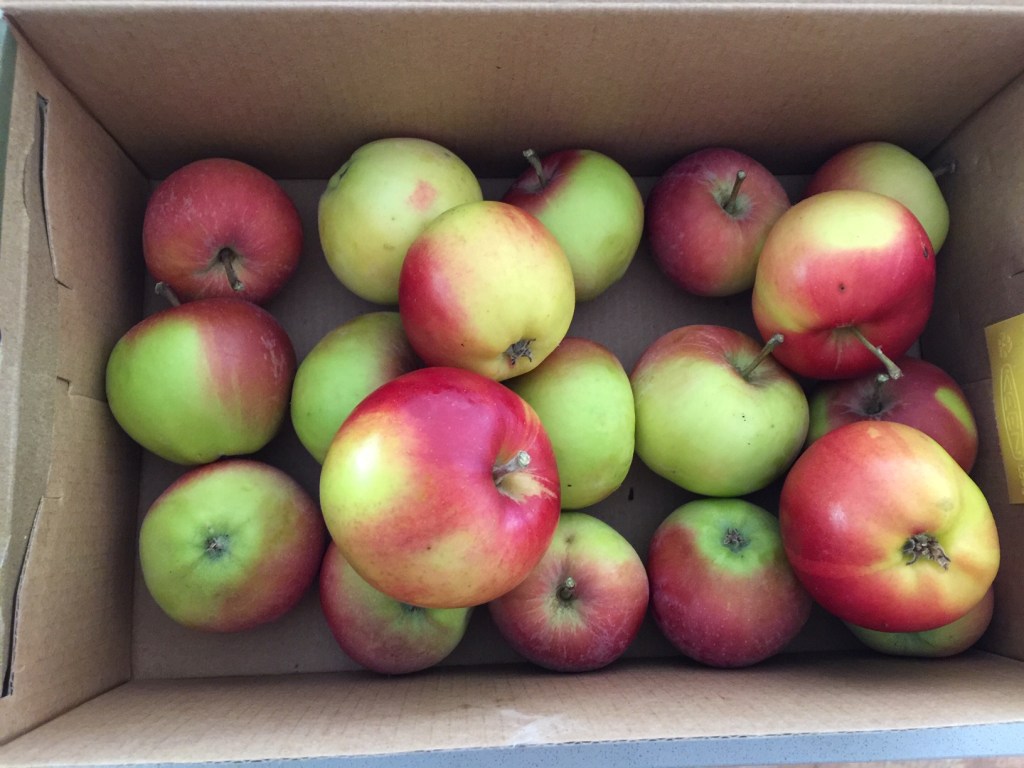
    If you are not lucky enough to have effective cold storage, your harvest supply of apples may be looking a little tired right now. If so, I have two fantastic recipes that take advantage of less than perfect, small, slightly shriveled apples that you might be tempted to compost.

    Also, I made tarte tatin recently with a fresh supply of delicious coastal apples that were perfectly ripe, and freshly picked. The recipe was from Martha Stewart’s Baking Handbook and is available at the Pemberton Library. I adapted her Pate Brisee recipe by using spelt flour and the results were tasty!

    We are also onto the “dregs” of cricket chirping. Cricket chirping is one of my favourite sounds. They started in late July and almost mid-October I hear a forlorn cricket or two at night. They sound kind of lonely. Cheers to the persistent crickets who usher in shorter days and frosty weather.

    Here are two recipes to use when you have processed all your nice large apples and are left with tiny ones that aren’t much use. These recipes just call for tiny pieces of apple and you don’t need to peel them first. Also the tuna patties are super quick, and also portable for lunch on the go. The rice pudding recipe is cooked for 6 hours in the slow cooker and is so easy and a real treat on a frosty evening. One is fast, one is slow, but both simple and easy.

    Quick Tuna Burger Patties:

    2 cans drained flaked tuna in water

    ¼ cup real mayonnaise

    ¼ cup almond meal

    1 egg

    1 tbs Dijon mustard

    ½ tsp salt

    ½ tsp pepper, or to taste

    ¼ cup chopped fresh dill

    ¼ cup finely chopped apple, unpeeled

    Method:

    Mix all ingredients together and form into 6 patties. Fry on medium low heat in 2-3 tbs olive oil until nicely browned on each side. The longer they cook, the better they will hold together so don’t rush the frying.

    Slow Cooker Rice Pudding:

    2.5 cups whole milk

    ½ cup whipping cream

    1/3 cup Arborio rice

    1 tsp cinnamon

    ¼ cup white sugar

    ½ cup finely chopped apple, no need to peel first!

    1 tsp vanilla

    Method:

    Place all ingredients in a 2 quart soufflé dish and put that dish into a slow cooker crock. Cover with lid and cook on LOW for 6 hours. (Do not cook on high heat as the milk won’t cook as nicely.)


    Tarte Tatin recipe can be found in Martha Stewart’s Baking Handbook, published by Clarkson Potter and available at Pemberton Library.

    IMG_9589.JPG
    Rice pudding prior to cooking
    IMG_9810.jpg
    Tarte Tatin: doesn’t look as good as a slice of pie, but the flavour is rich and texture is dense!
  • The pros and cons of having WWOOFers

    The pros and cons of having WWOOFers

    Q; What is a Wwoofer? A: Its a dog that pulls weeds! Jokes aside, WWoof can be an acronym for either World Wide Opportunities on Organic Farms or Willing Workers on Organic Farms depending on the area and its labour laws. They are basically homestay farm volunteers who work 4-6 hrs /day in exchange for room and board. The organization began in the UK in 1971 when there was a revival of back to the land interest, volunteering and adventure travel.

    I can only imagine the logistics of organizing such an endeavour back then, with snail mail and hard copy photos. Since the advent of the internet it is so much easier, with quite a few other similar websites such as HelpX and Workaway.  These new sites have become popular because they’re not just organic farm related. It’s easy, using the same format as a dating web site with profiles and photos from both parties. Fortunately, the meetings are less awkward.

    We have hosted an average of a dozen helpers a year, for the last few years. They come from all places, cultures and ages. There are many pros and cons, but to be honest, so far, about 90% of our visits have been a good experience for everyone involved.

    The pros are:

    • We get to meet new people every few weeks without leaving our bubble. It’s been great to introduce our somewhat sheltered kids to others and their cultures. We always get out the atlas and they explain to us where they are from and where they’ve been. A homeschool geography lesson.
    • We get to be tour guides and ambassadors for our area, showing them our secret spots (only if they promise not to post it on social media.)
    • We’ve become more productive, Many hands make light work, whether it’s tediously picking berries, cleaning garlic or heavy work such as firewood. This leaves us more time for other projects and leisure.
    • We get to share our wholesome lifestyle and food with others who may have otherwise never experienced an authentic BC mountain environment.
    • We have made some fleeting as well as long term friendships, with a few repeat visitors. and have even stayed with some while travelling abroad.
    • We get to teach others new skills and teaching is learning.

    The cons:

    • It takes work to organize work for others and stay productive. It takes a game plan and most farmers are constantly adjusting plans, especially due to weather.
    • Sometimes people are just not compatible (remember the dating analogy). I can tell within hours if the person grew up in an urban or country setting. While most are adaptable, some are just out of their element, scared of wildlife or not accustomed to isolation.
    • You have to assume they don’t know a thing, explaining and demonstrating exactly how you want something done and setting the pace, especially if you plan to leave them unsupervised.
    • You may have to accomodate their dietary restrictions, religious or cultural practises. You have to be polite, politically correct, entertain them and drive them around. It can be a hassle and an invasion of privacy. You have to have blind faith and trust in a total stranger.

    Like I said, on the whole its been mostly great for us, but it’s not for everyone. It’s hard not to discriminate and develop stereotypes, but that’s human nature as we look for the most compatible fit. We are weary of bringing the elderly, disabled and the permanently transient. We have to accept that different cultures have different work ethics. We have to choose the right candidates at the right time depending on the season.

    There are no set rules or contracts, and the only repercussions come in the form of reviews. We have chosen to do between 2 -3 week stays, mostly to keep things fresh and avoid complacency. A recent couple who have had some negative experiences elsewhere noted that most other hosts require a minimum as opposed to a maximum stay. My response was “with a private cabin, wholesome work and farm fresh food, most travellers don’t want to leave. We treat others how we would like to be treated.”

    DSC_0020


    We


  • A zucchini recipe to be thankful for

    A zucchini recipe to be thankful for

    I know, I know! I’ve already written about zucchini, surely there must be some other ingredient I can use?

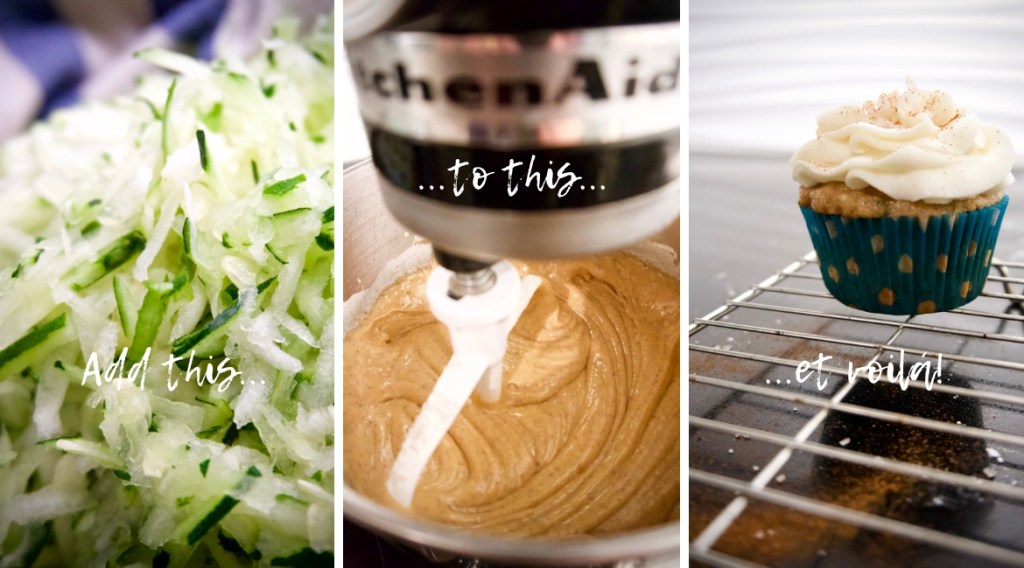
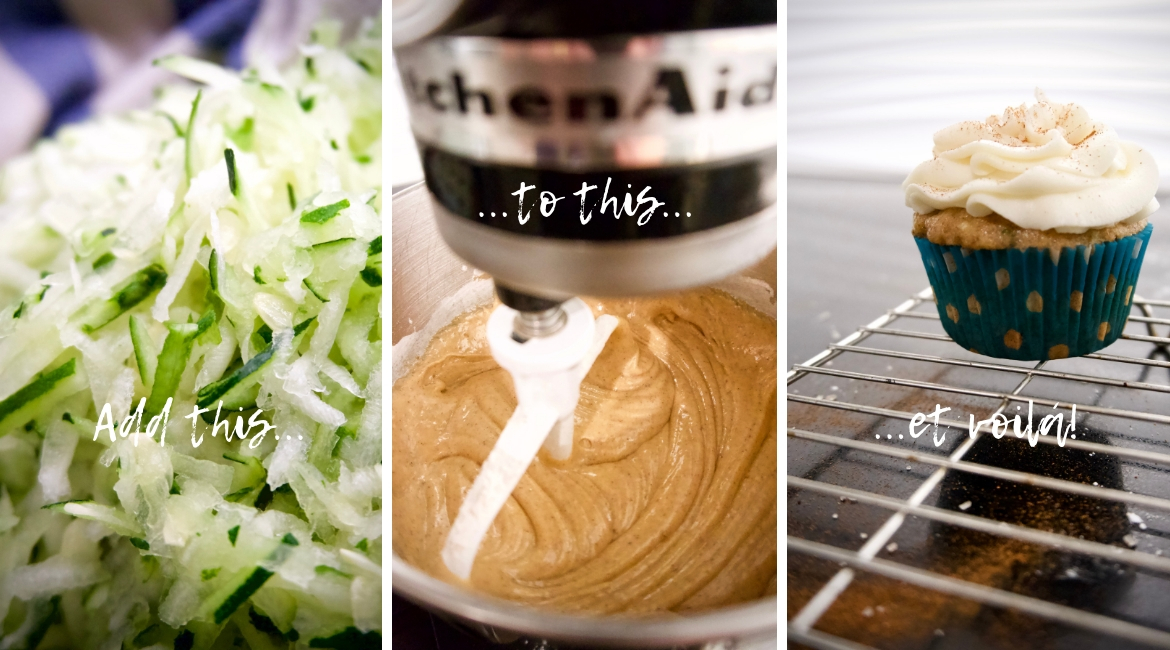
    Yes there is, but there was still some sitting in my fridge to be used up and Thanksgiving is just round the corner. Plus, I like to make cupcakes for all the boys and girls at my work, just to let them know that they are appreciated so having had success with my other zucchini cake and bread recipes I thought I’d give one more recipe a try.

    Zucchini CupcakesBesides, I am thankful that I had my granny to show me her love for baking and that I have people to appreciate the bakes that I try out on them.
    So enjoy these zucchini cupcakes, which have delicate pumpkin spice flavours and are so soft they melt in your mouth, topped off with a wonderfully fluffy cream cheese buttercream.

    I can’t think of anything better this Thanksgiving.

    Cupcake Ingredients

    • 3/4 cup finely grated zucchini (I actually used a cup!)
    • 1 1/2 cups all-purpose flour
    • 2 teaspoons baking powder
    • 1/4 teaspoon salt
    • 1 teaspoon ground cinnamon
    • 1/4 teaspoon nutmeg
    • 1/8 teaspoon ground cloves
    • 1/2 cup vegetable or canola oil
    • 2/3 cup white sugar
    • 1/3 cup brown sugar
    • 2 large eggs
    • 2 teaspoons vanilla extract
    • 1/4 cup milk

    Cream Cheese Frosting Ingredients

    • 1/2 cup unsalted butter, softened
    • 4 oz brick-style cream cheese
    • 3 – 4 cups powdered sugar
    • 1 tablespoon heavy cream, if needed

    Cupcake Directions

    1. Preheat the oven to 350F degrees and line a muffin pan with muffin papers.
    2. Gently dab the grated zucchini with a paper towel to remove excess liquid. It shouldn’t be dry, but there shouldn’t be extra water.
    3. In a large bowl whisk together the flour, baking powder, salt, cinnamon, nutmeg and cloves.
    4. In a separate large bowl whisk together the oil and sugars until no lumps remain. Then whisk in the eggs, vanilla extract and milk.
    5. Whisk the dry ingredients into the wet ingredients, then gently fold in the grated zucchini using a rubber spatula or wooden spoon.
    6. Spoon the batter into the prepared muffin tin, filling each about 2/3 full. Be careful not to fill them any more than 3/4 full.
    7. Bake in the preheated oven for 16-19 minutes, or until an inserted toothpick comes out clean.
    8. Allow to cool in the pan for 5-10 minutes, then continue cooling on a wire rack.

    Cream Cheese Frosting Directions

    1. In a large bowl using an electric mixer, beat the butter until soft.
    2. Then mix in the cream cheese.
    3. With the mixer on low, beat in 3 cups of powdered sugar until combined.
    4. If needed, slowly beat in the rest of the powdered sugar a little at a time until the desired consistency and sweetness level is reached. If it gets a little too thick, then beat in the cream.
    5. Frost the cupcakes with a knife or using a piping bag and piping tip.

    If they last that long the cupcakes can be stored in an airtight container at room temperature for up to 3 days. Unfrosted cupcakes can be frozen and thawed in the fridge overnight.

    DSC01021

  • Find Your People

    Find Your People

    Full disclosure: the following post isn’t actually about food or farming. I know, I’m sorry. I ran it by Lisa Richardson because I had my doubts as to whether it would be appropriate, and as she jokingly said, “there’s no mention of dirt anywhere!”

    IMG_4451
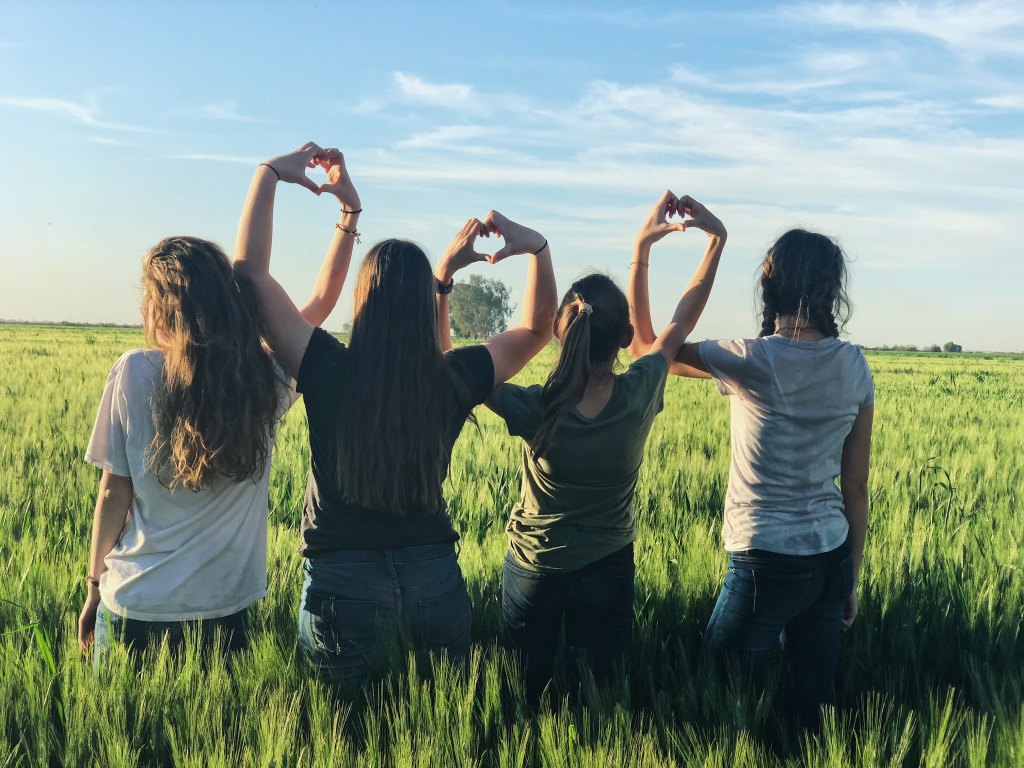
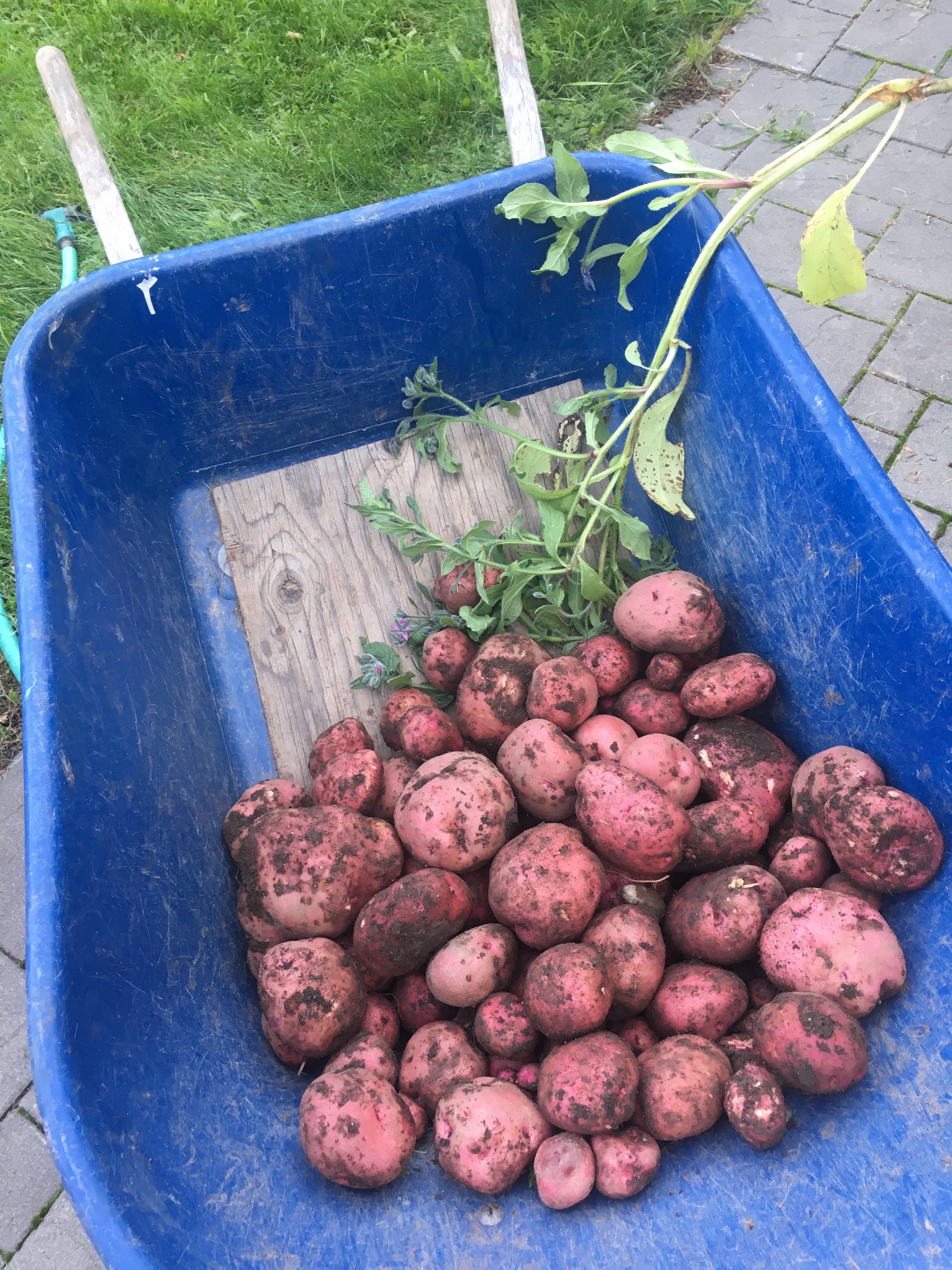
    Random photo of freshly harvested Pemberton potatoes still cloaked in dirt, to meet the 1% dirt content requirements of a Traced Elements contribution. Photo by Lisa Richardson. As you were saying, Kristine…

    But it is about Pemberton, and the people that live here, so please bear with me. It’ll be worth it in the end, I promise.

    melissa-askew-642466-unsplash
    Photo by Melissa Askew on Unsplash

    My partner and I didn’t end up in Pemberton by choice, per se, but by chance. He received an offer for a job based mainly out of Whistler, but his route would cover Squamish to Pemberton. We had the choice of which town we wanted to live in, and we chose Pemberton. The funny thing is that we didn’t choose Pemberton specifically because of its world renowned mountain biking and outdoor sports, or thriving farming community. It just seemed like a nice, quiet place to live, and we were tired of the hustle and bustle of big city living.

    When we first moved here, I quickly came to realize how steeped Pemberton is in outdoor adventure sports. Mountain biking, BMX, hiking, climbing, skiing, sledding, paragliding, fishing, hunting, and everything in between. Once I started meeting people in the community, I realized that many of them came to Pemberton specifically for this reason, and would spend every free moment they had exploring and experiencing the rugged backcountry. I knew people who worked two jobs just to make sure they could afford both their ski pass and bike pass every year, and many that would keep their gear ready to go in their vehicle for a quick ride or climb after work. Because you never know.

    I am not one of those people. I’m not what you would call athletic or even adventurous. I am the nerd. The book worm. I would much rather have my adventures within a really good book from the comfort of my sunny deck. I haven’t been on a bicycle in about eight years. I haven’t been on a pair of skis in probably fifteen.

    And that started to bother me a little. Here I was, living in a gorgeous valley full of fun and adventure in the great outdoors, and I started to feel that I was missing something. And with housing prices rising and the town really growing, I had a little thread of disquiet that I didn’t belong in Pemberton if I wasn’t into that, and that maybe I’d be better suited somewhere else. That I should let someone else take my place who would enjoy those activities.

    writing 2Let’s change course a little here. Two weeks ago I attended my first writing conference in Seattle held by the Pacific Northwest Writers Association, of which I’m a member. I spent four days taking workshops, meeting other authors, including those specifically in my genre (fantasy fiction), chatting with agents and editors, and overall immersing myself in the world of writing. I was incredibly nervous to go. I didn’t know a single person there. I had never done this before. And I had only been seriously writing for about three years, a process that I’ve gone through almost entirely alone. I was a little nervous that I’d meet more established, published authors and they’d laugh in my face.

    I’m happy to say they didn’t. I had the most incredible, uplifting, energizing time of my life. From the very first morning, I had no problem chatting up strangers and engaging in intelligent conversation about writing. I got to ask their opinions on topics I was a little unsure about, like self-publishing vs. traditional publishing, and share what I’ve learned on how to write fiction. I made friends that I saw again and again during the conference, friends that I imagine I’ll have for a very long time. I pitched my novel to agents and editors for the first time and didn’t make a fool of myself. I got to meet incredible authors like: Kay Kenyon, who has 14 published novels under her belt; Donald Maas, veteran literary agent and expert fiction instructor; Christopher Vogler, who’s been a story consultant for major Hollywood companies (including Disney) for decades. I even got to shake hands with R.L. Stine, who was the featured speaker for the conference. (He’s hilarious, by the way.)

    writing 1
    All signed by their authors. Eek!

    I realized from this conference that those are my people. Writers, editors, literary agents. People involved in the writing world and for whom writing is their whole life. Because writing is my whole life too. My first novel is almost finished and I’ve already got plans for three more. I think about my books every day. Every minute that I’m not at work or managing the tasks of my life, I’m thinking about writing. I keep a notebook and pen with me ready to go at all times. Because you never know.

    Find-your-tribe.-Love-them-hard.-And

    So now, I’ve finally realized that I’m not betraying my beloved town of Pemberton by not participating in adventure sports. It’s just that my adventurist friends have found their people, and they happen to live in Pemberton. Their people are fixed on a geographic location, while my people are more spread out. I needed to put in a little extra effort to find my people. And the good news is that you can have multiple people. My community in Pemberton are my people too, because while we may not share a love for outdoor sports, there is something else we share. A love for this town. We love its rugged beauty, its incredible natural bounty, and its thriving, vibrant community.

    So I say whatever it is that calls to you, that drives you, that fills you up, you need to find your people. Find the people that share that love, that drive, and it will make everything better.

    (And if you’re one of my writing people, feel free to chat me up about all things writing! You can usually find me at the Blackbird Bakery serving coffee and delicious treats.)

  • #falltimealltime

    #falltimealltime

    It’s the most wonderful time of the year – or at least it’s MY favourite time of the year.

    Colours start to pop as the foliage begins its natural, beautiful progression to death and my appreciation for the warmth of the sun on my back is revived. Praise arises for the rainy days as reason to stay in, make soup and stock the freezer with food. Then there is also the rush of the game to see who gets to the fruit trees first – me or the bears. I go to bed with an extra blanket but leave the windows wide open while the coyote’s howl echoes through the night. Of course the dusting of snow on Mount Currie gets me pretty excited too! And, most importantly, my garden is still delivering the goods.

    This time of the year, I also sit back and think about my garden; what worked, what I want to do more of and what I can do away with next year. Journaling for the win: do it, do it now. So, what I thought I would do is share some of my favourite photos of the summer complete with commentary.

    First up is purple daikon radish. I pickled the shit out of these guys while in season. When a vegetable randomly forms heart shape upon cutting into it you really can’t help loving it. More will be planted in my garden next year, their spicy flavour is beyond delicious.


    Melons. Who doesn’t love a good melon. Previously I had tried watermelon but with little success there, this year I tried cantaloupe. Gave it a sunnier spot and was rewarded big time. Go figure: #shadowruffruff loved it too… juicy and flavourful beyond both our expectations!


    I have mentioned that kohlrabi was the undisputed heavy-weight champion in my garden but my Borage babes blew my mind; turns out they’re MASSIVE! They helped pollinate my butternut squash and many other things in my garden, plus the flowers were delicious in salads. This year I trained my squash to grow along the fence in hopes it would take up less space overall. As it turns out this move was a game changer. I will incorporate this method next year as well, perhaps to even shade something that requires less sun. And for the bee’s sake, borage will forever be in my garden regardless of the space it takes up.


    You know you’ve made it to the big time when your whole pasta sauce has been sourced from your backyard… I mean it’s SO good you want to share but really not really. Last season was the first year where I grew my own Roma tomatoes, celery, carrots, garlic, onions, basil, rosemary, thyme, oregano and cayenne peppers. I basically vowed from then on this was the way forward every year; always plant enough to make sauce for Dbot. I will also openly admit I have a love affair with fried green tomatoes served with soft poached eggs – you would too, if you’ve had it. Never underestimate the power of a green tomato.


    Does your cilantro bolt like crazy in the heat of the summer even if you’re giving it shade from the hot afternoon sun? No problem. Let them bolt and go to flower. The coriander seeds born from the delicate white flowers will produce the best ground version of this spice you’ve ever had. I guarantee you’ll start to plant cilantro just to let it go to seed!


    Fall is also the time when members of the brassica family shine. I remember being amazed when I learned how Brussel sprouts grew, so they became a yearly addition to my garden (just be sure to give them plenty of space). New this year was Savoy cabbage grown from seed and it’s sure to make my cabbage rolls go from A+ to A++. Another tip for cabbage is to space out their planting times then you don’t end up with a whole bunch at the same time even though they keep quite well.


    Flowers… I will plant way more flowers in my garden next year both perennials and annuals. Some of my perennials are ready to split which benefits both the plant and my wallet. Plus, having fresh cut blooms in my house just makes me smile.


    I feel like I could carry on for a long time but as I write the weeds are still growing and they sure aren’t picking themselves! So I’ll just leave you with this last photo that I call, “The Mushroom that had all the Thyme in the World”. #dadjoke #sorrynotsorry

    IMG_5862

  • My First Time Gardening

    My First Time Gardening

    28D3C77D-AADD-4180-8F4C-2B4EA9FDAB6C

    I never seemed to stick around long enough in one place to have a garden.  Even if I was around, I was too scared to mess it up to even try.  I have, however, always admired people who gardened. In my eyes they’re modern day witches and wizards!

    Food has taken a leading role in my life, though. I’ve worked as a chef on and off for over 10 years, transitioning from traditional butter/cream/French style cooking to now more ‘holistic’ organic, gluten free, dairy free foods. I was diagnosed with celiac disease a few years ago, so I had to change my diet. As well as, I’ve worked through an eating disorder that took over a large portion of my life. While food has always been on my mind, until now, I never got to truly experience the joys of growing my own food!

    Close to a year ago I met Derek. When I learned about his love for plants and gardening my admiration for him grew too. It wasn’t long till I moved in with him, and let Pemberton become my new home.

    After a long winter I was itching to get going. Patience has never been my best attribute, something I got to work on watching plants grow. Our first step was to get some more soil. That shit’s hard. And heavy. But it was fun watching Derek unload it all as I hobbled around with a semi sprained ankle;)  Then we got on to planting. I was nervous planting.  What if I messed something up? What if this shouldn’t go there? What if I plant too close, what if I put too much soil on top, or plant too shallow? Derek would remind me that it’s all good – it’s a process, we can thin things out later, and replant if we want to too.

    I realized I was so worried about messing up in the past, that I never tried.

    458C1AA8-806F-4DEA-994A-EBEC308469C2

    Soon our sprouts were shooting up and I was so excited to get back to the garden every day to check in on our little babies. Each time when we would walk to the garden I would mindlessly ask Derek – “Will we need to water it?” And every day he’d respond – “we’ll feel the dirt and decide.” I’d laugh and say oh ya right right. This part reminded me of cooking.

    When I teach people how to cook, one of the most common questions I get is, “How do you know when something is done?”  Or “how do you know if it’s good?”  I explain that we need to taste it, touch it and feel it! It’s so funny how often we want to rely on our brain to tell us everything. But we gotta get in there. And so I got to get my hands in the dirt and would feel around:)

    I learnt so much though over the past 5 months.

    Firstly – gardening is not as difficult as I thought it was – at least on our small community plot.  I have so much admiration for farmers who are growing large quantities of food!!  That is not easy work and I have much deeper appreciation for the food that I buy at the store now. I used to whine over $4.99 bunches of broccolis. Or a giant box of pre-washed organic mixed greens for $7.99. I won’t be complaining anymore, and will definitely be more mindful with letting things go to waste!

    It’s been an amazing summer, and I can’t wait to get planting again!!

    05E3963E-0DF0-4E09-BF02-4A932586EBCD