Category: Uncategorized

  • A Bee Journey Vol. 1

    A Bee Journey Vol. 1

    I’m very good at multi-tasking.

    I’m writing this while at a three day craft market in Vancouver selling my handcrafted shrubs (Thirsty Whale Elixirs – small batch cocktail mixers made with organic apple cider vinegar, fruit, and cane sugar) and sending emails for my full time job. You might say, “I’m busy as a bee!” – so why not add another hobby on top of sewing, crafting, making sourdough and helping with our family’s brewery (Pemberton Valley BeerWorks)?!

    I have always wanted to have bees. Growing up, my Grandfather had bees (Don Miller of Miller Meadow Farms – now Across the Creek Organics). I have memories of his hives out by the rhubarb and grape vines – little white boxes of magic. Memories of full gallon jars of liquid gold in Grandma’s pantry. Memories of covering her homemade biscuits in sugary love. He eventually had to stop beekeeping as he developed a bee sting allergy (And this being Pemberton in the ‘80s with no EpiPens available and only a small clinic a 15 minute drive away, I totally understand why he stopped.).

    My first time “getting my hands dirty” or sticky in a hive was about 8 years ago on the farm when my Aunt got her first hive. I had no idea what I was doing, but no one got stung and we harvested 11 liters of amazing honey. Unfortunately, the hive didn’t survive the winter and now I have inherited some of her equipment.

    Beekeeping is not a cheap hobby, but if you are lucky and not too greedy you can make some money selling honey to family and friends. Why not be greedy? Well, bees collect flower nectar and convert it into honey, (honey is their carbohydrate and pollen their protein), so they need to store enough of both to last through the winter.

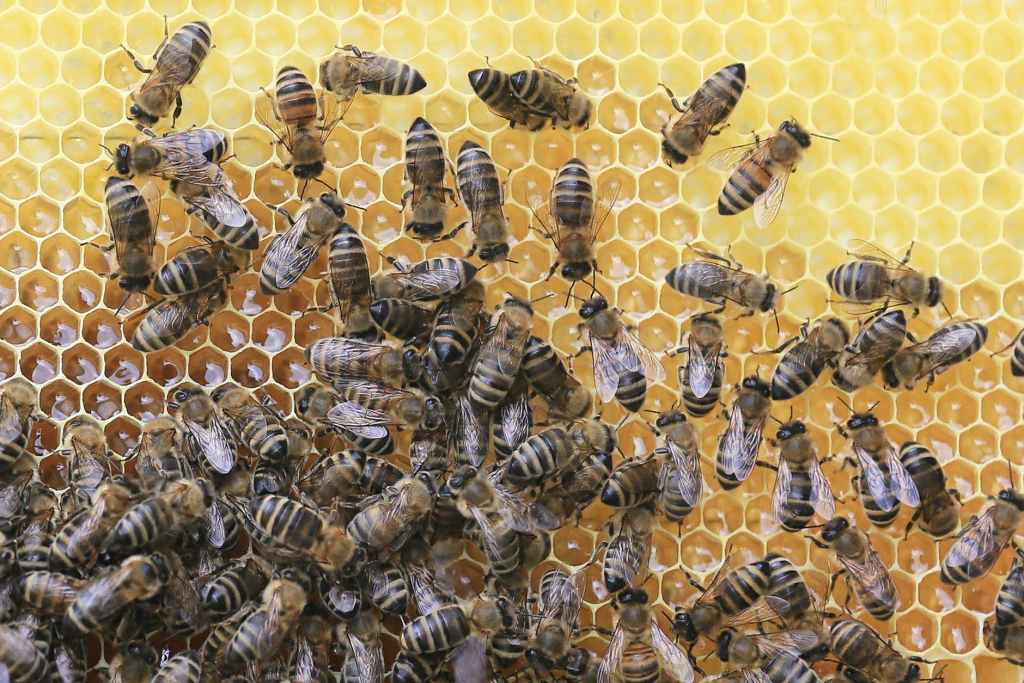
    In preparation for receiving my first two bee nucs (or nucleus, a small bee colony made from larger ones) at the end of May, I have taken a three day beekeeping course, read four books, talked to local bee keepers, watched countless educational videos online, and I still don’t know anything!

    The real learning will come once I get my hands sticky again. And then even after a few years, I still probably won’t know enough.

    All I can say is that I’m fascinated by Apis Melifera (the Western/European Honey Bee) and I can’t wait to learn more and share my journey with anyone who wants to read about it!

    You can follow my journey on Instagram @Pembee_Hives.


  • Blank Canvas

    Blank Canvas

    The summer I turned 11, my family packed our camper and set off on a massive adventure that lasted over a month. The leg of our trip that resonated the most with me was the coast of BC. There was something about the mountains and ocean that spoke to me – it made me feel free. I vowed right then that I would return to live in this place.

    Life on the west coast became a reality when my art skills got me into the University of Victoria. However, I quickly discovered I was not like my classmates and had zero desire to become any entity that encompassed being an artist. I lasted 2 years before I bought a car, learned to drive standard in a mall parking lot and set forth for Whistler because it seemed like a cool place to go and get lost.

    Fast forward to my years in landscape construction and maintenance where I learned design and plant knowledge and in time I was let loose to create spaces for clients. These playful experiences naturally paired well with my understanding colour and sense of flow. Eventually I realized that I was still creating; it was just a different type of medium.

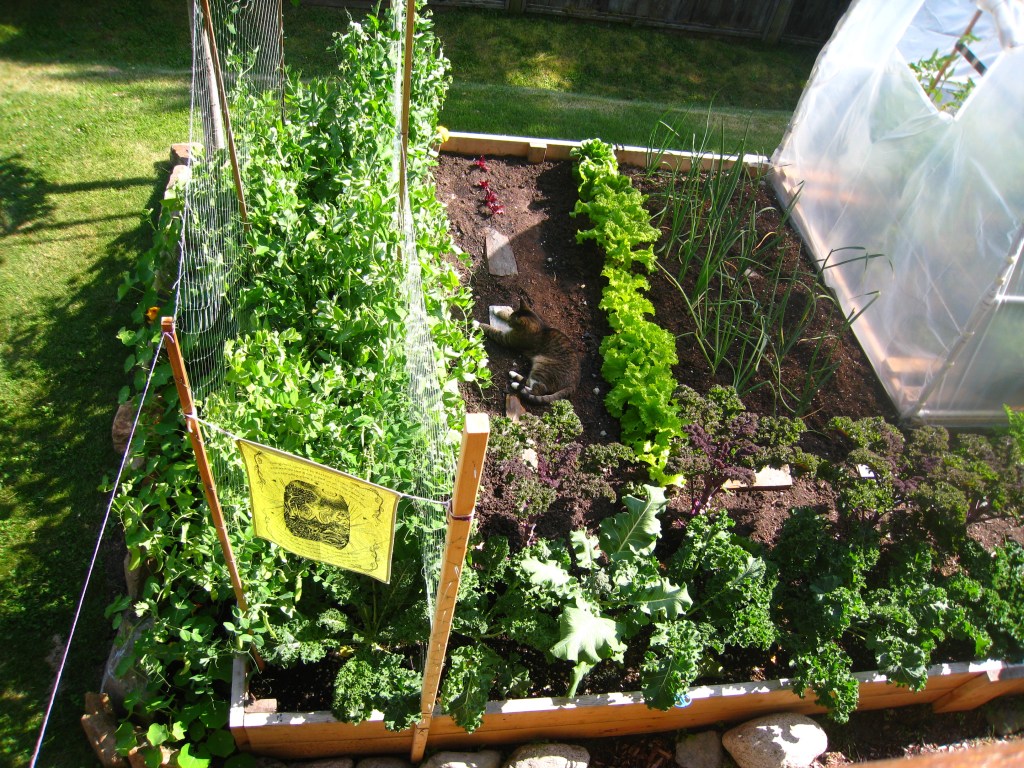
    Now I spend countless hours every year drafting my garden plans for the following season. Notes on notes on notes as to what was great, what was horrible, where to plant what, what not to plant, what I want more of. Lots of mindless staring out the window at my plot fantasizing its potential; then scavenging bits of wood and rocks to add into the landscape. And, like clockwork when it comes to planting time, the plans that have come to fruition are loosely used and I stuff seeds and starters in the beds as I see fit.

    Maybe it’s the old artist in me coming out to play and wanting to just be free to experiment with what feels good at the last minute. This is an integral part of the learning process in gardening and I highly encourage it. Sure we can read books and learn what we should or shouldn’t do but at the end of the day if we are satisfied with the results then, who gives a shit.

    Feel it out. Plant what makes sense. Plant what you love. Look at your space and see it as a blank canvas in which to create your sanctuary. It can be whatever you want it to be. Let it evolve. You can always return to your canvas and paint over something you don’t love.

    Eighteen year later since arriving home in the Sea to Sky I have finally accepted that I’m a gardener and a landscaper: an artist after all.

    IMG_0114

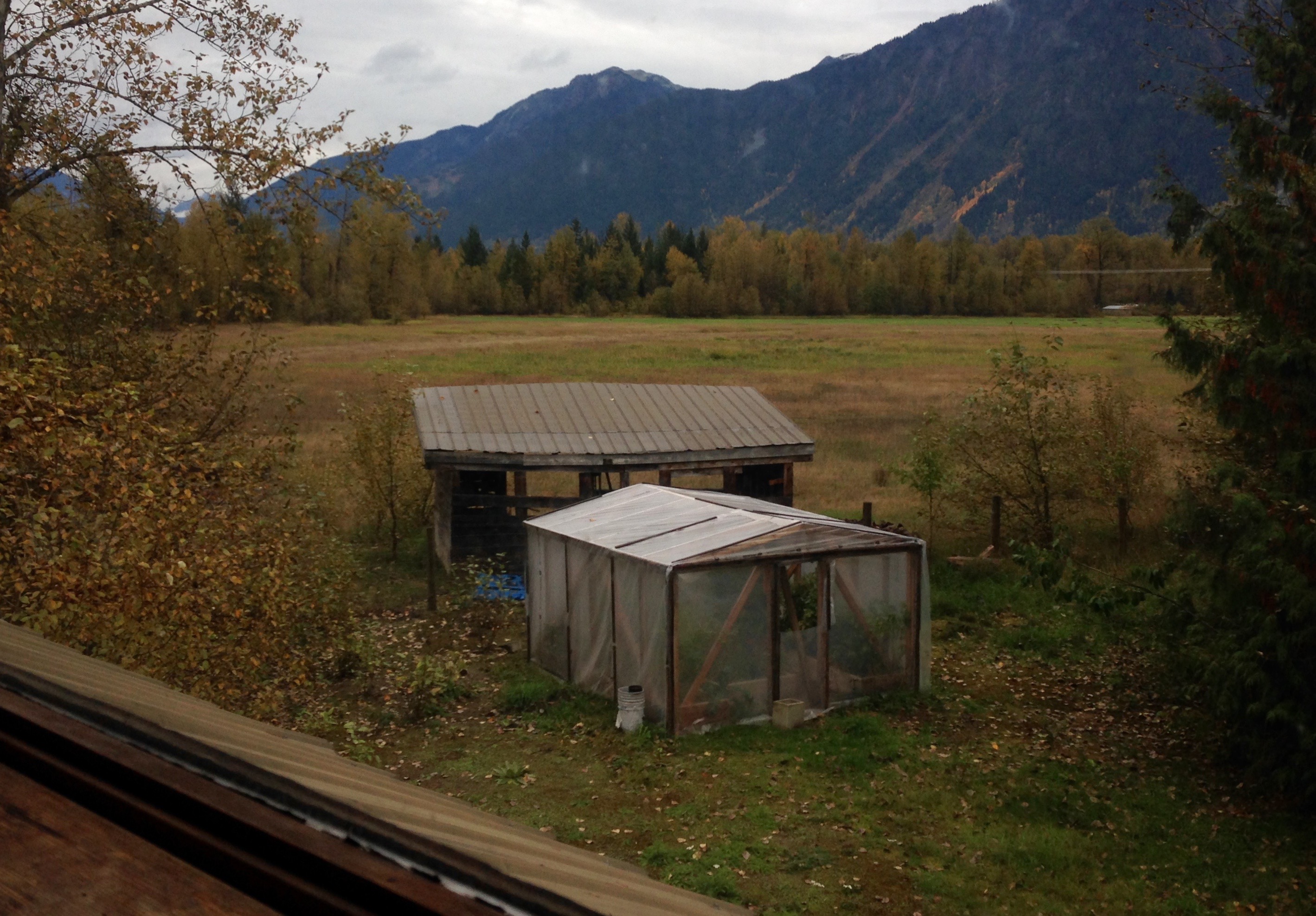
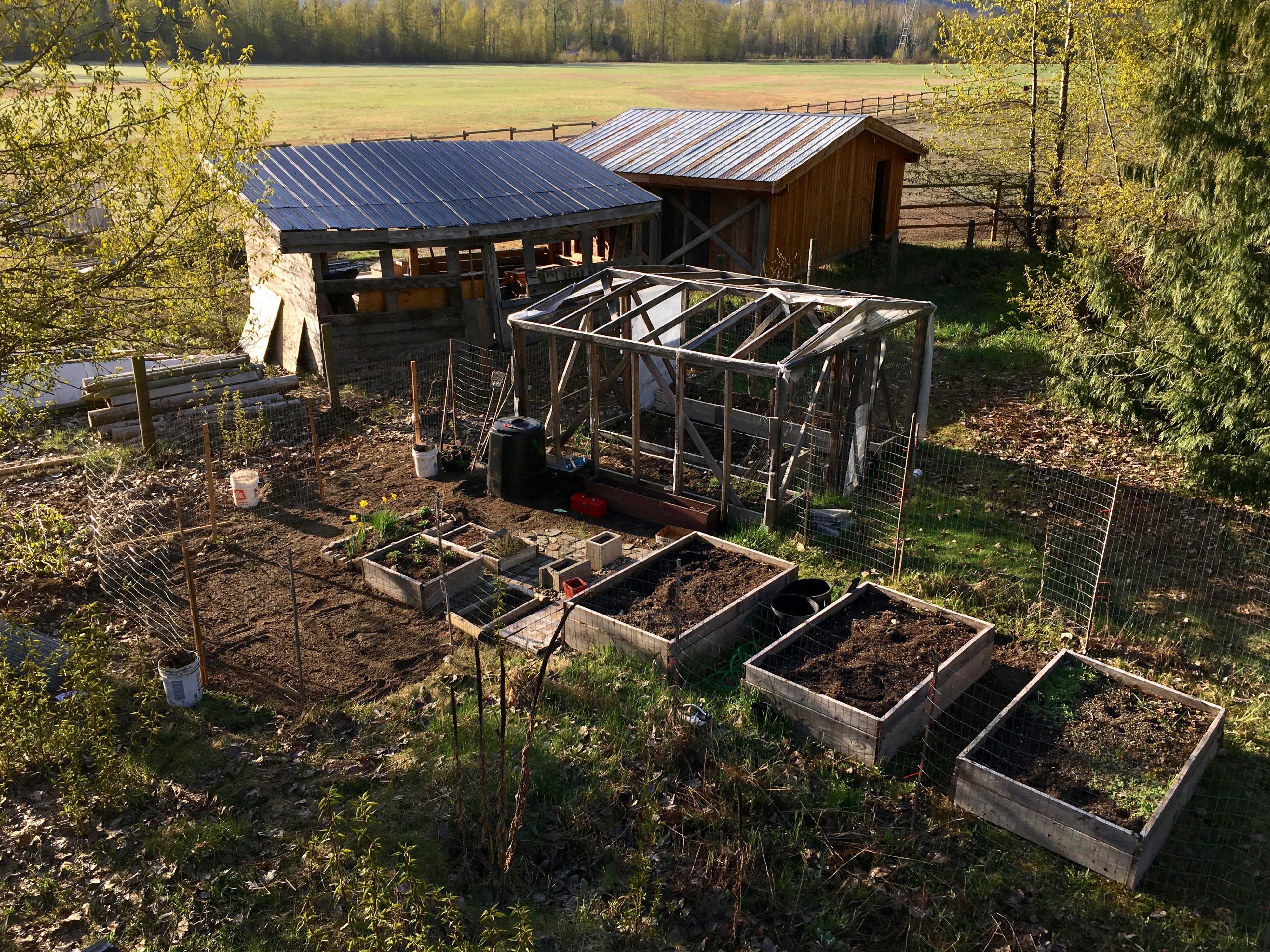
    Photo notes – The main photo (above) was taken out the window when I moved into our current residence from where I sit every day drinking coffee. The picture below was taken this morning and I can guarantee in a month it will look even different. Stay tuned! IMG_3346

  • Honor Thy Weeding

    Honor Thy Weeding

    It’s funny how life can throw us curveballs when we least expect. Call it coincidence that I have struck out during a season that literally celebrates rebirth and renewal. But as the saying goes; everything happens for a reason. What has kept me sane is my garden.

    When you’re forced to slow down in a life that is typically robust it’s truly hard to cope – every day brings new challenges. Many of which I am not comfortable with and have had a hard time accepting.

    So, what does an active gal do when forced to step outside of her skin and just be?

    She sits with her garlic. She weeds. She envisions where all the little seedling starters will eventually go and thrive. She checks on these seedlings at least 20 times a day. She walks and appreciates the revival of the forest after a long winter. She watches the ants. She buys plants (retail therapy for the win).

    IMG_2968

    A calming sensation genuinely lifts me up when I’m gardening. It’s my therapy. No stress involved – just the dirt and me. It has always been this way: before I was concussed, now while I’m concussed, and indefinitely when I’m past it.

    There is something to be said about stopping to smell the roses. Going back to the simpler things gives us a greater appreciation of the bigger picture. Through my minor setback I have learned the importance of this phrase and will celebrate it beyond my recovery. Gardening has an effortless way of healing.

    Spring. I surrender my ego to you… and the weeds in my garden.

  • Smells of spring, sweat, and soil

    Smells of spring, sweat, and soil

    It would not be an exaggeration to say that I love all the seasons. Apologies if anyone finds this level of optimism off-putting, I have been told it can be a bit much. I think farming demands it: to anticipate each season’s arrival, to enjoy the process, and to be thrilled to see one go in order to welcome what comes next.

    Spring is all about smells. After a winter of snow and soup and spreadsheets about farm planning and field layouts and budgets, it is so nice to smell dirt. Or “soil”, depending who you ask. I did not grow up on a farm and only started to dabble in it as a profession within the past decade, so the novelty of spring has not yet worn off. I hope that it never does.

    This will be the third growing season of Four Beat Farm here in the meadows, and I would be lying if I said that I felt ready for it. But that’s the great part about farming and growing food—often the best option (the only option?) is to jump in before you are ready, because nature does not wait, and if you procrastinate too long to till or plant or weed or water or harvest then it may be another 365+ days before you can realistically try your hand at growing that particular crop again.

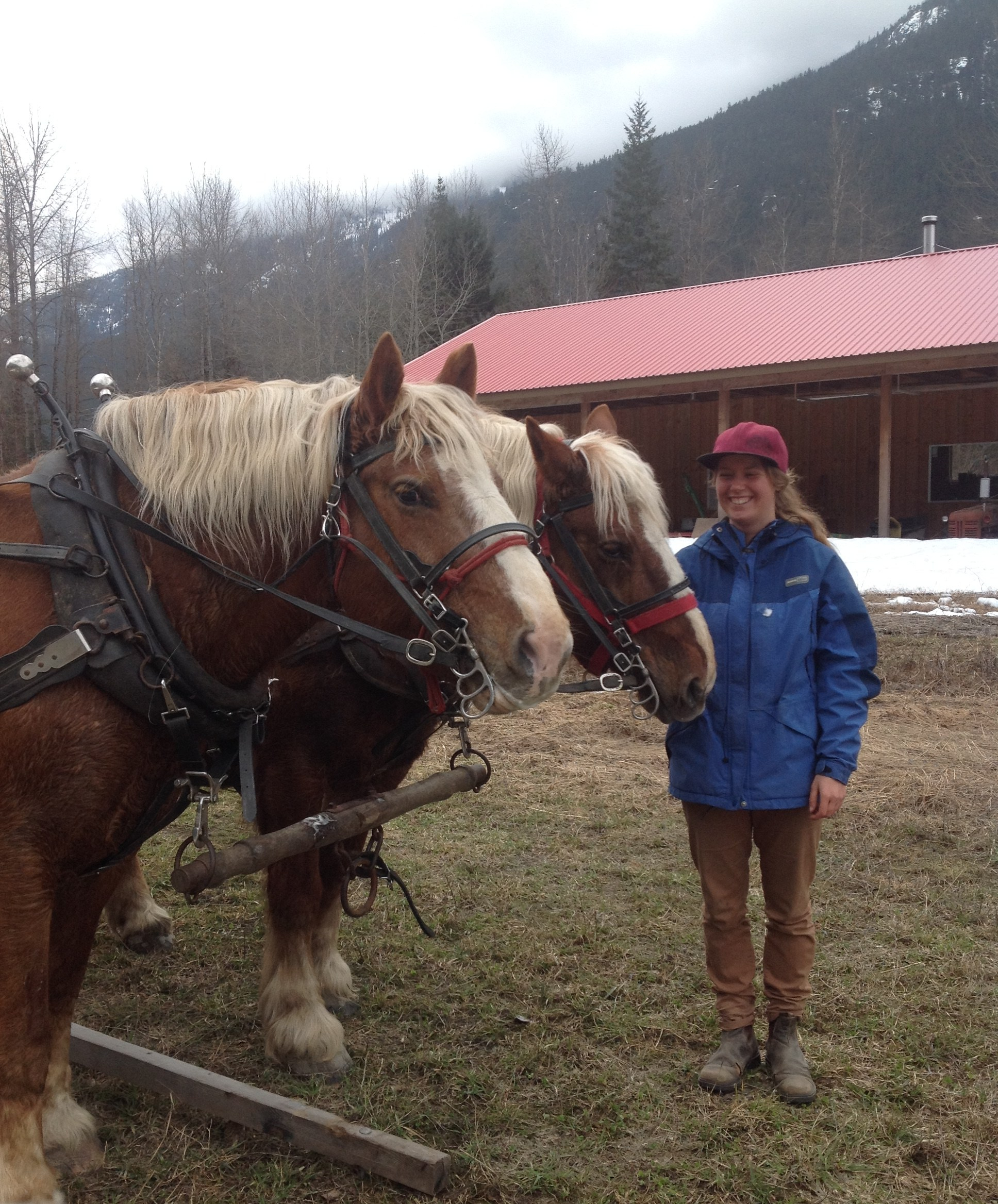
    Right now, spring smells like freshly turned earth, compost, and sweaty horses who, along with their farmer, had a pretty quiet winter. Call it lazy, call it restful, either way the sudden workload of April can be a shock to the system. Thank goodness for variety. For every hour that is spent moving fresh manure into the greenhouse to keep it heated on cold nights, there are taxes to finish, cultivators that still haven’t been repaired, onion seedlings that need haircuts, and horses that appreciate an afternoon head scratch as their muscles rest after morning fieldwork.

    IMG_2890

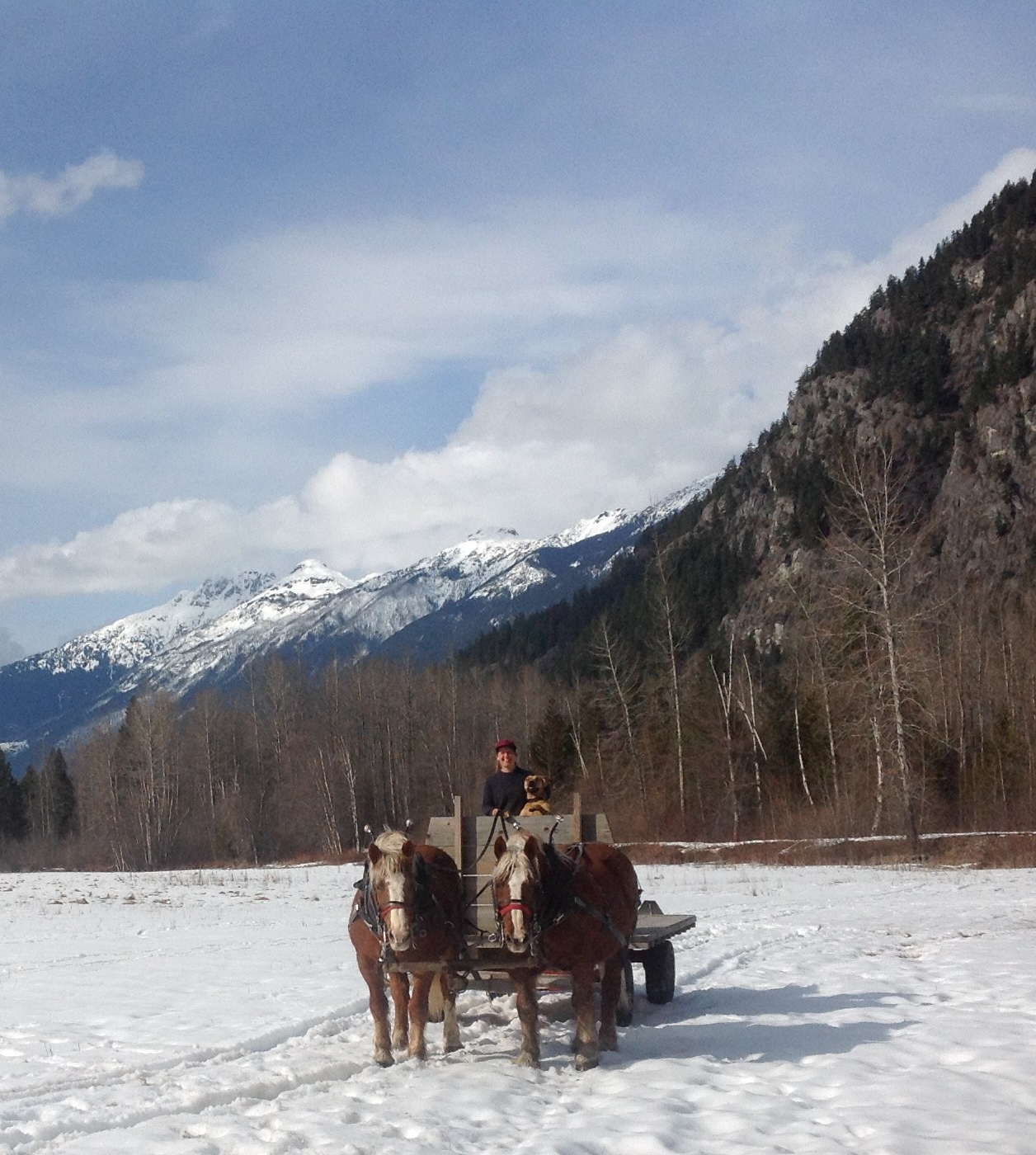
    When it comes to fieldwork, plowing with horses is slower than with a tractor, no arguments there. Our ever-improving farming systems for 3ish acres of certified organic vegetable seem to be functioning adequately throughout the summer season with the two horses at hand, often called a “team”. When people want to talk about it (or even when they don’t), I can and do enthusiastically chatter on that there are many jobs on the farm that horses do on par or better than I have seen done with a tractor. This is without even getting into the added benefits of having two 1600lb colleagues who eat local fuel, constantly produce compost, and bring a level of determination and sass to the field that I have yet to see in a combustion engine.

    IMG_2857

    For this year’s planned spring tillage, however, which will allow for better crop rotation and attention to soil health, our current two horses are fully employed and could easily share the workload with two more given our short and intense growing season here in the valley. So, as in past years, we as a farm leave the option open to phone one of our many generous neighbours to bring in some extra horsepower for big jobs.

    On a practical level, getting a few hours of custom tractor work here and there feels more efficient than feeding and caring two extra animals who are only going to work for a few weeks out of the year. I drawn parallels with fellow small farmers who might choose to rent heavy machinery for excavation projects, or how it can make sense to have a small car for your family and borrow a neighbour’s pickup truck when you need to bring home a few loads of compost to kick off the gardening season.

    When weighing the options, I have to remind myself that we are a young farm that is in the business of growing food for our community, and that there are many ways to best do this. That said, if someone in the valley has a well-trained team of draft horses I can borrow to spell mine for a few days when their shoulders get sore, feel free to drive up the valley and drop by.

    Our place is the one with plow lines that are not entirely straight, horses that still have their winter coats, and a hoophouse bursting with onion plants that are already dreaming of farmer’s markets at the community barn downtown.

    -Naomi

    IMG_2788
    Getting in shape, late March


  • How spring taught the farmer that she was meant to be a farmer, before she realized it herself.

    How spring taught the farmer that she was meant to be a farmer, before she realized it herself.

    Like most non-farmers, I used to assume that nothing really happens on a farm during the winter.

    It took me around 5 years of working on one to realize that might not be true.

    In my case, during the early years of adult farming, I was able to slide back into my city life with no farm obligations once markets ended and the crop was sold out in October. Mom and dad were doing whatever needed to be done. Feeding chickens? Reading about farming? No idea. I was off the payroll. November, December and January were excellent months to live in the city and have an inside job.

    Spring in the city however, was depressing. It arrived early, starting with the first smell of dirt in February. While the farm itself was still safely covered in an un-farmable mixture of snow, mud and ice, each year my body felt the arrival of spring more strongly and it became more excruciating to have city obligations.

    In March, the cherry blossoms, crocuses and daffodils lined my bike commute and I would arrive very distracted indeed. April came with the awareness that potato planting time was just around the corner and my work quality slipped even further. I quit, probably mere moments before I was fired, earlier and earlier every year.

    I was unaware of the strength of spring. I wasn’t quite familiar enough with the process of farming to recognize how it was pulling my attention back to the farm.

    Today, I get it. In fact, this very day I get it. And I got it powerfully one month ago, on March 1st standing in the farm yard, surrounded by snow and mud, with the sun gaining the upper hand on the clouds, and its warmth on my cheeks that was strong enough to reach my bones.

    For that day, I felt spring, and with it, the inexorable pull to get to work.

    It’s still quite easily ignored, as the list of jobs that can reasonably be done given the muddy, snowy, rainy freezing and puddling conditions of March will be very short for weeks yet. Nonetheless, the process has begun, and I now get to enter the flow gradually. The key at this time of year is to do all the tasks available, as the snow recedes and the mud dries up. They are not many, but if they are not done, they will be added to an ever-growing list and before long, they will drop off the bottom of it. That’s exactly how we develop stress on a farm.

    17098688_10154786903366311_6466008105305997335_n

    I understand this now; I didn’t then. That doesn’t mean the compulsion to get to work wasn’t upon me. It was there alright, and it made me really cranky. While most people I knew in the city greeted spring with buoyant cheer, I became depressed, and couldn’t wait to get out.

    By year four, with the February sun streaming in through the office windows, I knew I was not going to make it much longer. At that time, I was pretending to be an Administrative Assistant in the head office of the big natural food store in town. I sat at the front desk fielding phone calls and health care plan administrative details. It wasn’t absolutely terrible: I got to organize all kinds of things and had worked on a few interesting projects for my boss- the friend who always had to almost fire me.

    Although still not able to articulate the effect of spring on my psyche, I was certainly no stranger to it by then, and I noted the arrival of spring with weary resignation. Instead of doing the work I was paid to be doing, I found myself planning another bike trip. By March I was well into it, in Australia, having a wonderful time. Bike touring noted as a very effective distraction.

    1011316_10152269056467565_209398247_n

    The city charade was abandoned in year 5. I still needed something to do in January, however, so I babysat my uncle’s cattle ranch while he took a holiday. There was certainly no issue with spring depression symptom triggering because it was minus 40 most of the time. I learned a thing or two about isolation up there.

    That February at the farm was glorious. Sunny every day, tiny little jobs to do here and there, and the freedom to move gently into the farming season. I still didn’t know very much about what I was doing, but at least I was doing something. And that’s half the battle.

  • Telling the Bees of the Legend of Lisa

    Telling the Bees of the Legend of Lisa

    I asked Pemberton’s bee-keeping community if there was anyone interested in contributing their know-how and passion to Traced Elements. Jennie Helmer put her hand up, and offers this first post, of bee-keeper wisdom, in dedication to Lisa Korthals. 

    This community has lost one of the most-loved, revered, and all-around rad women this grateful town has ever seen.  Pemberton will not soon forget the beauty, grace and strength that was Lisa Korthals.

    When I heard the unimaginable news of her death, I sat in stunned silence. Thinking of all the broken-hearts aching in our town. I imagined Lisa’s beautiful smile and her effortless love of all things related to family, friends, wheels and skis.

    Eventually I went to sit with my honey bees, to tell them the story of Lisa’s life and death.

    I sat on the old wooden fence beside the bees. I built this fence to wrap around their hives. It was designed to give them flying space while I sip tea and watch them zip in and out of their little hive-homes. At times, I’m able to mark the changing days by the various shades of yellow pollen stuffed gently into their legs. In the early Spring the pollen is a brilliant, neon yellow, later it turns a dusky orange.

    Today it is an intense burst of yellow, as I sit and tell the bees of Lisa.

    The “telling of the bees” is an old-world tradition, where bees are informed of important moments in their keepers’ lives. In Celtic myth, bees were regarded as having great wisdom and acted as messengers between worlds, able to travel to the Otherworld bringing back messages from the gods.

    telling the bees by jennie helmer

    I told the bees the tale of the warrior woman who has died in the unforgiving and indiscriminating arms of the mountains. I told the bees of Lisa’s family, of her phenomenal soul-mate Johnny with his gentle smile, his bravery and unimaginable strength. I told the bees of her son Tye who embodies Lisa’s spirit, who is a kind soul and an amazing ski racer, and who is building into his own legend at such a young age. And of lovely Chris, Lisa’s brother whose spirit she kept alive with stories and photos.

    I told the bees of her daring ascents, her tenacious descents, and the beautiful places she’d been in this world. I told the bees of the other female ski guides in the area whose souls were crushed on this day, whose worlds would never be the same again. A remarkably close group of strong women, they are the queens of an industry where female ski guides are revered, iconic and so undeniably safe in every choice they make in the mountains. This should not have happened to one of them.

    I shared with the bees that the hearts and minds of our community are devastated and tattered and torn. I asked that the bees find these hearts, and gently give them strength to keep breathing and moving and smiling; and then I asked that if they could find Lisa, could they let Lisa know that we will hold sacred her memory, that her family will be loved and cared for and that she will never be forgotten. If they could also stay a bit longer by her side, I asked, could they tell her that we’ll see her in the mountains, on the trails, and everywhere in-between.

    As I told the bees, they told me: be still, be strong, be comforted, be kind, be love in this life, live like the Legend that is Lisa.


  • A Pemberton Food Story

    A Pemberton Food Story

    Food was one of the reasons my partner and I decided to move to Pemberton in 2011 after only being here a handful of times. We had been growing food in our community garden in Whistler. We also made our weekly bike ride to the farm market on Sunday for a couple of years and I swear getting to know the people who grew our food made it taste better.

    We didn’t realize it at the time but when we moved to Pemberton we were dinks (dual income no kids). Armed with an abundance of time and money we were eager to tear up our lawn in the Glen and get started on our first labour of love. A couple of loads of soil later and our veggie garden was born, complete with a PVC greenhouse and vertical herb planters. Within a year I left a cushy (albeit ill-suited) office job to work on a local organic farm. There my love of Pemberton and slow food grew to new levels. I knew intellectually farming would be hard work but nothing could have prepared my body physically. As hard as it was at times it was incredibly therapeutic to be working in the elements day after day. I got stronger physically and mentally as the months passed. I spent many days weeding and planting and harvesting in good conversation with new friends. I gained a deep appreciation for the dedication and perseverance it takes to be an organic farmer and hence a steward of the earth. I learned from my experience growing food that it’s not always perfect, straight and neat. It’s scrappy and messy and mucky and absolutely gorgeous all at once, just like life.

    In 2014 our dinkdom concluded and our hearts grew with the birth of our daughter. The abundance of time ended as did my days on the farm, in the mountains or spending my days making food in the kitchen . They were replaced with early am nursing sessions, diaper changes, a whole lot of raw love and a good sprinkle of depression. There were tough times and bliss-full times but one of the things I looked forward to was our weekly CSA harvest box from Ice Cap Organics. I would wake up on pick up days as giddy as a kid on Christmas morning. I knew how hard people had worked to get those boxes filled with a rainbow of nourishing veggies, eggs, chicken even flowers and it felt good to be sharing it at the table each day as a new family.

    Here we are three years later and life is opening back up again. We have a new plot at the community garden to experiment, learn and teach with. Now those days making food in the kitchen are shared with our daughter who knows where her food comes from and loves to help cook it. I have the pleasure of cooking food at a local organic eatery called Stay Wild. Just like working on the farm my life is uplifted every time I’m there. Relationships with the women I work with and the people we serve are just as enriching and nourishing as the food. As I write this and think about food and Pemberton I am reminded of Lisa Richardson’s article where she spoke of, “the opportunity food offers us, to grow – not just out there in the soil, but as humans”, and I am thoroughly grateful we decided to call this fertile place home.

  • Southern Style

    Southern Style


    IMG_6727

    For those who do not know me, my name is Raven. I own a little bakery in one of the greatest mountain towns ever, Pemberton in British Columbia. I have a deep love for gluten, wheat, and all that it brings to my life. Today initially I wanted to write on a traditional favourite from where I grew up in the Southern Appalachian mountains, cast iron skillet cornbread. But as I sifted through this wheat-lover’s cupboards I found I had all the ingredients except my beloved wheat flour. What was I to do? With complete reluctance to change my topic, I let my topic change me.  Because for some reason there was, in the deep lost corners of my cabinet, a small bag of Gluten Free Flour.

    One of the very real and important things I want to say about my love for cornbread is that it comes to me with a remembrance of home, of the Appalachian mountain culture and all that I hope to share with you over time.

    It is important to me that food represent something more than nutrients. It is, as Elizabeth David said, and this is a very loose quote to be sure…

    “every bite we eat is not just food, it’s our culture, our history, our memories of ourselves, of our families, of times when we were particularly happy.”

    So today, I created for myself a new memory.  I hope you too, as you cook for yourself, your family and friends, find the time to honor and create memories of food filled with life and memories.

    So I now give to you my recipe for Gluten Free Skillet Corn Bread.

    1. The most important step is get a cornbread skillet.  Like this one that my mom gave to me when I first settled down. It’s of great value but not of the  monetary kind, and is only as good as the time you put into it, the “seasoning.”IMG_6626
    2. Gather all your ingredients, as organic as you can afford and as local as it can be.
    3. Next, turn on your oven to 425 degrees F.  Then put your cast iron skillet onto the your stove top on med low heat.
    4. Add 1/4 cup of a high heat tolerant oil.  I prefer grapeseed,  but please just no olive oil. While your oil is warming —
    5. Grab a med mixing bowl, whisk, spatula, and a measuring cup.
    6. Then, add into your bowl, 1 cup of buttermilk, 3 large eggs, 3 tablespoons of organic sugar, 1 1/2 teaspoons of salt, 1 tablespoon of baking powder, 2 teaspoons of baking soda and whisk it up.
    7. Note: after many years of cooking I do not mix my dry ingredients all together.  If you have that compulsion, it is ok.
    8.  Now add 2 cups of stoneground yellow organic corn meal, followed my 1 1/2 cups of my favourite wheat flour replacement Cup4Cup.  I do believe in this product and it is an amazing.
    9. Whisk it all together to make a batter…now add 3/4’s of that what-should-now-be-very-warm oil from your skillet and mix in.
    10. Take your spatula and pour the batter into your hot skillet.  The idea is that we are doing two things — frying it a tiny bit, as we love to do in ol’ Dixie, but we are also keeping your cornbread from sticking.
    11. For 4-5 mins let it cook on the stovetop, then put it into the oven until its done.  How long’s that you ask? At least 30 minutes, but it depends on your oven. Just until you stick a knife into it and it comes clean.
    12.  Your cornbread finally is done when you flip it out of the pan in awe and admiration that it actually did not stick to the pan.
    13. How do you eat it? With butter. Lots of butter! Who am I kidding?!  Gluten free, maybe, but without butter what do we have?

    r-xx

  • Eggs and the place we call home

    Eggs and the place we call home

    1. The best eggs I’ve ever eaten were done over easy, and served on crusty toasted hazelnut and currant bread that was smothered with melted butter and peanut butter. A strict vegetarian, I hadn’t eaten eggs for years, but started craving them while pregnant with my first son. This decadent breakfast, repeated many times through the pregnancy felt so nourishingly good. My son, Isaac, was born a huge, healthy baby (it must have been the eggs) at home in Victoria on a rainy day in May. The next day my potato plants were a foot taller. My son’s father might have been hard to live with, but he was an amazing gardener and grew a jungle of food and flowers in our backyard.
    2. My friend “Chicken Jen” (who lived down the road from me in Sooke) turned a residential lot into a productive and wild vegetable and herb garden in less than three months, with the help of  home-made portable PVC dome chicken coops. The chickens removed sod, and aerated and fertilized the soil in each successive round bed that she planted, and her “ladies” gave her surplus eggs to sell. Her vision for her abundant garden, created while her kids were only two and four, still astounds me. 13 years later, the nickname Chicken Jen has stuck.
    3. I moved from the island to Whistler with Isaac and my new partner. I was pregnant again. Our access to food and gardens dried up in the mountain resort. Sure, we could get good local food at the farmers’ market, but we didn’t know the farmers. We no longer hacked down chard from our front yard, or picked brambly blackberries, or gardened for 10 months out of the year. We missed eating farm fresh local eggs.
    4. After seven years in Whistler, our growing brood (I’d had one more child) moved to Pemberton. We bought our first home, got a dog and planted a garden. On one of my first rides around town, I discovered the egg box on Urdal Road and I knew we were home. We traded zucchini, cucumber and greens from our first lush, wild backyard garden for composted manure from our neighbour’s farm and for heirloom eggs in every colour.. Having access to real food right where we live, and knowing where it comes from is a big deal. It’s something we love about living here and it’s not something we take for granted.
    5. Let’s play local food Jeopardy. The answer is: Bog’s, the Wag’n’Wash, the Animal Barn, AC Gas, Stay Wild, the Owl’s Nest, Mile One, Collins Cross, the egg box on Urdal, the farmer’s market, Brooke and Kevin’s place, and Pemberton Valley Wellness. The business names themselves reveal  the flavour of this funky little town. The question: Where can you buy local eggs in Pemberton?
    6. The secret: Everyone has their own source. If you don’t time it right on delivery days, you could be cruising around town, visiting all of these locations without realizing they’re part of a hyperlocal egg market. Alternatively, you might well disappoint your family by coming home empty-handed. Sorry, kids, no pancakes this morning.
    7. You’ll be late, too, because you’ll have talked to friends and neighbours all over town. During our first couple of months in Pemberton, I would frustrate my partner every time I biked to the store to get milk for his coffee. My 15-minute round trip would invariably take an hour or more, slowed by the pull of  my grocery store conversations.
    8. Eggs are a window into the local food system in Pemberton. Local food is grown in abundance by experts and amateurs throughout the valley—but you need to know where to go to get it. And to find out where to get it, you need to talk to people. That’s the fun part. If they made it easier, something would be lost.
    9. We have a great farmer’s market and some awesome local businesses and CSA programs to get the straight goods right from the source. But you can also find your eggs or fresh basil or seed garlic on the Pemberton Food and Farm Facebook page, a matchmaking service for people looking to buy or sell food, seeds, plants or other random farm and garden stuff. Looking for a Thanksgiving turkey, alpaca wool, goats or egg cartons? Selling tomato starts, plums, bushels of basil? The source or recipient are only a couple of messages away.
    10. Farming and backyard growing in Pemberton is surprisingly untrendy. People just raise food and grow stuff here because they can, or because they love to, and it just makes sense. Keeping backyard chickens isn’t new, and while I’m tempted sometimes to imagine myself as more of a homesteader than I actually am, I don’t think I have the heart to deal with bear proofing and the collateral damage when raccoons or cougars or coyotes get into the coops. I barely have the heart to steal eggs from aggressive chickens.
    11. Every egg carton has a story. One of our local egg suppliers sells her daughter’s eggs and tracks the cartons to see if they get returned to her shop. One of the farmers at the market in the summer said new cartons cost more than twenty cents apiece—that puts a serious dent in his egg profits. Farmers don’t become farmers to get rich. But what is shared and supplied and circulated in this community is rich. It’s the soil, the place, the creatures, the stories.
    12. Eggs have been one of the nutritional threads in raising my kids—one of the first meals they could cook for themselves—one of the nutrient dense meals I’ve eaten through pregnancies, breastfeeding and birth. One of the food sources that connects us to the place where we live.
    13. My baker’s dozen. I’m lucky if there are eggs in my house or it’s back to part 5 of this story.  My favourite homegrown breakfast:

    11 o’clock braised greens & eggs

    INGREDIENTS

    • A few giant handfuls of greens from the garden (kale, chard, spinach, collard or beet greens)
    • A few cloves of garlic (homegrown if you can), peeled
    • Coconut oil
    • A couple of eggs
    • Flax oil
    • Condiments (homemade kimchi, sauerkraut or hot sauce & Bragg’s)
    • Ground flax seed
    • Leftover brown rice (optional)

    INSTRUCTIONS

    • Wash greens and tear into large pieces.
    • Wilt greens and simmer garlic with a splash of water in a pan with a lid.
    • Add a small amount of coconut oil to the pan.
    • Add a couple of eggs and fry them up in the same pan.
    • Serve eggs and your pile’o’greens with hot sauce, Bragg’s, flax oil, flax seed, and homemade kimchi or sauerkraut (*recipes for vegan kimchi and sauerkraut to follow in future posts).
    • Add a scoop of warm leftover brown rice, if you have some.
    • Eat with thanks. Be nourished.