Category: pemberton

  • A fresh take on the classic oatmeal cookie from the new Tartine Cookbook

    A fresh take on the classic oatmeal cookie from the new Tartine Cookbook

    When Lisa gave me the opportunity to review a cookbook or two I jumped at the chance. I have always wanted to do this!

    I have had a lot of fun looking at just-released cookbooks (one more review coming next month). The new Tartine cookbook (a classic baking book from an established San Francisco area bakery that has been given a refresh for a new generation with plenty of gluten-free options) by Elisabeth Prueitt and Chad Robertson, is beautifully photographed and full of innovative recipes.

    But, heads up, the recipes are not for beginner bakers or anyone time-strapped. The book is beautifully photographed and has been a welcome addition to my coffee table and looking through it has given me ideas for how to incorporate new flavours into old stand-by recipes. I also appreciated the fact that the authors list the ingredients in grams and ounces which I find a time saver (for those of us with kitchen scales).

    In the spring when I have a bit more time I will tackle the brioche recipe and some of the elaborate cakes, such as the Russian Napoleon cake. For now I wanted a recipe that would pack a punch, be time-efficient, and would also be useful in the lunch box and for snacks on the go. This recipe fit the bill.

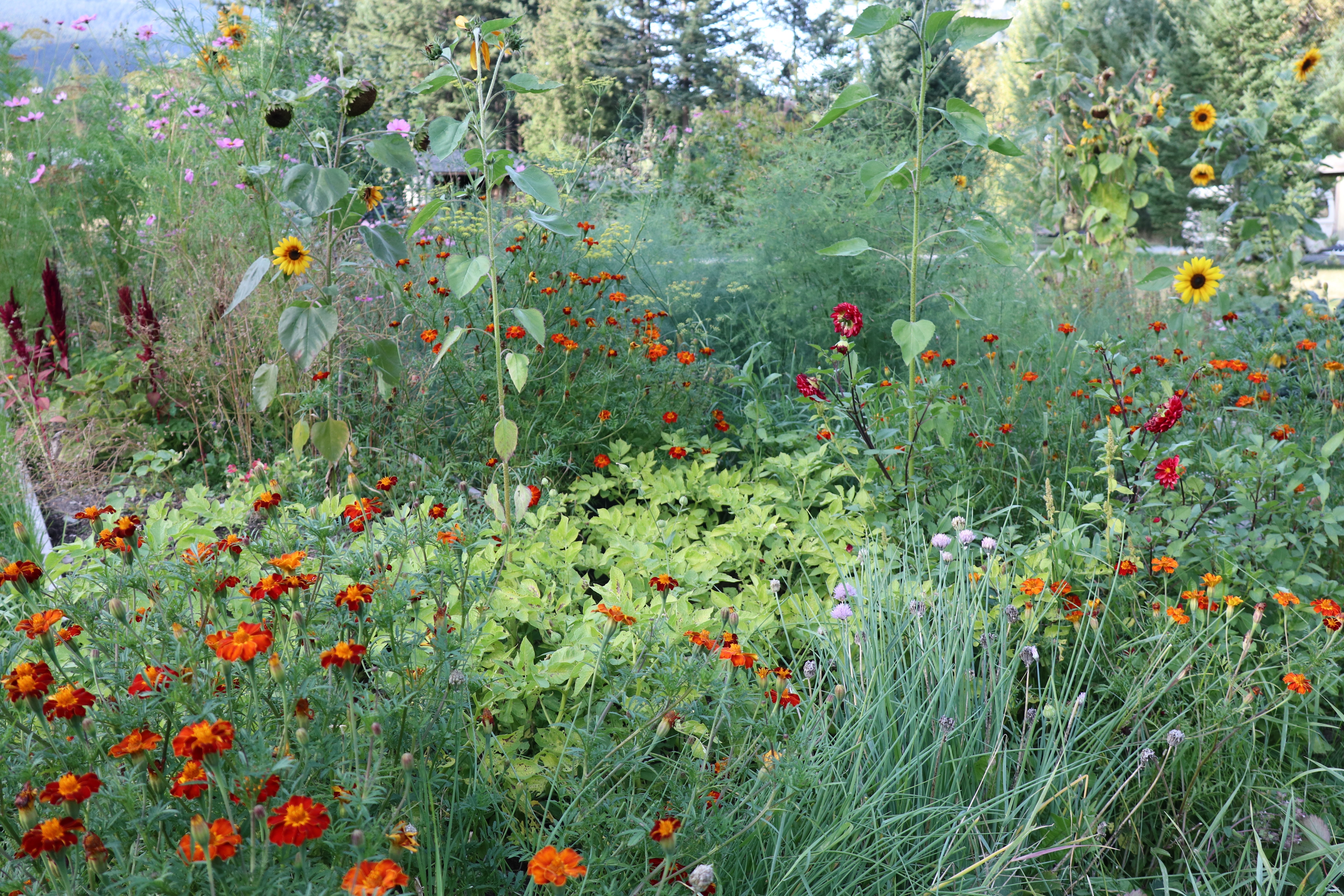
    I Pemberton-ised it by using dehydrated Saskatoon berries instead of currants, and also healthified it by reducing the sugar and using whole-grain sprouted spelt flour instead of all-purpose wheat flour. I also swapped out nutmeg for cinnamon as I am not a nutmeg fan. I also changed the method a bit and baked them straight after mixing, whereas the authors recommend refrigerating the dough first. I think the cookies were delicious and the extra step was not necessary. Less time = enjoying cookies sooner! I also appreciate the fact that these cookies are nut-free and therefore suitable for nut-free schools.

    I hope these will be a hit in your home for these snowy winter days.

    Orange-Oatmeal Currant Cookies:

    (yield: 3 dozen cookies)

    Ingredients:

    1 cup currants or dehydrated saskatoon berries

    285 grams spelt flour

    ½ tsp baking soda

    ½ tsp cinnamon

    225 grams unsalted butter

    1 cup granulated sugar

    1 large Pemberton egg

    1 Pemberton egg yolk

    2 tbs light corn syrup

    1 tbs molasses

    3 tsp orange zest

    ½ tsp salt

    1 2/3 cup rolled oats

    Method:

    Whisk flour, baking soda and cinnamon together in bowl.

    In stand mixer fitted with paddle attachment, mix butter until it is fluffy and light. Add sugar and mix until well blended. Add all other ingredients except oats and currants and blend well. Add flour mixture, oats and saskatoon berries/currants. Mix until well blended.

    Preheat oven to 350F.

    Place tablespoons of dough (use a spring-loaded ice-cream scoop for a professional look) onto a parchment-lined cookies sheet. Bake 12 minutes. Check for doneness after 10 minutes. Every oven varies in temperature. Cool and enjoy!


    IMG_5980


  • Christmas Morning Breakfast – With a Healthy Dose of Pemberton!

    Christmas Morning Breakfast – With a Healthy Dose of Pemberton!

    Christmas morning is not an oatmeal morning. You want to have something special and festive on the table. This is a very useful recipe as the dish looks impressive but is actually very easy to execute.

    This dish will make use of “all the Pemberton blueberries you froze” this past summer! If you have one, use an enameled cast iron fry pan as some of the lower-quality cast iron pans leave a metallic aftertaste. Happy Christmas!

    Dutch Baby Pancake with Pemberton Blueberry Compote

    Ingredients:

    Pancake:

    6 Pemberton large eggs

    1 cup almond or oat milk

    ¼ cup sugar

    ¼ tsp salt

    ½ tsp almond extract

    ½ cup spelt flour

    ½ cup almond meal

    2 tbs butter

    Compote:

    2 cups Pemberton blueberries

    1 tbs corn starch

    ½ tsp lemon zest

    Whip Cream:

    2 cups whipping cream

    Garnish: 1 tbs icing sugar

    Method:

    Pancake:

    Preheat oven to 425F

    Blend all ingredients except butter in a blender on high speed

    Place the butter in a 10-inch enameled cast iron fry pan and place in oven for 5 minutes.

    Remove pan when butter is melted (use oven mitts!)

    Pour ingredients into fry pan and place fry pan in oven

    Bake for 20 minutes.

    Compote: Place blueberries, zest and corn starch in saucepan on medium heat, and stir until mixture becomes a thick sauce.

    Whip cream: Whip the cream in stand mixer until soft peaks form.

    Serving: Slice baked pancake into 8 servings. Top each serving with spoonful of compote and dollop of whip cream. Garnish the plate with a dusting of icing sugar using a small sieve.

  • Rooting for a Rutabaga renaissance

    Rooting for a Rutabaga renaissance

    My brother says a stew is not a stew unless it contains rutabaga; I concur.  Surely that was my thinking when I roamed the patch in the recent fall drizzle, disheartened by the number of perfectly good vegetables going to waste because they were too big to be marketable.

    When I was a teen, I developed quite a resentment towards rutabaga (and most others that engendered chores.)  In the full heat of summer, the rows were never ending as we shuffled along with perfectly sharpened hoes, weeding out the lamb’s quarters and thistles which often had grown up again by the time we finished the plot.

    Later, once the first few frosts arrived, Dad would drive the tractor and wagon out into the field and we would get down on hands and knees to pull the rutabaga out, chop off the root, scrape off the side roots and mud then flip it around to lop off the top.  A sharp, heavy knife was essential.  Once we finished the cleaning, we lobbed the vegetables onto the wagon and shuffled forward.  

    Rainy weather caused mud to cling so that each globe gained a pound or so.  Eventually, the wagon would fill up and our knees would get a reprieve while we ambled back to the root house to bag the harvest that would have been washed during our walk break. Dad had jigged a small piece of plywood with the appropriate size for the rutabagas he would sell and we would measure some of the perfect looking ones only to find they were too big for commercial purposes-these went into other bags for customers who stopped by the farm for their fall vegetables.  Finally, we would empty the wagon and head back out to the field having bagged up about thirty fifty-pound bags for the root house.  Not much has changed about the process of harvesting.

    Somehow, my resentment towards this month-long job never overpowered my taste for rutabaga – it was always a treat to slice one up and munch away on it while waiting for the wagon to get back.  I also liked it boiled then mashed up, served with a bit of butter and salt and pepper.  And, of course, I enjoyed it in stews, where it rounded out the flavours, adding a touch of sweetness along with the carrots.  It is not so surprising then,  that I should wander around in my brother’s field in the rain searching for those purple and yellow globes.  

    Back home, I explored new recipes to try and discovered many old ones, mostly from Europe.  This should not have surprised me – despite the growing interest in vegetables of all kinds, rutabaga consumption is not on the rise.  Yet, a half cup serving provides fifty three percent of daily vitamin C requirements, eight percent of needed calcium and a good quantity of vitamins  E , B6 and Thiamin – all with twelve percent fibre, five percent carbohydrate and sixty six calories.

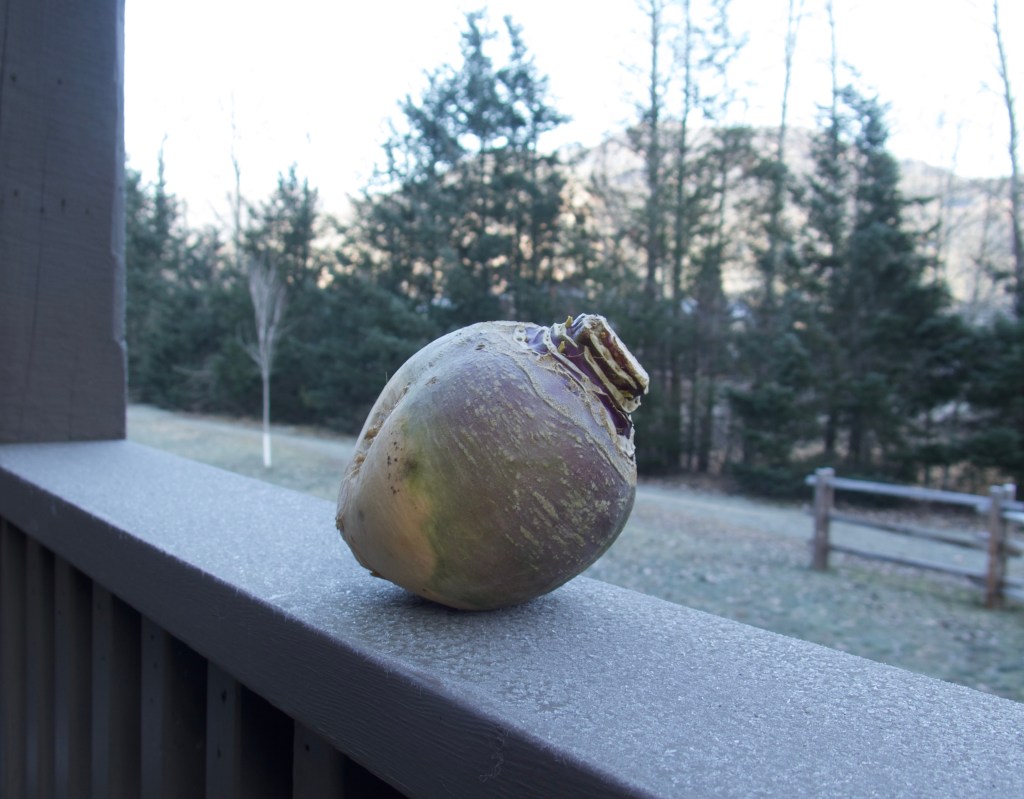
    rutabaga

    A three pound rutabaga provided us with five meals over a two week period and half of the vegetable is still in the fridge waiting for my next inspiration.  

    Downstairs, in a dark cool corner, my twenty five pound bag could last well into February, though I’ve recently begun to process in bulk for convenience.  I boil the rutabaga with carrots-about two carrots to each rutabaga-then drain them and mash them, storing in freezer bags.  On a cold night, these can be thawed quickly and eaten as is or added to soups and stews to round out the flavour and add nutrients.

    Rutabagas are a cross between cabbage and turnip and they grow from seed, maturing in about ninety days. As a Brassica, these vegetables might be too bitter for some people, though they do sweeten up after a few frosts, so try leaving store bought ones outside overnight.  The greens can also be eaten, somewhat like swiss chard.  It’s a vegetable that deserves a renaissance:  try it with nutmeg, sautéed garlic, feta cheese, apple slices, maple syrup or maybe curry.  

    Inspired? Try Nidhi Raina’s Bad Boy Rutabaga and Turnip Curry.

  • Another soup – Sweet Potato and Red Lentil!

    Another soup – Sweet Potato and Red Lentil!

    As I sit here it is -5 (feeling like -10 and going to drop down to -13 later). So that calls for only one thing. A big bowl of something steaming and filling and nourishing for the soul.

    I’ve wanted to make a soup with lentils for ages, mainly because I have a tried and tested Chicken and Red Lentil Curry with Toasted Cashew Nuts that I absolutely love! So, after a quick search on Pinterest, this recipe for Sweet Potato and Red Lentil Soup caught my eye.

    It’s a super thick soup, almost a puree, hence really filling. Plus:

    • There’s 485% of your daily recommended dietary allowance of vitamin A. Essential for keeping all your vital organs in working order!
    • There are only 309 calories per serving, or 15% of calorie intake on a 2000 calorie per day diet.
    • The fat content is just 2g, only 3% of your daily recommended dietary allowance.

    With it being so low in calories and fat it’s good for those currently on a weight loss plan (like me – again!). Although I may have negated all the goodness with the “drop” of cream and fresh slices of bread!

    Let me know if you have any other lentil soups for me to try and I hope you like this one!

    Ingredients

    • 1 tbsp olive oil
    • 1 onion diced
    • 1 kg sweet potatoes peeled and diced
    • 1.5 L vegetable stock
    • 210 g red split lentils
    • 1 tsp ground turmeric
    • 1/2 tsp mild chilli powder
    • Freshly ground salt and pepper
    • 1 tbsp coriander chopped

    Directions

    1. Gently heat the oil in a large soup pot and add the diced onion to soften it, stirring occasionally for about 4 – 5 minutes. Then add the diced potatoes and continue to stir for a further 3 – 4 minutes.
    2. Add the vegetable stock, lentils, ground turmeric and mild chilli powder.
    3. Stir well, bring to the boil and turn down to simmer gently for 20 –25 minutes until all the mixture is completely softened. Remove from the heat.
    4. When the soup has cooled a little, blitz it in a blender / food processor and return to the pan, season to taste, garnish with the chopped coriander and then serve.
    5. Serve with fresh bread.
  • Best of Pemberton Fall Dinner: Pine mushrooms and deer burgers!

    Best of Pemberton Fall Dinner: Pine mushrooms and deer burgers!

    This is a good time of year for eating well in Pemberton. Hopefully fresh deer meat, winter squash, mashed Sieglinde potatoes, and sautéed pine mushrooms! A healthier plate will also include sautéed chard – but I prefer to save my blanched chard to add to chilli and soup when it goes down so harmoniously with bold tomato flavour and spices. I used to dislike pine mushrooms but my tastes changed a few years ago when I ate them prepared very simply. Sautéed in olive oil, then drizzled with a tablespoon of fresh lemon juice and just a dash of gluten-free soy sauce…I can’t eat enough of them! Cheers to good fall meals using Pemberton’s finest local ingredients.

    Sautéed Pemberton Pine Mushrooms (serves 4 as a side dish, or 1 for a scrumptious snack)

    Ingredients:

    4 large pine mushrooms, well-scrubbed and clean

    2 tbs pure olive oil

    1 tbs fresh lemon juice

    ½ tsp gluten-free soy sauce

    Method:

    Scrub your pine mushrooms well.

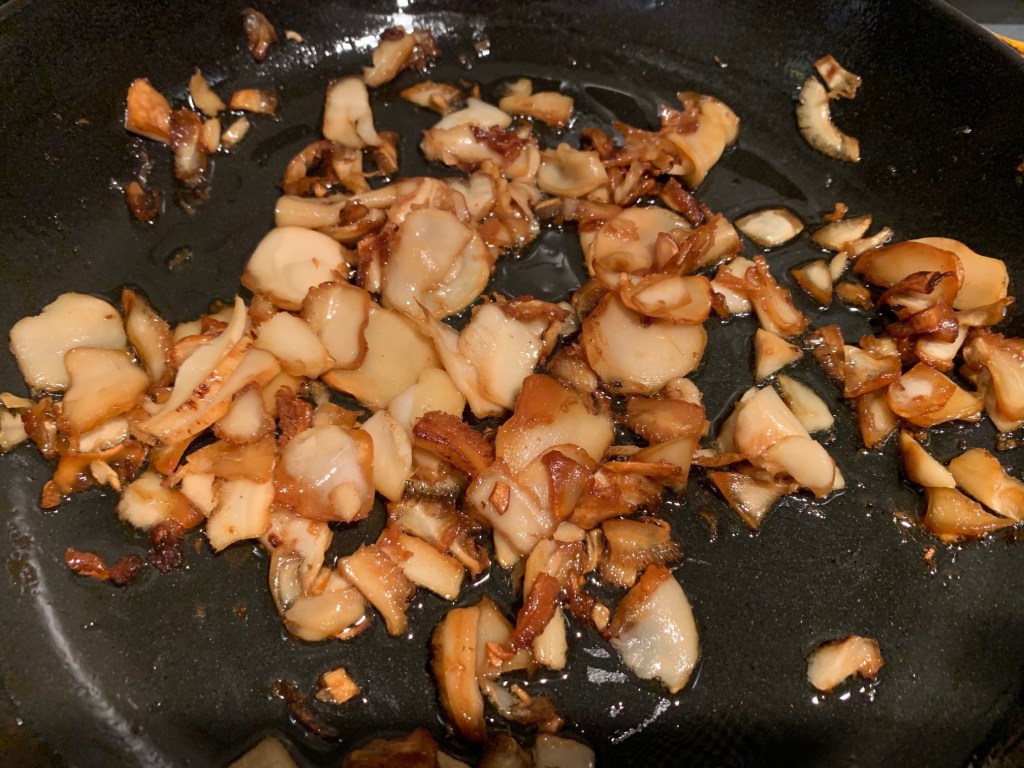
    Slice VERY thinly into 2 mm slices. Thin slices are the key to flavourful and crispy pine mushrooms.

    Heat olive oil in a large cast iron skillet. Sauté mushrooms over medium heat until nicely browned and crisp. Turn off heat and add lemon juice and soy sauce. Enjoy!

    Pemberton Deer Burgers: (serves 4)

    Ingredients:

    1 lb ground deer meat

    2 tbs pure olive oil

    ½ medium yellow onion, fine dice

    1 tsp salt

    1 tsp pepper

    1 tsp prepared English mustard

    2 dashes hot sauce (optional)

    2 tbs chives, chopped.

    Method:

    Combine all ingredients. Form into patties. BBQ on high for about 10 minutes and flip burgers halfway through. Remove from heat when cooked through. Enjoy!

  • Winterizing your garden

    Winterizing your garden

    The crops are in, the first frost has decimated whatever was left, markets are over, but the work isn’t over yet. In fact, it’s often one of the busiest times for farmers. That last push is crucial, and it can be difficult to get motivated in the cool mornings and reduced daylight. Most farmers are close to burnout by this time. My partner and I like to take a well deserved vacation in November so there’s a real fire under our asses to meet that Halloween deadline. Besides the usual firewood stacking and yard clean up, I’ve posted my autumn to-do list:

    PLANTING:  Most people are stoked to plant in the spring, and busy garden centers at that time are proof. Fact is, the fall is the best time to plant and deals can be had. I like to plant perennials, spring bulbs and fruit trees. Garlic, of course, should always be planted now. They will stay dormant throughout winter and get the earliest possible start in the spring. Cool wet weather should get their roots established before the hot dry summer.

    PRESERVING SURPLUS: This is the time to use up what’s left. Pickle, make jams, freeze, dehydrate and juice. It’s a shame to see your hard work wasted. Trade, barter or give it away.

    DIGGING/STORING/COVERING TENDER PLANTS: If your favourite plant is pushing its winter hardiness zone, you will have to protect it or move it indoors. Perennials should be cut back and mulched, roses and hydrangeas should be hilled with dirt. Really tender stuff should be potted and slowly acclimatized to the indoors. We are busy at this time digging up hundreds of dahlia tubers and storing them in crates in our garage. Some root crops can be mulched and covered with plywood and harvested throughout the winter.

    REMOVING THE POLY FROM HOOP HOUSES:  If you don’t do this now, you will inevitably be shovelling and/or waking up to a collapsed greenhouse.

    SHUTTING DOWN AND DRAINING WATER LINES: If you don’t do this now you will inevitably be facing split lines and fittings in the spring. Roll up hoses and hang them up.

    SERVICE MACHINERY: This is the best time to fix broken stuff, maintain and winterize anything mechanical. Put it away in a dry spot.

    COVER CROP: Fall rye and legumes are excellent amendments and protect your soil from erosion and weeds. Plant them now and turn the green carpet under in the spring. Topdressing with manure is also an excellent idea.

    FERTILIZING: This is often overlooked at this time. Look for high potassium (K) to increase hardiness and Phosphorus (P) for early root growth in the spring. Feed anything that didn’t thrive and seemed depleted. If you soil tends to be acidic, lime now to raise PH as it takes many months to adjust.

    RAKE LEAVES: While this can be done in the spring, it’s easier to do now when they’re dry and they can be used as mulch or compost. Whatever you do, don’t burn them, you just smoke out your neighbours. Cleaning up under fruit trees is important to prevent the spread of  pests and disease.

    CLEARING AND BURNING BRUSH: With the leaves gone, its easier to brush cut. It’s also often the safest time to burn it.  Theres nothing better than watching “Hippie TV” on a cool autumn evening.

    PICK STUFF UP:  It’s a drag to find rusted tools and odds and ends when the snow melts.

    TAKE NOTES: While your memory is fresh, this is a good time to reflect on your successes, failures and what you plan to change next year.


  • Soup for (F)all seasons!

    Soup for (F)all seasons!

    I just took the dog for a walk. It was chilly and windy. It was Fall in Pemberton.

    There’s only one thing for those kind of days and that’s a delicious, hearty bowl of soup with some fresh crusty bread, still warm if you can find it.

    I have two go to recipes. Roasted Butternut Squash, one of my all-time favourites, and Cock-a-Leekie which I love because it harks back to the Scottish side of my family and is quick and simple to make, well my version anyway!

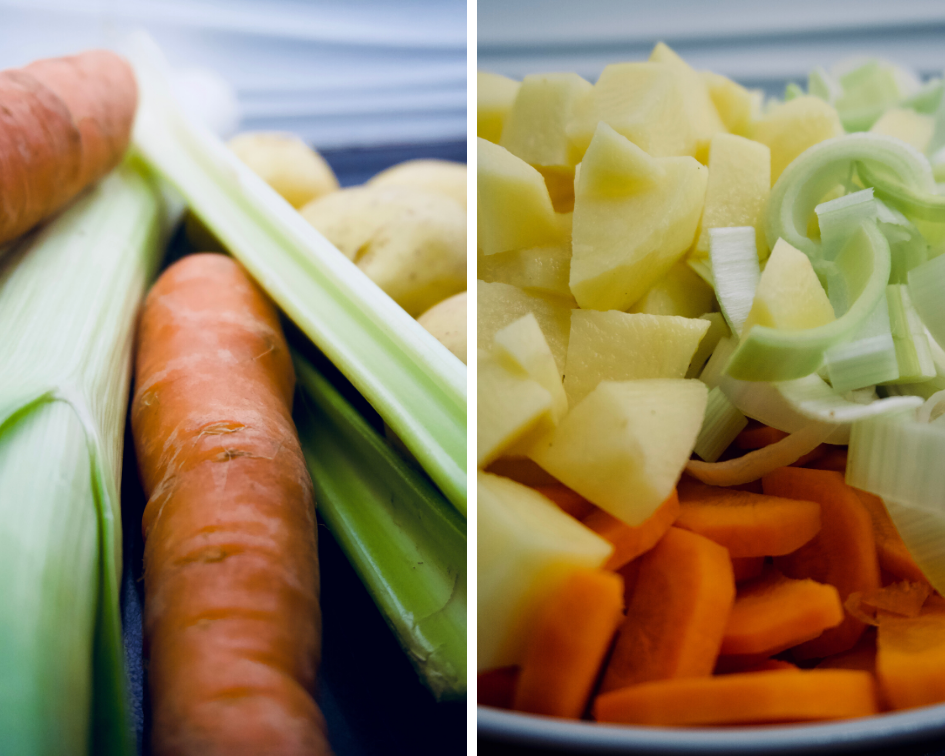
    To make my uncomplicated variation all you will need is celery, leeks, carrots, potatoes and chicken breasts cooked together to miraculously become a wonderful warming soup.

    The traditional version includes other ingredients including prunes and oatmeal, and I have never made it this way, but the simplified version allows all the vegetables to shine – especially the leeks who are the stars of the bowl!

    Whichever version you attempt this will certainly warm you up on a cold Fall, or even Winter’s, day. Enjoy!

    Ingredients

    • 2 sticks of celery, sliced
    • 2 leeks, sliced
    • 2 carrots, sliced
    • 4 to 5 potatoes, diced
    • 2 chicken breasts, cubed
    • 1 to 1.5 litres chicken stock
    • Salt and pepper

    Directions

    1. In a large stock pot heat 1 tablespoon of vegetable oil and add in the celery and leeks and cook over a medium-high heat to soften.

    2. Add in the carrots and potatoes.

    3. Pour over the stock.

    4. Add in the chicken.

    5. Add salt and pepper to taste.

    6. Bring everything up to boil and cook for 25 to 30 minutes or until the potatoes have softened and the chicken is cooked.

    7. Serve with fresh bread.

  • Pemberton Dairy-free Squash Pie

    Pemberton Dairy-free Squash Pie

    Even though Thanksgiving has passed, I still enjoy eating squash pie. I have tweaked a dairy-free version that I think is sublime!

    It can also made into tarts. Over the years I have developed a distaste for nutmeg and instead enjoy the taste of cardamom in my squash desserts. You can use pumpkin, acorn, butternut, or other types of squash in your pie filling. The key step is to strain your squash into a sieve to remove as much liquid as possible, for at least ½ hour. This will make a denser and richer pie filling.

    Pemberton Squash Pie:

    Ingredients:

    pastry for one 8-inch pie plate

    2 cups pureed Pemberton-grown winter squash

    1 cup brown sugar

    2 large eggs, plus 2 egg yolks

    1 tsp cardamom

    1/2 can full fat coconut milk

    1 tsp cinnamon

    ½ tsp ground ginger

    ¼ tsp ground cloves

    1/4 tsp salt

    Method:

    Make pastry and line an 8 inch diameter pie plate (I use a spelt pastry).

    Roast a large squash (your choice) in a 350F oven for 2 hours on a roasting pan filled with 2 inches of water.

    When squash is very soft, remove seeds and discard. Take flesh and puree in food processor. Put puree into a sieve and let strain over a bowl for ½ hour. Discard squash liquid, or use in another recipe, such as soup stock.

    In a stand mixer, add strained squash, sugar, eggs, spices and coconut milk. Blend well.

    Pour filling into pastry-lined pie plate.

    Bake 375F for 15 minutes, then 1 hour at 350F.

    Pie is done when the filling jiggles only slightly in the centre of the pie.

    Turn off oven and cool with oven door half open.

    Cool completely and serve with whip cream if desired.

  • 10 Lessons learned from 10 years of homesteading: Sweetwater Lane Farm reflects on their decade milestone

    10 Lessons learned from 10 years of homesteading: Sweetwater Lane Farm reflects on their decade milestone

    This guest post was written by Gus Cormack and Jocelyn Sereda, homesteaders and B&B operators, who celebrate their 10th anniversary living with the land this year. Everything they learned they learned the hard way – by doing it, with skin in the game, and their young family depending on them getting it right. They have slowly turned a 7 acre plot of land at the end of Owl Ridge, originally set up for horses, into a permaculture-inspired homestead, where they raise all their own meat, eggs, honey as well as fruit and veggies. I caught them in a reflective mood (having just enjoyed an amazing home-grown meal with them, and been gifted some sourdough starter to kick off my breadmaking journey) and asked them to round up their best 10 learnings to share with us. ~ Lisa

    by Gus and Jocelyn

    This year marks 10 years of homesteading at Sweetwater Lane Farm.

    It started with a dream. We had big ideas to solve the problems of the world so we packed up our lives in the Big Smoke, left careers and the comfort of family and old friends, and set off into the unknown, armed with just a bag full of clothes, our skis and our ambitions.

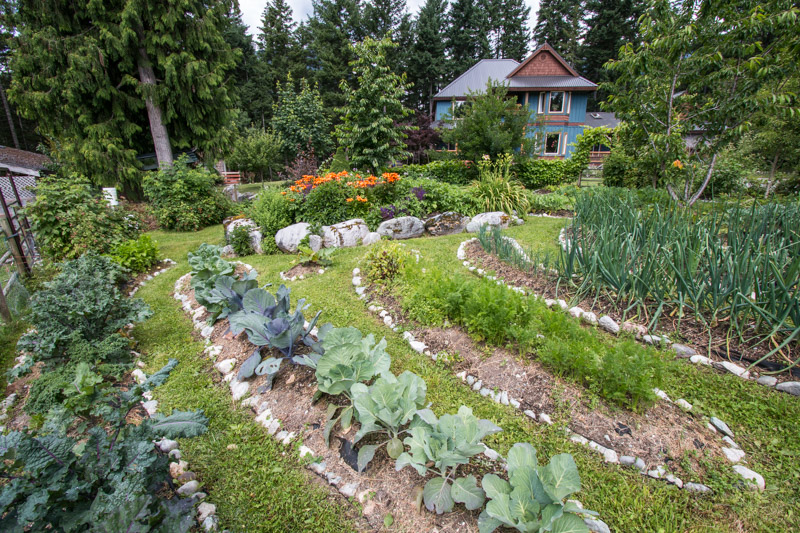
    The first step was to find an ideal place to live – somewhere we could grow food and play in the mountains. After many lists and much deliberation, we landed in Pemberton, our new homesteading paradise, and started the journey that continues today.
    untitled-31

    Along the way, ideals gave way to pragmatism, pragmatism turned into frustration, then frustration became the realization that “hey, this is actually working”! And the cycle continues.

    When Lisa asked us to write about 10 lessons learned the hard way in 10 years of homesteading, we jumped on it. We quickly found it was difficult to nail down just 10, because when you are homestead farming, every day is a lesson. And most of those days the lessons are learned the hard way. This list, by no means exhaustive, is just our top 10.

    1. Chickens are a gateway animal: If you think you’re just going to get a couple of chickens for fun, and maybe enjoy some eggs for breakfast every now and then, you might be in for a surprise. They are addictive. You’ll lose hours of your life watching the chicken channel. And it will be the best thing ever! You somehow fall in love with the simplicity of their lives and the meditative way they meander around the yard eating bugs and grass. The eggs are fantastic and you’ll never go back to store-bought. The next thing you know you’ll have 30 chickens, 3 cows, 2 donkeys, 3 pigs, 6 ducks, 2 cats and 2 dogs. And I’m not sure if it ends there. Stay tuned!

    IMG_2968

    2. Bait the Bears: Homestead farming necessarily creates a plethora of bear attractants. Some of our favorite things to eat on the farm also happen to be bear’s favorite foods. In the first few years, we had several incidents with bears breaking into portable chicken coops or climbing fruit trees. It wasn’t until we had one particularly problematic bear that killed around 100 chickens over the course of 2 sleepless weeks that we learned about baiting our electric fences. Simply wrapping some bacon around hot electric fences solved all our bear problems overnight. Once they put their sensitive noses on a 10 joule fence they never come back!


    3. Ravens are smarter than you: These majestic black birds have earned their place in folklore the world over. Seeing them systematically dismantle our chicken coops to steal chicks, open doors to steal eggs or send decoy birds in to distract the guard dogs, you quickly realize why they are revered creatures. We have loved observing them over the years and are okay with them winning the occasional battle. They exploit your weaknesses and therefore help make you smarter in the long run.

    IMG_0397

    4. Weeds will always be your best crop: The better you get at growing the things you want to grow, the better the weeds seem to get at growing! For years we fought a losing battle. The weed seeds come from literally everywhere and are very motivated to grow. Fast. Like with almost everything else on the farm, we started to look at how we could use them to our advantage (after trying all the other tricks we could come up with to beat them). It turns out that many of the “weeds” in the garden are actually far more nutritious than the salad greens we were growing so we started just eating them! Chickweed and lamb’s quarter salad quickly became a favorite. If you work in a fancy restaurant perhaps consider adding salade de mauvaises herbes to the menu and start feeding your customers weeds! Animals also love to eat most of the prolific weeds so they are essentially free animal feed. On top of that, when you pick the weeds and use them as mulch around the plants you actually WANT to grow, you add nutrients to the soil, conserve moisture, and save yourself the time and money buying and applying more commercial mulch around the plants. Voila. The enemy becomes an ally!

    IMG_3899

    5. Water is Life: We can’t overstate this. Until your water pump dies and your plants are baking in the hot sun, you won’t know the importance. It’s nothing like city life where you turn on the tap and presto aqua de vita! It’s much more complicated to be self-sufficient. To further complicate things, pumps only seem to break down when the temperature is over 35C and most likely on a long weekend. Parts aren’t easy to come by nor are tradespeople who can fix them properly when you need them. Get educated and find a good supplier who answers the phone when you need to troubleshoot and make sure you always have spare parts on hand! This is also one of the first things you should look into when deciding which property to buy – how much water is available and where does it come from? This was another lesson learned the hard way, but that is a whole other story…

    6. Don’t push shit up hill: This might sound like an old saying but there’s a very practical application for it. We inherited a septic system that uses a pump to push waste up a hill to a septic field. When you live in a rural area and the power goes out – what’s going to push your shit uphill? So given the chance to do it over, definitely let shit roll downhill. As a side note: This applies in a non-literal way to almost everything else in homesteading life as well.

    IMG_1953

    7. Squash are sexual deviants: Squash are one of the coolest things to grow on the farm. They are very independent, not needing much love or attention; they are prolific and create a huge amount of food that can store all winter from just one seed. The problem with squash is, if left to their own devices they will happily breed with every other squash within close vicinity. This can create some really interesting and tasty combinations, but most likely you will end up with a soft shelled pumpkin. So plant your squash away from each other or be prepared for strange tasting and looking crosses.

    8. Plan for Death: Before you get your first farm animal, take the time to think about how you are going to deal with their end of life. If it’s a meat animal, know how, where and when you are going to butcher them and how you are going to get them there. That little piglet you brought home in a dog crate certainly won’t fit in there at the end of the season! It’s impossible to get someone to come slaughter your animals with no forward planning. Also having the right tools and set up is essential if you are going to do it yourself. If it’s a long-term farm animal, still be ready for the off-chance your animal passes suddenly. We lost an almost full grown steer once. Without a tractor on hand we wouldn’t have been able to deal with it in a timely manner. It’s not something we want to have to think about but doing so can save you a significant amount of stress and give you better systems to work with in the meantime.

    9. There’s no such thing as a free animal: Driving home one day we saw a sign on the highway that said “free chickens”. We excitedly went home to grab a dog crate and headed back to pick up our new free animals smiling about what a great deal it was. We loaded them up and got them settled into their coop. About 2 weeks later these free chickens started to crow. We had a dozen “free roosters”. They competed crowing with each other day and night. All of them. All the time. Moral of the story is, if they are free they will come at a cost. You just may not know what that cost is right away.

    IMG_3268

    10. Everything should have a job: Every animal on the farm should have a job. Otherwise you will just be collecting pets that will take up your time and money. If you need to build up your soil then rotational grazing of cows and chickens is great. If you need protection from predators in your pasture then a guard dog or even a donkey works great. Having animals that instinctively add to the farm will help lighten the load and enhance your homestead. Right now we are using our donkeys to help fire smart the forest beside the house. Otherwise we might have to consider them lawn ornaments.

    As a final thought, remember to be inspired by your big ideas but understand there may be many, many steps to achieve your goals. If something doesn’t work the first time, go back to the drawing board and try again. And then again, and again. And again until you figure it out. Every homestead is different so if you read something in a book, understanding that most of the time things won’t work exactly like they said can save you a great deal of frustration. The customized lessons you will learn are invaluable. Practice humility daily. Things don’t always work out. The environment will often dictate your success. If something doesn’t fit, let it go. No matter what you might think – you are not the boss! Most importantly, make sure you are having fun (at least some of the time) because that’s kind of the point of all this, right!?

    IMG_0764

    If you are interested in following along our adventures at Sweetwater, you can find us on Instagram @sweetwaterlanefarm and FaceBook at www.facebook.com/swtwtrlnfrm… If you are very interested in learning more about what we are doing and how you can do it too, contact us at enquiries@sweetwaterlanefarm.com as we do offer homesteading courses from time to time!

  • A question of growth

    A question of growth

    I read somewhere that your garden is a reflection of your personality.

    My garden has gone off-script.

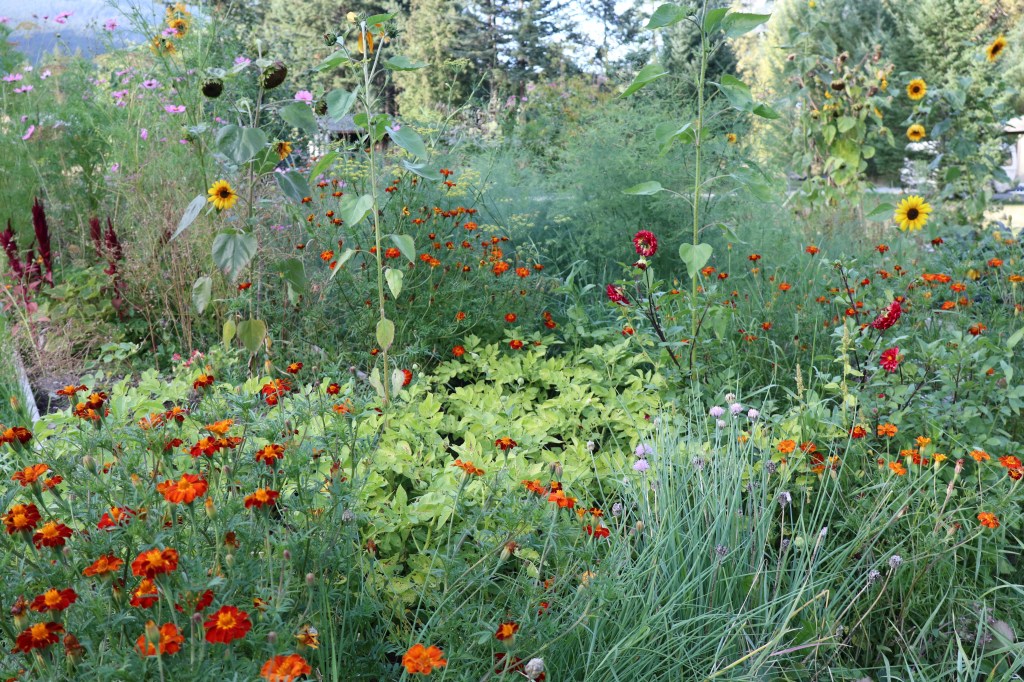
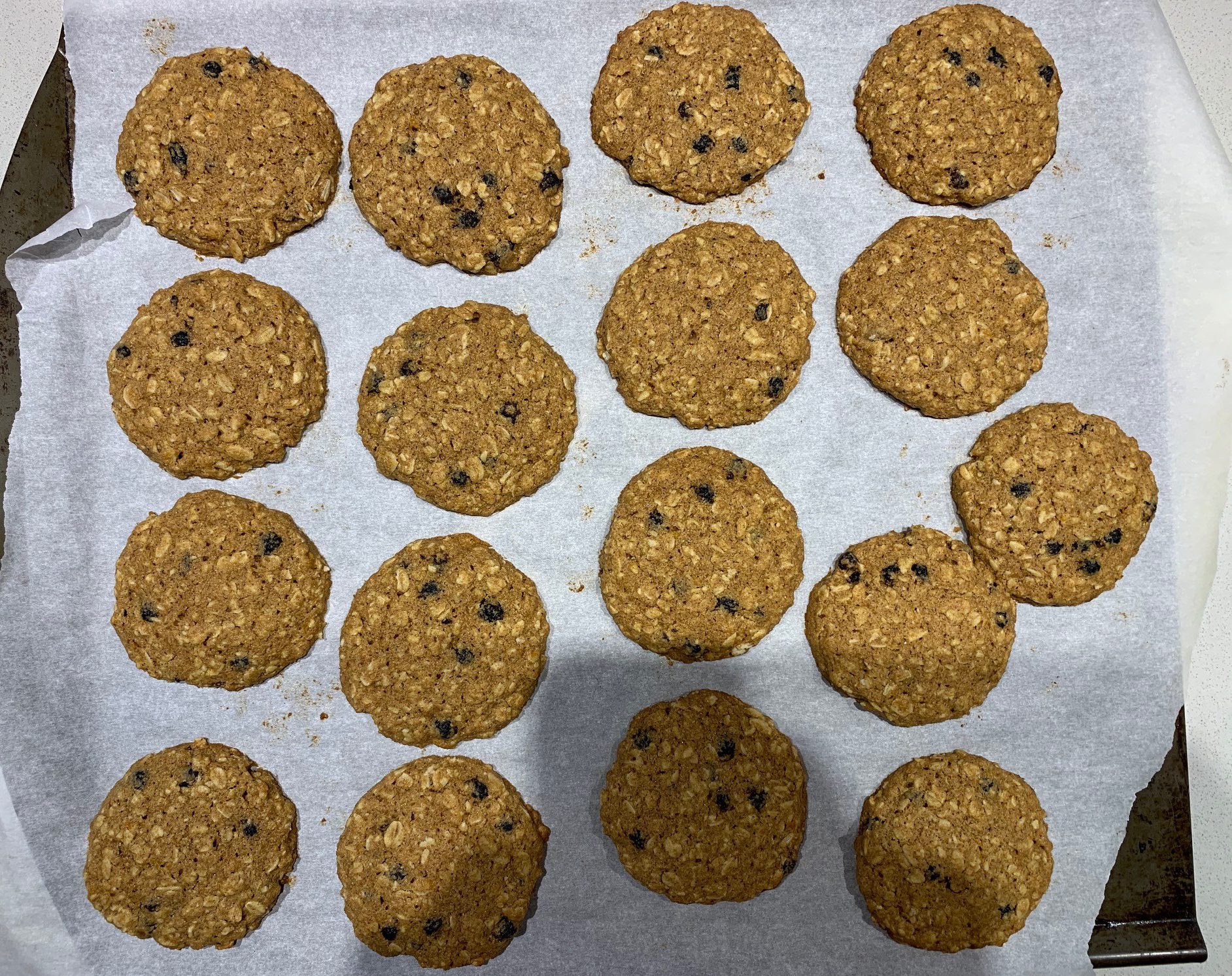
    It is wild, unkempt, rangy, not willing to commit to any one single thing beyond the belief that there are mysterious forces at play in the natural world to which I surrender control. It’s utterly prolific and not in any way linear or orderly. It’s an offering to pollinators.  On any given day there are so many different bees and wasps and butterflies and dragonflies that the air shimmers and vibrates. It’s been full of weeds since I discovered some of those weeds (hello purslane! hello plaintain!) are edible or medicinal, so opted to welcome them, taste them, invite their medicine in, instead of battling them. Battles are so rarely won.

    IMG_1536

    Last season, and all the seasons before in which I’ve engaged in this yearly experiment, all I could see were the flaws, the lack of order, the ample evidence that if a pioneer-era family were depending on my skills, we’d all be dead, that my late grandmother would shake her head at how few life skills I have.

    food_velocity1-1-8f860220b7694f98

    Today, with the cosmos, dill-weed, sunflowers towering over me, I am okay with this. I have realized that self-sufficiency isn’t as worth cultivating as community is. And each year in the garden, I have learned that I am part of a community of pollinators, of birds, of earthworms, of black bears that I shoo away, but who still win their fair share, of beet-green-nibbling deer (*shakes fist at air*), of rats (*insert unpublishable curses and shudders*), of friends who gift seedlings and starts and neighbours with abundant fruit trees and a willingness to share. This eco-system membership card comes with no assurances or written guarantees, and yet, I suspect I am more resilient in this club, than if I had invested my loosely focussed energy in a stockpile of canned goods, some guns, and a padlocked larder full of canned peaches.

    IMG_1608

    My garden is wildly prolific right now. And in a few months, everything will be dead.

    This is the way of the wheel of life. This is what is true, as much as I might like to push it away: every possibility grows out of an ending. And the endings keep coming around.

    The other night when racing-brain-syndrome pushed sleep away, I reached for a book of Mary Oliver poems. Turned on the light and read until my mind settled into the hammock of Oliver’s words, and I slipped back to sleep with these lines resting on my chest:

    “Every year we have been witness to it: how the world descends into a rich mash, in order that it may resume. And therefore who would cry out to the petals on the ground to stay, knowing as we must, how the vivacity of what was is married to the vitality of what will be? I don’t say it’s easy, but what else will do if the love one claims to have for the world be true?”

    Mary Oliver Lines Written in the Days of Growing Darkness

    Growth has been the mantra of this diseased era, the Anthropocene. Globalised growth detached from place or relationship. Growth, unrestrained by upper limit or sense of limitation or restraint. Growth without end.

    The folly.

    When Kate Raworth, the British economist and author of Doughnut Economics,  remodeled the way we look at the economy, she drew, instead of a pyramid, or a supply chain or a spreadsheet or the colonization of other planets, a doughnut.

    doughnut

    The first thing she did was draw a big circle around the outside of the economy and say: this is the limit, defined by the Earth’s life-supporting capacity. And here in the centre is a hole, and it represents everyone we’re failing. The challenge is to live within the doughnut – the space between the limits of social justice and planetary systems.

    When you trade growth-without-end for doughnuts and gardens and the wheel of the seasons, you have the courage to accept limits, to be still, to acknowledge endings and loss and the discomfort of never really nailing it. You also give yourself permission to start over, again and again, to risk it on relationships, to know the wealth of a table loaded with good food and air vibrating with bees, the difference between a larder and a hoard.

    IMG_1524
    my gardening guru, whose garden is most definitely not a shit-show, sharing her cuttings, dahlias and wisdom with the next gen

    I pile clippings and weeds and garden detritus onto a bed, and prep another for next year’s garlic, and steadfastly ignore those that are gone past the point of no return. I offer the birds free-rein at the sunflowers. I collect coriander seeds that dried on the stalk when I let the cilantro go to flower, and the surfaces and corners of the house fill up with brown paper bags full of drying seed pods and flower heads – reminders that this will all come around again, and this full lush vivacious moment is a good time to think about what to offer to ensure the vitality of what will be.