Author: fourbeatfarmer

  • A Farmer’s Ode to the Cabbage

    A Farmer’s Ode to the Cabbage

    IMG_3737
    Prepping dinner in late February.  Note “green onions”, carefully harvested from some storage onions that decided it was time to start sprouting.

    Note:  This post the product of a farmer itching for the snow to melt, of Lisa Richardson’s gentle encouragement to not be ashamed by my lack of posts since last May, and also a plug for a new page on our farm website that talks about VEGETABLES.

    It tries to answer questions like “What’s this?” or “How can I cook that?” or “Can I freeze these?” that I get asked from time to time as a CSA farmer.  I also admit to eating cabbage for breakfast on a regular basis.  Feel free to have a look if you’d like.  http://fourbeatfarm.ca/news/

    IMG_3723.JPG
    A breakfast option for the Pemberton loca-vore.  Includes an average portion of cabbage, pickled garlic scapes from last summer, and some additions from friends at Spray Creek Ranch.

    Now, to ramble…

    Last week, the spare room where I store my personal supply of winter produce had its annual conversion into a spring “grow room” for this year’s seedlings.  Anyone else have ~8000 allium roommates right now?  No?  Oh well, just me then.  We will be co-habitating for a few weeks until the seedling greenhouse gets set-up and temperatures climb a bit.

    Because of this new roommate situation that I have come to believe is normal, I spent a few hours picking through the bins of winter storage vegetables.  Since I haven’t been to the produce section of the grocery store all winter, there wasn’t much left.  I salvaged the best to cram into the fridge and imminent meals, and that about took care of it.  Let me begin by saying that, despite my attention to detail when it comes to processing and storing vegetables in the main farming season (destined for CSA and farmers market shoppers), my winter set-up for personal use is…well…simple.  Or lacking.  Depends how you look at it. Let’s call it “rustic” to be nice.

    It’s a small room in the house.  It’s separated off and slightly insulated by a blanket over the doorway to avoid wasting woodstove heat from the hallway.  The window stays cracked open to let in cold air and keep the bins of veggies comfy.  When we get a cold snap, I make the crack smaller.  When we get a mid-winter thaw, I open the window a bit more.  If I remember.

    This has successfully kept beets, carrots, turnips, watermelon radishes, cabbages, rutabaga, celery root, kohlrabi potatoes and onions in fine shape until at least early March.  There are some sprouty bits.  Occasionally one will turn to mush and cause a small amount of slime to touch those around it.  These now-slimey neighbours get rinsed off and put in soup or fed to the draft horses (onions exempt, they go direct to compost and bypass the horse trough).

    DSC_0529
    Winter storage veggies at their prime for fall CSA members.  Mine do not look like this now.

    By March, things kept in such un-fancy conditions tend to look a little tired.  Rutabagas are starting to sprout wild hairstyles.  Celery roots are looking a bit shrivelled.  But the cabbages?  Oh, the cabbages.  They’re like a breath of fresh air.  Dozens of them have been sitting in a Rubbermaid bin in the house for nearly four months and they are still crunchy, juicy, sweet, and willing to join in to up the freshness factor of just about any meal.

    If you’re looking for ideas about vegetables, recipes, or curious about how this particular farmer likes to eat her veggies year-round, I’d welcome you to check out a resource we are growing to help our friends and CSA members with the age-old question “What is this?”  (holds up a cabbage shaped like a cone, an alien-resembling kohlrabi, or a yellow beet).

    http://fourbeatfarm.ca/news/

    Seriously though, those cabbages.  They’re just what a farmer needs this time of year.

    IMG_3751
    A friend of mine called this a “Winter Glory Bowl”.  Not sure if she was joking or not, but we’ll take it.  Canned salsa from our summer tomatoes, refried beans from some shelling beans we grew and froze, sweet curry zucchini pickles, and roasted rutabaga.  I don’t know if they’ll be serving it at any restaurants anytime soon, but it was a perfect sweet & sour,  hearty & crunchy combination of food from the farm for a post-snowshoe lunch.


  • And GO

    And GO

    It is a busy time in the life of a vegetable farmer, especially with the hot sunny weather we have been having!  While the motto of April may have been “hurry up and wait”, May is definitely the month of “don’t stop moving” here at Four Beat Farm.

    Most hours of the day (OK and the evening too sometimes) are devoted to preparing the fields for planting, transplanting and seeding the earlier vegetables, planning for markets and harvest season, keeping an eye on the early salad plantings to ensure that the weeds do not take hold, and putting the final tweaks onto those “spring projects” that somehow never did quite get finished.  It is still spring in the calendar, though the temperatures might indicate otherwise.  There is little time for reflection or lounging around, yet there is a sense of fun and excitement in the air as the days grow longer and momentum starts to build.

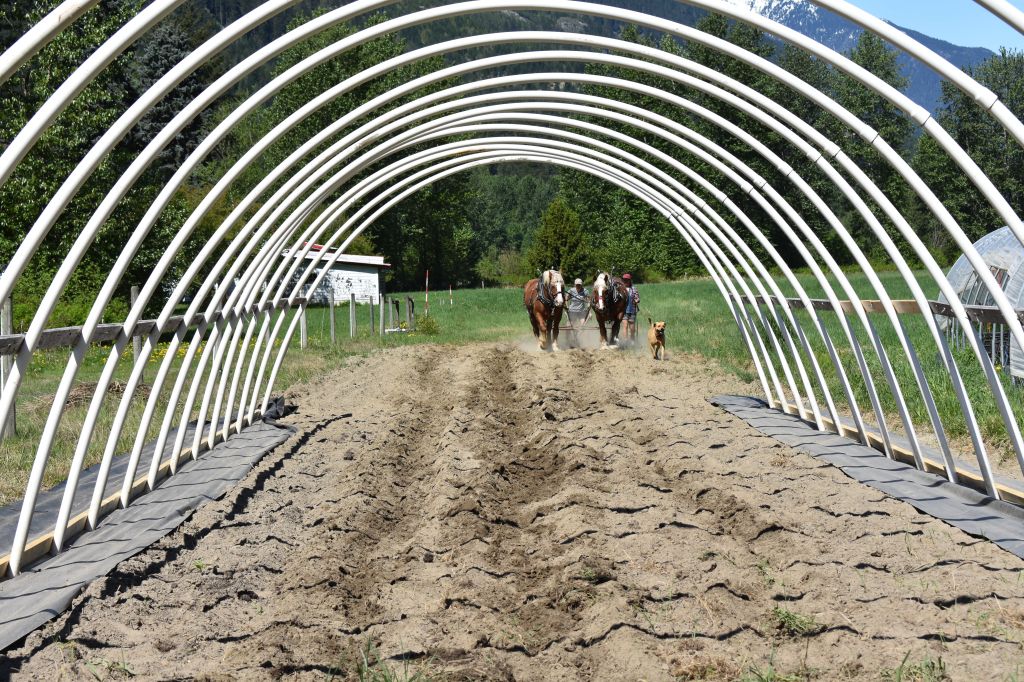
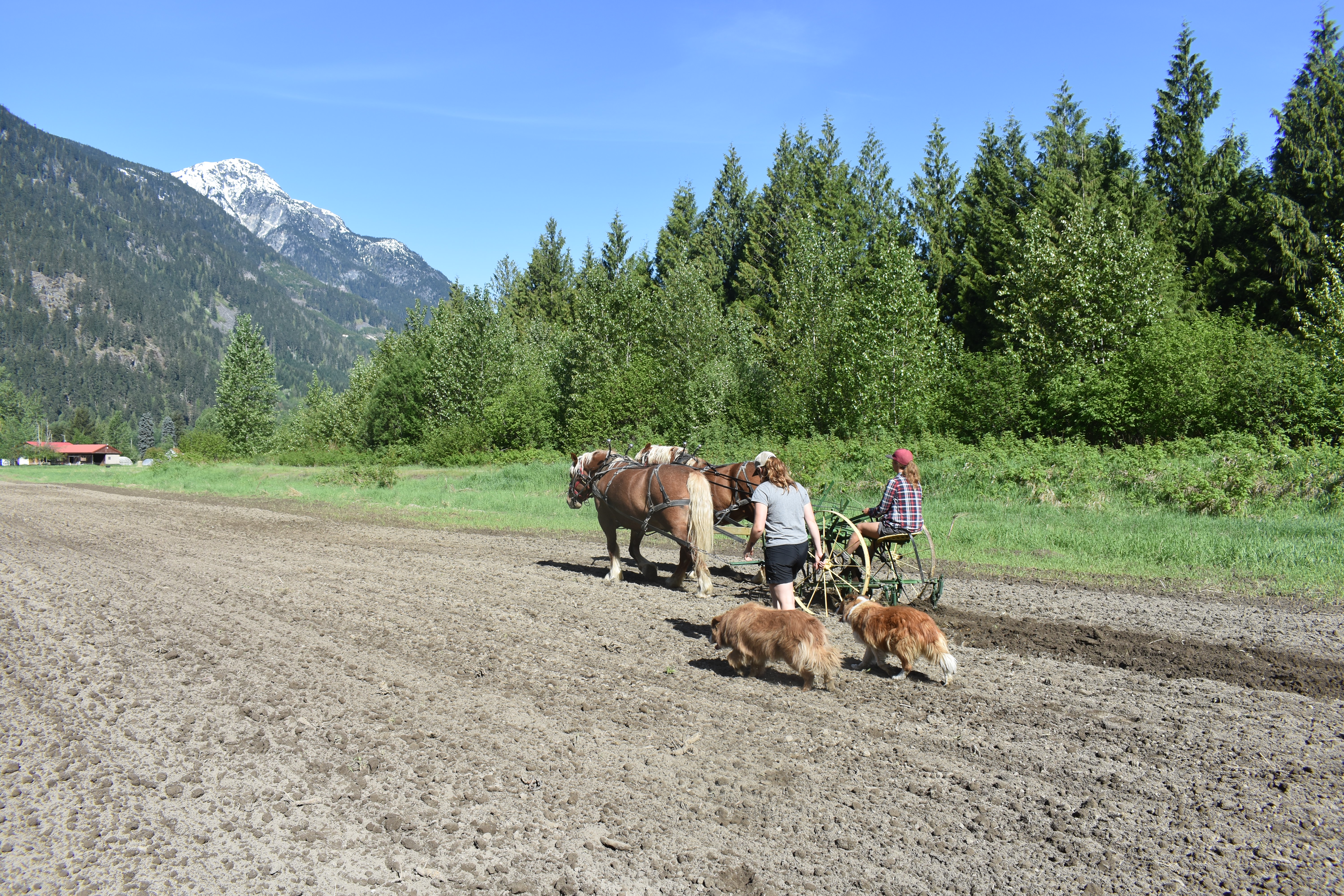
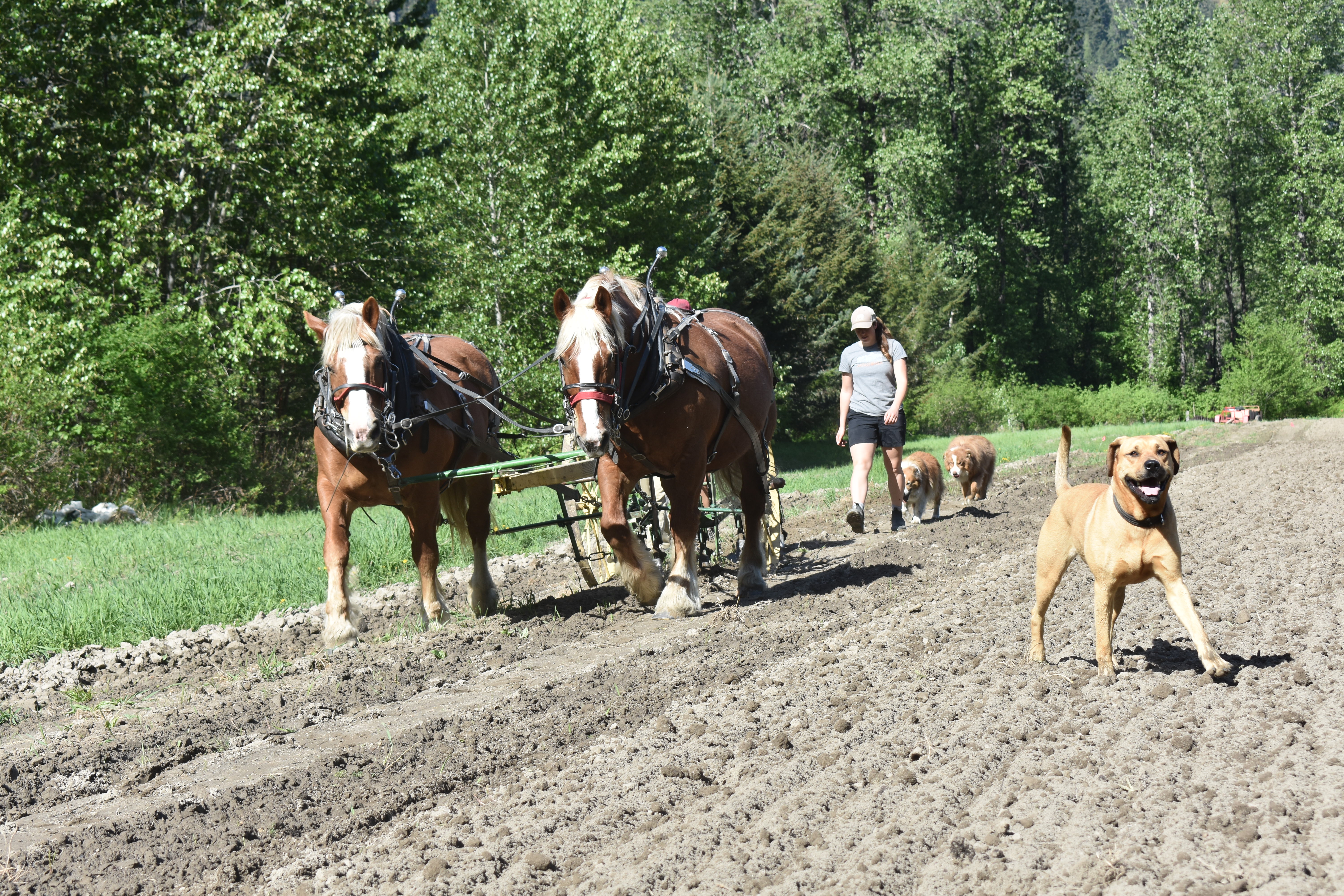
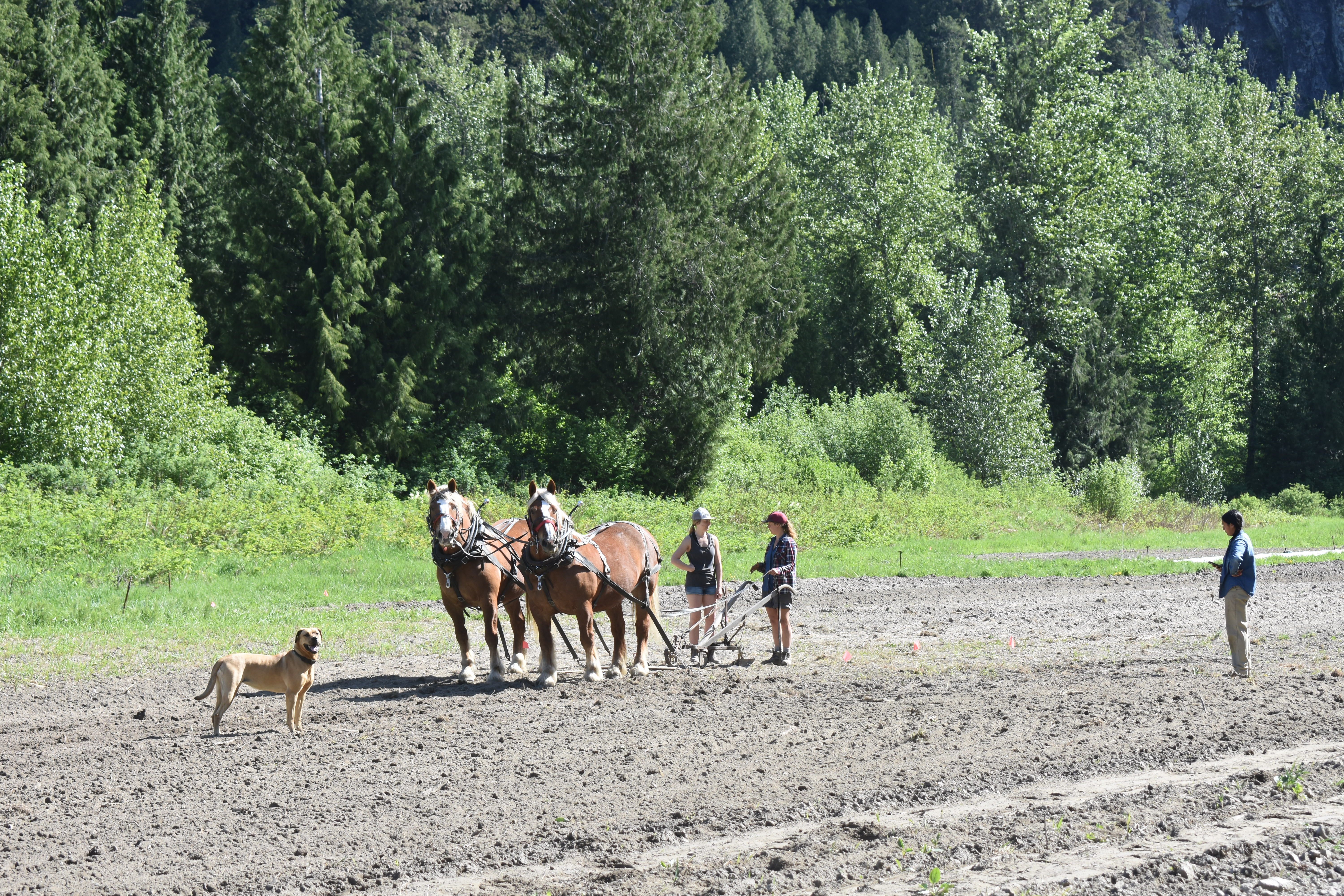
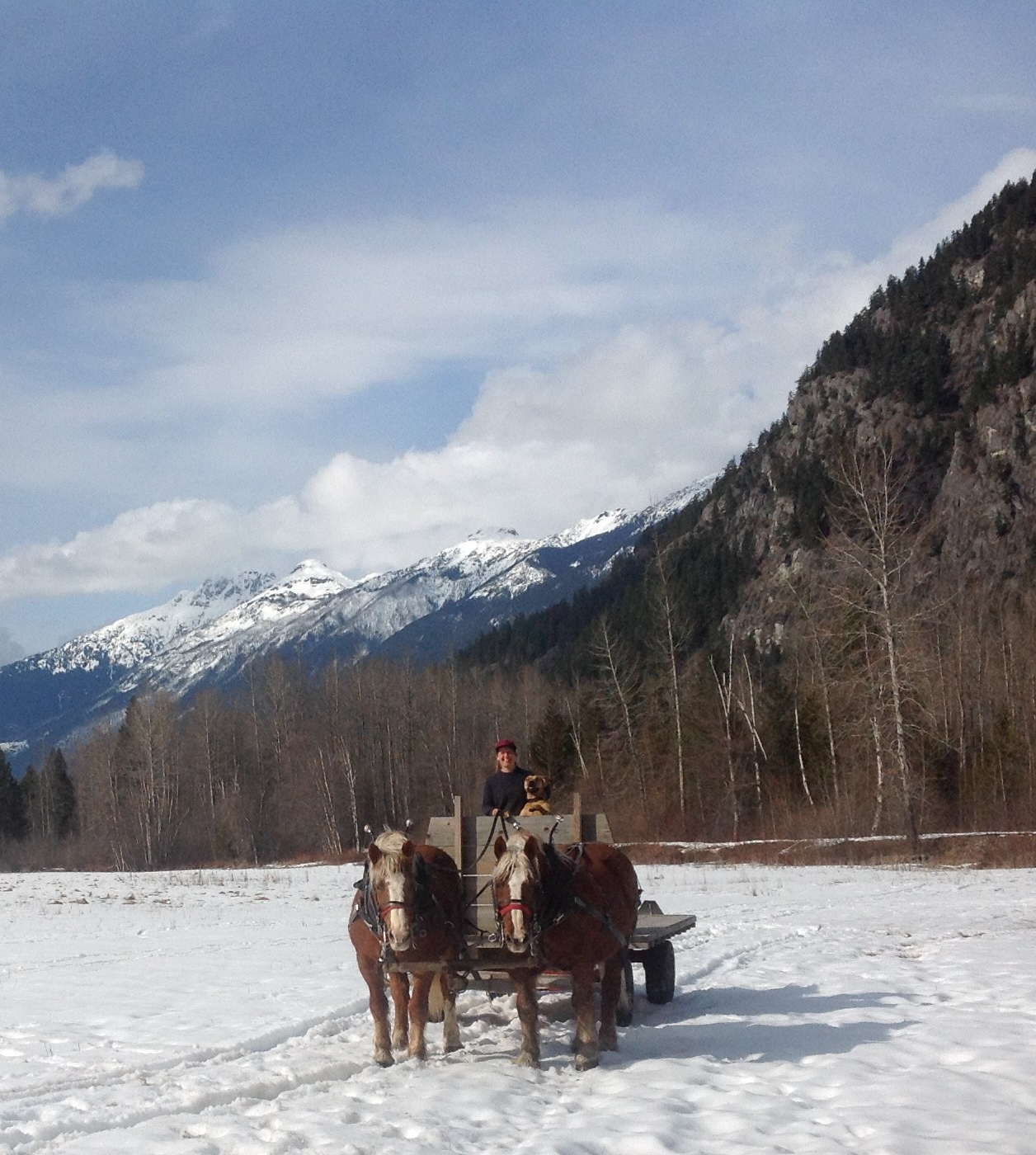
    Even though there does not seem to be much time to go for a hike at the moment, there is fun to be had in the field, such as on this Saturday morning with some canine, equine, and human friends testing out a few new (to us) ways of cultivating in the vegetable field.

    DSC_0351DSC_0355DSC_0439DSC_0381DSC_0454DSC_0462

  • Smells of spring, sweat, and soil

    Smells of spring, sweat, and soil

    It would not be an exaggeration to say that I love all the seasons. Apologies if anyone finds this level of optimism off-putting, I have been told it can be a bit much. I think farming demands it: to anticipate each season’s arrival, to enjoy the process, and to be thrilled to see one go in order to welcome what comes next.

    Spring is all about smells. After a winter of snow and soup and spreadsheets about farm planning and field layouts and budgets, it is so nice to smell dirt. Or “soil”, depending who you ask. I did not grow up on a farm and only started to dabble in it as a profession within the past decade, so the novelty of spring has not yet worn off. I hope that it never does.

    This will be the third growing season of Four Beat Farm here in the meadows, and I would be lying if I said that I felt ready for it. But that’s the great part about farming and growing food—often the best option (the only option?) is to jump in before you are ready, because nature does not wait, and if you procrastinate too long to till or plant or weed or water or harvest then it may be another 365+ days before you can realistically try your hand at growing that particular crop again.

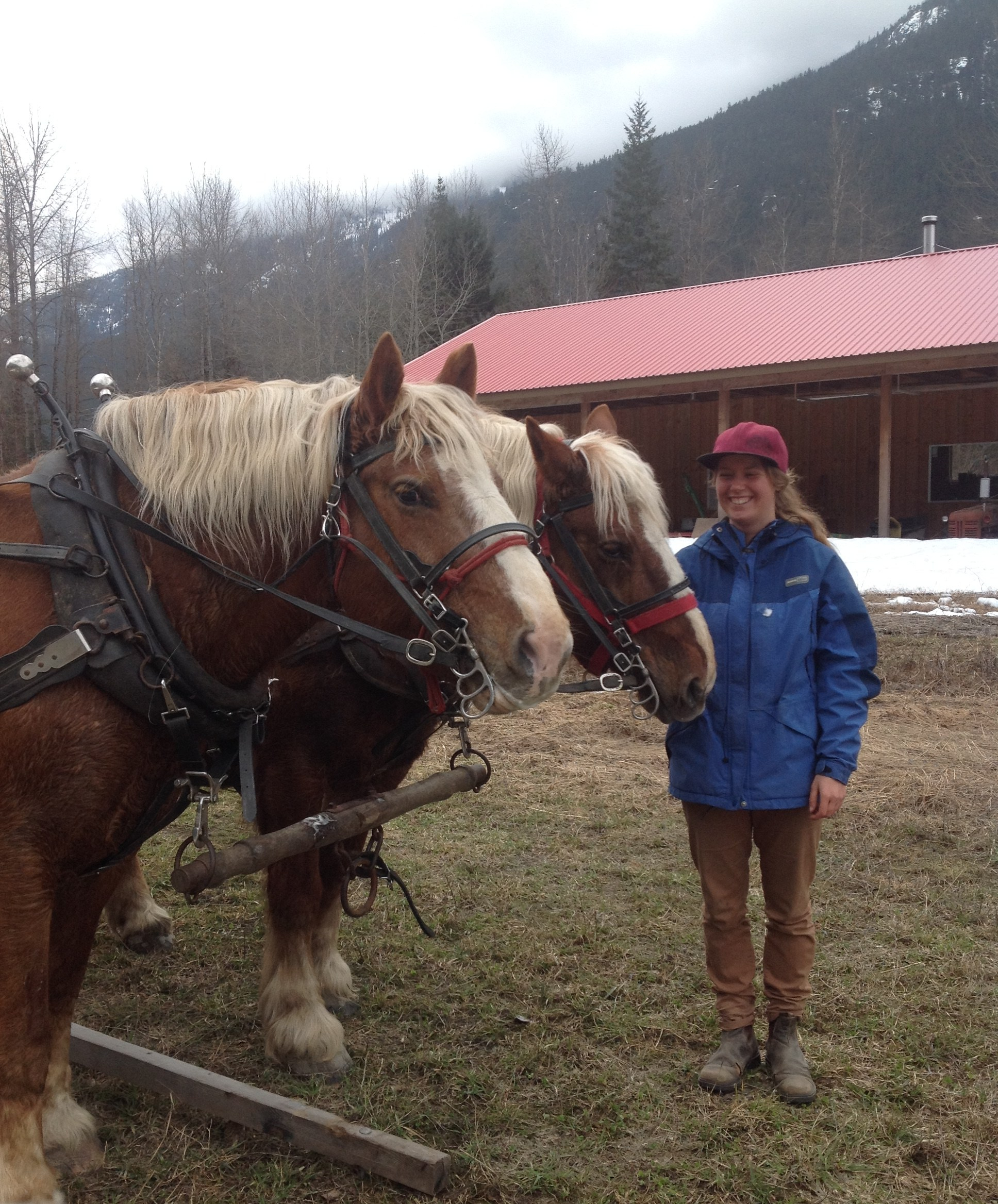
    Right now, spring smells like freshly turned earth, compost, and sweaty horses who, along with their farmer, had a pretty quiet winter. Call it lazy, call it restful, either way the sudden workload of April can be a shock to the system. Thank goodness for variety. For every hour that is spent moving fresh manure into the greenhouse to keep it heated on cold nights, there are taxes to finish, cultivators that still haven’t been repaired, onion seedlings that need haircuts, and horses that appreciate an afternoon head scratch as their muscles rest after morning fieldwork.

    IMG_2890

    When it comes to fieldwork, plowing with horses is slower than with a tractor, no arguments there. Our ever-improving farming systems for 3ish acres of certified organic vegetable seem to be functioning adequately throughout the summer season with the two horses at hand, often called a “team”. When people want to talk about it (or even when they don’t), I can and do enthusiastically chatter on that there are many jobs on the farm that horses do on par or better than I have seen done with a tractor. This is without even getting into the added benefits of having two 1600lb colleagues who eat local fuel, constantly produce compost, and bring a level of determination and sass to the field that I have yet to see in a combustion engine.

    IMG_2857

    For this year’s planned spring tillage, however, which will allow for better crop rotation and attention to soil health, our current two horses are fully employed and could easily share the workload with two more given our short and intense growing season here in the valley. So, as in past years, we as a farm leave the option open to phone one of our many generous neighbours to bring in some extra horsepower for big jobs.

    On a practical level, getting a few hours of custom tractor work here and there feels more efficient than feeding and caring two extra animals who are only going to work for a few weeks out of the year. I drawn parallels with fellow small farmers who might choose to rent heavy machinery for excavation projects, or how it can make sense to have a small car for your family and borrow a neighbour’s pickup truck when you need to bring home a few loads of compost to kick off the gardening season.

    When weighing the options, I have to remind myself that we are a young farm that is in the business of growing food for our community, and that there are many ways to best do this. That said, if someone in the valley has a well-trained team of draft horses I can borrow to spell mine for a few days when their shoulders get sore, feel free to drive up the valley and drop by.

    Our place is the one with plow lines that are not entirely straight, horses that still have their winter coats, and a hoophouse bursting with onion plants that are already dreaming of farmer’s markets at the community barn downtown.

    -Naomi

    IMG_2788
    Getting in shape, late March